

Wegmans Cheese Is Perfected In A Unique Location Modeled On Europe's Caves
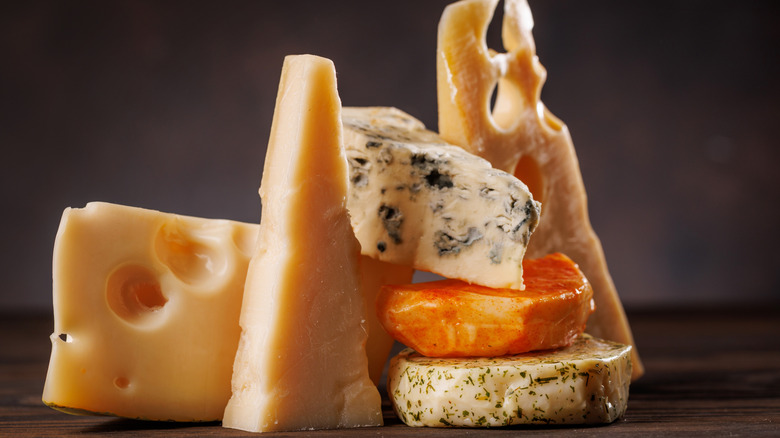
Wegmans' elevated prepared foods, weekly wine tasting events, and unique in-store restaurants have earned a following for the store. There is one more thing that sets Wegmans apart: its dedicated cheese counters. While not every location has one, those that do boast a selection of high-quality blue cheeses, soft cheeses, and hard varieties such as cheddar and Gouda, among other top-notch options.
In fact, its cheese selection is so popular that you might actually need a dedicated guide to the right way to use Wegmans' cheese counter so that you can make the most of your trip. And one of the biggest reasons that customers flock to the store for cheese is its cheese cave. Opened in 2014 in Rochester, New York, its 12,300 square foot facility has seven rooms modeled after European cheese caves. It even has a separate room just for Brie. Each variety of cheese is perfectly aged and ripened in its own uniquely controlled cave to ensure ideal conditions and maintain its own distinct flavor.
The caves are overseen by French cheese cave affineur Mathieu Callol. He oversees the entire process for each variety of cheese, which is hand-selected from Artisan cheesemakers around the world. The cheese is then ripened for two to four weeks in a highly controlled environment to allow it to develop its flavor and texture during which time the cheese is carefully monitored, infused with certain flavors and ingredients, and pulled for customer purchase when it reaches peak quality. The cave-ripened cheese selection features 60 different varieties, including brie, triple-cream, and Taleggio.
What are cheese caves, and why are they so valued?
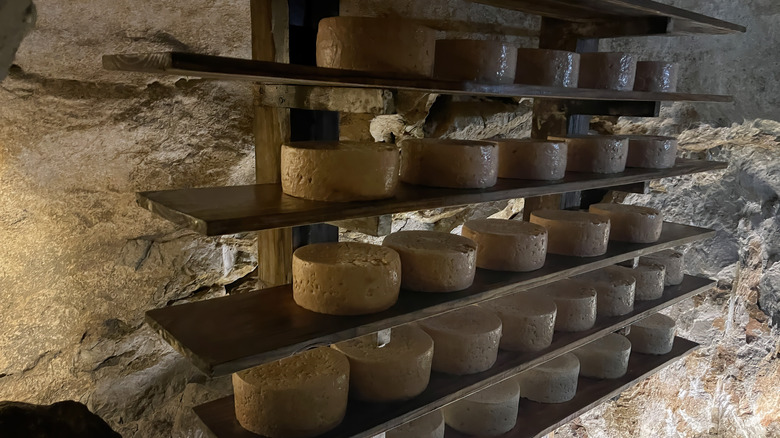
Cheese caves are naturally-created or man-made spaces that offer the ideal ventilation, temperature, and moisture levels for aging cheese. This encourages the microbial activity necessary for the development of unique flavors. Natural caves located in Italy, France, Switzerland, Spain, and elsewhere in Europe have been used to age cheese for centuries. Springfield, Missouri, is home to a government cheese cave developed from natural limestone mines.
You can find modern cheese caves at Wegmans as well as Caputo's Market & Deli in Salt Lake City, Utah and Murray's Cheese in New York City. The kinds you encounter today are much more high-tech and were carefully designed to recreate the natural conditions offered by natural caves. They feature separate climate-controlled rooms with sensors that alert staff to any fluctuation in temperature or humidity levels, and robust ventilation systems that facilitate each cheese variety's natural aging process.
Cave-aged cheese is valued because the slow ripening process develops complex and intense flavors and unique textures. As bacteria breaks down the fats and proteins in the dairy, and mold and yeast grow, the cheese forms its own distinct aroma, taste, appearance, and texture. The result is a food that delights all of the senses.