

This Popular Restaurant Chain Started In The Mid-1960s And Only Has Under 80 Locations Left. What Happened?
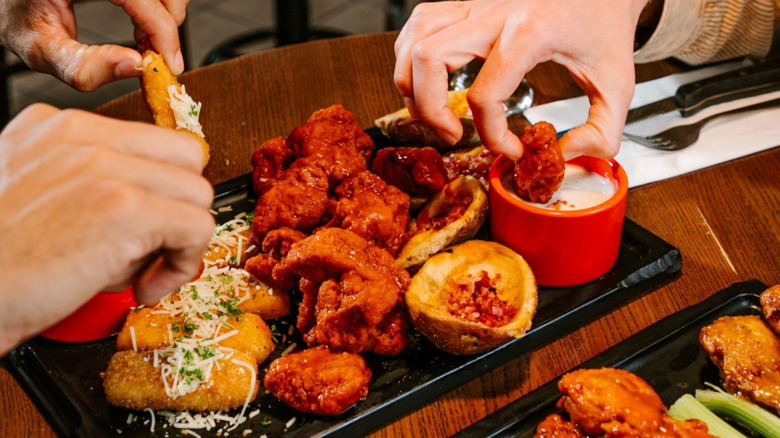
Many chain restaurants come on strong, peak, and then slowly disappear, but it's still a shock when a brand that was at the center of food culture for decades shrinks to nothing. Still, that has become an increasing possibility for many restaurants in the struggling casual dining industry. Buca di Beppo and Red Lobster went bankrupt in 2024, Hooters did in 2025, and plenty of big names like Denny's, Applebee's, and Outback Steakhouse are in decline. But no other chain restaurant has fallen as far in recent years as TGI Fridays.
Many of those shrinking big names still seem unlikely to close completely, as Chapter 11 bankruptcy is sometimes just a bump in the road for restaurants. However, TGI Fridays looks to be in dire trouble. Founded in 1965, at its peak in the 2000s, the casual bar and grill had around 600 locations nationwide. At the end of 2025, the brand had less than 80.
That's not just a big decline from the 2000s, but a huge drop from the 270 individual TGI Fridays locations at the beginning of 2024, and even the 133 it had when it filed for bankruptcy just before 2025. While most of those recent closures were the result of the company declaring bankruptcy in 2024, the brand had been declining for years. For a restaurant that once defined the whole idea of casual dining, this is quite shocking. So, what went wrong?
TGI Fridays went from hot New York singles bar to mass-market chain
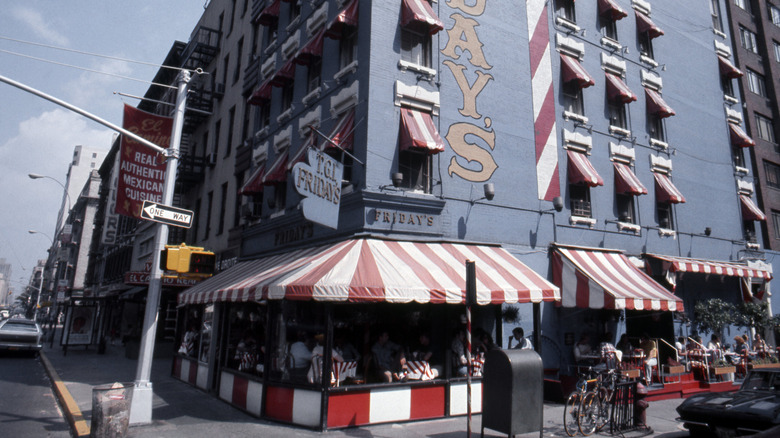
It almost seems crazy now, that in the 1960s you could get rich off an idea as simple as, "What if there was a bar for women?" That was the entire original idea behind the first TGI Fridays in the Upper East Side of Manhattan. The man behind the idea was Alan Stillman, a perfume salesman who had no restaurant experience. In the '60s, bars were still mostly considered dingy, smoky places for men to socialize, while women primarily did their drinking at cocktail parties hosted at home. Stillman specifically set out to design a place that was bright and colorful, to attract single women in the neighborhood. It worked wonders. Women lined up around the block, and within a year, TGI Fridays was already spawning imitators.
That wasn't the chain's only innovation. It also emphasized fun, colorful cocktails, something that would become a staple of casual dining. TGI Fridays was a place where young people could hang out, drink a sugary beverage, and meet others their own age, something that was sorely lacking at the time. Within a few years of opening, more locations were sprouting up in places like Memphis and Dallas. A few years after that, copycats like Ruby Tuesday and Bennigan's began to appear. Stillman sold the restaurant in the '70s, and in the '80s, it followed its original young urban clientele to the suburbs, morphing into the more family-friendly chain we know today.
TGI Fridays fell out of step with the times
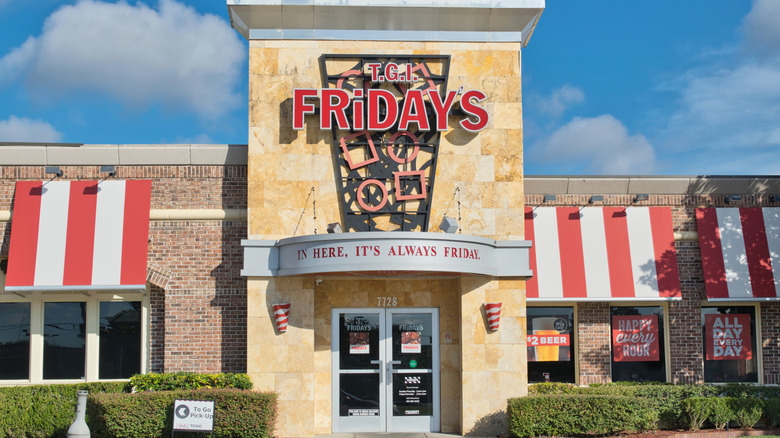
While Fridays was still a business success well into the 2000s, the shine was off. By then, the chain had been fully corporatized, with food quality sacrificed as meals shifted from fresh to premade, with soup that came in bags. The craft cocktail explosion made the sugary, premixed drinks at Fridays unfashionable. TGI Fridays' decor and workplace soon became a cultural punchline, with movies like "Office Space" and "Waiting" mocking the faux-fun atmosphere.
TGI Fridays' growth stopped, but after the 2008 financial crisis, it began its decline. Sit-down restaurants struggled in the next decade, and TGI Fridays closed 200 stores. Declining sales meant less money to invest in training staff and making food, compounding the feeling that something special had been lost. In 2016, a brand refresh stripped the chain of its "flair," turning TGI Fridays into just another casual dining chain in a crowded field. But when the COVID-19 pandemic hit, scuttling plans to take the company public, 70 more stores closed.
Since then, it's been all downhill. TGI Fridays has tried menu updates, including adding sushi, but that didn't work. In 2023, it lost two CEOs in only two months, and in the year leading up to bankruptcy, its sales declined 15%, a massive drop. This year, it overhauled its food offerings yet again, changing the bulk of the menu. Maybe this will be the one that fixes Fridays', but for now it looks like a company flailing to find anything that will save it.