

Vintage Fried Foods You Rarely Find Anyone Eating Anymore
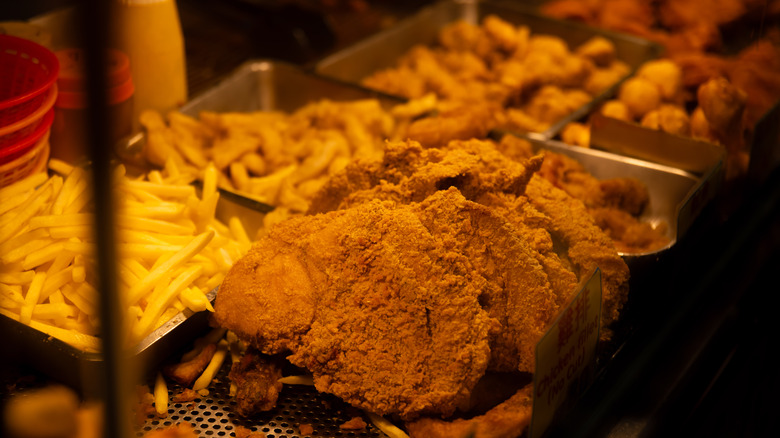
Fried food is a big deal in the U.S. In Arkansas, fried pickles are all the rage, and in Idaho, it's all about the French fries. If you're in Kansas, there's a good chance you'll come across chicken-fried steak, and in Kentucky, of course, you can't miss fried chicken. Basically, if it's fried in oil, there's a good chance Americans will enjoy it. And let's be honest, they're not alone. In Scotland, people even fry Mars bars.
Enjoying fried food is, of course, nothing new, but the exact ingredients have changed a little over the years. How often do you come across fried porcupine? How about fried squirrel? Or maybe pan-fried liver? These fried foods have fallen out of favor in modern America, but they used to be pretty popular. Intrigued? So were we. Keep reading to find out more about some of the fried foods you rarely find anyone eating anymore.
Fried cornmeal mush
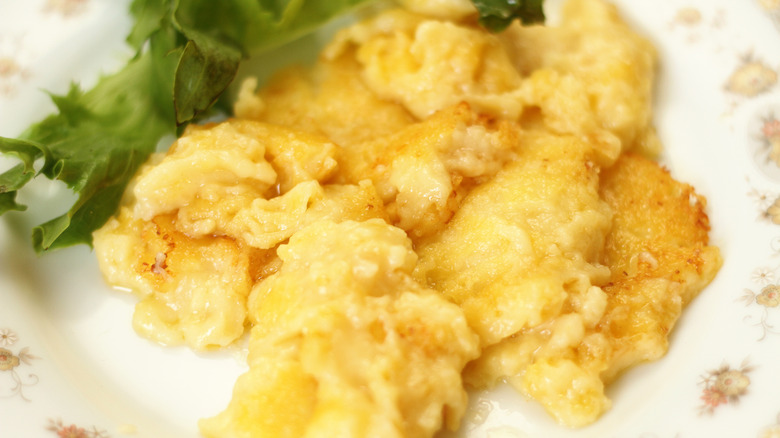
Cornmeal mush is exactly what it sounds like. It's cornmeal mixed with water and salt and heated. When eaten straight from the bowl, the texture is, well, mushy. Cornmeal mush was first eaten by indigenous communities, but it became a staple for many American families during the Great Depression because it was so cheap to make.
Cornmeal mush is an incredibly versatile dish. It didn't have to be eaten from a bowl like cereal, it could also be baked in a loaf pan or fried until crispy. Many people remember their parents and grandparents serving them fried cornmeal mush, even in the years after the Great Depression.
Each family had their own way of preparing fried cornmeal mush. For example, one Redditor remembers their grandmother pouring the mush into a loaf pan, before leaving it to set overnight. In the morning, they'd slice up the loaf and fry the slices, before serving them with a generous drizzle of maple syrup. Others used to enjoy fried cornmeal mush with grated cheese or scrambled eggs, while some would eat it for dinner with leftover meat.
Fried porcupine

Porcupines are pretty widespread across the U.S. In fact, the American porcupine species lives in most states, from Alaska to Ohio, and it's present in most of Canada, too. If you happen to come across a porcupine, it's generally advised to marvel at its super sharp quills from a distance. Hunting porcupines for meat isn't unheard of and is legal in some states, but it's not that common, with most modern day hunters opting for big-game, like elk or deer.
However, eating porcupine used to be far more common in the U.S. Because the animals are relatively small, they were pretty easy to catch. Research suggests that for that reason, they would often be eaten in poorer communities. While the meat would be roasted or broiled, many would remove the liver and fry it. One recipe from 1900, for example, advises readers to kill porcupine humanely by shooting it in the head, before frying the skin and the liver with bacon.
Fried Spam
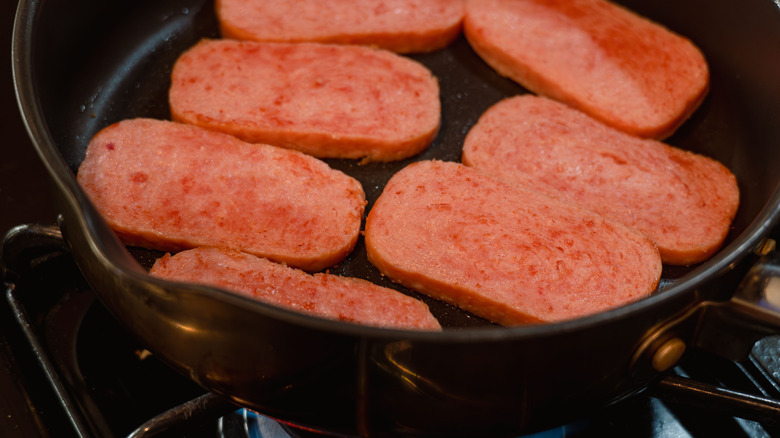
Spam was a big deal during the Second World War. Created by Hormel Foods, it first hit the shelves in 1937, and, because it was shelf-stable, affordable, and accessible, it quickly became highly sought after by families. There are many ways to prepare Spam, which is made with pork, ham meat, salt, water, potato starch, sugar, and sodium nitrite. But during the war, Spam fritters were particularly popular, especially in the U.K.
To make Spam fritters, people would simply combine the canned meat with flour and water and then fry it in a large frying pan with plenty of dripping. Then, they would serve it alongside mashed potatoes or eggs. Serving fried Spam with eggs was also popular in the U.S. One recipe from Hormel, for example, advised serving sliced, fried pan with fluffy scrambled eggs. Another recipe from 1943 advises people to fry thick spices of Spam for dinner, before serving with baked potatoes and lima beans.
Fried quince
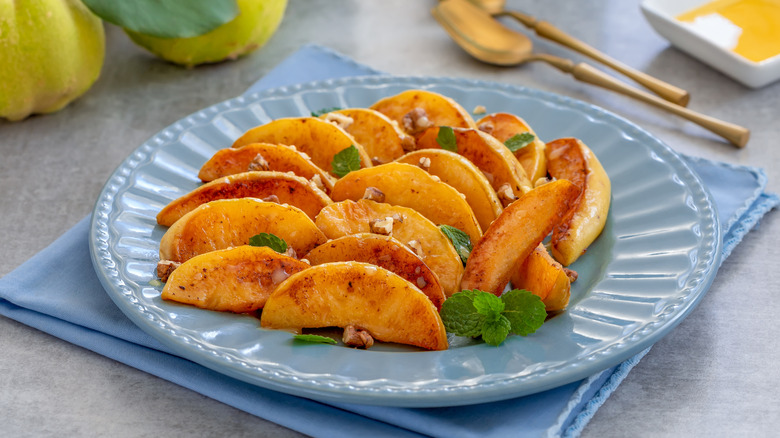
If you want to eat like a 16th century European, we have a suggestion: Head to the farmer's market, buy some quince (the fruit is in season during the fall months), take them home, slice them up, and fry them. Yep, research suggests that fried quince might have been eaten a fair amount in the 1500s.
For example, one recipe in the 1547 German cookbook "Kuenstlichs und Nutzlichs Kochbuch" (which is one of the earliest known German cookbooks) instructs the reader to cut up large quinces into thin slices, remove the core and seeds, and then fry them in fat over hot coals for an hour. When they become soft, the quinces are then coated in a batter of wine and sugar, and fried again.
Another recipe, created by 16th century countess Philippine Welser and published in her own personal cookbook, is similar, however the batter is slightly different. Instead of just wine and sugar, Welser apparently opted for a mix of flour, sugar, salt, beer, vanilla extract, and lemon zest to fry her quinces.
Fried squirrel
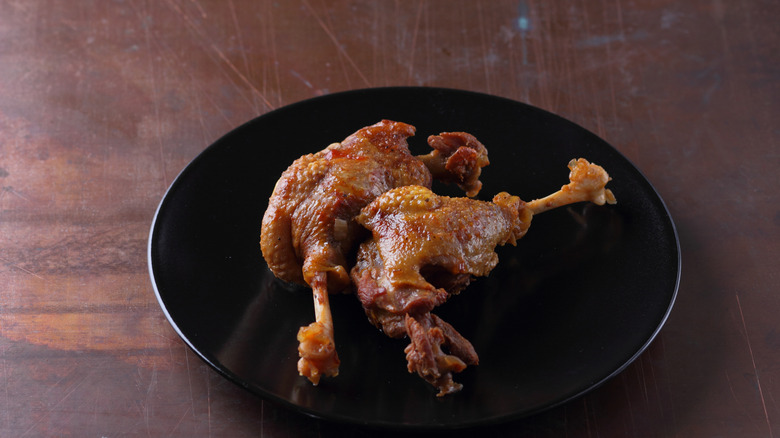
Without a doubt, chicken is currently the most consumed meat in America. But it hasn't always been this way. In fact, in the early 20th century, chicken meat was seen as more of a delicacy than a staple. It might seem difficult to believe now, but there was a time when squirrel meat was more accessible to American families than chicken — especially if you had someone in the family who could hunt.
One Depression era recipe, for example, instructs the reader to make a squirrel stew with salt pork, beans, and vegetables. But many swear that fried was the best way to eat this small game animal. Some even remember eating fried squirrel meat for breakfast. Another vintage recipe describes cream-fried squirrel, which is basically boiled squirrel added to a frying pan with lots of heavy cream. Another recipe from 1950 is similar to fried chicken, and advises covering pieces of squirrel meat with salt, pepper, milk, and flour, before dropping them into a pan of hot fat.
Green corn fritters
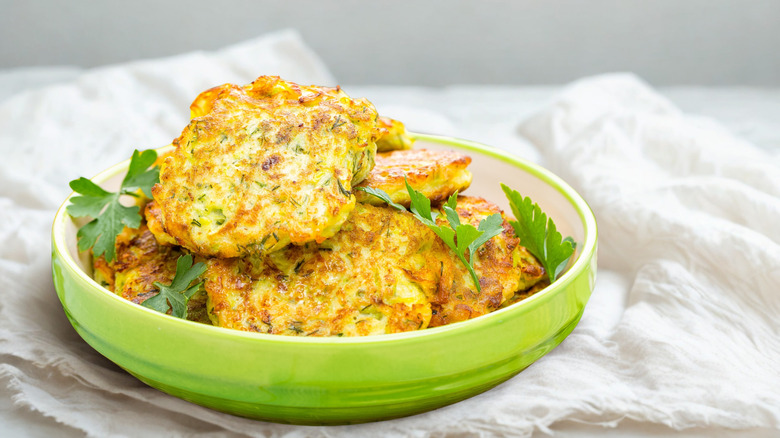
Many vintage recipes call for green corn, but there is some debate over what that actually means. Some believe that it refers to unripe corn, which may have been picked prior to ripeness because of incoming bad weather. Others, however, maintain that green corn simply refers to corn on the cob. Either way, one dish that was seemingly frequently made with this ingredient was a green corn fritter.
One recipe from the 1949 edition of "The Joy of Cooking," for example, encourages home cooks to mash up green corn before combining it with eggs, flour, baking powder, and nutmeg, and then frying it all until brown in a skillet. Another recipe from 1934 is similar, but includes Nucoa in the batter. Nucoa was basically margarine, made with a mix of coconut oil and milk. After frying, the recipe recommends serving up the green corn fritters with a drizzle of maple syrup.
Pan-fried liver
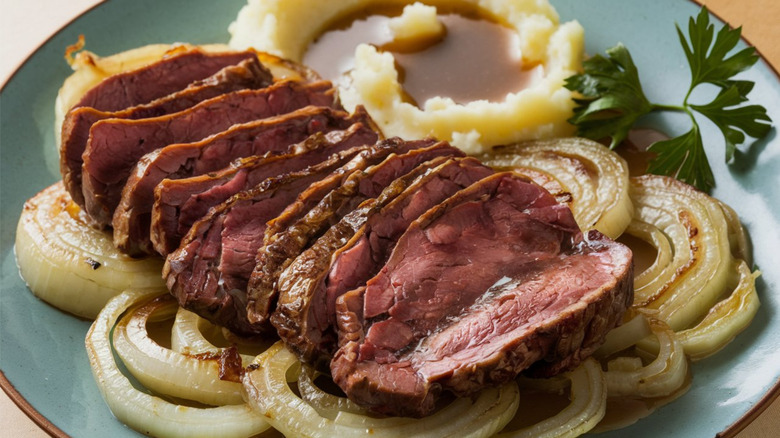
While some still choose to eat them, organ meats like liver fell out of fashion decades ago. However, similar to squirrel meat, they used to be a staple. Organ meats were particularly common during the Great Depression and the Second World War, but after this, many people stopped eating them as much. Americans, understandably, wanted to forget the horrors of war and poverty, and so many stopped eating the foods that they associated with them.
But when organ meats were in fashion, one popular way to eat liver was fried in a pan with onions. Some would serve it with rice, grits, and thick gravy, while others would opt for mashed potatoes, cornbread, or cooked greens. The type of liver would also vary. Some preferred pan-fried chicken liver, for example, while others swore by beef liver. There is a slight taste difference between the two. Chicken liver is milder and a little more gamey in flavor, while beef has a stronger, more intense savory element to it.
Armour Corned Beef Hash
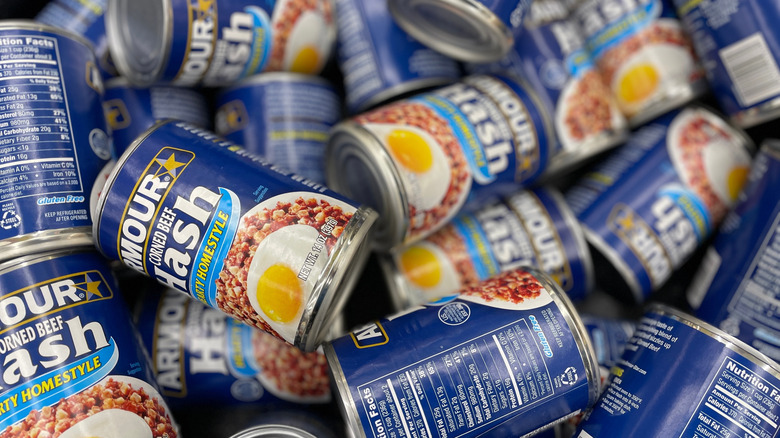
Corned beef has been around for centuries. In fact, it has roots that stem all the way back to 17th century Ireland. That's why, in the present day, corned beef is usually eaten on St. Patrick's Day. But corned beef, which is basically salted beef brisket, used to be more of a staple in American households.
Corned beef became a go-to affordable food during the war and the Great Depression. And by the 1950s, canned Armour Corned Beef Hash, specifically, was a breakfast classic. Made with beef, rehydrated potatoes, and flavoring, some would fry it and enjoy it with eggs or toast, while others might opt for onions and bacon fat.
Others would also use Armour Corned Beef Hash to make their own hashburgers. The recipe was simple; all you had to do was tip the beef hash out of the can, cut the roll into slices, and then fry them until brown and pop them in a bun.