

The Best Liqueurs To Pair With Classic Desserts

Whether before or after a meal, I, a mixologist, have always been dedicated to refining my palate in order to create the most consonant flavor pairings. When it comes to matching wine with food, I often employ the concept of terroir and "if it grows together, it goes together" to advise my selection. However, when it comes to enjoying dessert alongside a choice liqueur, the decision gets a little more clinical — and much less intuitive — as both elements share one cloying characteristic: sugar.
By the end of a meal, most people crave something sweet, and the best liqueurs lean into that sensation with sugar, spice, herbs, and fruit. Since pairing a dessert with liqueur invites alcohol to the party, and alcohol helps boost aroma, the pairing means that flavors feel fuller and the overall taste is more expressive. Nutritionally speaking, sugar signals satisfaction to the brain, and when paired with small amounts of alcohol, salivation — and our cravings — can increase, making dense desserts feel lighter and, therefore, easier to enjoy. Plus, dessert and liqueur work well together because they're both built around pleasure, aroma, and a sense of slowing down.
While the classic dessert and liqueur combo may strike some as gilding the lily, these pairings aren't about overdoing it — they're about marking the end of the meal, lingering a little longer, and letting sweetness do its job. Leveraging my expertise as a mixologist, I've hand-picked these pairings for the moment when a classic dessert and a well-matched liqueur are what you crave.
Strawberry cheesecake and Grand Marnier
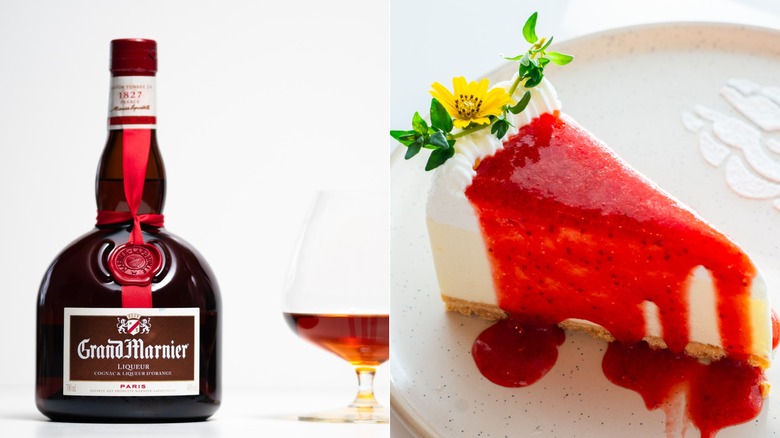
Strawberry cheesecake and Grand Marnier are a classic pairing because their flavor profiles naturally echo and elevate one another. Strawberry cheesecake brings richness from cream cheese, tangy brightness from fruit, and a buttery crust that anchors the dessert. Grand Marnier – an orange liqueur made from cognac and bitter orange — adds warmth, citrusiness, and a gentle bitterness that cuts through the fat and sweetness rather than competing with it.
From a flavor perspective, this pairing works on contrast and continuity. Implementing citrus is a common technique in pastry kitchens to lift dairy-heavy desserts, and the orange notes in Grand Marnier act like a grown-up squeeze of citrus. The cognac-based liqueur also adds oak and vanilla tones that mirror the cheesecake's buttery crust while the alcohol's slight heat sharpens the natural acidity of the strawberry.
In fact, Grand Marnier is frequently used directly in cheesecake recipes, strawberry sauces, and other creamy desserts — especially on French-influenced menus. In drink culture, it's long been positioned as an after-dinner pour, served neat or with dessert for exactly this reason.
Sorbet and Fernet-Branca
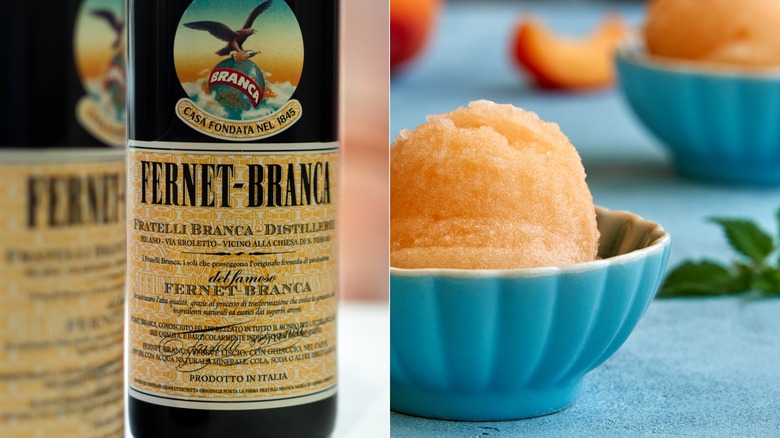
Fernet-Branca and sorbet might sound unexpected, but it's a pairing that's rooted in balance. Fernet – an intensely bitter, herbal, and mentholated amaro — has a long history as a digestif, especially in Italy and Argentina, where it's often consumed after heavy meals to reset the palate. Sorbet, by contrast, is light, cold, and fruit-forward, making it an ideal counterweight to Fernet's intensity.
The pairing works because bitterness and cold both reduce perceived sweetness, while fruit-based acidity brightens herbal flavors. Citrus sorbets are the most classic match: lemon, blood orange, or grapefruit amplify Fernet's botanical notes and echo its medicinal roots without clashing. Berry sorbets also soften the amaro's sharper edges, creating a sweet-bitter push and pull that feels deliberate rather than jarring. For something more adventurous, pineapple or mango sorbet highlights Fernet's minty finish with a tropical contrast, but any store-bought sorbet will do. The result is refreshing, bracing, and surprisingly elegant — a dessert pairing that wakes you up rather than weighs you down.
Crème brûlée and Amaro Nonino Quintessentia
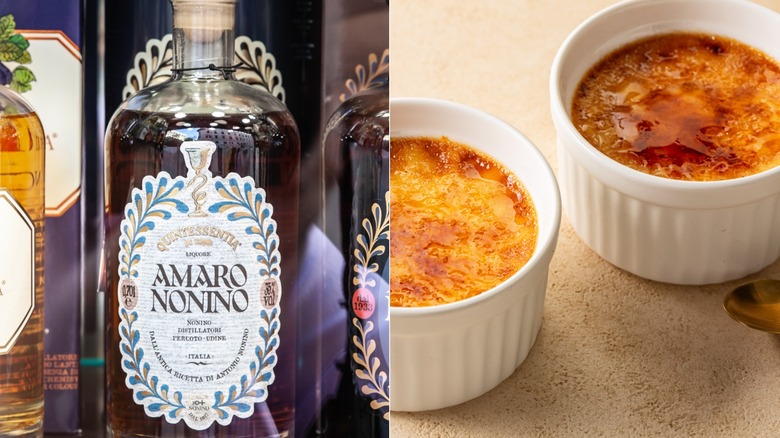
The richness and caramelized profile of a classic crème brûlée are amplified the gentle spice and orange peel aromas of Amaro Nonino Quintessentia without losing its singular, comforting flavor. Amaro Nonino, made from a grappa base infused with herbs, roots, and spices, is a sophisticated blend of sweet and bitter that cuts through the custard's sweetness rather than piling onto it.
Flavor-wise, the success of this pairing hinges on balance. The crème brûlée's burnt sugar top mirrors the amaro's subtle bitterness, while Nonino's citrus and herbal notes lift the dessert in the same way a twist of orange zest brightens the bitterness of espresso. The vanilla-scented custard also softens the alcohol's edge, evolving each sip to taste even rounder and more aromatic. The bitterness helps temper perceived sweetness, preventing palate fatigue at the end of a rich meal and keeping you going back for another bite. Crème brûlée and Amaro Nonino together offer herbal, sweet, and bitter notes in just the right proportions.
Chocolate ganache cake and coffee liqueur
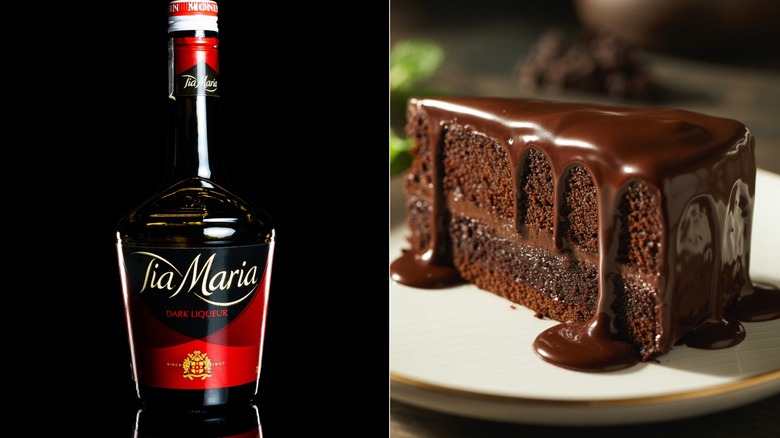
Chocolate ganache cake and coffee liqueur are a natural match because both items are built on the same foundation of bitterness and depth. Ganache is rich and dense, combining dark chocolate and cream into something silky but intense. Coffee liqueur brings roasted espresso notes, subtle sweetness, and warmth that sharpen the chocolate's flavor instead of dulling it.
Pastry chefs have long relied on the pairing of coffee and cocoa — for good reason. A splash of espresso or coffee extract is often added to chocolate desserts to elevate the flavors, and coffee liqueur works the same way. While alcohol lends more complexity, it also helps release aromatic compounds in both the chocolate and the coffee, making the ganache taste darker and more layered.
Classic coffee liqueur options include Kahlúa and Tia Maria, though each brings a slightly different profile. The rum-based Kahlúa leans sweet, whereas the cold brew-derived Tia Maria is lighter in terms of spice and vanilla notes. Whichever bottle you pour, the result is indulgent and balanced — bitter, sweet, creamy, and just boozy enough to feel like a proper ending.
Apple crisp with vanilla ice cream and spiced pear liqueur
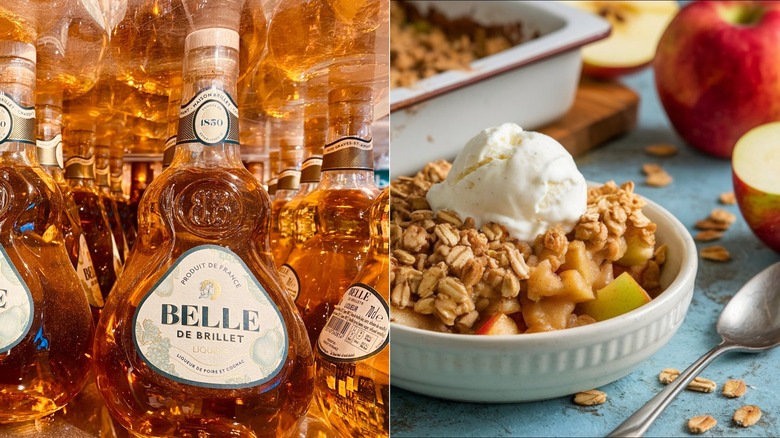
Apple crisp, vanilla ice cream, and a spiced pear liqueur work so well because all three elements live in the same warm, orchard-derived flavor world — just at different volumes. Apple crisp brings baked fruit, butter, cinnamon, and brown sugar notes, while the ice cream cools and softens those rich flavors with cream and vanilla. A spiced pear liqueur slips neatly into the gap, adding fruit brightness, gentle sweetness, and warming spice without overpowering the dessert.
Flavor-wise, pear and apple are close relatives, sharing soft acidity and honeyed notes that naturally reinforce one another. The spices in apple crisp echo the classic aromas in spiced pear liqueur, creating continuity from bite to sip. Vanilla ice cream plays a key supporting role, rounding out alcohol's heat and allowing the pear's aromatics to open up rather than feel sharp.
In restaurant and bar culture, autumn-inspired spirits featuring spiced pear, like Belle de Brillet and Mathilde Poire, often appear as after-dinner pours alongside fruit-forward desserts, especially on fall menus. It's a nostalgic but polished pairing that is evocative of comfort food, but offers a lingering elegance on the palate.
Affogato and limoncello
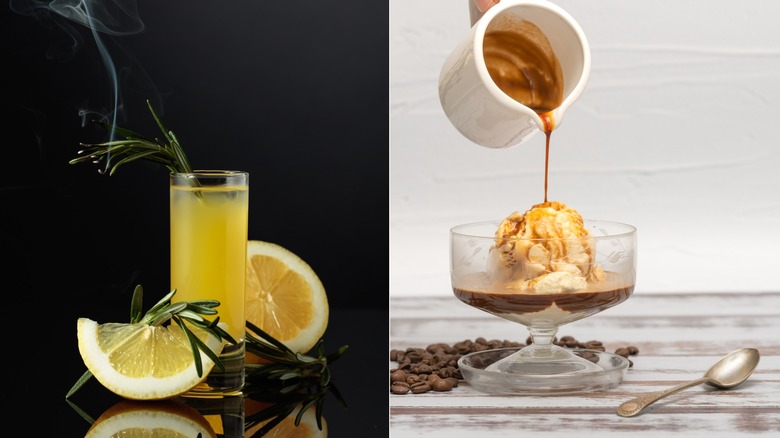
It's no surprise that an affogato and limoncello – two Italian after-dinner treats — would pair well together. The affogato balances richness with brightness in a way that feels effortless, and offers a hot-and-cold contrast with every bite. Limoncello steps in as a palate-lifter, adding sharp citrus, sweetness, and a clean alcoholic snap that keeps the dessert from feeling heavy.
Citrus is a classic counterpoint to dairy, as it cuts through fat and refreshes the palate. As such, the acidity from the lemon highlights the sweetness of the vanilla ice cream without competing with it. The bitterness of the espresso connects naturally with limoncello's slightly pithy lemon oils, making the pairing more fragrant and expressive with each sip.This pairing is just one of many ways to upgrade an affogato without losing its classic appeal.
Sticky toffee pudding and Bénédictine
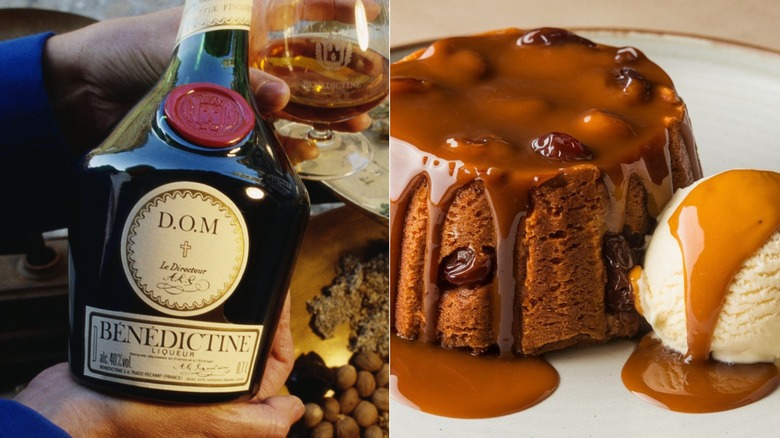
This beloved British dessert and the French herbal liqueur make a natural pairing because both lean into warmth, sweetness, and layered spice. Sticky toffee pudding, flavored with dates, brown sugar, and toffee sauce, is a dense and comforting classic. When enjoyed alongside Bénédictine, an aromatic blend of 27 botanicals, honey, and baking spices, the impact on the palate is all about resonance and contrast.
The pudding's molasses-like sweetness mirrors the liqueur's honeyed character, while notes of clove and nutmeg echo the dessert's spiced richness. At the same time, the alcohol sharpens aroma and deepens the cooked toffee taste, while the liqueur's herbal bitterness keeps the combination from becoming cloying. Sticky toffee pudding and Bénédictine is an indulgent pairing that's deeply sweet, gently spiced, and perfectly suited to a slow, lingering finish.
Tiramisu and Licor 43
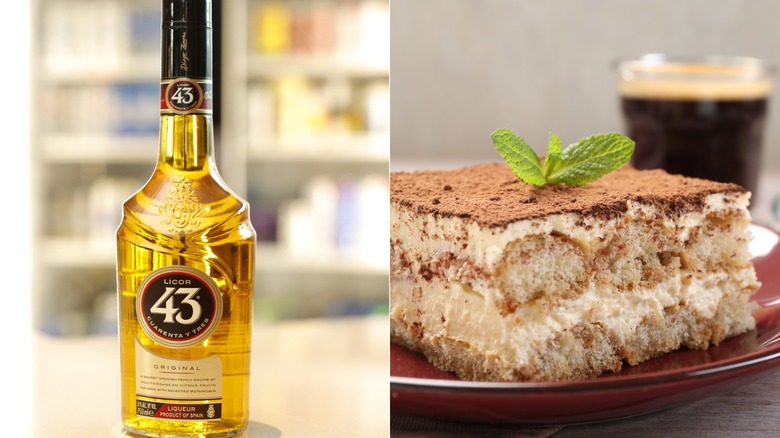
Despite their different approaches, tiramisu and Licor 43 share a core set of flavors: coffee, vanilla, cream, and warm spice. Built on espresso-soaked ladyfingers, rich mascarpone, and cocoa, tiramisu often includes a splash of alcohol itself, traditionally Marsala wine, which already opens the door to pairing with spirits and liqueurs.
Licor 43, a Spanish liqueur made from citrus and vanilla with a blend of botanicals, leans sweet but aromatic, with vanilla as its defining note. That vanilla sweetness slides naturally into tiramisu's mascarpone layer, amplifying the richness without overwhelming the coffee bitterness. Coupled with citrus and spice for added lightness, Licor 43 keeps each bite of tiramisu from feeling too heavy while heightening aroma and deepening the rich cocoa and coffee taste. Together, tiramisu and Licor 43 make for a cohesive and indulgent pairing that blends coffeehouse comfort with a refined, classic dessert.
Baklava and ouzo
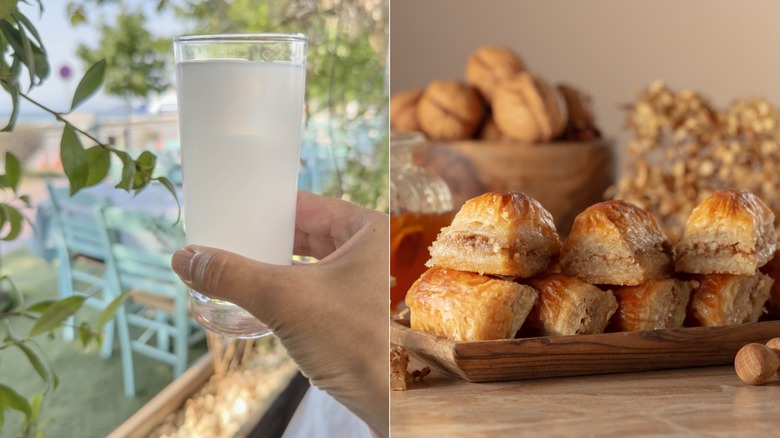
Baklava and ouzo, both staples of Greek cuisine, make for a bold, high-contrast match, where saturated sweetness meets piercing anise and alcohol heat. Baklava brings layered textures and deep caramelized flavors, while ouzo contributes aromatic lift and palate-cleansing power.
Baklava's distinct character is defined by crisp, buttery phyllo wrapped around finely chopped nuts, usually walnuts or pistachios, bound together in a sticky syrup flavored with citrus and warm spices. That dense sweetness lingers on the tongue, creating a rich, nutty, and perfumed dessert. That boldness is precisely why ouzo makes an appropriate partner, as baklava's slow-building weight can easily overwhelm a subtler drink. Ouzo, by contrast, is defined by its anise profile and leans into herbaceous, licorice-tinged notes with significant alcohol heat. Ouzo is best when diluted with water or ice, as it softens the texture without diminishing its aromatic intensity.
Together, the pairing works because the nut and honey depth of baklava gives ouzo a flavorful stage to play against, while ouzo's anise and alcohol cut through the syrup and reset the palate. When treated with restraint, the pairing makes for an opulent after-dinner experience that is all about small bites and sips.
Pecan pie and Frangelico
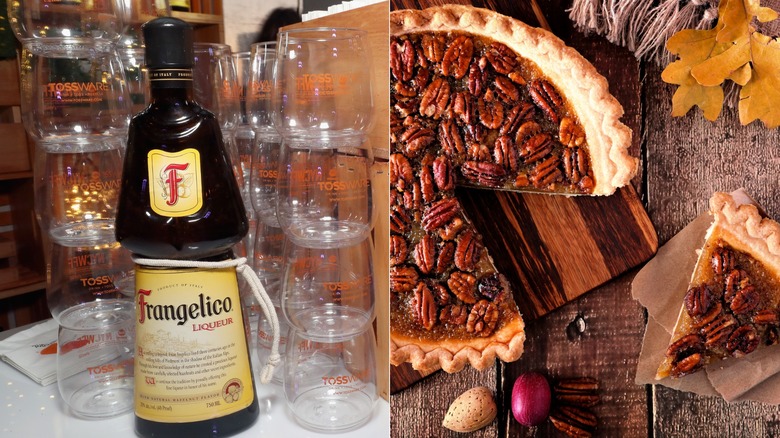
This deeply complementary pairing between pecan pie and Frangelico builds on shared flavors of toasted nuts, caramel, and warm sweetness. The match feels luxurious, with just enough contrast to keep each bite and sip engaging.
Pecan pie offers a flaky, buttery crust and a dense, sweet filling. Its gooey, caramel-like layer boasts concentrated roasted pecan flavors and intense sweetness. However, the slightly bitter edges of the pie keep its flavor from tasting too cloying.
Frangelico boasts a similar flavor. Thesmooth and slightly viscous Italian hazelnut liqueur has moderate sweetness and relatively soft alcohol flavor. When enjoyed together, the echoes of roasted nut aromas, notes of vanilla and cocoa, and subtle herbal undercurrents abound. When it's sipped alongside pecan pie, Frangelico extends the dessert's flavors and adds a refined, nutty undertone to each bite.