

The Beer Produced In Pittsburgh's Oldest Brewery Was Once Crafted To Abide By 16th-Century Bavarian Laws
The contemporary craft beer market produces hundreds of different styles. Perusing the most popular beers at your typical brewery, you'll see such an array of ingredients and flavors that you may be surprised to learn there was ever a law limiting beer's recipe to strictly water, hops, and malt. Many of the best beers for those with a sweet tooth, for example, incorporate everything from marshmallows to chocolate bars. But such a beer law did in fact exist — in Germany, where it's more common for breweries to still honor it. It's far less common for an American brewery to do so, which is exactly what makes Penn Brewery in Pittsburgh special.
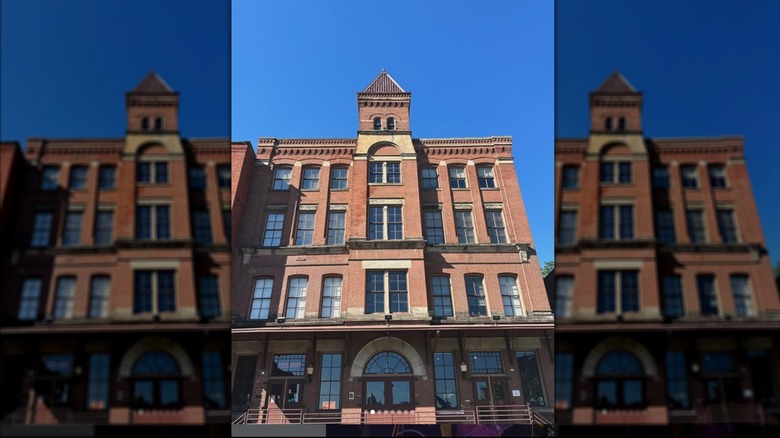
This law was called Reinheitsgebot, or the German Beer Purity Law of 1516. It began in Bavaria as the government sought to establish quality control for beer-making and a system for taxing it. The ruling declared beer's only allowed ingredients were water, hops, and malt — people were still unaware of yeast's role in fermentation then; it was later added. In modern times, Reinheitsgebot has become more of a cultural symbol than an actual law, with German brewers proudly demonstrating the complex flavors they can produce without adding anything beyond those four ingredients. Pittsburgh's Penn Brewery took up this challenge when it opened in 1986 specializing in German beer styles. Penn operates in a building that has been used a brewery since 1848, making it Pittsburgh's oldest brewing operation — history and tradition are clearly part of this brewery's recipe.
How Reinheitsgebot fits Penn Brewery's own history
Restricting your ingredients according to the Reinheitsgebot is no easy task. But creating a varied menu of delicious beers without any bell-and-whistle ingredients makes a brewery's efforts all the more impressive. While many American breweries end up sticking to hops, malt, water, and yeast without an intentional connection to the law, the way Reinheitsgebot shaped German brewing culture explains many differences between German and American beer. Brewing according to this law is daunting, but it makes perfect sense given Penn Brewery's German-centric history.
Penn Brewery's building was once the home of Eberhardt & Ober Brewing Company. The Eberhardt and Ober families had settled what was known as the "Deutschtown" neighborhood on Pittsburgh's North Side. Various breweries consolidated and came and went in this iconic building until 1952. Then, in 1986, Penn Brewery revived the site's vital history within Pittsburgh and German brewing traditions — traditions like Reinheitsgebot, as well as German beer styles served alongside German fare like spaetzle, schnitzel, and sausages.
In recent years, Penn Brewery has broken its exclusive commitment to the Reinheitsgebot in order to brew a chocolate milk stout, a cream ale with tangerine and vanilla, and a pumpkin ale. The Bavarian purity law can indeed prove tricky to abide by when you're a 21st-century American business trying to serve many different tastes. But rest assured you'll still find traditional German brews repping Reinheitsgebot, from bocks to pilsners.