

7 Mistakes Everyone Makes With Aluminum Foil
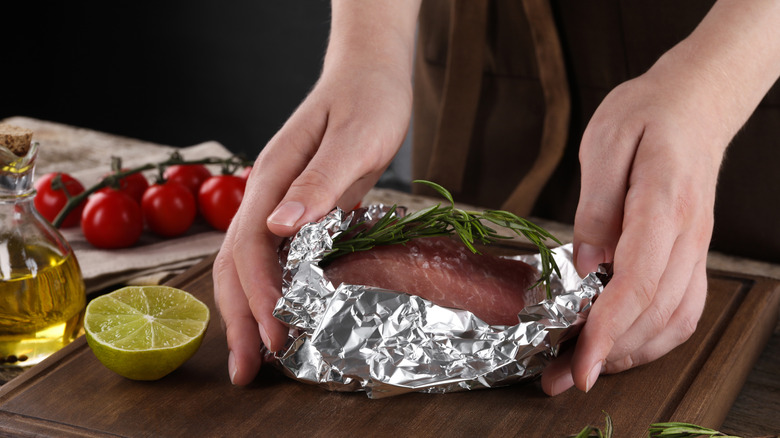
Aluminum foil is often referred to as tin foil, which is a misnomer. Specifically, the term is a holdover from over 100 years ago, when foil was in fact made of tin. Aluminum foil took over by the middle of the 20th century, but the old name stuck. Now there are countless aluminum foil brands, and it's the kind of product that is so ubiquitous and essential that you don't even think about just how useful it is. You probably have a roll of it in your kitchen, tucked not that far out of reach right now.
Something so widespread and used for so many things is bound to end up with some misconceptions attached to it (for one, did you know you can put aluminum foil in the microwave?). It's also going to have some uses that people do not know about. Aluminum foil may keep your messes and spills at bay, but you are probably still making some mistakes in how you use it. Here are the ones you should avoid.
Thinking there is a right side up
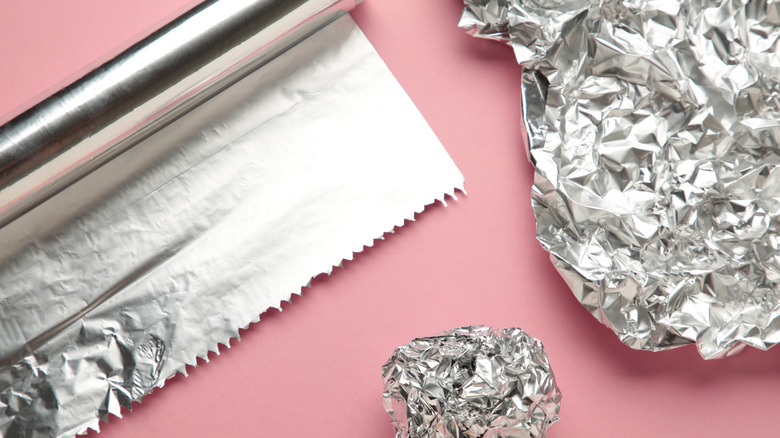
Many home cooks believe there is a "right" and "wrong" side of aluminum foil: The shiny side should touch the food, while the matte side should face down. The truth is, it does not matter at all. The appearance discrepancy between the two sides is simply a result of the manufacturing process: two super-thin pieces of rolled aluminum are pressed together to reach the desired thickness, producing a shiny side and a duller side. The exception is non-stick aluminum foil, which has only one non-stick side.
Even though all regular aluminum foil has two interchangeable sides, this misinformation persists. Is it from some old cookbook or TV special that recommended one or the other? Confusion around the non-stick foil variety, or some innate, instinctual understanding that shiny equals good? The answer to that is uncertain — we can leave that question for the cultural anthropologists among us — but rest assured that there is no functional difference between the two.
Using it as a lid
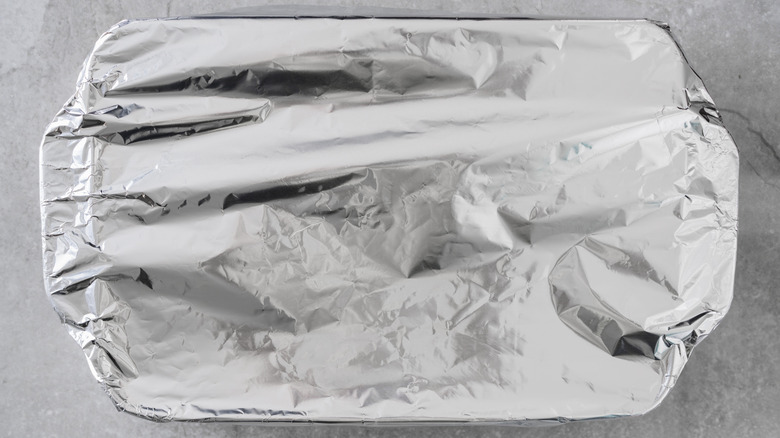
It's one thing to cover your mac and cheese with foil to prevent early browning, but it's never going to work as well as a real lid. There are a few reasons for this. For one, aluminum foil does not retain heat as well as a pot lid, meaning that it won't help your food cook evenly. It's also prone to small tears and holes, especially if you are taking it on and off a pot, as you would a real lid. While it may cling to the rim of a cooking vessel well, it doesn't create a tight enough seal to keep in as much liquid as a real lid would. All these issues are especially impactful when you are cooking something for an extended period, such as during a braise.
A tin foil topper is a fair swap in a pinch, and you don't need to stop covering your casseroles in foil for a quick bake. But you may want to ditch the tin foil and opt for a real lid instead.
Baking with it
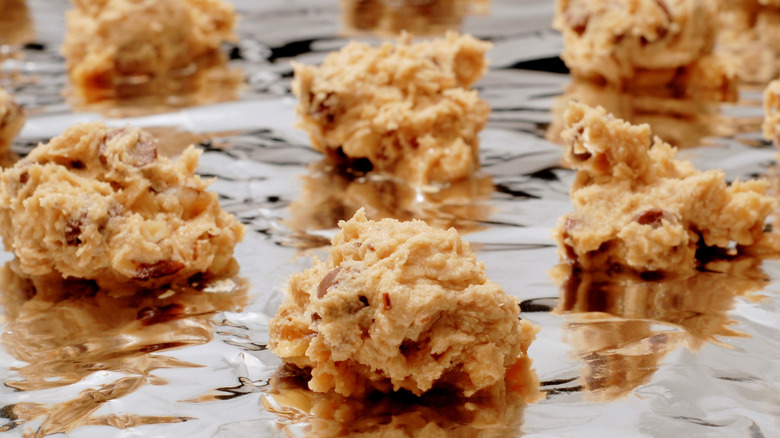
Foil is a wonderful conductor of heat. This makes it perfect for all kinds of applications, but it makes it a very poor choice when making something like cookies or scones, which need to brown and cook evenly. Aluminum's high conductivity will cause the bottom of your baked goods to brown too quickly, meaning you could end up with treats with a burnt base and an undercooked top.
Plus, if you aren't using a non-stick variety of tin foil or forget to spray the pan, there's a good chance you'll end up with foil stuck to the bottom of your cookies, especially because it rips even more easily than parchment paper. It's best to stick with parchment paper, a silicone baking mat, or a well-greased pan before you start your bake-off.
Covering the bottom of your oven with foil
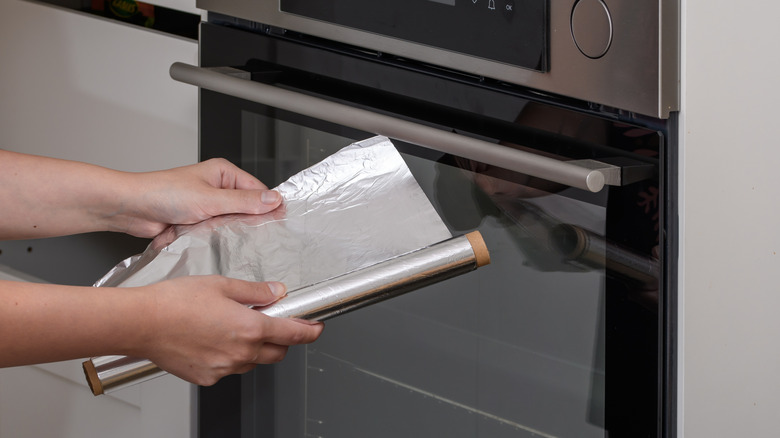
Lining the bottom of the oven with tin foil has been a life hack since before the term "life hack" existed. There are few kitchen chores more groan-inducing than scrubbing out the bottom of a crusty, ash-filled oven. Aluminum foil has, for decades, seemed like a great solution. Effortless cleanup of a spatter- and crumb-prone oven? It's almost too good to be true.
Well, it turns out it is too good to be true. In fact, it's a bad idea for a whole host of reasons. For one, it prevents heat from distributing evenly, resulting in unevenly cooked food. It can also block vents that are vital to airflow and sensors that regulate oven temperature. Beyond that, aluminum foil can melt onto the oven itself. There are plenty of ways to use aluminum foil, but this ain't one of them.
Not using it as a cooking vessel
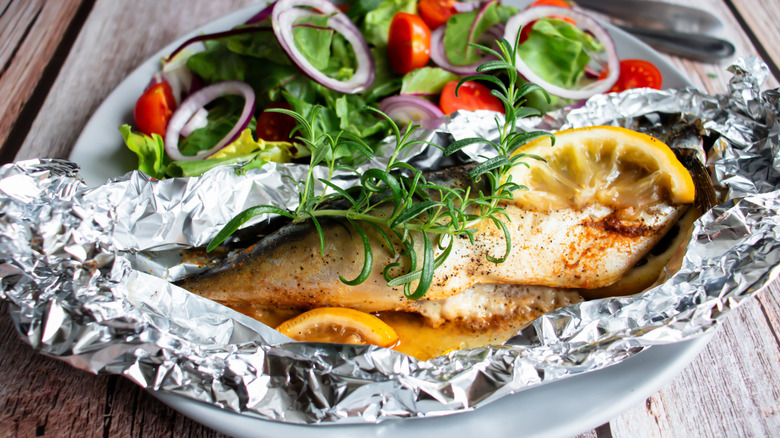
Tin foil can do more for you in the oven than cover the bottom of a pan or top a casserole. Take, for example, the moment a Reynolds Wrap sales rep wrapped his Thanksgiving bird in tin foil, cementing the company's fledgling product, which was primarily utilized to line packages like cigarette boxes, would become a kitchen staple.
Take a cue from this pioneering Reynolds employee and use this kitchen workhorse as a cooking vessel. Cook vegetables, proteins, and herbs wrapped in foil packets in the oven or on the grill. Wrap a clove of garlic in foil and roast it in the oven for golden, soft cloves. Roll the aluminum into thin, long pieces to mimic a roasting rack that will keep your meat off the bottom of the pan. If you can shape it, you can probably make it.
Thinking it can only be used for food
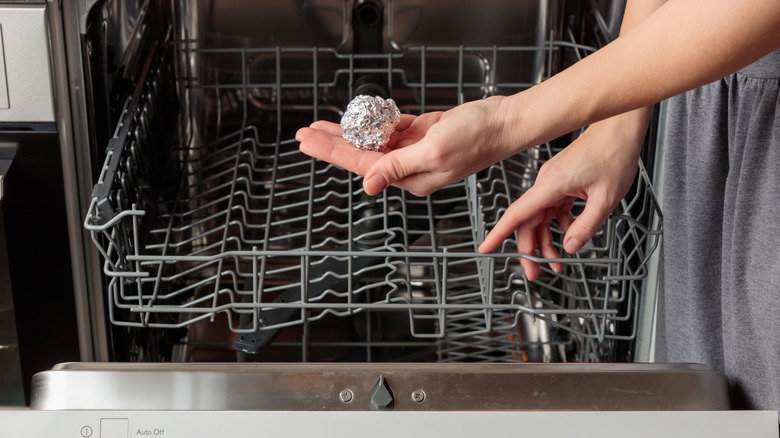
No, it's not just kitchen hack clickbait. Aluminum foil was not initially invented for food or cooking, so why relegate it to that use only? There are plenty of other uses for it. Scrunch a sheet of foil into a ball. Now you have a powerful cleaning tool; it can polish silverware and replace steel wool pads for scrubbing stubborn dishes.
Scrub down the rusty items in your garage with foil to bring them back to life, or fold a flat sheet of foil over itself a few times and cut it with scissors; it'll sharpen the blades. These are just a few of the small miracles that tin foil can perform without even coming near your food. And yes, it's pretty great for making a last-minute robot costume on Halloween.
Not being aware of its risks
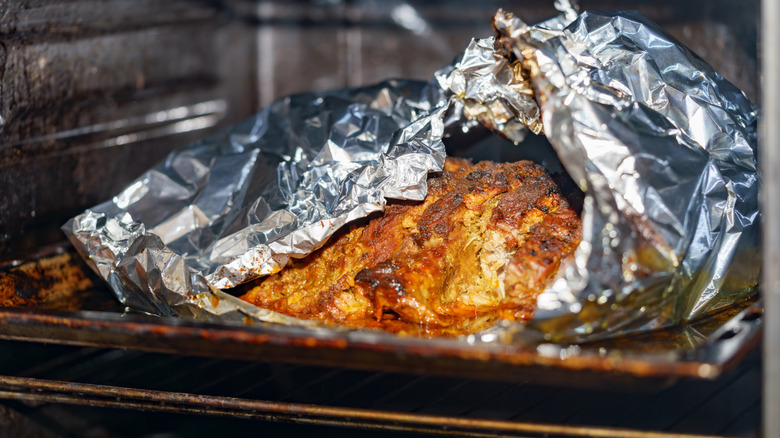
First things first, aluminum foil is not inherently bad for you. Aluminum is the third most abundant element in the Earth's crust; it is in the soil, water, and air, so we ingest it in all kinds of ways all the time. For the average person, the amount of aluminum consumed from foil is not a concern. That said, individuals with certain health conditions or personal preferences may want to be aware of aluminum leaching into their food. This can occur when the foil is heated to high temperatures or comes into contact with highly acidic or salty foods in tin foil, such as tomatoes or heavily salted meat.
Aluminum foil has been used safely in kitchens for over a century, so there's no need to get too stressed about it. But knowledge is power, and it's essential to know the ins and outs of anything you are using to cook or store food.