

10 Everyday Grocery Items That Are Completely Different In The UK Vs The US

The U.K. and the U.S. are two countries known for their love of comfort food, and the grocery shopping habits of Brits and Americans aren't all that different. In the States, there's demand for everything from fresh produce and pantry staples to processed convenience foods and sweet treats, and it's a similar story across the pond. However, there are some notable differences between certain products. Often, it's a simple case of the same items having different names. For example, zucchinis are known as courgettes in the U.K., and British biscuits would be classed as cookies in America. In other cases, there's more to it, and everyday grocery items that seem familiar can look and taste entirely different when purchased on the other side of the world.
Some of these differences come down to distinct formulations and the way each manufacturer sources ingredients, while others lean into national taste preferences and cooking styles. Regulations often come into play too, with recommended processing methods differing between the two countries. Due to these various factors, two versions of the same product may offer a completely different eating experience. So, if you're planning a trip, or perhaps you're an expat who's been wondering why your go-to groceries don't quite taste the same, this handy guide might just clear up a few things.
Chocolate
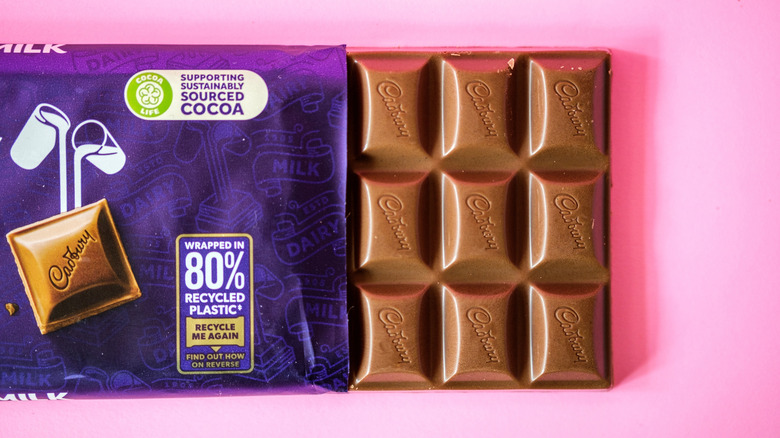
Brits have some pretty strong opinions about what makes a good chocolate bar, and the market leader in the U.K. is the classic Cadbury Dairy Milk. The smooth, melt-in-the-mouth squares are loved for their rich, creamy taste, which can be attributed to the bar's notably high milk content. But, pick up a Cadbury bar in the States, and you'll be met with an entirely different product. Because the American version of Cadbury chocolate is manufactured by Hershey's, the recipe is not the same as the one used in the U.K. While the primary fat source in American bars is cocoa butter, British versions also feature vegetable oils and boast a higher fat content overall. A Dairy Milk bar purchased in America is also higher in sugar. Many deem British bars superior, claiming that the American counterpart is more crumbly and bitter tasting.
As well as producing Cadbury products, Hershey's of course has its own line up of iconic chocolate bars in the States. You'll find the classic Hershey's Milk Chocolate bar and Hershey's Kisses in pretty much every grocery store, and these are firm favorites for many Americans. Flavor-wise, these products are very different than European chocolate, offering a much sweeter, and slightly tangier profile. Some also describe the texture as firmer and waxier than the more soft and melty British chocolate. But, Hershey's is clearly doing something right, because it continues to dominate the U.S. chocolate market. It seems that we simply have different taste preferences than our friends across the pond!
Sausages
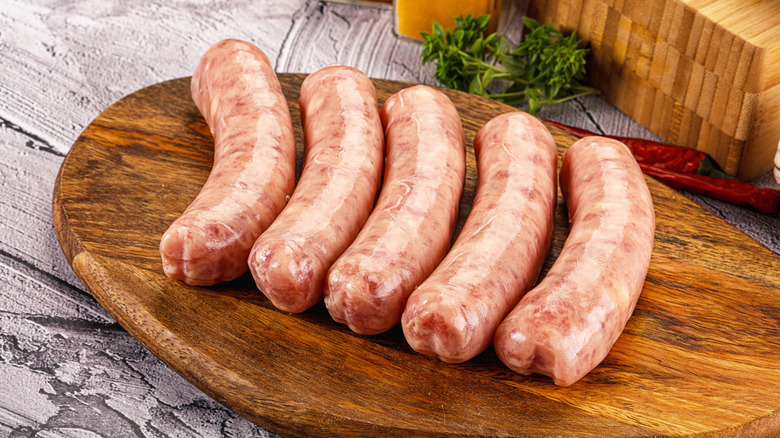
While they're a staple in both countries, American and British sausages are slightly different. What Brits would consider as a classic sausage is typically made with pork and a blend of herbs like sage, nutmeg, and white pepper, plus some form of filler (often starch or flour). These sausages are subtly seasoned to let the rich, savory flavors of the meat shine. They have a firm yet succulent texture that crisps up beautifully when cooked. Sausages are often the star ingredients in comforting dishes like bangers and mash or toad in the hole.
In America, you'll find a wider variety of boldy-flavored options, with pork remaining a popular choice. Smoky bratwursts are a top pick, as are andouille sausages, which are often heavily seasoned with garlic, paprika, and black pepper. Italian sausage is especially versatile, available in mild, sweet, and hot varieties, with fennel often contributing to its signature flavor profile. Then, we have the beloved breakfast sausage, with its softer texture and herb-forward taste. This variety typically contains sweeteners and more fillers than British pork sausages.
Something you're unlikely to find in American fridges is blood sausage, but in the U.K., it's a different story. Black pudding, which is made with pigs blood, fat, oatmeal, and various seasonings, is an essential element of a classic full English breakfast for many Brits. The thick sausage is generally sliced into rounds and pan-fried, bringing a deeply savory taste and crisp texture.
Cream cheese
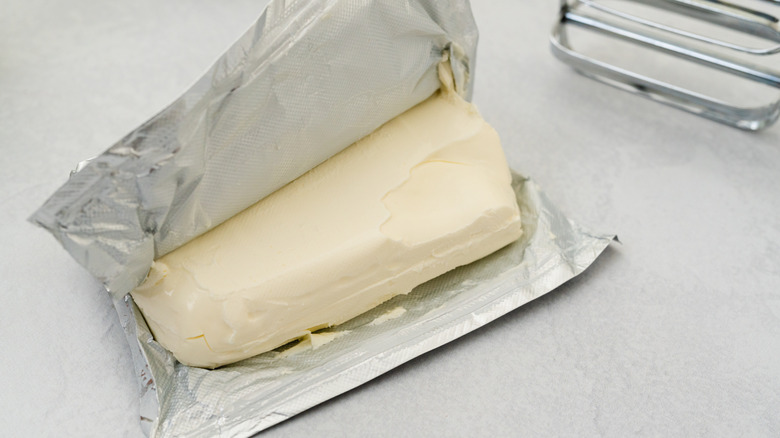
Cream cheese is a key component in a whole host of sweet and savory recipes, bringing a moreish creamy texture and tangy taste. However, it's one more product that'll vary depending on where you buy it. The biggest distinction comes down to form. In America, those firm, foil-wrapped blocks of cream cheese, which often require softening prior to use, are widely available and commonly used in cooking and baking. In the U.K., however, this block-style version is far less common. Most cream cheese is sold in tubs and possesses a softer, spreadable consistency. Americans also have access to tub cream cheese but get the privilege of being able to choose between the two varieties, depending on how they intend to use the product.
The looser consistency of tub cream cheese can be attributed to its higher moisture content. Differences in processing methods also make this variety lighter and less flavor-rich than its tangier, smoother block-style counterpart. If you're blending cream cheese with other ingredients, the textural differences between the two versions likely won't be that noticeable. However, when it comes to recipes such as no bake cheesecakes or cream cheese frosting, where it's vital that the mixture holds its shape, you might run into some trouble if trying to use the softer U.K. variety. So, make sure to adjust the quantities of other ingredients accordingly if switching between the two.
Baked beans
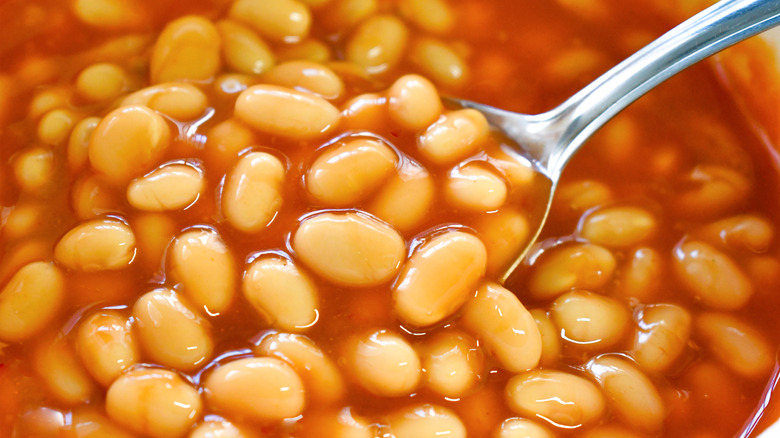
This fiber-rich favorite sits on many pantry shelves in the U.K., and baked beans have long been an American staple too. However, as nations, we have very different ideas of what this grocery item is. The famous Heinz baked beans are an iconic part of British food culture, often served on toast with a sprinkling of shredded cheddar, or as part of a classic full English breakfast. The haricot beans (aka navy beans) come in a tomato-based sauce with a mild, tangy-sweet flavor. And, other British brands tend to mirror this approach.
Pick up a can of American-style baked beans, and you'll experience something entirely different. While typically comprising of the same hearty navy bean base, the sauce has a much richer, sweeter, and smokier taste. Bacon and barbecue sauce are popular add-ins, while molasses brings deeper, caramelized notes. American beans are also generally cooked for longer, making the sauce thicker. The result is a product that packs plenty of savory depth, and a much more robust feel to the British version.
Home-cooked baked beans are also popular in the States, often prepared in a slow cooker with the classic smoky, savory add-ins. And, while serving them atop toast isn't commonplace, they make a fitting side dish for barbecued meats.
Bread
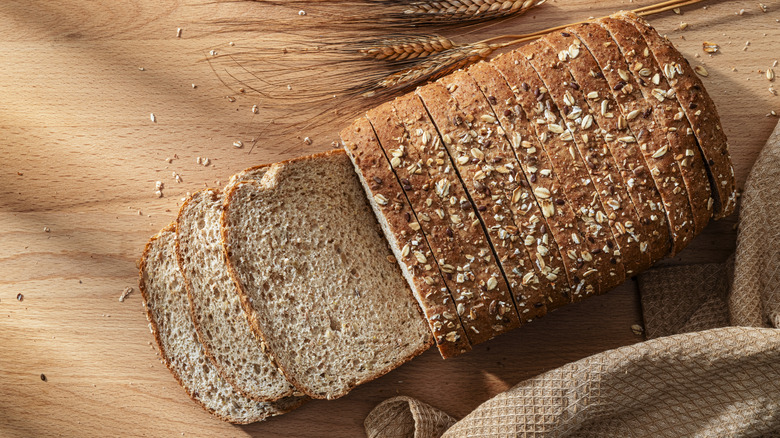
Bread is the ultimate base for piling tasty toppings that's enjoyed on the daily in various corners of the world. You might assume that bread production methods are pretty universal, but a British loaf can be surprisingly different to its American counterpart. Brands like Hovis and Warburtons are household favorites in the U.K. Coming in white, brown, and seeded varieties, these offer a soft texture, while being dense enough to house a generous stack of sandwich fillings. British bread tastes mild and wheaty, with a predominantly savory flavor overall.
American bread, on the other hand, has a significantly sweeter taste. And, when you compare the sugar content of an average loaf from each country, it's easy to see why. The ever-popular U.S. brand, Wonder Bread, contains a whopping 50 grams of sugar per loaf. This is more than double what you'd find in a typical British-made version. Of course, this affects the texture of the bread, with American loaves often being drier, less chewy, and sometimes likened to cake by Brits.
You'll also notice that bread made in the U.K. often spoils much faster. This is because it generally contains fewer additives and preservatives, making it more susceptible to mold growth when stored at room temperature. Preservative-laden American loaves typically have a much longer shelf life, and many even contain chemicals that are banned in the U.K. For example, dough strengtheners like potassium bromate and azodicarbonamide are widely used in the U.S., despite evidence suggesting that these additives may be carcinogenic.
Soda
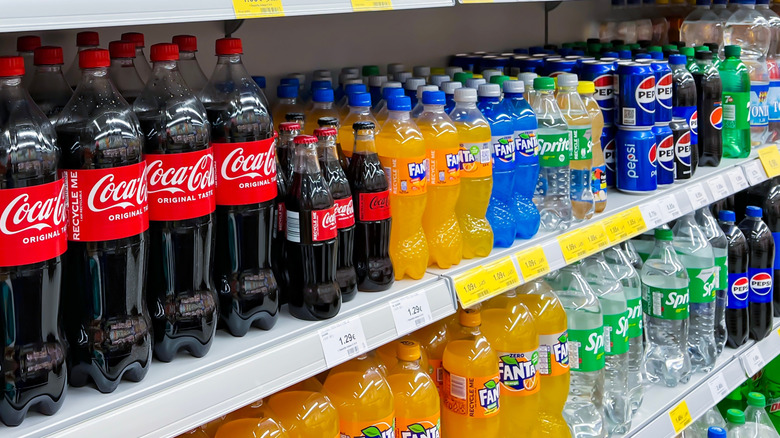
Many of the big-name sodas that Americans love are equally popular in the U.K., but as is the case with many other products in this line up, brands often use different formulations depending on the location of production. One of the main distinctions between British-made and U.S.-made sodas is the sweetness. In the States, drinks like Coca Cola, Fanta, and Sprite are sweetened with high-fructose corn syrup. This gives them an intensely sweet flavor and almost syrupy mouthfeel. Bold colors and strong, artificial flavors are also common themes among American soda products, while British versions often lean fruitier.
British versions of these beloved beverages often contain sugar instead of corn syrup and therefore deliver a more subtle sweetness. Furthermore, in 2018, the British government introduced the so-called sugar tax in a bid to tackle childhood obesity. As a result, many beverage brands reformulated their products with lower sugar levels — another reason why British sodas tend to taste lighter.
Heinz ketchup

A top pick in American and British condiment markets is Heinz tomato ketchup. Whether dolloped over burgers, stirred into marinades, or served with crispy fries, this tangy-sweet sauce is a true crowd-pleaser, but the recipe is once again country-dependent. A bottle of Heinz might look the same on both sides of the world, with that same deep red color and iconic branding, but the flavors are distinct.
Sweetness is a distinguishing factor here, as the U.S. version uses high-fructose corn syrup, which has a notably cloying taste. A British bottle of Heinz ketchup relies on sugar for its sweetness, and the result is a cleaner, lighter flavor, with the savory notes of the sauce getting more of a chance to shine. There are also differences in tomato content. The U.K. recipe uses an impressive 148 grams of tomatoes to make every 100 grams of sauce, but in the U.S., the ingredients list "tomato concentrate". Not only does this make the British ketchup taste fruitier and tangier, but it's a healthier pick too, boasting higher levels of beneficial compounds.
Something else to note is the inclusion of "natural flavorings" in American Heinz. As per FDA standards, this term refers to a vast array of plant- and animal-derived compounds, and it's unclear which ones are featured in the recipe. However, with the British version, you know exactly what you're getting, since all ingredients (which include spirit vinegar, spices, and herb extracts) are listed.
Eggs
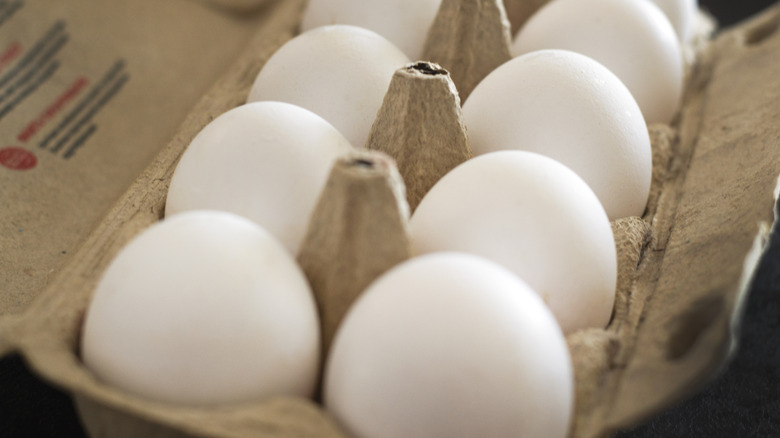
If you live in the U.S., you'll be familiar with heading to the chilled aisle to pick up your eggs, but in British supermarkets, you won't find eggs next to cheese and milk. Instead, they're stored at room temperature. These different storage techniques relate to the way eggs are handled and processed in each country. In the States, the USDA requires eggs to be washed with water at a temperature of at least 90 degrees Fahrenheit, then chemically sanitized before they're sold. However, this washing removes the egg's natural protective cuticle, which increases the risk of bacteria penetrating the shells. Therefore, refrigeration is essential to prevent bacterial growth.
In the U.K., things are very different. In fact, American eggs would technically be illegal here. As per British regulations, eggs are left unwashed, with the goal of preserving the cuticle layer and the natural protection it brings. These rules also encourage farmers to follow strict hygiene standards and ensure careful handling from farm to market. With the shells in their natural state, ambient storage is perfectly safe. Furthermore, the risk of food-borne illness from salmonella is greatly reduced in the U.K., since chickens are routinely vaccinated against this specific type of bacteria. Any egg marked with the British Lion stamp has come from a vaccinated hen, making it safe enough to consume raw if desired.
Chips/crisps

Chips, or crisps as they're known in the U.K., are another everyday grocery item that often takes a different form in each country. These crunchy snacks are typically made from potatoes or corn, and come in various shapes, sizes, and flavors, but there are some key factors that distinguish British and American offerings.
Doritos, a popular brand in both countries, are made with dyes that give each tortilla chip its distinct orangey hue. The U.S. manufacturers use artificial coloring to get this effect. These aren't typically used in British versions, as regulations favor natural dyes and place tighter controls on certain additives. British Doritos are also made with non-GMO ingredients, unlike the American chips. The contrast continues with Lay's and Walkers (which are owned by the same parent company). In the U.K., some Walkers products contain a salt substitute called potassium chloride, though you won't find this in Lay's. This chemical is considered safe in small quantities, but it can cause heart problems if consumed in excessive amounts.
The choice of flavors on offer also highlights differences in British and American taste preferences. Using Lay's and Walkers as an example, American shelves often feature boldly seasoned options like Cheddar Jalapeño, Sweet Southern Heat Barbecue, and Dill Pickle. Meanwhile, Brits gravitate towards more classic savory staples. Think Prawn Cocktail, Sour Cream and Onion, or Salt and Vinegar.
Cheese
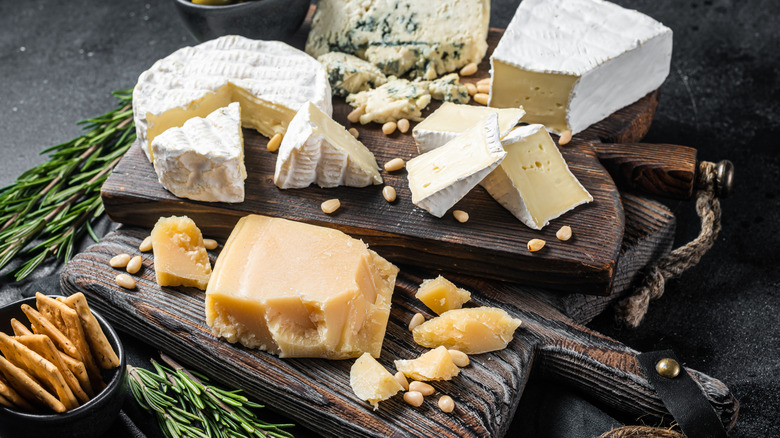
America is a nation of cheese lovers, and this is certainly something Brits can get on board with. Despite our shared passion for this trusty fridge staple, consumers have different preferences when it comes to selecting a prime wedge, block, or slice.
Classic American cheese is a favorite in the States, providing a mild, creamy flavor and smooth texture that melts effortlessly. It's made by blending several varieties (such as cheddar, Colby, and curd cheese) with various additives like water, salt, emulsifiers, and flavorings — some formulations can contain up to 49% non-cheese ingredients. This highly processed cheese is less popular in the U.K., where whole sections of the dairy aisle are devoted to the nation's favorite — cheddar. Of course, Americans are also partial to a slice of sharp, crumbly cheddar, but British versions of this cheese often possess a richer, more complex flavor, thanks to more traditional open-air aging, and the fact that cows are typically grass-fed rather than grain-fed.
Another key difference between the U.K. and U.S. cheese landscapes is the variety of products on offer. British supermarkets typically stock a wider selection, from classic farmhouse cheddar styles to creamy French Brie and pungent Stilton. There are plenty of regional specialties, too, such as Wensleydale, Red Leicester, and Double Gloucester. On the other hand, American cheese sections tend to offer fewer varieties, focusing more heavily on mainstream options like mozzarella and Monterey Jack.