

10 Vintage Winter Dishes That Deserve A Comeback
Winter can be a hard time for many people. The long, dark nights and cold temperatures can make getting out of bed more difficult, there's no doubt about it. But one thing that's arguably always worth getting up for, even in the winter months, is tasty, hearty comfort food.
Over the years, people have created many different recipes that provide nourishment and warmth during the coldest season. Even in times of hardship, like during the Second World War, home cooks were creating winter classics. In fact, there are plenty of vintage winter dishes that seem to have been lost by the 21st century but still deserve a place on your table today.
Intrigued? Keep reading to find out more about some of the vintage winter recipes that we believe deserve a comeback. From vegetarian pies and hamburger soup to cheesy casseroles and pasta, there's something to suit every palate. After just a few bites, you'll start to think, "Maybe winter isn't so bad after all." Or, at the very least, this food will help tide you over until spring.
Baked custard
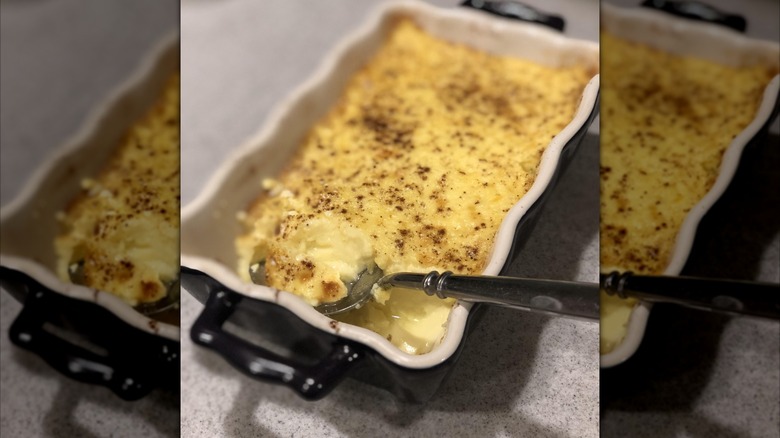
Custard has long been a winter staple, especially in England, where it has been eaten since at least the 1500s. It makes sense that the creamy, egg-based dessert comes from the United Kingdom, where winters are notoriously bleak, wet, and gray. Warm custard is the perfect antidote, with its velvety, indulgent consistency. But there is something arguably better in winter than classic custard, and that's baked custard.
One 1950s recipe, hailing from New Brunswick in Canada — also known for being extremely chilly in the winter months — describes how to make baked custard cups with eggs, warm milk, sugar, salt, vanilla, and nutmeg. The cups are then topped with cream or maple syrup before serving, depending on your preference. Many Americans also remember their parents or grandparents making baked custard for them when they were children. Old-fashioned recipes for the sweet treat often feature comments from those who are thrilled to find something that tasted just like their childhood. Others say they use the recipe to make baked custard for their elderly friends and relatives, to give them a little taste of winters gone by.
Olla podrida
When you think of Spain, many of the images that come to mind probably involve sun-drenched beaches and balmy evenings sipping sangria. But this Mediterranean country isn't always hot; in fact, parts of Spain can get pretty chilly. The average January temperature in the city of Salamanca, for example, is around 39 degrees Fahrenheit. Not freezing, but certainly not warm. That's why, in the past, people needed hearty winter dishes to keep them warm.
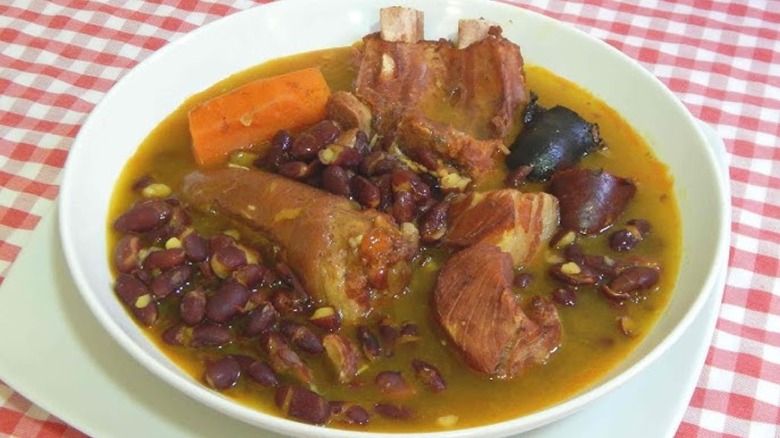
One particularly popular and comforting dish from the Castile region (where Salamanca is located) is olla podrida. The slow-cooked bean stew, which was also beloved in Andalusia, first appeared in a Spanish cookbook in the 1400s, and eventually spread in popularity across the country. Even though its name literally translates to "rotten pot," it's actually quite flavorful. Olla podrida is made with assorted meats, vegetables, beans, paprika, and oregano, and everything is left to simmer for around three hours to allow the flavors to develop. Finally, fried "dumplings" made from egg and breadcrumbs – called relleno — are added to the stew, padding out the dish with extra carbs.
Hamburger soup
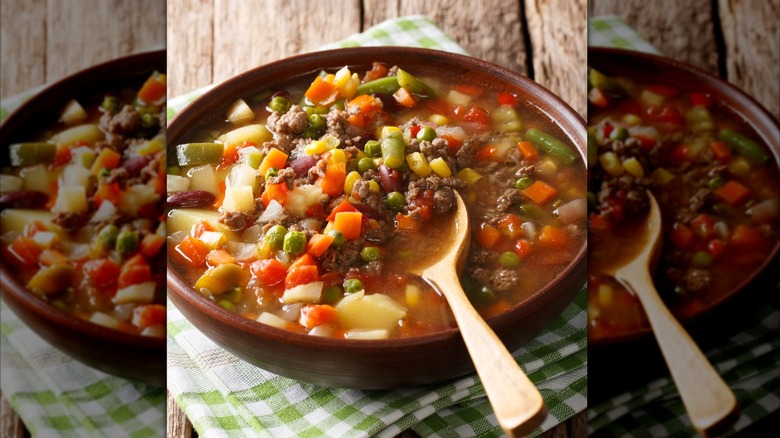
Hamburgers and soup are usually treated as two separate entities. Hamburgers are something you enjoy from a fast-food chain or hot off your grill in the summer, while soup is traditionally seen as a warming winter dish. But these two foods have collided in the past, and hamburger soup was a reliable, staple stew for many families throughout the 1940s and 1950s.
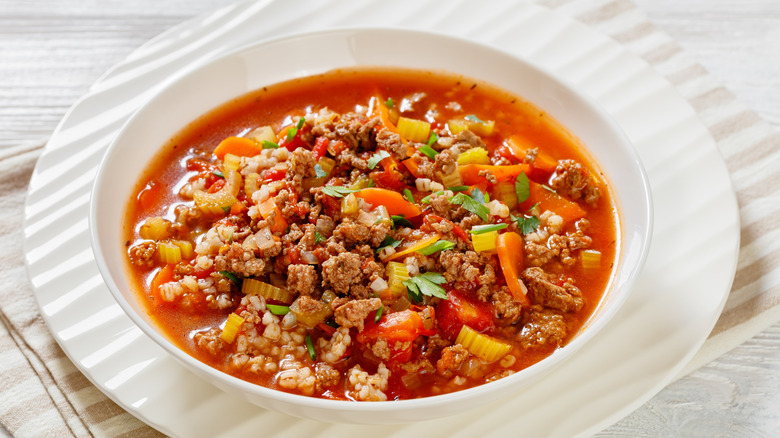
Making hamburger soup is incredibly simple. One 1957 recipe notes that all you need to do is break up some ground beef, and combine it in a cooking pot with onions, celery, carrots, uncooked rice, canned tomatoes, and salt. Bring everything to a boil, let it simmer for an hour, then serve with garlic bread. That's it. One Betty Crocker recipe from the 1960s took things up a notch, with the fictional homemaker guiding readers through how to make hamburger stroganoff. It was very similar to the original dish, but the recipe added a slight gourmet twist by including mushrooms, sour cream, and cream of chicken soup.
Meatloaf with oatmeal

Many people like to serve up meatloaf in the winter. It makes sense, since during the colder months, we all start to crave warmer, heartier comfort foods, and meatloaf ticks all of those boxes — especially when it's served with heaps of creamy mashed potatoes and thick onion gravy.
However, if you want to go old-school with your meatloaf this winter, you should consider making it with oatmeal instead of the classic breadcrumbs. This approach has appeared in many vintage recipes over the decades. One 19th century recipe from the Pleasant Hill Shakers — a religious community who lived in Pleasant Hill, Kentucky, until the late 1800s — involves combining lean beef, eggs, vegetables, and tomato juice with three-quarters of a cup of uncooked oatmeal. Like breadcrumbs, the oatmeal serves as a binder, but it also adds a subtle hint of oat flavor, too. Many modern home cooks who have tried making meatloaf with oatmeal have been impressed with how the grain improves both the taste and texture of the dish.
Mock turtle soup
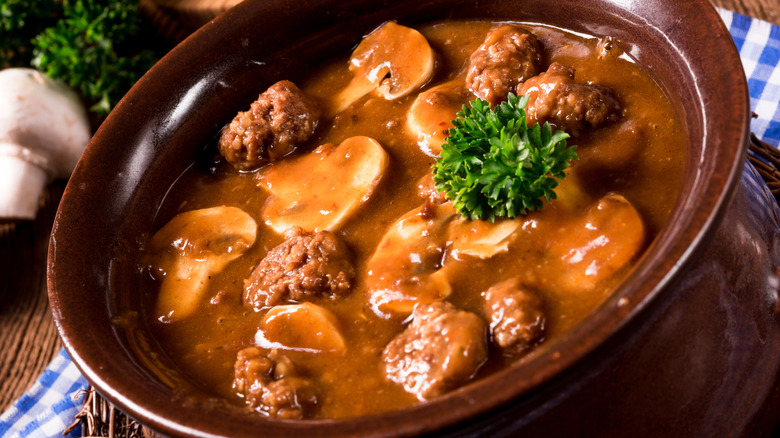
Mulligatawny, Cullen Skink, and oxtail are a few examples of hearty soups that have come out of the British Isles. As noted earlier, winters there are notoriously gray and gloomy, so for centuries, Brits have turned to comforting, nutritious soups for warmth. There was once a pretty unusual recipe in the British broth club: turtle soup. That's right — in the 1700s, sailors really did catch turtles and add them to soup.
The dish became a favorite of the elite, especially as turtles became rarer and more expensive. Most people couldn't afford real turtle meat, but that didn't stop them from indulging in turtle soup. They created a mock version of the dish, which was made with a calf's head instead. Nowadays, most of us would find that ingredient just as off-putting as turtle. Turtles are now considered a protected species and are illegal to consume in most countries, but some people argue that mock turtle soup is still a dish worth enjoying during the winter months. It's traditionally made with ingredients like sherry, butter, lean ham, herbs, mushrooms, but if you don't fancy using a calf's head, you can easily substitute it with ground beef or turkey. Or, you can go full "mock" and make a vegetarian version with jackfruit and wheat gluten.
Cheesy carrot casserole

Cheesy carrot casserole, also known as golden cheese and rice, is pretty much what the title describes. It consists of shredded carrots combined with ingredients like rice, grated cheese, eggs, milk, and minced onions, then baked in a casserole dish. It's a great vintage winter warmer, not just because it's hot, filling, and cozy, but also because carrots are in season at this time of year. That seasonality is why carrots are a common ingredient in cold-weather soups and stews.
Many members of the Baby Boomer generation remember eating their grandmother's cheesy carrot casserole when they were children. Back then, it would typically make an appearance on the Christmas or Thanksgiving table. Some folks still make cheesy carrot casserole recipes that have been passed down through their families over generations. Recipes vary, and some opt for American cheese while others prefer cheddar, but each is just as cheesy, creamy, and comforting as the next.
Lord Woolton's Pie
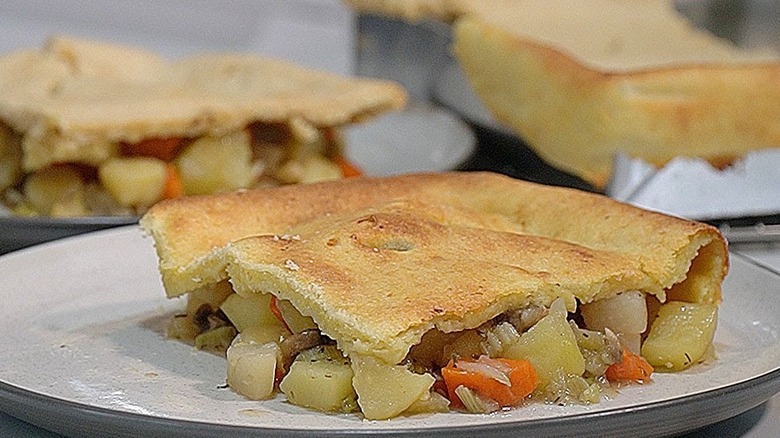
Lord Woolton, the British Minister for Food during the early 1940s, didn't have an easy job. He had to keep the population fed at a time when resources were extremely scarce due to the ongoing Second World War. One way he achieved this was by establishing rationing, but he also helped to popularize thrifty recipes that made use of what was available. One of those recipes was for a dish called "Lord Woolton's Pie," and it still stands up today.
The pie was completely vegetarian – most households didn't have much meat available at the time — but it was substantial and filling. The key ingredients were usually things like cauliflower, swede, carrots, potatoes, and oatmeal. It even included a dollop of savory Marmite spread. Everything would be simmered together to create the filling before being encased in wholemeal pastry (or just mashed potatoes, depending on what was obtainable). Those who have tried recreating "Lord Woolton's Pie" today have praised the amount of vegetables in the dish, although some criticize its slightly bland taste. However, others maintain that the dish is delicious, especially after adding ingredients like cheese, garlic, and herbs for extra flavor.
Pasta e patate
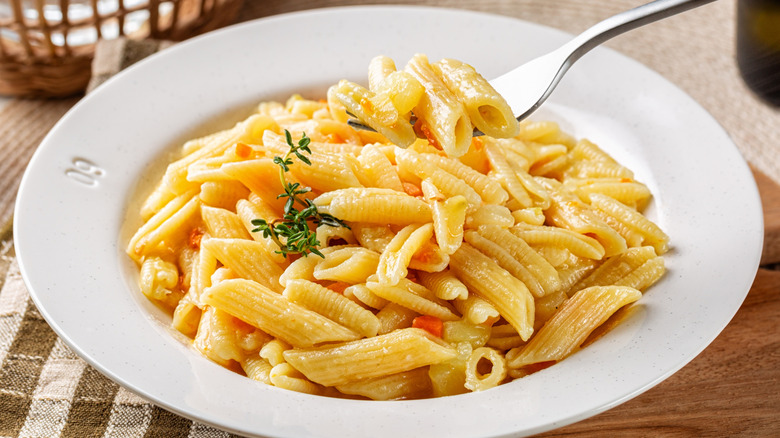
The Italian city of Naples has given the world many delicious dishes. The most famous Neapolitan dish is pizza, of course, but this city is also responsible for crowd-pleasers like spaghetti alla puttanesca and polpette. However, it still gets chilly sometimes in southern Italy, and Neapolitans created another, less-famous dish that's perfect for winter: pasta e patate.
In the 16th century, peasants in Naples were big fans of pasta and potatoes, because they were some of the most affordable ingredients around. They would often cook them in the winter for a carb boost, usually with ingredients like tomatoes, cheese, and any leftovers that needed to be used up. While the dish is incredibly simple, pasta e patate has endured, and many Italians associate it with their grandmothers, many of whom had their own unique takes on the classic recipe. The dish is hearty and versatile, and while it may not be as famous as many other Italian foods, it definitely deserves a place on the table this winter.
Parsnip cakes

In 1902, Adelaide Keen published "With a Saucepan Over the Sea," a cookbook aimed at introducing recipes from around the world to an American audience. That said, the book seemed to focus predominantly on what the poorer communities in Europe were eating at the time. According to Keen, in Britain, this included parsnip cakes. She wrote that while they were made with a simple combination of mashed parsnips, milk, yeast, salt, and flour, they actually didn't taste like root vegetables at all. This was because they were usually baked and then smothered in butter or gravy.
Four decades later, in the 1940s, people were still eating parsnip cakes. This was likely due to the war rationing we mentioned earlier; parsnips were easy to get hold of, because, as a hardy winter vegetable, people could easily grow them themselves. During the war, parsnip cakes were often fried in a pan rather than baked. Those who have tried wartime parsnip cakes today say they hold up pretty well, and are especially tasty when fried in lots of oil and served with cheese or tomato ketchup.
Homity pie
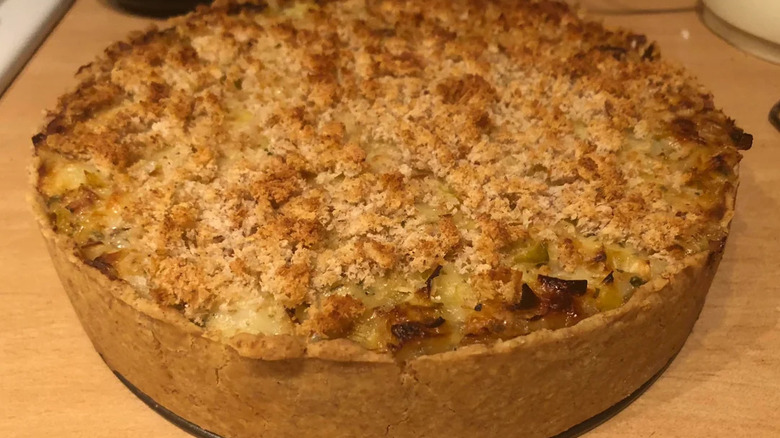
Another hearty winter recipe from the Second World War that arguably deserves a resurgence is homity pie. The dish was slightly similar to "Lord Woolton's Pie" — its creation was influenced by rationing, it was meat-free, and it made use of locally available produce. Traditionally, the recipe calls for potatoes, shortcrust pastry, leeks, cooking apples, garlic, one egg, butter, and a small amount of cheese.
Like the parsnip cakes, many who have tried making homity pie today claim that this hearty recipe stands up. It's the perfect combination of comforting and filling. Additionally, at a time when many home cooks across Europe and the U.S. are seeking frugal recipes to weather the ongoing cost of living crisis, it doesn't require too many expensive ingredients. Another great thing about homity pie is that it's customizable. You can make it vegan, gluten-free, or even add extra ingredients like Marmite, heavy cream, or frozen peas for added texture and flavor.