

What Dietitians Consider As A Complete Meal (Many Home Cooks Miss One Key Part)
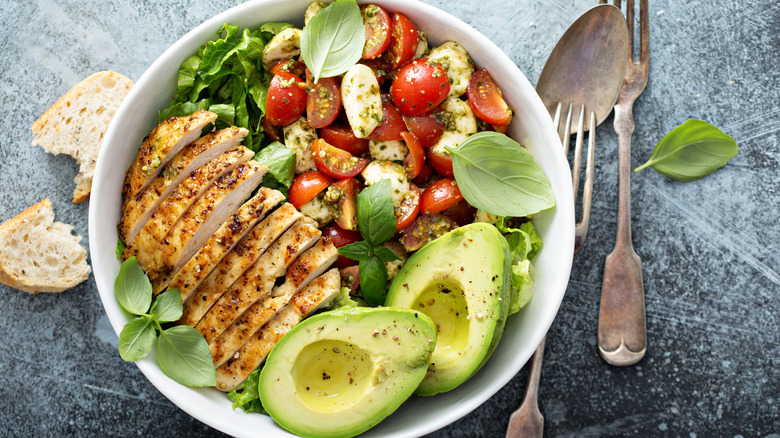
Even with all the information at our fingertips, something as essential as eating healthy can seem like a complex formula to master — but it really doesn't have to be. That's why Tasting Table spoke to Destini Moody, RD, CSSD, LD at Live It Up superfoods, to find out how to easily craft a complete meal. "I always tell my clients that you want every meal to have a protein, a healthy carb, and some sort of fruit or veggie," she said. But according to the nutrition expert, people often leave out the two or three servings of vegetables that make up a complete meal.
Not knowing how to incorporate or add more flavors to veggies sometimes deters people from including them in the first place — missing out on a lot of nutrition benefits, taste, and textural advantages in the process. "The big problem is most people think 2 or 3 servings of veggies are larger than they can manage. Two cups of arugula in your salad, 1 cup of black beans in your burrito bowl, or 12 baby carrots with some hummus for dipping all meet the requirements for a meal," Moody explained, debunking the idea that healthy meals need to be cookie-cutter or one-size fits all.
According to Moody, a healthy, complete meal doesn't always have to look like rotating the same two or three baked salmon recipes week after week. You can spruce up your favorite meals with healthy carbs like sweet potato or add one medium pear to your salad to include more servings of fruits and vegetables in your diet.
Creative ways to make your meals more nutritious
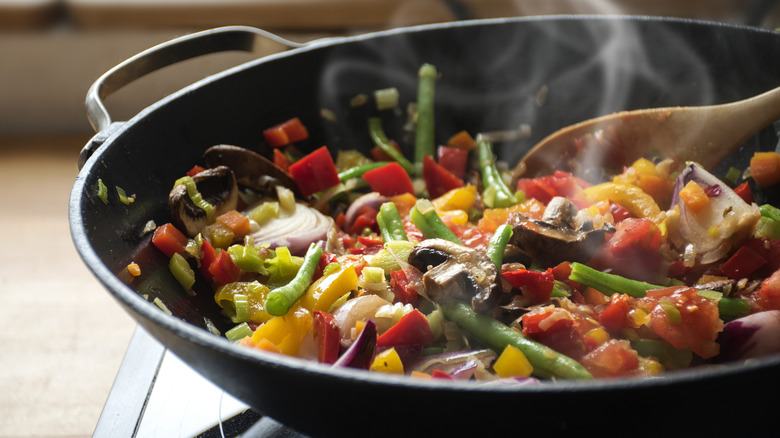
Destini Moody told Tasting Table that, when making a complete meal, "The components matter, but people should know the structure can vary to keep it exciting." Creating complete meals can be as simple as ordering a side of broccolini or Brussels sprouts along with a veggie-less pasta dish at a restaurant to balance it out, the dietician explained. Similarly, you can continue to enjoy the dishes you love at home — just make sure you're adding servings of veggies along with them.
You can easily make average meals more nutritious with creative and small adjustments such as adding relatively neutral-tasting, nutritious veggies to the dishes you already enjoy. Spinach, cauliflower, or peas make an effortless addition in creamy pasta dishes. Similarly, you can substitute half of your regular pasta for veggie noodles or spaghetti squash. Or, if you're more into sweets, try baking with bananas as the binding-agent and sneaking in extra fruits — such as apples, pears, berries, or stone fruits — wherever you can.
Cooking complete meals with plenty of veggies doesn't have to be boring, bland, or strict — and it doesn't have to be expensive, either. You can find affordable, healthy foods in any grocery store. Buy frozen produce for veggies with extended shelf life, and keep dried and canned varieties on hand in the pantry to easily add to bowls or salads. The opportunities are endless, healthy, and delicious.