

8 Signs That A Restaurant Is Actually A Tourist Trap
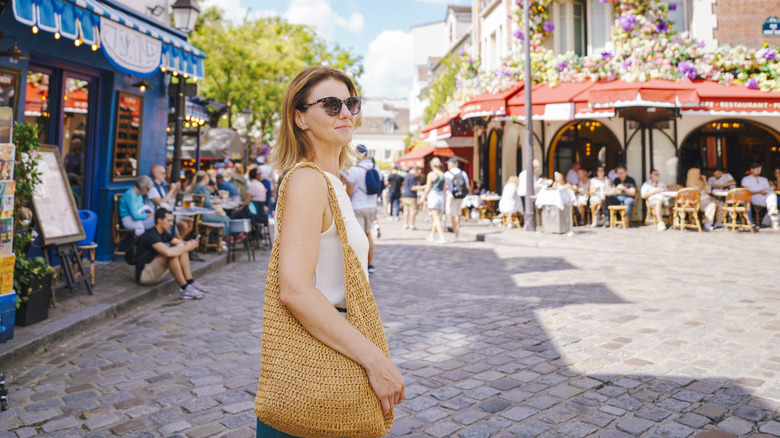
If you've ever wandered into a new city with an empty stomach and a hopeful heart, you've probably found yourself lured toward a restaurant that felt almost too eager to meet you. Maybe the menu gleamed like it had a spotlight above it. Maybe a waiter hustled over before you even crossed the threshold, insisting you simply had to try the house special. Or maybe the whole place was planted so close to a famous landmark that you wondered if the Eiffel Tower or the Colosseum was secretly getting a cut of each plate of pasta sold.
Tourist traps have some sort of sixth sense for sniffing out the hungry traveler who just wants something comforting and traditionally local. And hey, we've all fallen for them. There's no shame in sitting down, ordering something safe, and then realizing halfway through that the food looks suspiciously identical to the photo in the menu, down to the parsley garnish. But after enough lackluster meals, you start to notice patterns.
This is not a guide to shame those places — some are charming in their own chaotic way — but it's to help you spot the telltale signs before you commit your appetite and your travel budget. With a few simple cues, you can skip the traps and find the gems hiding just a street or two away, places that will teach you about the tastes and sensibilities of those who visit daily.
Awfully close to landmarks
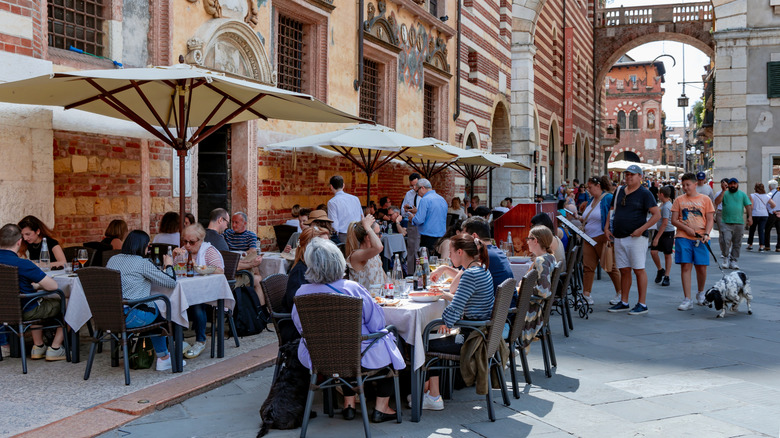
If a restaurant is parked so close to a famous landmark that you could practically lean out the window and touch history, hit the brakes. The best seats come with stratospheric rent, and someone has to pick up the tab (and it's usually you) for a $50+ plate of spaghetti topped with a sauce that tastes like nothing but crushed tomatoes. There's a reason serious travelers will take one look at a café facing a postcard monument and quietly keep walking.
These restaurants thrive on convenience and foot traffic, not repeat customers. Their business model is simple: Catch hungry visitors who've been walking for hours, dazzled by architecture, dehydrated, and a little disoriented. When you've just climbed 600 steps or spent the last hour in a museum maze, the closest table with an open chair starts to look like salvation. Operators know this, and they build their menus and prices accordingly.
That said, proximity doesn't automatically spell mediocrity. Take La Tour d'Argent in Paris, sitting right on the Seine with views of Notre-Dame. It's been serving exquisite French cuisine for over 400 years. Or the literary-inspired restaurant Le Jules Verne, inside the Eiffel Tower itself, which pairs jaw-dropping views with genuinely elevated, high-end dining. The general rule? If a restaurant's biggest selling point is its view of a world-famous landmark, proceed with caution, but don't automatically write it off. Occasionally, the view comes with a menu that's worth every bite.
A host stands outside, begging you to come in
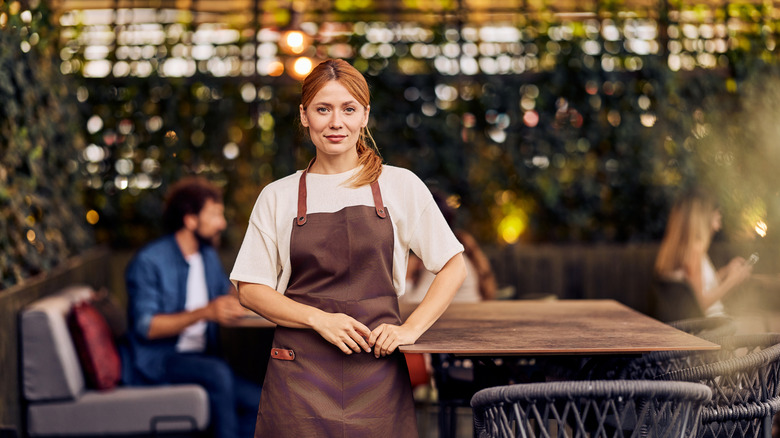
If you see a host stationed at the door, waving, calling, or practically running after pedestrians, it's usually a warning sign. Restaurants that rely on aggressive recruiting tactics often know their food or atmosphere won't sell itself. Their goal is simple: Catch anyone who looks hungry or lost and convince them this is the one place they absolutely have to try.
These hosts are trained to spot the uncertain tourist, flash a winning smile, and explain that the "house special" is out of this world. Sometimes it works. You are seated, order quickly, and may even enjoy the meal. Other times, you realize that the enthusiasm was covering for something else, maybe a menu designed for maximum markup or food that looks far better in the glossy photos in the window.
Not every restaurant with a friendly face outside is a trap. In some cities, especially in parts of Europe and Asia, it's simply part of the culture to be hospitable on the street. A host may be there to answer questions or ensure that guests feel welcome, not strong-armed into a seat. The difference is subtle, yet noticeable. In tourist traps, the gestures feel choreographed, several staff are stationed outside like they are on a mission, and getting you inside is the focus. Peek at the menu from a distance before committing, glance inside at the tables, or check some online reviews.
No one inside looks like a local
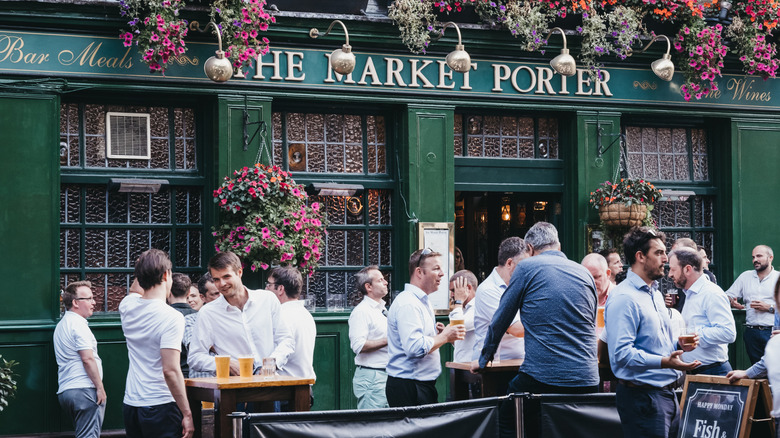
If you want a quick read on whether a restaurant leans touristy, start by observing who actually eats there. If the room is filled with people who look like they've stepped off a sightseeing bus, cameras still dangling from their necks, that's usually a clue. Locals skip places built around convenience and photo ops. They already know the neighborhood and its food, so if none of them are choosing to eat there, it's worth wondering what they see that you don't.
Locals like comfort and consistency. They want a spot where the server recognizes them, where the specials rotate with the seasons, and where the portions haven't mysteriously shrunk overnight. And when you walk in, and everyone looks like they're seeing the city for a first time, it's usually a sign that repeat business isn't the restaurant's priority.
Of course, there are exceptions. A hidden café around the corner from a major sight might actually attract locals and tourists alike, particularly if it serves quality coffee or has been a neighborhood institution for decades. But more often than not, locals vote with their feet. If they're nowhere to be found, it's worth asking yourself why. Before taking a seat, do a quick pause in the doorway and survey the space. If you don't see a single soul who could reasonably appear to live within five blocks, you may be entering the realm of the tourist trap.
The décor is stereotypical or cartoonish
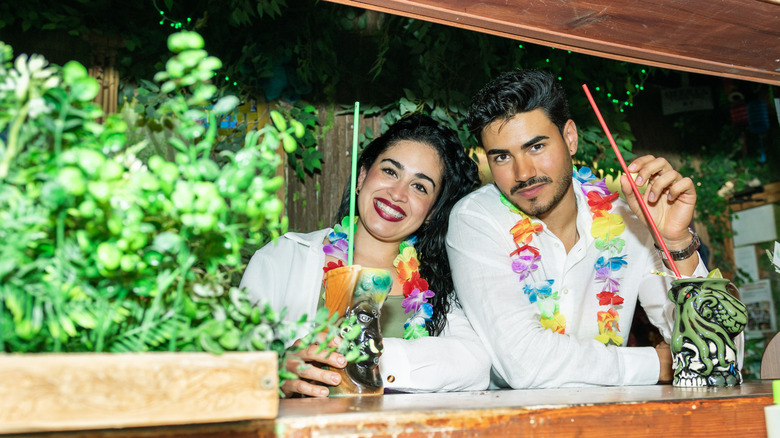
Restaurants often commit so heavily to "local flavor" that their dining rooms resemble some theme park version of the culture. And when you enter such a place where every wall has giant props, or decorations that appear to have been ordered en masse via the internet from some sort of party supply website, take a minute to consider the target audience. These are restaurants catering to people who want a fast and shiny snapshot of the region rather than an actual taste of it. The décor no longer has much to do with mood but rather with creating a premade backdrop for phone cameras.
There's nothing wrong with a restaurant having personality. Plenty of great spots show off their heritage with pride. The trouble starts when everything feels a little too literal. A pub plastered with plastic shamrocks or a "traditional" trattoria filled with cartoon murals of smiling chefs isn't trying to convince locals. It's trying to check off a visitor's list of expectations before they've even opened the menu.
You can usually tell when décor has been put together thoughtfully versus when it's meant to boost foot traffic. Authentic touches tend to feel lived-in or personal. Tourist bait tends to feel shiny, and it often seems designed to funnel you into taking a picture. If you find yourself thinking the room looks more like a souvenir shop, there's a good chance the menu was built with tourists in mind, too.
The menu is translated into several languages
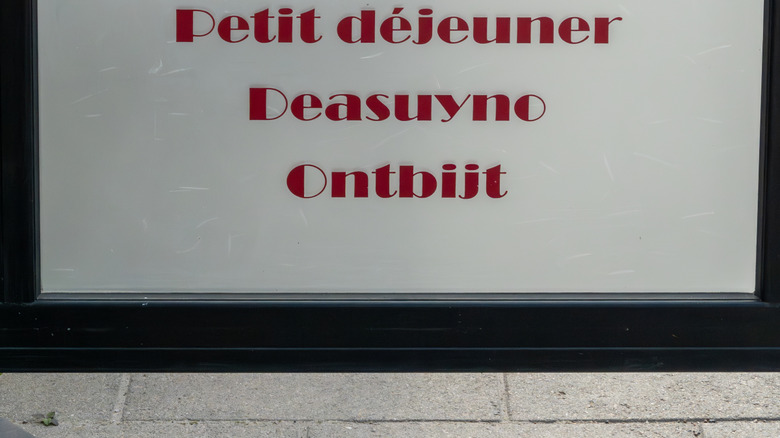
A multilingual menu isn't an automatic culinary red flag. In major cities, lots of great restaurants cater to visitors from all over the world. But when a menu reads like a mini United Nations document, covering every available language under the sun, it's worth slowing down and deciding whether or not you want to eat there. Tourist-heavy restaurants often translate their offerings into five, six, or more languages because they know their customer base changes daily.
The menu itself tends to give hints. If its translations seem oddly formal, clunky, or cribbed from an online dictionary, that's often a tip that the restaurant expects its guests to order and pay quickly and leave. When a place is built around churn rather than community, you see it in the way the dishes are presented. Something gets lost when the goal is to appeal to absolutely everyone passing by, and that something is usually flavor.
On the other hand, a thoughtful translation or two can be the mark of a restaurant that actually wants to help visitors enjoy the experience. The difference, of course, is in the tone. Carefully translated menus tend to be short and confident. Over-translated ones tend to be sprawling, repetitive, and padded with the safest dishes imaginable. If you find yourself flipping through a booklet thicker than a travel guide, or if the same dish appears under five slightly different names, you might be looking at a classic tourist trap.
Photo menus with glossy, catalog-style images
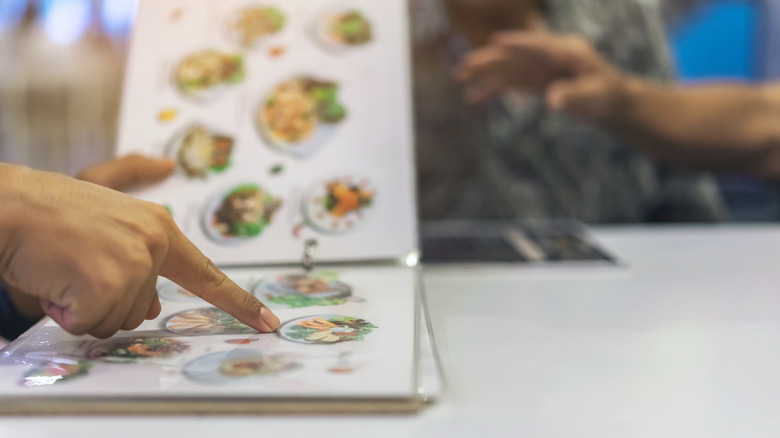
There's something instantly suspect about any menu that appears to have been printed by the same company that does calendars and travel brochures. When every dish is showcased in a high-gloss, perfectly lit glamour shot, you're often looking at a restaurant that relies more on visual persuasion than actual cooking. The images often feature food that is so buffed and symmetrical, one might begin to question whether it's edible or sculpted out of plastic.
Photo-heavy menus are a staple of touristy spots because they remove all uncertainty. You don't need to know the language, the cuisine, or the culture. You just point at whatever looks safest. The downside is that dishes concocted to "look good" in staged photos rarely resemble what actually shows up on your plate. That fresh salad in the picture may well arrive limp. The goal isn't to represent actual food; it's to lure hungry travelers who don't want surprises.
Of course, there are casual places worldwide that employ photos for utilitarian reasons: food stalls or fast-casual spots where service happens quickly. Those tend to be unvarnished and truthful. The red flag is when the menu starts to look like a catalog. The dramatic angles, extreme close-ups, and dishes that start looking suspiciously identical from page to page. If the pictures look too good to be true, they probably are.
A big, unfocused menu

A menu can tell you a lot before you've ordered anything. When it opens like a fold-out map and just keeps going, that's when you should start to worry. Some restaurants do the equivalent of trying to cover every craving imaginable, as if they're afraid someone might walk away unless they can offer maki rolls, pepperoni pizza, fajitas, stir-fry, and a full steakhouse section all in one swoop. It sounds generous, but usually it means the kitchen is stretched thinner than it wants you to know.
A sprawling menu is often built for crowds that are passing through. Tourists arrive with different tastes, so the restaurant tries to satisfy them all with one big list of dishes. What comes out is food that feels more assembled than crafted. Ingredients get repurposed in ways that keep inventories cheap and preparation quick. You start to notice how the same chicken breast appears in half the menu, just bathed in different sauces.
A focused menu, on the other hand, signals confidence. When a chef narrows their scope, they can pay attention to technique and consistency. A restaurant that only does noodles or only does grilled meat usually does it well because it isn't trying to sprint between four continents in a single dinner rush. A place that promises everything often delivers little.
Prices are wildly inflated
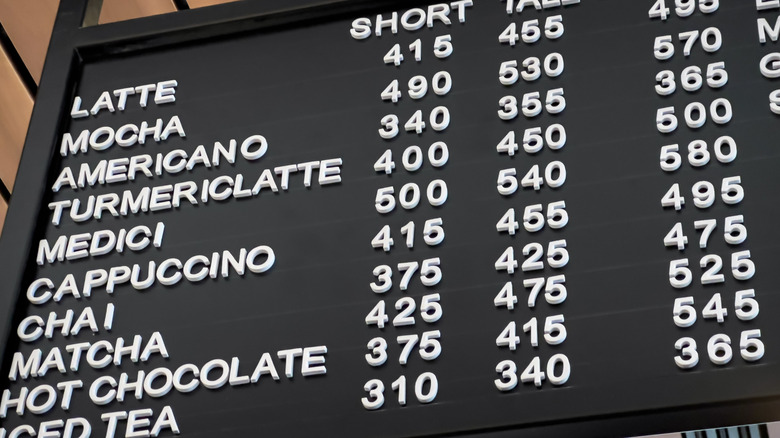
Lastly, one of the more telling signs you've wandered into a tourist trap is that the prices are in a world of their own. You glance at the menu, blink, and slowly realize you're looking at numbers that don't match anything else you've seen in the neighborhood. Maybe it's a plate of truffle fries, or a basic steak dinner that's somehow as much as a decent hotel room in the off-season. When a restaurant is banking on tourists, the prices tend to creep (or leap) well beyond what locals would ever tolerate.
It's not uncommon for restaurants around major tourist spots to be a little more expensive. Rent is high, foot traffic is continuous, and that convenience comes with a price. But wildly inflated pricing is different; it's a sign that the restaurant expects customers who won't compare pricing, and won't realize they paid double for something they could have found half a block away for a fraction of the price.
One of the simplest ways to unravel this question is to take a little walk. If all the cafés around you are selling coffee for $3 and one is asking for $8, you've got your answer. Locals will naturally go towards a value that represents everyday life, not the logic behind vacation markup. Before you commit, look at the menu outside other establishments. A price comparison might save you from a bill that'll feel less like dinner and more like an unwanted souvenir.