

Here's Why It's So Hard To Make Gnocchi At Home
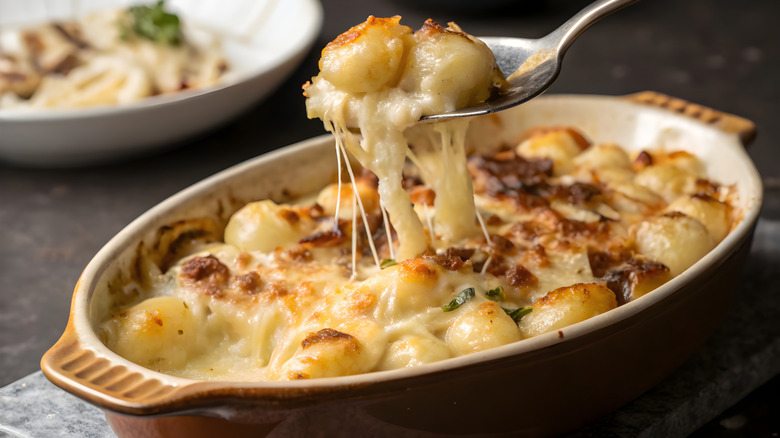
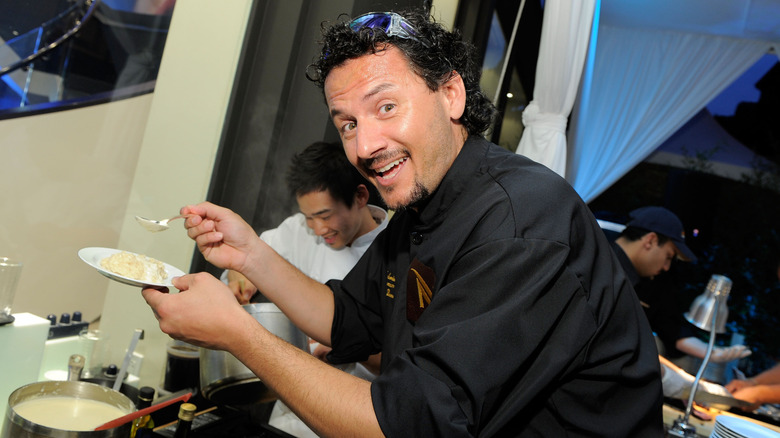
Oh, the ways homemade gnocchi can betray you — from potatoes that hold too much water to dough that turns dense the moment you touch it. Making this deceptively simple dumpling is a tall task, and the real challenge lies in the details. Italian-born chef Fabrizio Carro knows this well. Carro, who, along with his twin brother, grew up in Northern Italy's Piedmont region, co-founded Miami's and New York's Quattro Gastronomia Italiana. These days, he's still cultivating new twists on his traditional Northern-Italian dishes, including gnocchi. And if we can absorb one bit of gnocchi knowledge from him, here goes: It's all about that potato. "Gnocchi may seem simple, but it is difficult to perfect at home because it requires high-quality potatoes and flour," Carro explains.
To avoid gnocchi pitfalls, always use a starchy potato like a Russet and make sure it's broken down into very small pieces. Grating potatoes for gnocchi is one of the absolute best uses for a potato ricer and will leave you well on your way to homemade gnocchi that is light, delicate, and almost cloud-like. You'll know it with the first bite. When the balance is off, though, the result can turn dense, gummy, or even dry. Ricing the potatoes helps keep the dough smooth and increases your chances of getting those perfect pillowy bites. But wait, there is more, gnocchi lovers. You have to treat these very cute little potato dumplings like screaming newborns. And whatever they are crying for — you must give it to them.
Keep gnocchi warm and prevent it from getting too dry
If you're set on making gnocchi at home, it's also good to know what potatoes not to use. Waxy potatoes, like fingerlings, red potatoes, and new potatoes, just won't do. They are full of moisture, so save those babies for your potatoes au gratin with gruyere. If you use them for making gnocchi, things will get gummy fast. How you cook those naturally drier, fluffier russets matters, too. Bake them. This process sucks out any remaining excess moisture.
Once the potatoes are cooked, it's not just about ricing them. The potatoes need to be riced while they're still warm. Letting the potatoes cool completely or mashing them aggressively can make their starch behave unpredictably, leading to a tougher final result. And about that flour — you need just enough to bring the dough together. Too much and the gnocchi becomes heavy. Adding the flour gradually is the trick, but stopping the moment the dough holds is, too. It's a lot, but there is an undeniable payoff. There's nothing quite like mastering the art of crispy, pesto gnocchi at home. It's one of the top gnocchi recipes for pasta lovers — crunchy on the outside and so, so soft on the inside. These babies are worth every ounce of your attention, especially when you're beaming with pride. Because, congratulations! It's gnocchi!