

Amarula: What It Is And How To Drink It
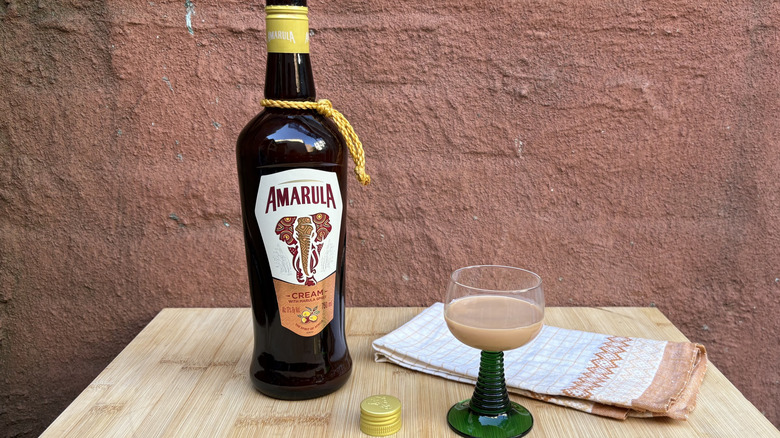
People rave about South Africa's wine, but rarely its liqueur. Amarula is the country's ode to the marula tree, an exclusive species that's spiritually and culturally interwoven into the South African way of life. Amarula, a silky, creamy liqueur, is distilled from the fruit of the wild African marula tree.
Amarula marries the fermented-distilled spirit of marula fruit with fresh dairy cream and sugar, resulting in a velvety liqueur that feels indulgent yet approachable. Its alcohol content is about 17% by volume, placing it in the digestif, cream-liqueur category — a sweet, smooth drink often enjoyed in dessert-style cocktails or after meals as a nightcap.
The small yellow marula fruit is citrusy with an unexpected nuttiness, and when fermented into Amarula, it exudes a balanced yet bright tang and deep warmth. Since its launch in 1989, Amarula Cream has grown from a South African favorite to a globally recognized spirit, now sold in over 100 countries and embraced by drinkers who enjoy cream liqueurs but want something fruit-driven and distinctive.
History of Amarula
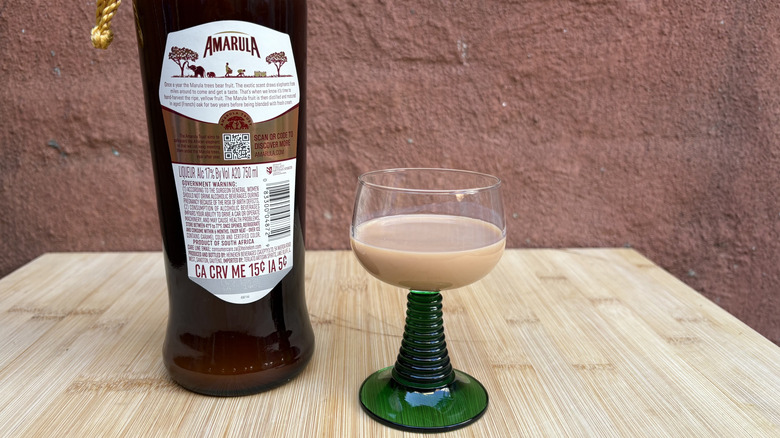
The roots of Amarula date back to the early 1980s, but for the first six years, Amarula wasn't the creamy liqueur we know today. The clear marula-fruit spirit was first produced in 1983, but after one summer season in 1989, producers introduced the cream-infused version — Amarula Cream Liqueur. By 1994, Amarula began its expansion beyond South Africa, debuting in Brazil and eventually rolling out to markets all over the world.
This international push was the beginning of a new chapter for Amarula, eventually shifting from a regional specialty into a globally beloved brand. Since its inception as a cream liqueur, Amarula has become South Africa's most widely distributed alcoholic beverage.
In 2014, to mark 25 years since the cream liqueur's debut, Amarula introduced an alternative expression, Amarula Gold — a clear marula spirit — expanding its range beyond the signature creamy style, but it has since been discontinued. Today, the brand produces a variety of marula fruit-based liqueur flavors, including Ethiopian coffee, vanilla spice, chocolate and raspberry, and even a gin made from the marula fruit. In 2023, ownership transitioned when Heineken Beverages acquired Distell Group Limited, bringing Amarula into an even larger international portfolio, but still maintaining its authentic South African character and commitment to quality craftsmanship.
What does Amarula taste like?
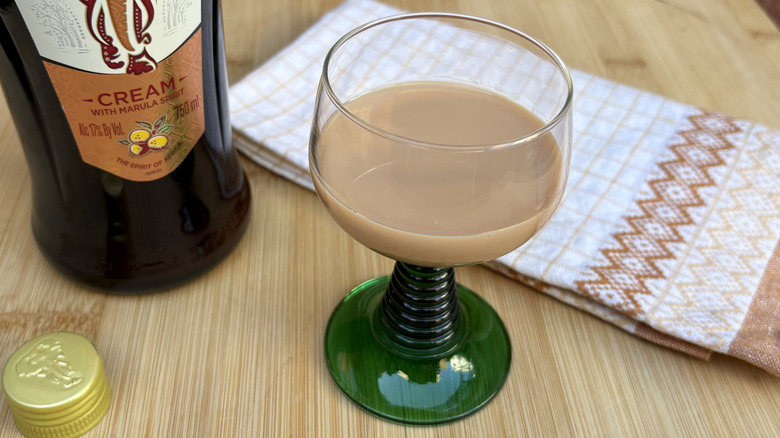
Amarula's flavor profile is a delicate interplay of fruit, cream, sugar, and warmth. On the nose, the sweetness leads, quickly followed by a montage of aromas like caramel, honey, and maybe even a little spiced citrus. That unexpected juicy note is the marula fruit, the base of the creamy liqueur. The rich flavors build together to deliver a complex sip unlike any other fruit liqueur out there. The flavor is reminiscent of butterscotch or a toasted toffee, but with a slight nuttiness that dials the sugar load down.
Its warm, cookie-like qualities make it feel very festive, but it's not too heavy to sip on its own. Lingering hints of vanilla, toasted nuts, oak, and even a subtle spiciness might emerge, depending on the bottle and the batch. Compared to other cream liqueurs, Amarula is often noted for being a bit lighter and more fruit-driven rather than heavy on chocolate or coffee. Its sweetness is balanced by the character of the marula spirit, giving it a nuanced quality.
How is Amarula made?
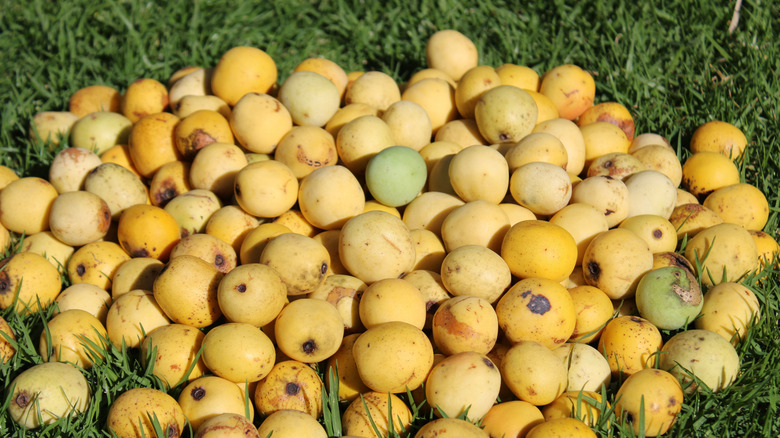
The process behind making Amarula is rooted in tradition, careful fruit handling, and a deep respect for the marula tree. First, the wild marula fruit — native to sub-Saharan Africa — is collected by hand as it ripens and falls from the tree. Once gathered, the fruit is washed, destoned, and the pulp is separated from the pits.
The pulp is then fermented, much like fruit wine in its early stages. After fermentation, the marula "wine" is double-distilled (often in column stills, sometimes followed by a pot still), producing a clear, aromatic spirit that captures the fruit's unique essence.
That extensive process is only step one for Amarula. The distilled spirit is then aged in French oak casks for about two years, where it develops deeper flavors like vanilla, soft spice, and toasted earthy notes. Finally, this matured marula spirit is blended with fresh dairy cream and sugar to yield the classic Amarula Cream liqueur. That combination of wild fruit, traditional distillation, patient barrel aging, and creamy blending all contribute to Amarula's rich, unique profile. The South African beverage is part tropical spirit, part dessert-like indulgence.
How to drink Amarula

The beauty of Amarula lies in its versatility. Many enjoy it simply neat or on the rocks. When chilled over ice, it's a tad less sweet but still comforting, smooth, and slightly earthy. For those who like mixing, Amarula lends itself beautifully to coffee, hot chocolate, or any dessert-adjacent drinks. A splash stirred into a latte, mocha, or even cold brew can turn a boring afternoon pick-me-up into something luxuriously decadent.
It also works nicely in creamy cocktails, like a fun twist on a White Russian (vodka, Amarula, maybe some extra cream) or in tropical-style drinks where the cream liqueur adds body and sweetness. The most legendary Amarula cocktail has to be South Africa's favorite — the Don Pedro. This boozy milkshake is akin to a mudslide sans vodka, with blended vanilla ice cream, double cream, and Amarula.
If you're feeling adventurous, you can also use Amarula as a dessert ingredient. Drizzle it over ice cream, blend it into milk-based desserts, or fold it into creamy puddings and cakes for a subtle marula fruit twist. Because of its balanced sweetness and smooth texture, it's also possible to incorporate it into baked goods. Some alcohol will bake off, of course, but the complex flavor will linger. Treat Amarula as the indulgence that it is. The spirit's mild alcohol content gives it some warmth, but the cream and sugars make it gentle and easy sipping, giving it the feel of a post-dinner treat or midday escape.
Amarula vs other cream liqueurs

Compared with classic cream liqueurs like Baileys Irish Cream, Amarula stands apart due to its marula fruit base. While many cream liqueurs rely on whiskey, brandy, or neutral spirits with added creams and flavorings, Amarula's distinctive fruity foundation gives it a juicier, more tropical profile. However, its alcoholic strength and creaminess are certainly similar to other cream liqueurs, but with a uniquely citrus undertone.
While this nutty, caramel-flavored cream liqueur shares a similar consistency to others on the market, it has far more depth. The layers of earthy, nutty flavors balance its sugary core, unlike the sweeter and thicker alternatives. For drinkers who find whiskey or coffee-based cream liqueurs heavy or too assertive, Amarula can feel lighter, fruitier, and more playful. Amarula has even challenged Bailey's dominance in some markets and among certain drinkers, but not by copying it, more so by offering something entirely new and different.
The wild marula tree is a generous provider

At the heart of Amarula is the marula tree — a species so intertwined with southern African landscapes and culture that it's often called the "elephant tree." Unlike cultivated orchard fruits, marula grows wild across the savannas and can't be farmed commercially in the conventional sense. The trees thrive only where nature allows, fruiting once a year in a dramatic, short-lived season roughly from January to March that local communities have followed for generations.
The tree's value extends far beyond the fruit used for distillation. Its kernels are pressed into a prized cosmetic oil; its bark has traditional medicinal uses; and its wood, leaves, and even shade play roles in regional ecosystems and daily life. The marula tree also supports animal life, most famously elephants, that trek great distances during fruit season. Their relationship with the fruit helped cement Amarula's connection to conservation, but it also underscores just how deeply rooted this tree is in the natural and cultural heritage of southern Africa.
The marula tree had always been special to the community, providing nutrients for 10,000 years. Beyond this, the marula fruit has played a vital role in local culture, with fermented fruit believed to possess mystical properties and used in ceremonies celebrating fertility, abundance, and healing.
Buying Amarula helps support elephant rehabilitation and community across Africa

The marula tree, whose fruit is integral to the liqueur, is a favorite food of African bush elephants. Before the marula fruit even falls from the tree, its aroma wafts through the region's plains, attracting elephants hungry for a snack. That's where the logo comes in, as well as the company's ethos.
As the brand states on its website, "Amarula is inspired by the generosity of spirit of the marula tree." Just as the trees feed the elephants, Amarula hopes to give back to them as well.
One of the lesser-known but genuinely admirable aspects of Amarula is its commitment to wildlife conservation, especially elephants. Amarula does whatever it takes to support elephant conservation and community upliftment projects across Africa through the Amarula Trust, which was founded in 2008. They've partnered with a variety of organizations, including the country's first elephant orphanage, Herd, to help rehabilitate the region's beloved animals. The trust's donations have helped Herd fund medical services, supplies, and food for the animals, ultimately supporting the sanctuary in maintaining its operations and staying afloat.
South Africa's 2010 World Cup helped bring Amarula into the spotlight

Though Amarula had long been a beloved South African export, it was the 2010 FIFA World Cup – the first held on African soil — that catapulted the liqueur onto an international stage. As South Africa welcomed millions of visitors and global media attention, Amarula seized the moment with a robust marketing campaign celebrating its African identity. Its elephant emblem, golden color palette, and "Spirit of Africa" message resonated strongly with both locals and travelers, thrilled to celebrate the World Cup amongst such a lively crowd.
Limited edition packaging and high-visibility promotions during the tournament helped solidify Amarula as a national icon. For many visitors, it became the expected souvenir bottle to bring home. Sales surged after the tournament, and Amarula's profile rose dramatically in markets that had previously been unfamiliar with the creamy liqueur. The World Cup boosted its recognition, sure, but more prominently, it gave Amarula a new global respect. The event's marketing positioned the fruit liqueur as a symbol of modern South African pride and craftsmanship. In many ways, the momentum from 2010 set the tone for Amarula's next decade of growth.