

10 Snacks Boomers Remember Eating After School
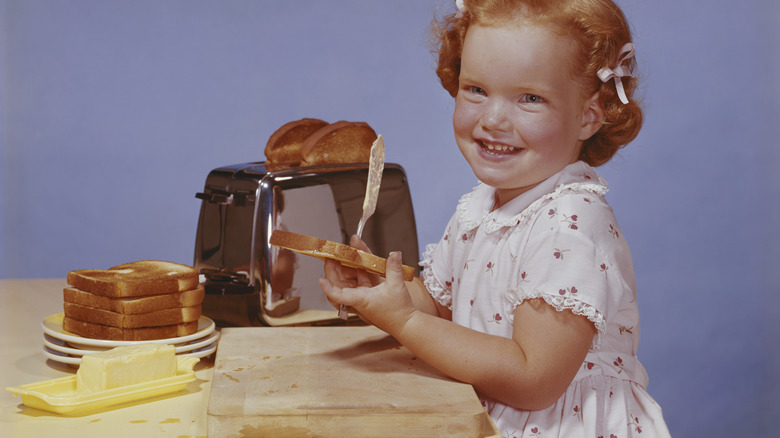
School can be exhausting. Classes, other kids, teachers, and the commute can really drain a young child's energy. That's why many children are desperate for something to eat when they get through the door. Parents might unwind with a glass of wine at the end of a long day, for example, but for kids, it's all about the snacks.
Kids today might reach for a bag of potato chips, cheese sticks, cereal, or yogurt, for example, but what about the kids of the past? We scoured the internet to find out what boomers used to eat when they were young kids, tired from the school day. And we have to say, there was quite a range.
While some were treated to homemade cookies and bologna sandwiches, others had to make do with sneaking some leftovers or spreading some Miracle Whip on a slice of bread. Keep reading to find out more about what boomer children ate and why when they were growing up during the 1950s, 1960s, and 1970s.
Homemade cookies

Nowadays, most people find that among all of life's responsibilities, there isn't much time left to bake. According to the Bureau of Labor Statistics, for example, in half of families with a married couple, both spouses work. In the 1960s and 1970s, though, when many boomers were young children, things were different. Women worked out of the home more than ever, but they often left their jobs to raise their families, and baking was a common activity.
Many boomers remember getting home from school to find homemade cookies on the table, which they would usually enjoy alongside a chilled glass of milk. Most would be chocolate chips, but oatmeal and raisin or molasses were also popular choices.
Of course, cookies are still a popular snack today, but they're far more likely to be store-bought than home-baked. In 2023, research from The Food Industry Association found that, on average, American shoppers head to a grocery store bakery at least once a month. Per Virtue Market Research, the North American pre-packaged cookie market is worth around $12.6 billion.
Peanut butter with everything from celery to apples to syrup
When John Harvey Kellogg filed a patent for peanut butter in the late 1800s, he did so with the goal to help Americans move away from meat. He was a strict vegetarian and had strong views on the negative health impact of animal products. Peanut protein, he felt, was a far safer, healthier alternative. He may have been right (processed meat, in particular, is linked with many chronic diseases), but it didn't work.
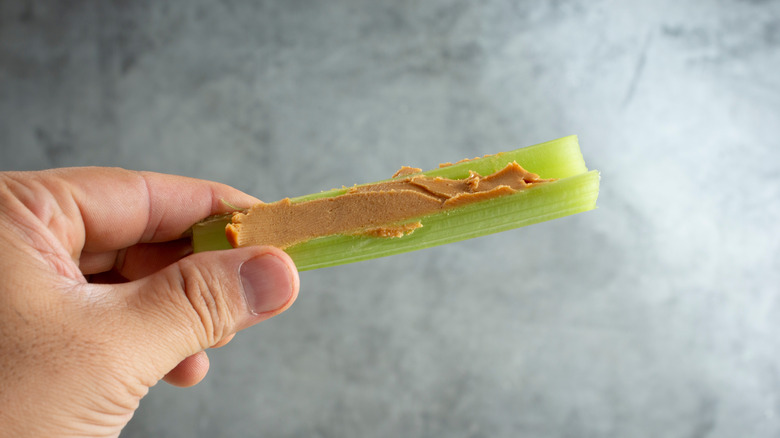
Americans wanted to eat their meat and have their peanut butter, too. The nutty spread evolved into the perfect snack food, ideal for hungry children after a long day at school. By the mid-20th century, peanut butter was ubiquitous in American households. Of course, many would use it to make a classic peanut butter and jelly after school, but this spread is nothing if not versatile. Many boomers remember snacking on it with everything from celery to apple slices to maple syrup and bananas.
Peanut butter is still a favorite of kids all over the U.S., and adults, too, of course. In fact, some research suggests that the average person in the country will eat almost 3,000 peanut butter and jelly sandwiches over the course of their life.
Dinner leftovers
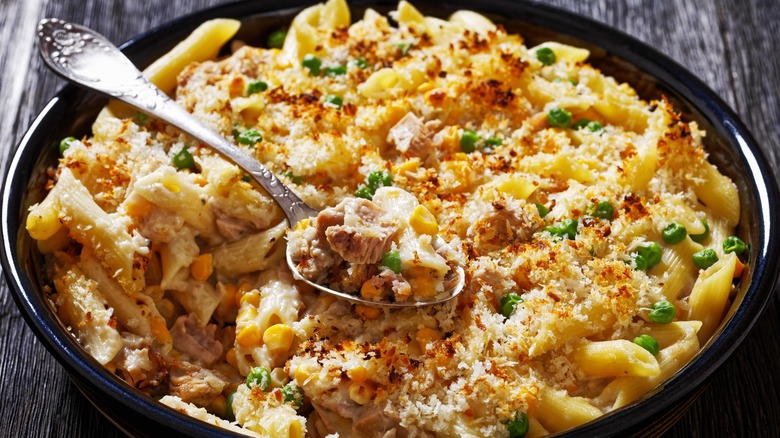
Not everyone had homemade cookies or peanut butter and jelly sandwiches waiting for them when they got home from classes at the end of the day. Many boomers remember their after-school snack as simply being the refrigerated leftovers from the meal the night before. On many occasions, this wasn't a sanctioned snack and was simply a case of sneaking a few bites before anyone noticed.
As for what those leftovers would probably be? It depends on the decade. In the 1950s, it might have been chicken pot pie, tuna casserole, or gelatin salad. In the 1960s, you'd probably find dishes like meatballs with grape jelly or chicken a la king languishing in the fridge, ready to be reheated again for a second supper. In the 1970s? It was probably a case of eating up the rest of the pineapple chicken, the salmon loaf, or the ham and cheese quiche.
Bologna sandwiches
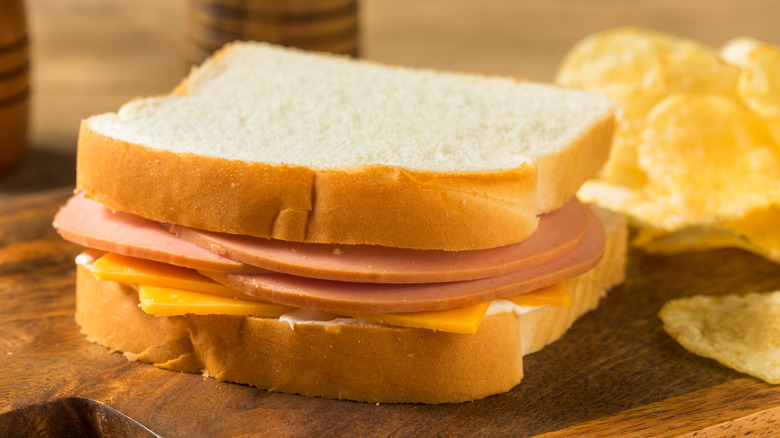
Throughout the 20th century, bologna provided many Americans with a cheap, accessible sandwich filling. The processed meat likely evolved from an Italian sausage meat called mortadella (from the city of Bologna, of course), and came to the U.S. via European immigrants. But the type of bologna most people were used to in the mid-20th century (and beyond) looked nothing like true, traditional cured mortadella. Oftentimes pronounced "baloney," it became a sliced, processed, packaged mix of different meats, usually served between two thick slices of bread and slathered in mayonnaise.
Bologna sandwiches were a staple snack for many boomers. When they got home from school, many would fix themselves a quick bologna sandwich, which they would wash down with their favorite soda. Some would have it with ketchup, mustard, potato chips, and a glass of iced tea, while others opted for mustard and dill pickle. It's still a go-to for many people. In fact, in 2023, Global Market Insights valued the U.S. bologna market at $2 billion.
Mayonnaise sandwiches
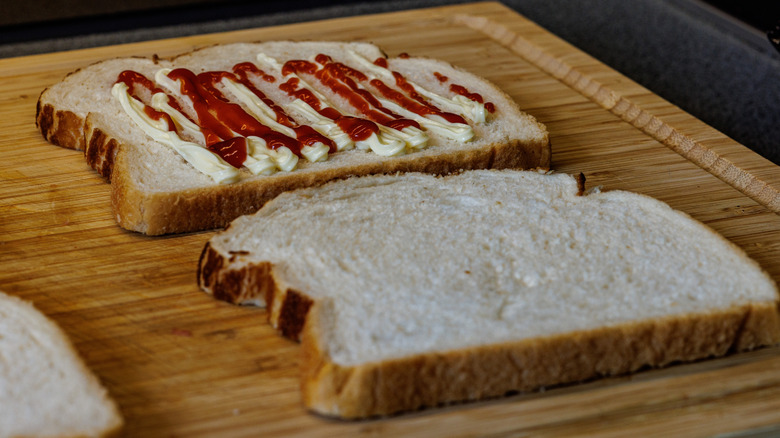
Sure, you could cover your bread with peanut butter and jelly when you got through the door, or you could reach for a few slices of bologna if the mood took you. But you could also make things even simpler by making just a mayonnaise sandwich. Yep, it might sound like quite a dull snack, but many boomers looked forward to their daily mayonnaise sandwich after school. Some would throw in some ketchup, too, if they were feeling really adventurous, or perhaps add some lettuce or tomatoes for texture.
Mayonnaise sandwiches are still loved today, particularly in the South, where the condiment has long been an established favorite. Most are probably made with Duke's mayonnaise, which is the leading brand in many Southern states and the kind that many people may remember growing up eating. In fact, every day, this popular Virginia-based brand produces around 365,000 jars of mayonnaise, much of which will end up slathered simply on two pieces of bread — just like the old days.
Cinnamon and sugar on toast
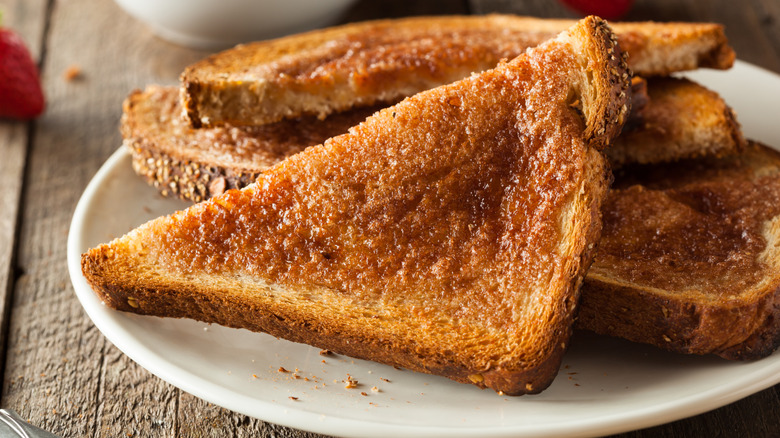
Cinnamon toast isn't a new invention. In fact, it has been eaten for centuries. There is even evidence to suggest that 15th-century Neapolitans were toasting bread and covering it with cinnamon to add flavor. The snack truly is timeless, especially when there is a little sugar on there, too, for extra sweetness. You wouldn't expect American kids in the 1950s, 1960s, and 1970s to have much in common with medieval Italians, but they, too, often reached for cinnamon on toast when they were feeling ravenous — especially after a long day at school.
Many had specific ideas about the best way to make cinnamon toast. Some swore by white bread, for example, while others believed it tasted better when the bread was rolled up, with the filling in the center. If all of this talk of cinnamon toast has got you feeling a nostalgic craving for this crunchy, sweet treat, too, there are many ways to take the simple snack to the next level. Add Nutella for some extra nutty chocolatey goodness, for example, or top with fresh fruit to give it more of a dessert vibe.
Graham crackers
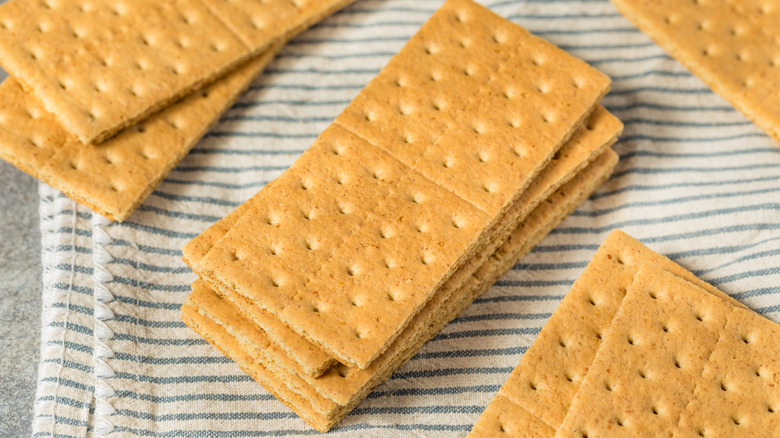
Some boomers recall bursting through the door to find a plate of homemade cookies on the counter waiting for them, with a fresh glass of milk. Plenty of others drank their milk with a different kind of crunchy cookie: Graham crackers.
This was nothing new at the time; people had been snacking on Graham crackers for decades by the time the mid-20th century rolled around. The crackers, usually made with wheat and flavored with honey or cinnamon, were first developed in the 1820s by Presbyterian minister Sylvester Graham. Like Kellogg, Graham was a health reformer and wanted people to eat less meat and more nutritious foods, like fruit and vegetables. Not surprisingly, given his namesake cracker's main ingredient, his suggested diet included whole wheat bread.
And also like Kellogg, Graham didn't really succeed in this mission, but he did make a hugely popular snack food. By the turn of the 20th century, Graham crackers were being eaten by Americans everywhere. And in the 1920s, they became the key ingredient in that classic and widely beloved campfire treat, s'mores.
Fresh fruit
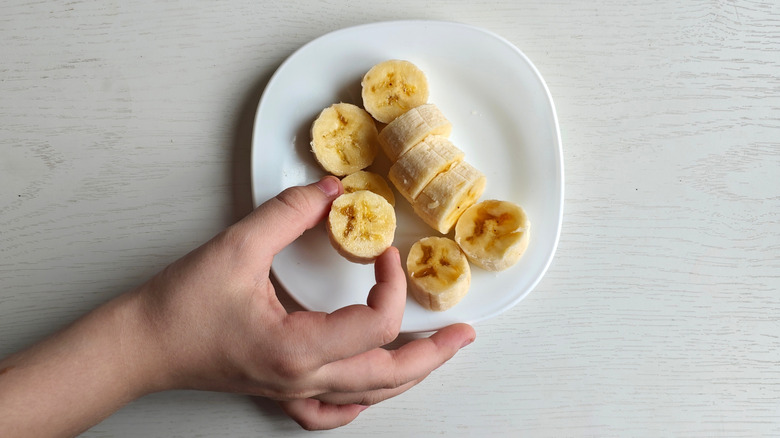
Today, most kids aren't eating enough fresh fruit. According to the Centers for Disease Control and Prevention, nearly half of young kids regularly go through the day without picking up a piece of fruit. And honestly, this situation was pretty common back in the mid-20th century, too. The difference was that back then, if you were wealthier, you were more likely to have a pantry full of processed foods and meat. But if you were poorer, you were more likely to reach for the fruit, as that was one of the only options available.
Many boomers who grew up in lower-income households speak of coming home to either snack at all, or a piece of fruit. In California, for example, children in the 1950s and 1960s would often eat fresh local oranges because they were accessible and cheap. Others remember having bananas and apples as their only options, too, with packaged snacks and soda often reserved only for special occasions.
Miracle Whip and bread
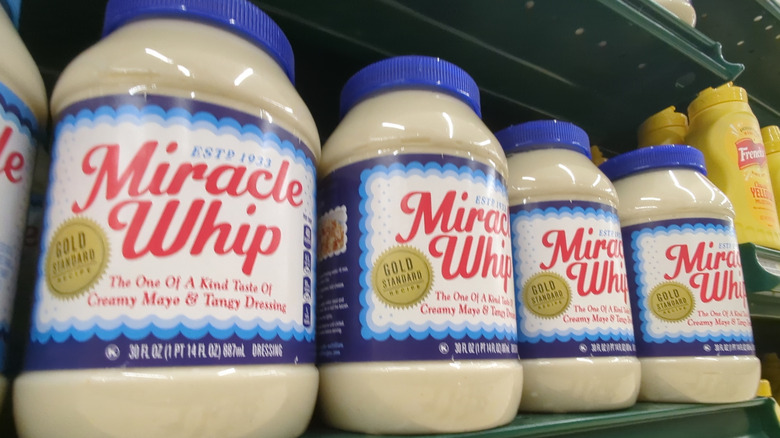
Some people gorged on mayonnaise sandwiches when they arrived home from school, but others were Miracle Whip fans. The condiment might be similar to mayonnaise, but it's not quite the same. It's made with eggs, oil, and vinegar, but it's watered down and mixed with sugar and spices to create a cheaper product.
Plenty of boomers remember getting through the door after school and then grabbing a loaf of bread and some Miracle Whip from the fridge. They would then make a simple Miracle Whip sandwich, or if they had more ingredients available, they would combine it with things like bologna, cheese, and/or lettuce, for example.
Like fruit, Miracle Whip was usually a go-to snack for many children from lower-income households, who often didn't have access to many other foods. One Redditor, for example, recalls growing up in the 1950s and 1960s with Miracle Whip on bread as one of their only snacks.
Kool-Aid mix straight from the packet
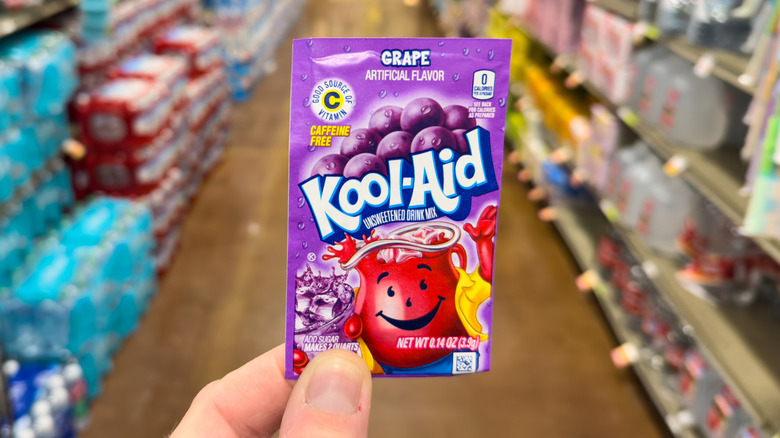
Kool-Aid was invented back in the 1920s, and quickly became a popular packaged drink in the U.S. It was particularly common during the Great Depression years, as prices were slashed in a bid to stimulate sales. In the decades that followed, it remained a staple in American households, but not everyone consumed it the way it was designed.
Several boomers remember that instead of a mayonnaise sandwich, a cookie, or a Graham cracker, they would get themselves a packet of Kool-Aid. They wouldn't make themselves a drink, though; they'd simply pour some sugar into the packet, mix it up, and eat it straight. Others wouldn't bother with the sugar and would just scoop up the dry mix with their fingers and shovel it straight into their mouths. Was it nutritious? No. But was it fun? We're going to hazard a guess and say very much so — especially if your parents didn't know you were doing it.