

How To Use The 'Melting' Method On Any Vegetable For Deliciously Tender Results
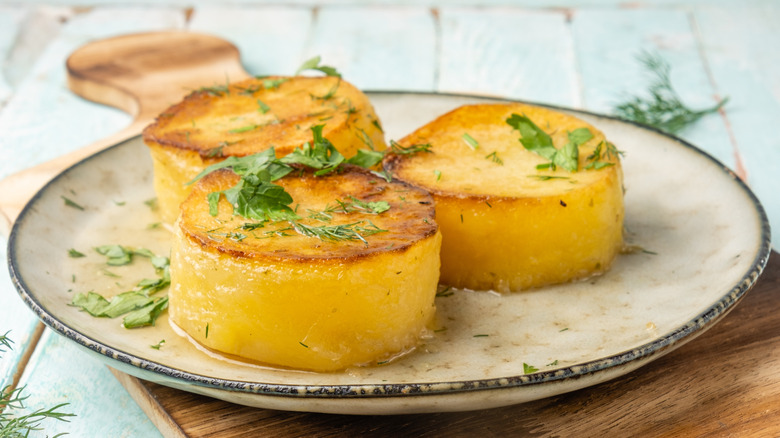
When the weather begins to cool down, the case for slow-roasting vegetables becomes even clearer. There's no better way to warm up than with a dish of nutrient-rich vegetables that you've taken care to thoughtfully season and cook until tender. A newer trend in slow-roasting called "melting" has recently emerged, beginning with fondant potatoes and reaching across to a variety of root, cruciferous, and other sturdy vegetables that can withstand the process. Instead of a mushy, overcooked dish, this method yields caramelized vegetables that are tender enough to melt in your mouth for a pleasing and flavorful combination of taste and texture.
Preparing melting vegetables begins with roasting your choice of veggies at a high heat to initiate the process of caramelization. Next, you'll add a broth, sauce, or other complementary liquid with seasonings before returning your vegetables to the oven, allowing the liquid to reduce and absorb into the vegetables. It's worth noting that this style of cooking is preferable for firmer types of vegetables, including squash, beets, cauliflower, and more; however, there is plenty of room to get creative with different flavors for your melting liquids, choice of seasonings, and servings.
Though time-consuming, this is an ideal recipe for cooler nights when keeping your oven on will improve the ambient temperature in your home and fill it with the scent of slow-roasted vegetables. An easy fondant potato recipe is a great place to start when learning the melting vegetable technique, but there are many more to experiment with.
Melting vegetables to try
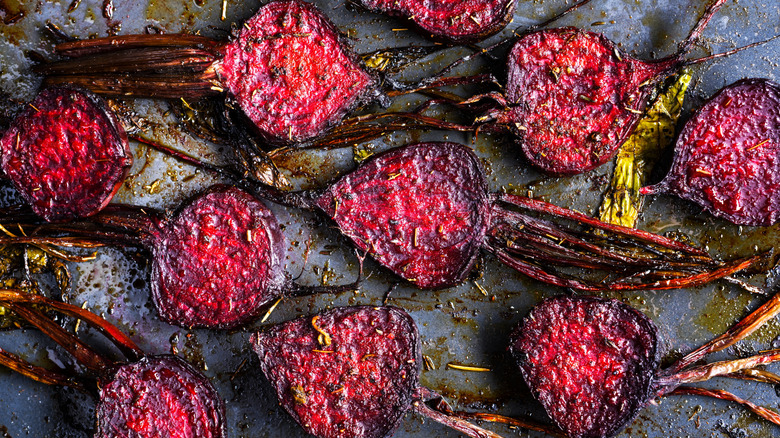
There are a number of fun vegetables that are made even better when "melted." It's also an excellent way to infuse your meals with added nutrients between the hearty vegetables of your choosing and any bone broth you use for flavoring, be it store-bought or homemade. For example, making broccoli melting-veggie style is perfect for slow-roasting florets alongside miso paste and soy sauce to flavor a generous portion of vegetable broth.
Because this cooking style is most effective for firmer vegetables, including root, squash, and cruciferous types, it's also a great way to transform more "stubborn" vegetables into tender, caramelized perfection. Indeed, once you make melting cabbage, you'll never make the veggie any other way. The resulting dishes are well worth the time and effort and can be paired with a wide variety of other ingredients, whether served as a side dish to main entrees or turned into an entree of their own.
Toss your favorite melting vegetables with a shake of shaved parmesan cheese or nutritional yeast for added protein. These would also be great served alongside cooked chicken for the addition of lean poultry proteins or tossed with a batch of crumbled and cooked plant-based beef, regular ground beef, or even sausage. Consider serving melting vegetables alongside rice or pasta to round out more carb and starch-heavy meals, or simply snack on this irresistible side dish on its own.