

Here's How Often You Should Actually Be Deep-Cleaning Refrigerator Drawers
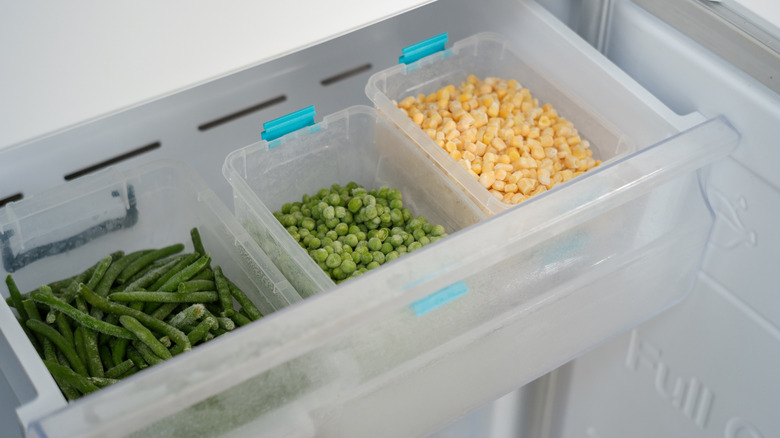
Refrigerator drawers are always working, collecting sticky, pigmented leaks from berry cartons, questionable runoff from thawing shrimp, condensation from humidity settings, and cursed bags of forgotten greens breaking down into a fetid bisque. As the busiest, dampest quadrant of the fridge, they deserve more tending-to than a twice-a-year swipe. But how often should you clean your refrigerator, drawers included? A seasonal deep clean is a good routine to get into.
Every three to four months, remove everything from the fridge and give yourself a clear runway. It's good to try for this when shelves are less full, so right before a big grocery restock or after finishing older jars and condiments. It's a chance to evaluate and toss jars of crusty curry and dubious dips and reset the space in a way that makes cooking easier. It's good to unplug your fridge for this level of cleaning, especially if you're going for a full, sloshy scrub that could drip on any electrical components, but you don't need to pull the plug to clean removable drawers, which lift out so you can take them straight to the sink.
The primary job of a refrigerator is to slow the growth of bacteria and mold, but that doesn't mean it halts it. We all know this instinctively, because milk still sours, celery turns flaccid, and leftovers ... come alive, in a manner of speaking. The cold environment is just buying time. If a drawer looks grimy, smells off, or has visible residue, there's no need to wait for a calendar reminder; just clean it right then.
How to best clean your refrigerator drawers

A quarterly deep clean is a maintenance schedule that can keep the fridge functioning the way it should. Start by removing the drawers and washing them in warm, soapy water. Pantry staples like vinegar or lemon may also be useful here, and a brief soak will loosen any dried pulp or slimy-sticky residue. Avoid using abrasive tools or scouring products, as plastic drawers scratch easily. These scratches will trap odor and bacteria-causing grime. Allow the drawers to dry upside down (or wipe them down) before sliding them back in.
While they're soaking or drying, take the opportunity to clean the cavity where the drawers sit. This is the zone that collects the spooky stuff you can't easily see. Because the area is dark, cold, and slightly moist, small patches of mold may grow slowly but steadily. A scrubbing with some mild soap or squirts of an all-purpose cleaner will wipe the slate clean, bacterially speaking. And don't forget the runners and tracks; you can use a cotton swab or wrap a damp dish towel around a chopstick to reach the gunky nooks and crannies.
Seasonal clean-outs are also great for inventory control. Removing everything at once helps prevent cross-contamination, especially in the crisper drawer where ethylene-giving produce sits. The biggest shift is mindset. Quarterly cleaning is good, but keeping a high-traffic utility space (like a fridge) clean and usable is more about small, regular wipes, the same as you would your counters or the grimy backsplash behind the sink. Regular maintenance keeps the grime from getting ahead of you and supports calmer cooking, easier meal prep, and fewer moldering surprises lurking under the lettuces.