

The 8 Most Expensive Grocery Chains In The US
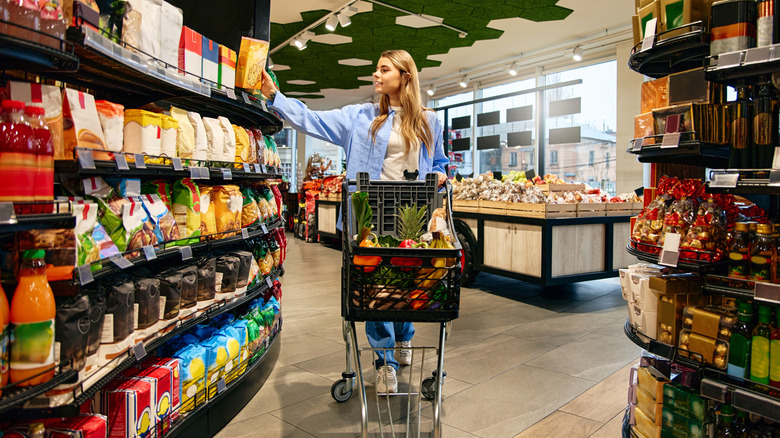
We're proponents of saving money on food where possible, and the roller coaster of soaring grocery prices has made us even more aware of just how much it can cost to put food on our plates. That's why we have rounded up this list of some of the most expensive grocery chains in the U.S. We're not saying that you should never shop at these big-box stores. Many of them offer goods at steep prices because they specialize in imported products, foods made with organic ingredients, and, sometimes, artisanal products that are difficult to find elsewhere.
On the other hand, some chains are unnecessarily overpriced and cater to more exclusive, higher-end clientele. In this article, you'll find both kinds of grocery stores; whether you shop there is up to you. We'll also provide suggestions on items we think are worth shelling out money for.
To determine which chains to include on this list, we evaluated product prices online, keeping tabs on some of the most popular offerings at each store. Where possible, we used two staples in American households as benchmarks to compare prices: whole milk and whole-wheat bread. Finally, we checked in with online reviews to see how customers feel about their local chains. More notes on our methodology can be found at the end of this article.
Whole Foods Market
It's no secret that Whole Foods Market is a purveyor of organic, often overpriced foods. Part of the reason this ubiquitous chain is so expensive is that it offers higher-end, trendy products like Purely Elizabeth Granola, MALK Plant-based Milk, and Raaka Chocolate. These items naturally come with a higher price tag. Not to mention, the produce is often locally sourced, and small, organic farms don't benefit from the same subsidies as conventional ones.
Plus, Whole Foods is often one of the best grocery chains to source ethnic foods that don't typically grace other stores' shelves — think soba noodles and Maya Kaimal Simmer Sauces. Artisanal products like nut butters and cheeses abound, so don't expect to be adding any Jif jars into that forest green shopping cart. Our advice for saving money at Whole Foods? Go with a shopping list, and don't be tempted to stray too far from it.
Many of the expensive items at Whole Foods are worth your money, including scallops, saffron threads, and vanilla extract. However, if you are on a budget, you can still score some great deals on 365 products, Whole Foods Market's in-house brand. For example, we found a half gallon of 365 Organic Whole Milk priced at $4.39, while a half gallon of Organic Valley Whole Milk cost $5.99. Similarly, we found a 16-ounce loaf of 365 Whole Wheat Bread for $2.49, while a 20-ounce loaf of Nature's Own Whole Wheat Bread rang up at $4.29.
The Fresh Market
The Fresh Market began in Greensboro, North Carolina, in 1982 with a simple mission: To create a welcoming environment where customers can leisurely peruse the aisles for fresh meats, flowers, and produce, as well as specialty global ingredients. If this idealistic goal sounds like a recipe for a high grocery bill, that's because it is. On the whole, The Fresh Market is slightly less expensive than Whole Foods, one of the brand's major competitors.
Even so, some products at The Fresh Market are still pricier than those at Whole Foods. That half gallon of Organic Valley Whole Milk we referenced earlier? While it costs $5.99 at our local Whole Foods, it is $6.49 at The Fresh Market. The 20-ounce loaf of Nature's Own Whole Wheat Bread was also more expensive at The Fresh Market, demanding a price of $4.89, compared to $4.29 at Whole Foods. But there are certainly reasons to love The Fresh Market.
Now with over 150 stores across North Carolina and 21 other states, The Fresh Market obviously has a devoted customer base. Readers of USA Today voted it the best grocery store in the country in 2025. We can vouch for the fact that the chain's honey-roasted peanut butter is worth the splurge; this sweet nut butter is freshly ground in-store. You can find it alongside many other exquisite bulk items, such as granola, yogurt-covered pretzels, and whole-bean coffee.
Erewhon
When you clicked on this article, there's a good chance you already knew that Erewhon would make the list. Before we dive into any other details, let's start with that curious name. "Erewhon" was the title of a utopian novel by Samuel Butler, a book that, among other themes, questioned ideals of morality and wellness. The riveting story inspired Aveline and Michio Kushi to found a supermarket by the same name. Their goal? To enable self-actualization by way of optimized nutrition and an intimate connection with Mother Earth. This dream was revolutionary in the 1960s, when Erewhon first began as a small shop in Boston.
Erewhon has since passed into new ownership, and its modern ethos doesn't account for the full scope of socioeconomic factors that influence well-being. Over the past 15 years, the chain has expanded rapidly and made substantial influencer partnerships. While we recognize that Erewhon has been certified as a B Corp and sells plenty of organic food, we still can't get behind some of its radical prices. Coughing up $19 for a single imported strawberry doesn't sound like a very sustainable way to nourish communities.
We'd also like to know where the extra money from the sales of some of its products goes. A 12-ounce jar of NutMutt Organic Pistachio Butter sells for $24.99 on NutMutt's website, a hefty price already. Meanwhile, on Erewhon's website, the same product sells for a whopping $45.99. We'll pass on paying $19 or more for some of the chain's most iconic smoothies.
Gelson's Market
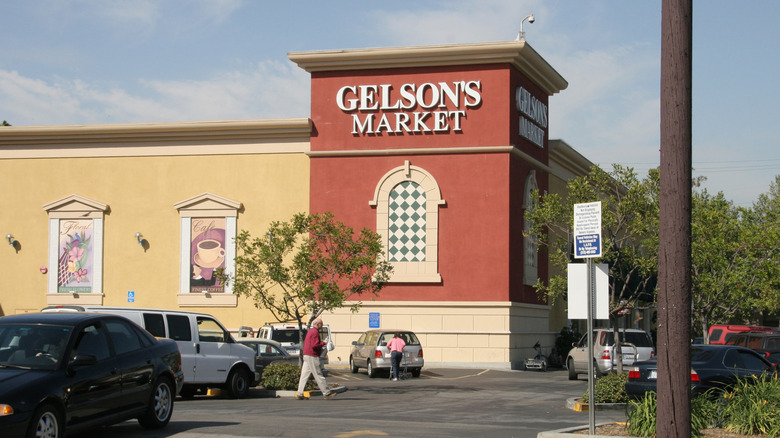
Southern Californians love and know Gelson's Markets as one of the best grocery chains to buy produce. Sure, you could stock up on bananas here or replenish your supply of apples. But why limit yourself when you can also get your hands on seasonal or rare produce like figs and dragonfruit? The produce at Gelson's Markets is often local and freshly purchased, helping explain why it can cost such a pretty penny. Indeed, we found organic bananas here for $1.09 per pound, a significantly higher price tag than those at any other chain on this list.
It's not just fruits and veggies that will rack up the big bucks, however. We found that a 20-ounce loaf of bread typically costs $6 to $7, while a half-gallon of Organic Valley Whole Milk comes in at $6.99. The same brands are offered at other grocery stores at lower prices, making it clear that they are unnecessarily overpriced at Gelson's. Even so, perhaps some of that money is going toward staffing. For example, a Gelson's Certified Wine Specialist is available at each store to help you decide on the right bottle. Some locations even offer wine bars.
If you are brave enough to navigate the high price tags of Gelson's Markets, customers are often satisfied with the chain's hot bar and poke options. The deli section, with its potato salad, lunch meats, and wide array of cheeses, also comes highly recommended. And if it's a hot day, a fresh glass of orange juice may be nonnegotiable.
Eataly
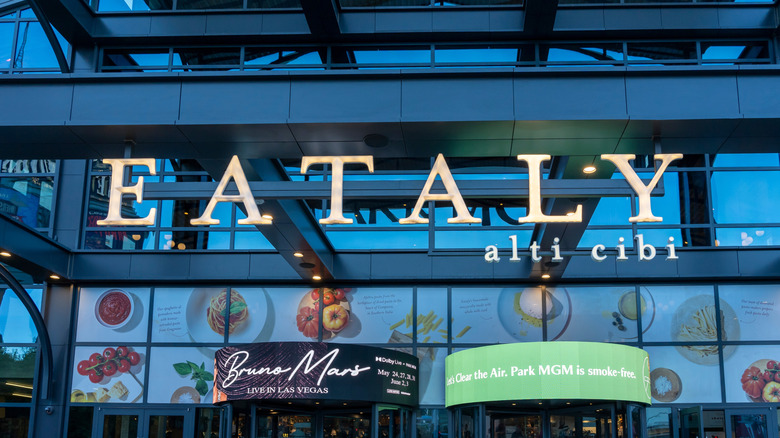
You may have seen Eataly locations in major cities like New York City, Chicago, Los Angeles, and Las Vegas, but you won't ever find one in small towns or rural areas. After all, there wouldn't be enough demand anywhere but metropolitan regions, given how expensive Eataly's products can be. Eataly is on a mission not only to fill your shopping cart with food, but also to educate you on how to cook it using traditional methods. The chain proudly celebrates Italian culture, proving that there is more to the country (and its cuisine) than pasta and wine.
Because many of Eataly's products are imported, the chain has no choice but to charge you a substantial amount of money to cover its costs. There's no debating that Eataly is one of the best grocery store chains for international food, and we're not just talking about ingredients you can add to your pantry or refrigerator (though the cheese selection is top-notch). Depending on the location, you can also find restaurants and coffee bars in Eataly. Plus, you can book a class to learn how to make dishes from scratch. That's why it's best to set aside an hour or two to fully experience the store.
Finally, the seasonal items at Eataly may be worth the cost. The panettone, for instance, is an Italian cake filled with dried fruits, only available during the holidays. Furthermore, the gift boxes, which range from $51.99 to $274.99, are elegantly packaged. They include items like cookies, olive oil, chocolate, olives, and crackers that can make your loved ones feel, well, hungry.
Natural Grocers
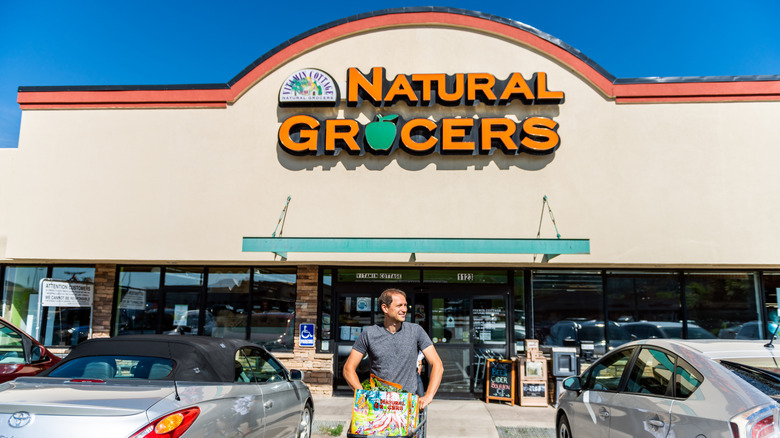
Natural Grocers was founded in 1955 by Margaret and Philip Isely, two natural foods proponents who believed that nutritious meals can often be as good as medicine. Today, the chain maintains values of environmental responsibility and community development, carried out at over 150 stores in nearly two dozen states. Education is such an integral component to Natural Grocers' mission that employees are provided with complimentary programs on nutrition. Such classes are also periodically available to the community. Those who live near a Natural Grocers location can even avail themselves of a free 60-minute session with a nutritional health coach.
All the produce at Natural Grocers is certified organic, so while the company emphasizes that it offers the lowest price possible, you'll understandably be paying more to cover the non-conventional methods. Still, we found that a gallon of Organic Valley Milk costs $10.39, which is less expensive per ounce than the same product at Whole Foods Market, The Fresh Market, and Gelson's Markets. Products sold under the Natural Grocers label aren't necessarily cheap, either. For instance, a 15-ounce loaf of Natural Grocers' Organic Sprouted Whole Wheat bread costs us $4.99.
Regardless of price, Natural Grocers, with its impressive organic produce selection and wide range of plant-based products, is one of the best grocery store chains for vegans. Popular items include the organic extra virgin coconut oil and the organic frozen blueberries. This down-to-earth chain is also a favorite among customers for sourcing non-vegan items like clover honey, eggs, and hickory smoked uncured bacon.
PCC Community Markets
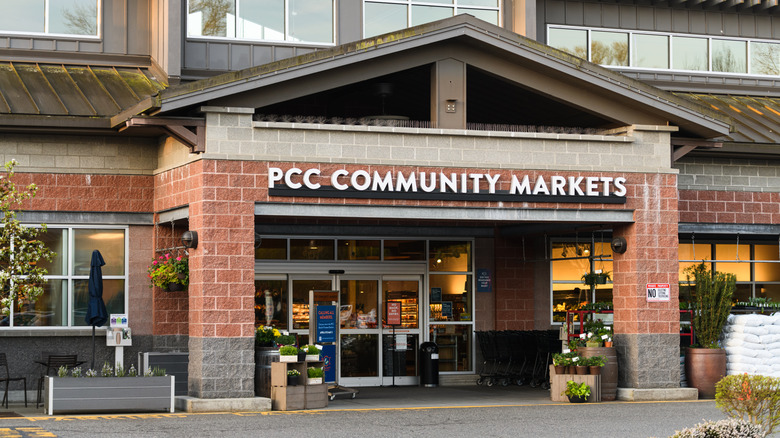
For those in the Seattle area, PCC Community Markets is one of the most expensive places you can shop, but it's also brimming with local products and organic produce. Customers say that the organic produce here usually puts other stores to shame. Meanwhile, the deli pleases folks with options like the Egyptian red lentil soup and the smoked mozzarella pasta salad.
At PCC Community Markets, there's more to food than calories, vitamins, and minerals. Just take the Sound Consumer, the chain's monthly publication. Recipes like the one for cornmeal, parmesan, and thyme crackers will inspire you to get creative in your kitchen. However, you'll also be encouraged to think more deeply about the food system via articles about seed-saving and student cooking programs. Such initiatives help ease the pain of shelling out so much money on food; we're willing to bet that PCC Community Markets uses it more responsibly than many of the other chains on this list.
If you're in Seattle for the long haul and want to save moolah, pay $60 once, and you'll be a member of PCC Community Markets for life. Your investment will be rewarded with savings on products, free perks like yoga classes, and discounts from other local businesses. Naturally, membership will also grant you the right to have a say in how the store moves forward; each year, members vote for who should hold a position on the board of trustees.
Giant Eagle
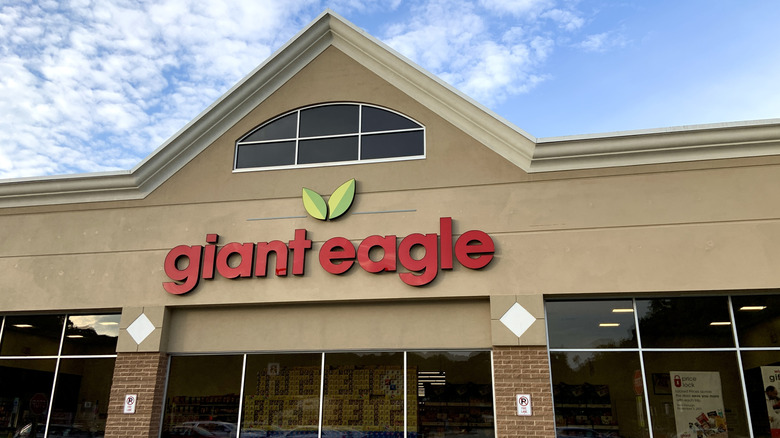
Giant Eagle, not to be confused with another grocery chain called Giant, has been around since the early 1900s. To attract more customers, various cost-saving initiatives have been offered over the years, including the fuelperks+ and foodperks!, which rewarded frequent shoppers with discounts (myPerks is the program currently in place). Despite these initiatives, Giant Eagle remains one of the most expensive grocery chains in the United States, and customers often lament that the brand has a strong hold over grocery stores in Pittsburgh.
Often, customers are left confused by products' exorbitant prices. For example, one Redditor in r/pittsburgh posted a picture of a bottle of McCormick Cinnamon Sticks that cost $8.79 at Giant Eagle, as compared to $4.18 at Walmart. There's concern over whether the employees are treated fairly, too, and some of our favorite aspects of the chain have ceased to exist; for instance, stores that used to offer childcare services at "the Eagle's Nest" no longer do.
So where is that money going? We would like to think that some of it is directed toward sustainability initiatives. Giant Eagle does have a LEED-certified store in Ohio, after all. But there's not a lot of transparency at this chain, so the money could simply be lining the pockets of the powers that be. If you choose to shop at Giant Eagle, stay up to date with initiatives like the recent penny trade-in event to save money.
Methodology

While curating this list, we took into account online product prices. In addition to some of the most popular items at each store, we specifically looked at the prices of whole wheat bread and whole milk, two staple ingredients in many American households. Whole wheat and multigrain breads are quickly growing in popularity.
Although they are consumed slightly less than white bread worldwide, we chose to measure whole wheat bread prices because many of the chains on this list cater to customers looking to optimize their health. Because prices vary across brands, we did not consider outliers and gave preference to in-house brands when possible. Prices also vary between stores, so we backed up our cost analyses with online customer reviews.