

10 Best Non-Perishable Items To Donate To A Food Bank
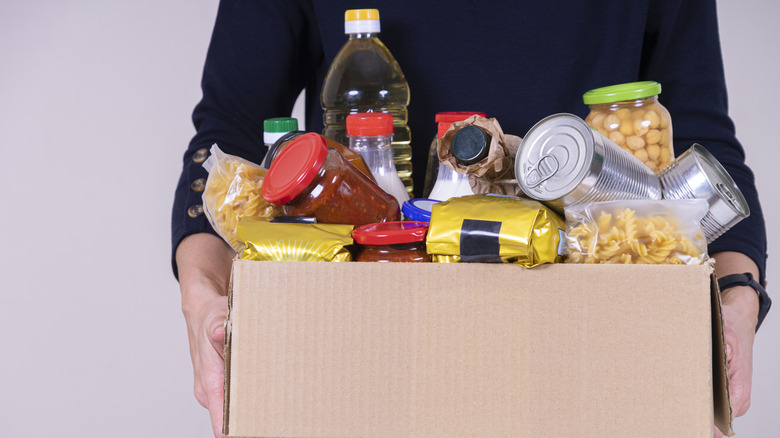
With the cost of groceries skyrocketing, food insecurity remains a pressing issue in the U.S. In 2023, 13.5% of households were food insecure at some point during the year, according to the USDA Economic Research Service. That's around 18 million families struggling to put enough food on the table to support an active, healthy lifestyle. For those who have the privilege of a well-stocked kitchen, one of the most impactful ways to support others is by donating to a local food bank.
When a food bank receives donations, it ensures the items get distributed to those who need them the most. By simply picking up a handful of additional pantry staples during your weekly grocery shop, you could make a huge difference in someone's life, providing them with much-needed nourishment and stability. Donating to the food bank is also a great option when you have a surplus of non-perishable foods on hand — like after large gatherings and the holidays.
According to food bank guidance, items with a long shelf life are amongst the most in demand. Non-perishable, shelf-stable foods can be transported and stored easily, and since they won't go bad within a few days like many fresh foods, there's plenty of time to ensure they get into the right hands. Below are 10 fantastic food items to consider donating, and if you're unsure where you can go to help, use this handy Feeding America tool to find your local food bank.
Rice
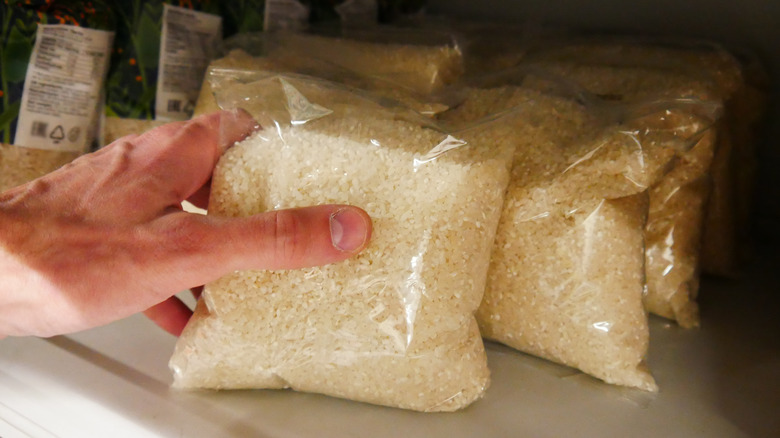
Rice is a pantry staple around the world, being versatile, filling, and nutritious. These qualities, combined with its shelf-stable nature, make it one of the best items to donate to a food bank. These humble grains are versatile and easy to prepare, and serve as a great foundation for pairing with proteins and vegetables. Rice is a familiar comfort food for many cultures, working just as well tossed into a curry or stir-fry as it does in a hearty stew or grain bowl. It's also a solid source of energy-giving carbohydrates, and naturally free of all of the 14 major food allergens, meaning it suits a wide range of dietary requirements.
While both white and brown rice are good options here, the former boasts a longer shelf life, keeping well for two years or longer if stored in a cool, dark place. Brown rice, on the other hand, will last for around six months, since it contains natural oils that make it go rancid more quickly. But brown rice packs more nutrients, being higher in both fiber and protein than white rice. Instant or parboiled rice is another fantastic choice, as this requires minimal cooking time and energy, making it more convenient for those with limited kitchen access or resources.
Pasta
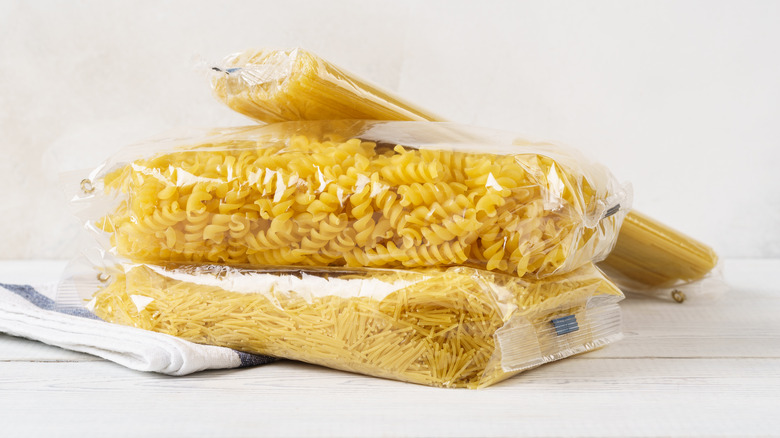
Another affordable and adaptable item that food banks always appreciate is pasta. This satisfying staple ticks all of the boxes, being conveniently shelf-stable and suitable for adding to a huge array of dishes. There are many types of pasta to choose from, too, such as fusilli, penne, shells, or spaghetti.
Pasta offers an excellent source of carbohydrates, and it can easily be transformed into a balanced meal with a handful of additional ingredients. Consider donating pasta alongside a jar or two of pasta sauce, which is also non-perishable, and can help create a quick, family-friendly meal. A tangy tomato-based or creamy cheese sauce would be an excellent option. Pasta is also perfect for cooking up with canned goods like beans, meats, and vegetables, which help it stretch further while providing an extra dose of protein, vitamins, and minerals. Classic pasta tends to be the most universally loved, but you could always throw in a bag of whole wheat or lentil-based pasta, which are higher in fiber and other nutrients.
Canned beans
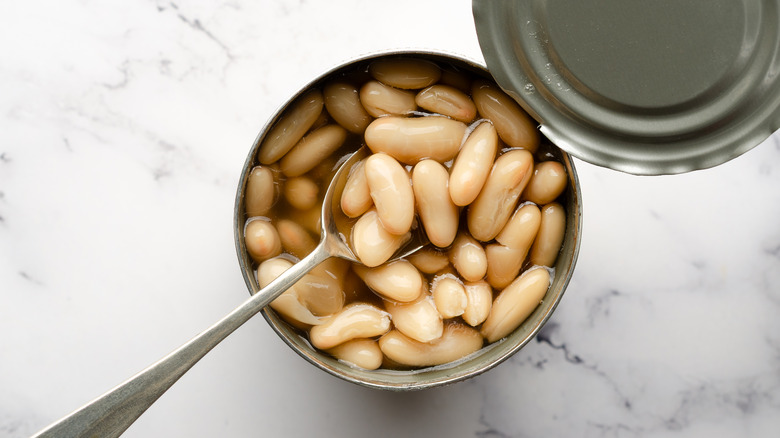
Few foods blend nutrition and convenience as well as canned beans, so these hearty ingredients are especially valuable at the food bank. Beans are rich in protein, fiber, and essential minerals like iron and manganese, making them an excellent substitute for meat in a variety of dishes. Yet, they boast an impressive shelf life of up to five years.
Donations of items like canned chickpeas, kidney beans, black beans, and pinto beans will all be welcomed by your local food bank. These provide a reliable source of nourishment and have a wide range of uses. Beans fit seamlessly into everything from comfort food classics to fresh salads. They're ideal for dishes like chili, casseroles, burritos, and dips, where they can help families create wholesome meals with minimal effort.
Consider selecting low-sodium versions of canned beans. These are not only a healthier choice, but will also allow recipients to season their dishes to their own taste. Plain beans are likely more useful than those packed with additional seasonings or sauces, since they're easier to incorporate into different meals.
Nut butter
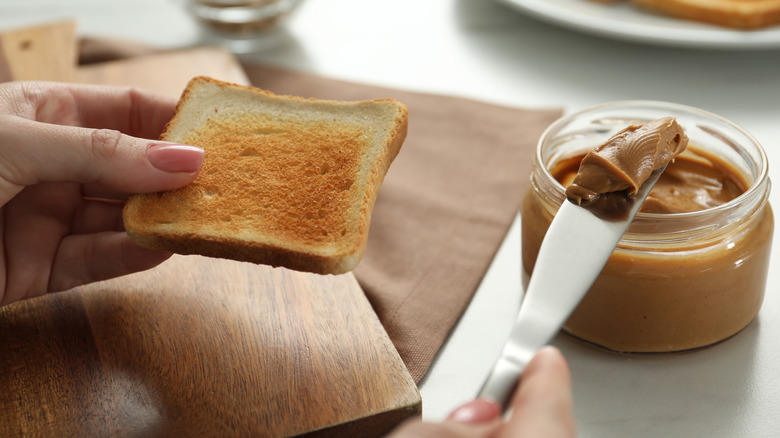
A jar of nut butter makes for a practical, crowd-pleasing addition to your food bank donation. It's nutrient-dense, providing a welcome dose of protein, healthy fats, and fiber, and this much-loved pantry staple is ready to eat right out of the jar, with no cooking required. Peanut butter has broad appeal, loved by kids and adults alike, but there are other options to consider here, too. Almond butter, which actually contains twice as much fiber as its peanut-based counterpart, offers a rich, slightly sweet taste and just as much versatility. There are also varieties made with cashews, hazelnuts, and pecans, which make excellent alternatives for those with peanut allergies.
As well as being a go-to toast topper and sandwich filler, nut butter can be used in plenty of creative ways. It's great for adding flavor and sustenance to savory meals, especially Asian-inspired dishes like stir-fries and curries. You can use it to whip up sweet treats like cookies and blondies, or, when cooking isn't an option, dollop it into breakfast bowls or use it as a dip for fruit. When donating nut butters, look for shelf-stable varieties rather than natural versions that require refrigeration after opening.
Canned vegetables
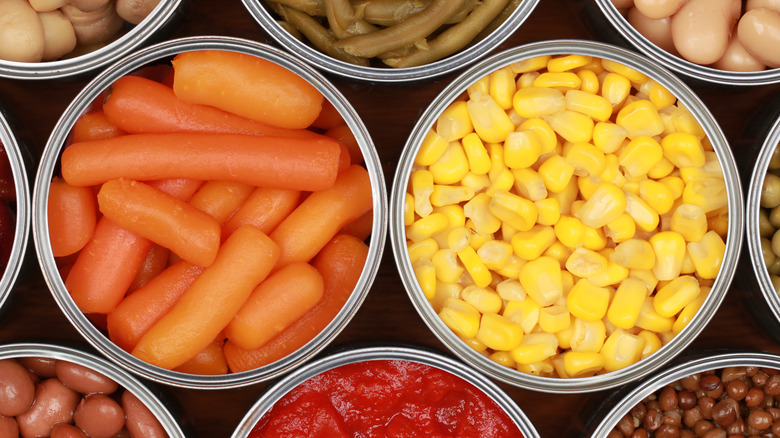
Everyone knows how important it is to eat your veggies, but getting hold of fresh produce isn't always possible for those experiencing food insecurity. Canned versions offer a more affordable, easy-to-store alternative, and they come with the added benefit of being pre-cooked. Canned vegetables come in various forms, with carrots, green beans, and corn being notable choices. These can be served as a simple, nutrient-rich side or stirred into rice and pasta-based dishes. And let's not forget canned tomatoes — which are perhaps the most versatile of them all — serving as a flavorful base for sauces, soups, and casseroles.
Canned veggies are just as nutritious as their fresh or frozen counterparts. They're typically canned within a few hours of harvesting, which locks in essential vitamins and minerals while maximizing flavor. Canned carrots are an excellent source of vitamins A and K, while mushrooms provide a good dose of minerals like selenium, copper, and magnesium. And, green vegetables like peas and green beans are particularly rich in vitamin C. Healthier, low-sodium products are your best bet here, as these are easy to customize with additional seasonings. Consider donating them alongside canned beans, meats, or fish, plus something carb-based, and you'll have provided everything required to craft a well-rounded, filling meal.
Breakfast cereal
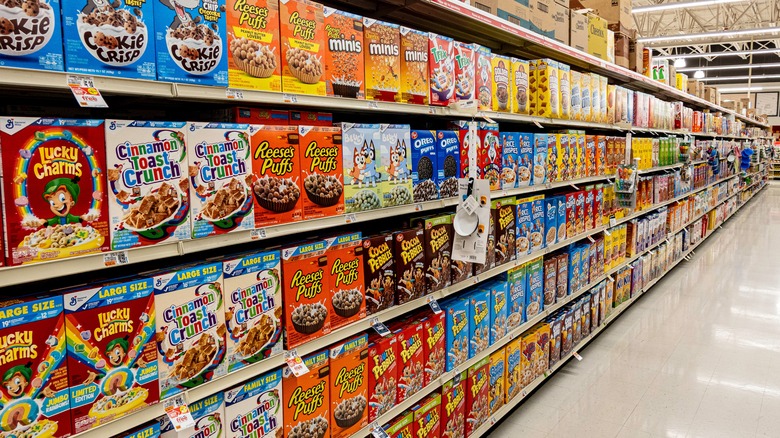
A fast, ready-to-eat meal or snack, breakfast cereal is a wholesome option for families facing busy mornings. Unopened, it can sit in the pantry for up to a year. And, there's no cooking required to enjoy its moreish crunch, so it can be a real lifesaver for those without access to a kitchen.
Cereals generally offer a good source of carbohydrates, and many are fortified with essential vitamins and minerals, which makes them a handy tool for helping kids get important nutrients. On grocery store shelves, you'll find a huge selection, from sweet, chocolatey cereals to healthier whole-grain flakes and high-fiber options. Protein-rich cereals are also likely to keep recipients feeling full for longer. Paired with fresh milk or even reconstituted powdered milk, cereal becomes a satisfying breakfast. Or, you can simply eat it dry as a quick snack. Instant oats are another fantastic product to donate, as these can be prepared in mere minutes by simply pouring hot water over them or popping them in the microwave.
Canned meat and fish
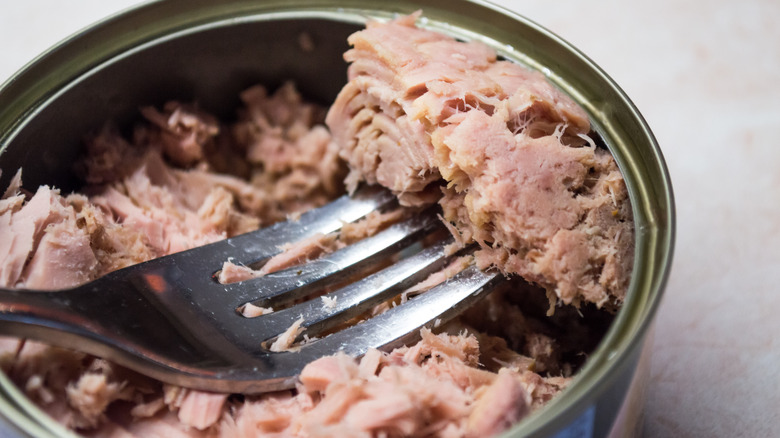
Some of the best non-perishable sources of protein come from canned meats and fish. You can store them for years with no risk of spoilage, and once again, they present endless meal options. Tuna, salmon, Spam, and corned beef are all easy to transform into nutritious, complete meals, even without an oven or stovetop available.
Protein is vital for building and repairing tissues in the body, and plays an important role in the production of essential hormones and enzymes. It's also one of the most-lacked nutrients amongst food-insecure individuals. Therefore, canned proteins are one of the most sought-after items at food banks. While fresh meat and fish are excellent sources of protein, they are expensive and highly perishable, so canned versions are a budget-friendly substitute that can provide the same level of nutrition while being infinitely more convenient.
Canned tuna can be tossed into a sandwich or pasta salad, and sardines, which provide an excellent source of omega-3 fatty acids, are perfect for serving on toast. A can of chicken or corned beef can bulk out a casserole or soup, and classic Spam is a favorite for serving alongside rice and eggs.
Cooking oil
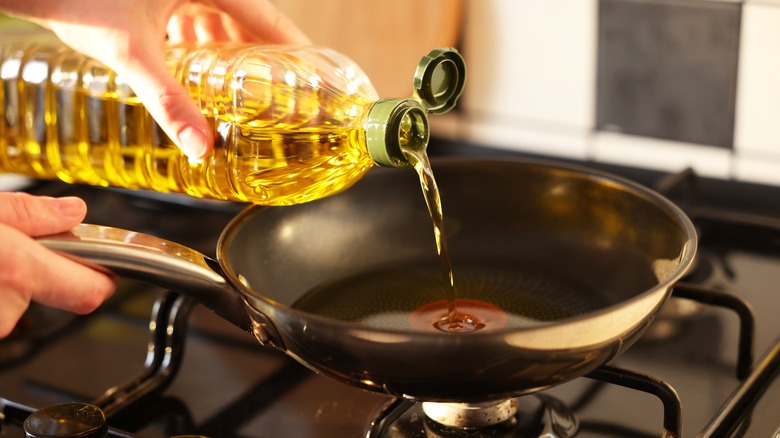
Cooking oil is an often-overlooked essential that's used in the preparation of countless homemade dishes, and for many food-insecure households, this basic ingredient may not be easily accessible. Hence, it's one of the most practical and appreciated donations you can make to your local food bank.
With a simple bottle of cooking oil, you open up a whole other realm of cooking possibilities, whether that's sauteing veggies, frying eggs, or dressing salads. It allows for a diet with far more variety, all while making other foods like canned beans and meats more flavorful and satisfying. Oils also contain fat, which is an important part of any diet, providing lasting energy and helping the body absorb essential fat-soluble vitamins.
Neutral oils will be the most versatile donation options here. Think vegetable, canola, or sunflower, which work well for most cooking methods due to their mild flavor and high smoke point. Olive oil is another great choice if you can spare it, as it offers extra flavor and heart-healthy benefits, while still being well-suited to frying and roasting.
Dried herbs and spices
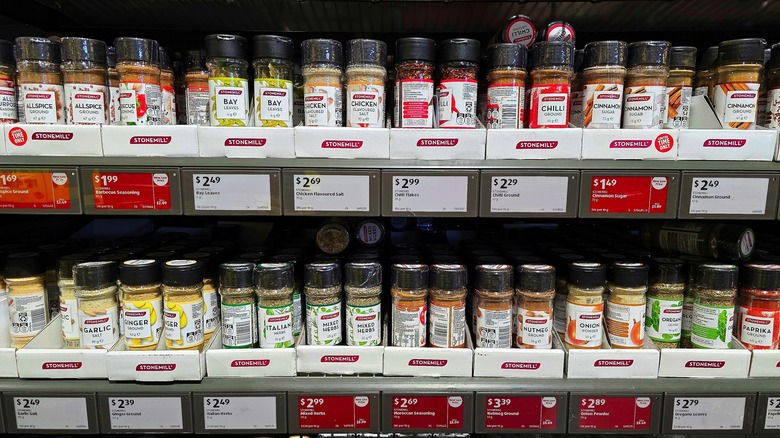
Another transformative essential in any kitchen is a selection of dried herbs and spices. Adding a dash of seasoning can take a simple can of beans or bowl of rice from bland to bursting with flavor, and it's a wonderfully easy way to bring joy and variety to everyday meals. Being compact and inexpensive, dried seasonings are perfect candidates for donation, and their shelf life typically sits somewhere around the two-year mark. Some even offer notable health benefits. For example, turmeric, oregano, and ginger are known for their potent antioxidant properties.
When deciding what to donate, think about what you reach for most frequently in your own cooking. Blends like Italian herbs and chili powder can bring flavor to a wide range of meals, and cinnamon is perfect for elevating breakfast bowls and bakes. Garlic powder and onion powder are also especially useful, adding heaps of aromatic depth to anything from pasta and stew to dips and dressings.
Powdered milk
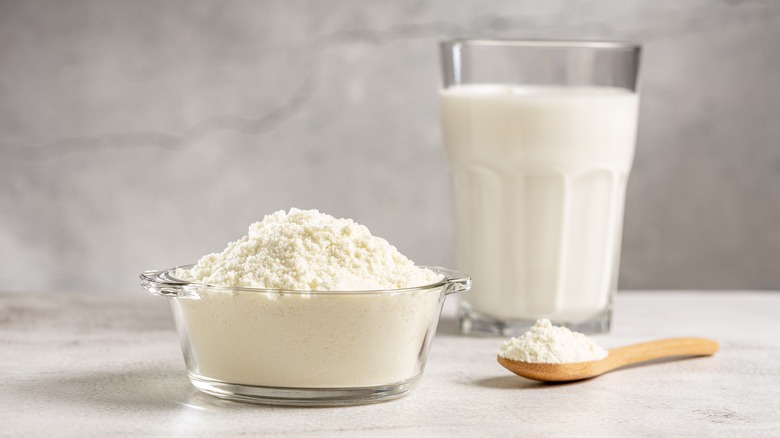
You don't need a fridge to reap the nutritional benefits of milk, because when reconstituted, shelf-stable powdered milk also provides an impressive dose of calcium, potassium, and amino acids. Many products are also fortified with extra vitamin D, which is important for bone health, especially in young children. This makes powdered milk a game-changer for families with limited access to fresh dairy products.
Mixed with water, powdered milk can be used much like its fresh counterpart. Pour it over cereal, stir it into hot drinks, or add richness to mashed potatoes. It's a staple for whipping up a stack of fluffy pancakes, and it works brilliantly in baked goods like cakes and scones, too.
If you can't get your hands on powdered milk, another good option for donation is shelf-stable milk. Thanks to the pasteurization process it undergoes, shelf-stable milk can keep for up to nine months in the pantry, and it doesn't require refrigeration until after opening. Plus, there are plenty of options to choose from, including plant-based shelf-stable milks made with soy, oats, or almonds. These are especially valuable to those with lactose intolerance or dairy allergies.