

The Nutty Addition That Deserves A Spot On Your Next Italian Sub
We may receive a commission on purchases made from links.
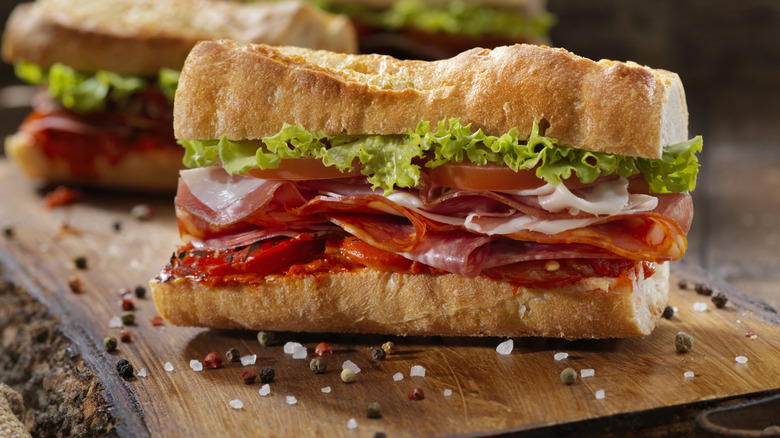
It's sometimes difficult to imagine nuts tucked inside an Italian sub — but only if imagination gets burdened by preconceived notions. In this case, we're suggesting one particular nut, which happens to grow prolifically in parts of Southern Italy, making it a somewhat of a natural complement to Italian-based sandwiches. It's the perky little pistachio nut, a multifaceted member of the Anacardiaceae (cashew) family.
As such, it tucks easily between sandwich rolls in several forms. Adding shelled pistachios brings extra texture and flavor to Italian-style subs, providing a crisp, slightly sweet, earthy crunch that pairs well with the savory salami, ham, provolone, or mortadella that's typical of these sandwiches. Just lightly toast and chop (or crush) the pistachios, then sprinkle over the fillings before closing the sandwich. That's a quick-fix upgrade with some pretty impressive nutrition benefits; pistachios are rich in plant-based protein, fiber, potassium, and vitamin B6, pulling their weight as more than simply a sandwich garnish.
But the pretty green nut has plenty of potential, lusciously transforming into a sandwich spread in the form of a pistachio-based cream or pesto. Similar to mayonnaise, these condiments can acts as both a flavor enhancer and a binder to keep that piled-high sandwich intact. Pistachio spreads are fairly common in Italian sandwich recipes, pairing well with creamy cheeses and spicy meats. In fact, many versions of mortadella, a mainstay ingredient in these kinds of subs, come chock-full of pistachios already.
Pistachio-infused sandwich spreads and meats
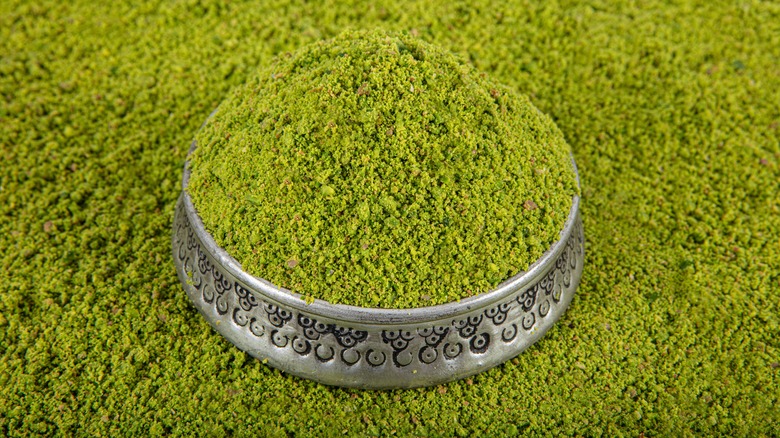
In our guide of 15 ways to upgrade an Italian subs shared by sandwich-making experts, we offer some creative insights on building this craveable lunch favorite — including a pistachio option. The mystique of pistachio-based spreads is easily dispelled when you realize they're not much different than other nut-based butters or creams. Think: peanut butter, an everyday staple in American homes; hazelnut spreads like Nutella; or other butters made from cashews, almonds, macadamias, and more.
Pistachios are generally more expensive in the U.S., often considered occasional-splurge nuts. They're largely produced commercially in the Middle East, or primarily in California on a domestic level. You'd be hard-pressed to find pistachio spreads in everyday American supermarkets, but you can certainly make them yourself. For a simple and concentrated sandwich paste, it really only takes a handheld tool like Redecker's Food Masher. But, for larger volumes, using a kitchen blender or food processor is a good idea. When creating homemade pesto for sandwiches, forgo the pine nuts typically found in commercial pesto sauces and replace them with pistachios.
Pistachio cream, another excellent choice for Italian subs, is a bit more nuanced, requiring things such as milk, butter, powdered sugar, and white chocolate, depending on the recipe. This injects a subtle sweetness to the sandwich, while still retaining the savory flavors of Italian meats. When mortadella is part of the equation, choose one infused with pistachios for a doubly nutty nudge.