

10 Foods That Naturally Lower Cholesterol
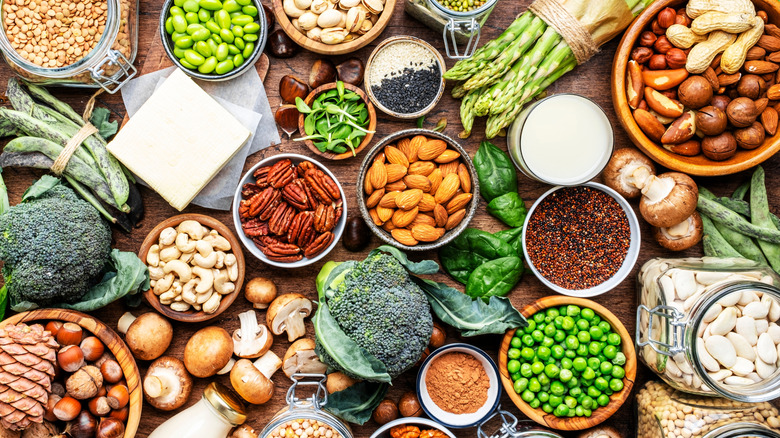
High cholesterol has serious implications for our long-term health. In fact, according to the World Heart Federation, it's responsible for a whopping 3.6 million deaths globally every year. So, what is cholesterol and why is it so dangerous? For starters, there is one type of cholesterol that is considered bad, LDL cholesterol. It's a fatty substance in your blood that is partly produced by the liver but is also contained in certain foods we eat. When there is too much of it, it can block your arteries and cause heart disease and stroke. Sadly, a lot of foods that cause high cholesterol are pretty delicious, including processed meat, anything fried, baked treats, and butter.
There are multiple ways to curb the worst effects of high cholesterol, including cutting down on these tasty foods, exercising, and quitting smoking. But another option involves adding to your diet, not subtracting from it. Believe it or not, some foods actively lower bad cholesterol in your blood, no medication or running shoes needed. We spoke with two dieticians about which foods actually have this magical ability and why. Luckily, many of them are easy to incorporate into your diet so you don't have to completely shut out those little indulgences here and there. It's all about balance, right?
1. Oats
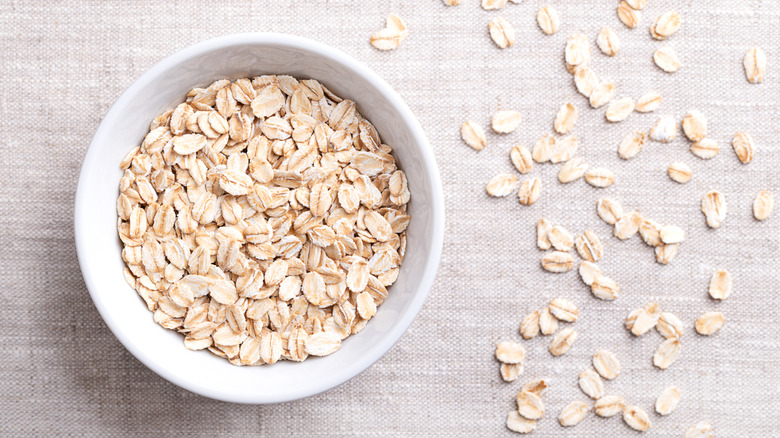
Whole grains are an excellent place to start when embarking on a cholesterol-lowering diet, but according to registered dietician Amy Chow, C.E.O. of BC Dieticians, they are often overlooked because many people are scared of eating carbs. Whole grains are packed with fiber, which is one of the most effective nutrients for lowering cholesterol. According to Chow, just 1½ to 2 cups of oatmeal per day can lower LDL cholesterol by as much as 10%.
Deloris Gibson, registered dietitian and diabetes educator at Penn Highlands DuBois Diabetes & Nutrition Wellness Center, is also a fan of oatmeal when it comes to lowering cholesterol. Both she and Chow pointed to its soluble fiber content in particular, which is more digestible than insoluble fiber. According to Gibson, we should be aiming to eat up to 30 grams of total fiber every day, five to 10 of which should be soluble fiber, specifically.
She recommends adding fiber to your diet wherever you can, including by sprinkling oat bran over cereal. But there are countless ways that you can incorporate more oats into your cooking beyond oat bran. If you need inspiration, look no further than these 13 outstanding oatmeal recipes, many of which can serve as breakfast and dessert.
2. Soy
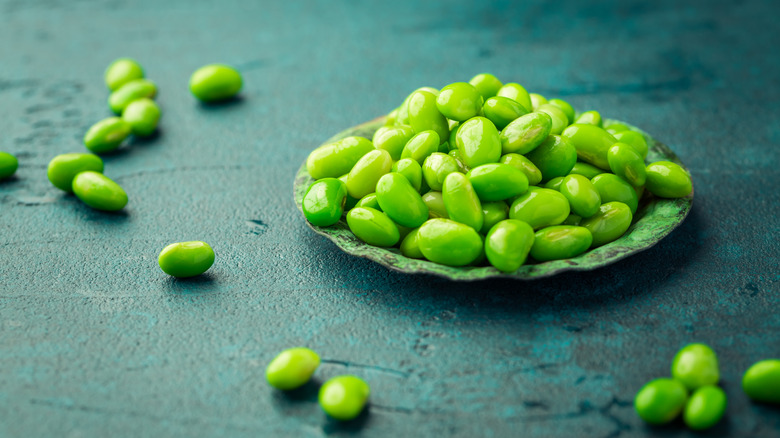
Soy has many health benefits, making it a multi-pronged approach to lowering cholesterol. For one thing, it's an excellent source of protein. Protein is one of the best ways to satiate hunger, even when compared to higher-calorie foods that are full of unhealthy fats and carbohydrates. Meanwhile, as Amy Chow pointed out, it's full of omega-3 fatty acids, which actually lower cholesterol rather than raise it, the way saturated fat does. A 2019 study published in The Journal of Nutrition (via Harvard Health Publishing) found that eating 25 grams of soy protein every day for six weeks lowered cholesterol by 3 to 4%. Chow also noted that soy contains isoflavones, a substance that has been linked to various health benefits, including improving cardiovascular health and preventing osteoporosis.
If the word soy automatically conjures unappealing images of dreary, tasteless tofu dishes, fear not. There are many ways to include this heart-healthy ingredient into your diet, and as that rundown of all its health benefits suggests, it's well worth doing. We have a roundup of 12 soy-based ingredients to get you started. You might be glad to learn that there are at least 11 other ingredients beside tofu that are made with soy.
3. Unsaturated fats
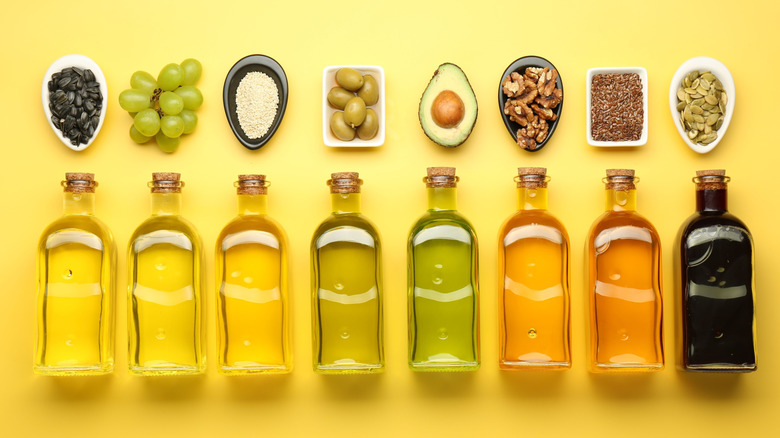
It is an unfortunate fact that saturated fat, such as butter and coconut oil, raises cholesterol. In fact, Amy Chow told us that it is "the single most predominant dietary determinant of blood cholesterol." Switching to unsaturated fats will automatically lower your cholesterol if you've been favoring saturated fats to this point, but as Deloris Gibson pointed out, you can also double up on the benefits by eating foods that contain both healthy fats and soluble fiber. Chia seeds and ground flax seeds fit the bill.
Instead of using butter for cooking, opt for polyunsaturated fats and monounsaturated fats. These are the ones that are usually liquid at room temperature but begin to harden when refrigerated. Olive oil, canola oil, and sunflower seed oil are some of the most common. These have the benefit of not being saturated fats, of course, but they also provide vitamin E, which is an antioxidant. Polyunsaturated fats also provide essential omega-3 and omega-6 fatty acids, which have been linked to a range of health benefits, including the reduction of inflammation.
4. Nuts and seeds
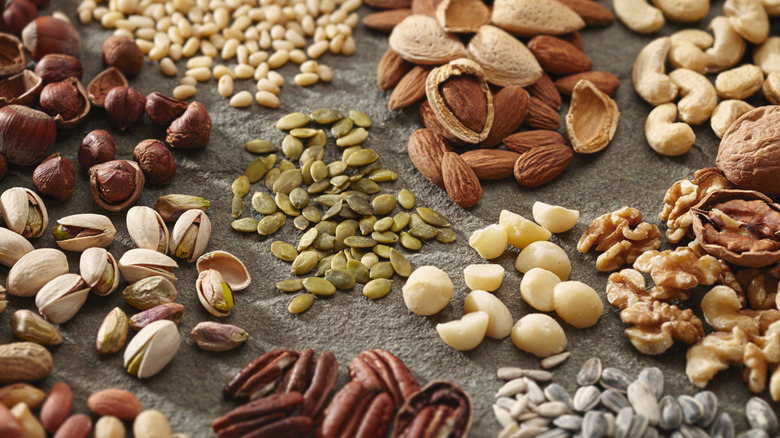
Some people might shy away from nuts and seeds due to their high calorie count, but according to the dieticians we spoke to, they are some of the best defenses against high cholesterol. In fact, it is because, not despite, of their calorie content that they so effective. Nuts are packed with healthy unsaturated fats and fiber, both of which satisfy hunger pangs and decrease your likelihood of reaching for high-calorie, low-nutrient processed snacks. By cutting out the foods that raise cholesterol, they can help minimize it.
Not all nuts and seeds are created equal, of course, but Amy Chow revealed that eating about a ¼ cup of them every day can reduce LDL cholesterol by as much as 10%. According to Heart UK, studies have shown that this reduction is even more pronounced in people who have a high baseline of bad cholesterol, meaning that if you already have elevated levels of substance, you may get more bang for your buck by eating nuts than someone who has low cholesterol does.
There is no shortage of options when it comes to adding nuts to your diet. You can snack on them, toss them on salads, add them to baked goods, and sprinkle them over cereal. Although you'll get health benefits out of most nuts and seeds, we rounded up a list of five of the best nuts to eat, according to a nutritionist, so you can choose the best of the best.
5. Beans and lentils
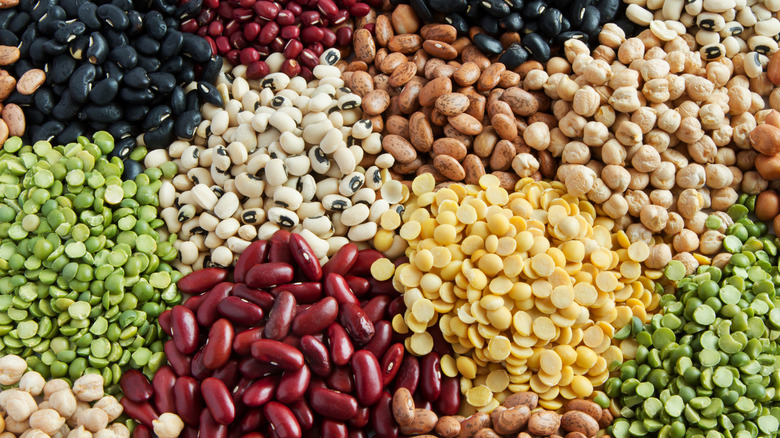
You've probably heard that beans and lentils are excellent sources of plant-based protein, but you might not have known that they can help lower your LDL cholesterol, too. According to Amy Chow, just 120 grams per day of these ingredients (or about ⅔ of a cup) is all you need to see the benefits.
The quantity is key, though. A 2021 study published in the Journal of Nutrition found that eating 1 cup of canned beans per day greatly reduced bad cholesterol, while eating only a ½ cup showed little change. In other words, it pays to eat a lot of beans and pulses. All of this is great news, especially considering that eating these plant-based proteins means that you're not eating red meat and processed meat, which can cause everything from heart disease to type 2 diabetes.
If you aren't a fan of rice and beans or lentil soup, there are plenty of ways to eat these ingredients without making them the main character in every dish. Deloris Gibson recommends adding them to soup. For example, if you're making chicken soup, just add a can or two of white beans or lentils to the mix and you might not even notice they're there.
6. Psyllium husk
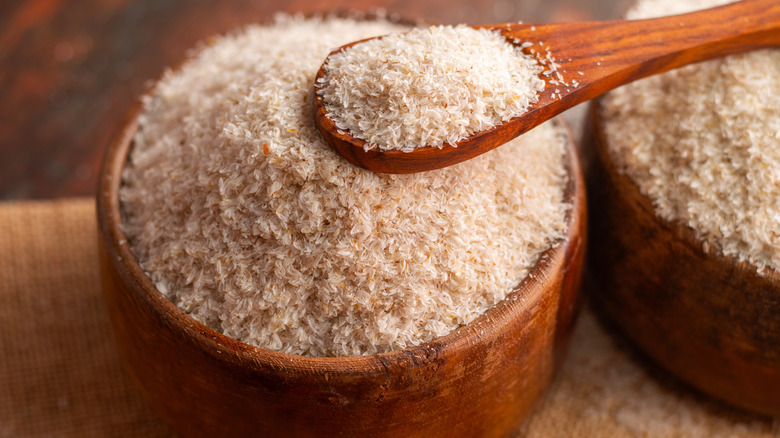
Psyllium husk might not sound like the most appetizing ingredient of all time, but its nutritional profile is pretty hard to deny. According to Amy Chow, it contains eight times more soluble fiber than oat bran. As a reminder, soluble fiber is the type of fiber that is easily digestible. As Deloris Gibson explained, it absorbs water and swells into a gel-like mass that helps lower cholesterol in the blood. Most foods contain more insoluble fiber than soluble fiber, but psyllium husk is the opposite, making it one of the best ingredients there is to reduce cholesterol.
So, what exactly is psyllium husk? It's the hard, outer shell of the seeds of the Plantago ovata, a plant that grows predominantly in India and the Mediterranean parts of Europe. You might have seen it in supplement form or in a powdery consistency that resembles sawdust. When mixed with water, it creates that gel-like substance that Gibson described. Many health professionals tout its abilities to cure constipation, but it also helps lower cholesterol. Unlike a lot of the other ingredients that Gibson and Chow mentioned, psyllium husk isn't easily incorporated into everyday cooking. Its gloopy texture won't do your soup any favors, so it's best to just mix it in with water and drink it.
7. Fortified margarine spreads
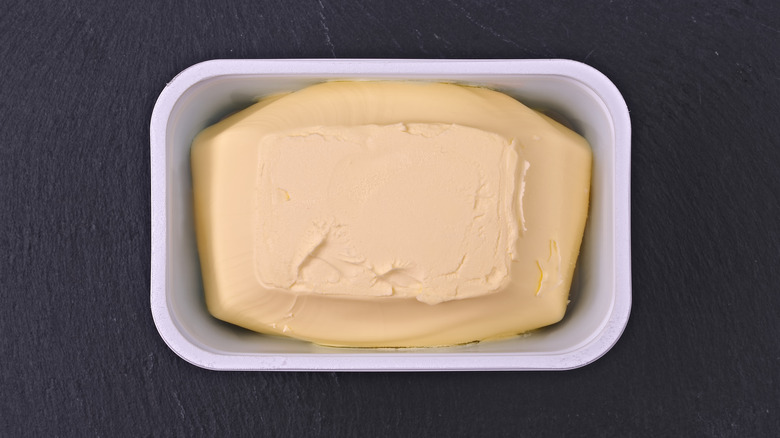
It might surprise you to learn that margarine spreads might actually hold some health benefits aside from their artificially derived deliciousness. In recent years, whole-fat dairy products have experienced something of a comeback, and there are even reasons to embrace butter as part of a healthy diet. However, when it comes to high cholesterol, full-fat dairy is one of the main culprits. Margarine spreads are often made with unsaturated fats, which automatically make them better for our heart health, but according to Deloris Gibson, many of these products are also fortified by two ingredients that are even more powerful: sterols and stanols.
"Sterols and stanols look like cholesterol to our body," Gibson explained, "[And] they can prevent the cholesterol in the food we eat from being absorbed." They occur naturally in fruits, vegetables, beans, and whole grains, but many other products, including some margarines, cereals, juices, and breakfast bars, contain them as well.
8. Leafy greens
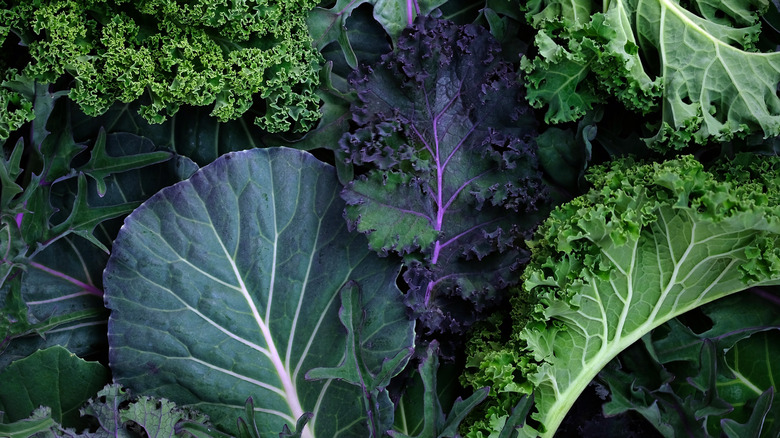
We all know that leafy greens are good for us. Their high antioxidant content makes them an excellent defense against cancer and they contain just about every vitamin you can think of (A, C, E, K, and B, to name a few). They also provide everything from iron to calcium, all while containing very few calories. Not surprisingly, given their seemingly neverending list of health benefits, leafy greens are also one of the best ingredients to curb high cholesterol. They are also a primary source of lutein, a carotenoid associated with eye health. A 2011 study in the Journal of Nutrition conducted on guinea pigs found that lutein had a myriad of heart benefits as well. Even with a high-cholesterol diet, the guinea pigs that were given lutein showed a significant reduction in the damage caused by LDL cholesterol, suggesting that even if it doesn't actually reduce the amount of cholesterol in the blood, it can still help fend off the consequences.
Luckily, there are many types of leafy greens you can add to your diet, from the butteriest chard to the spiciest mustard. And if you'd rather just stick to one variety, we've rounded up our 34 best spinach recipes so you'll never have to stare at that wilting bag in your fridge and rack your brains about what to do with it.
9. Pectin-rich fruits
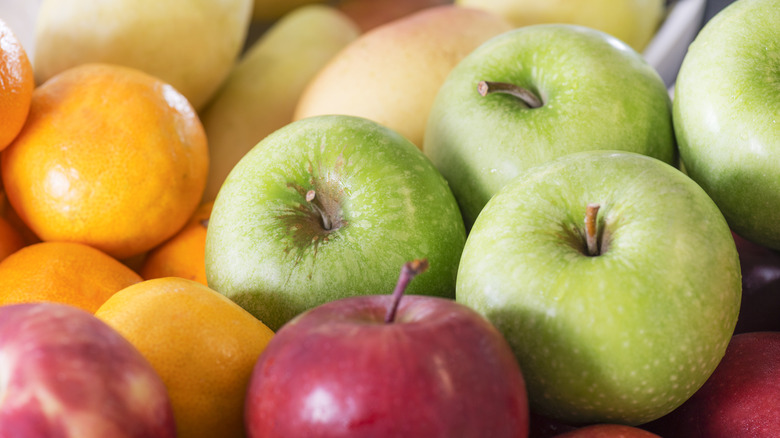
We know that soluble fiber is great at lowering cholesterol, but it turns out that there are multiple types of soluble fiber that go by different names. One of them, pectin, is found in many fruits, including apples and oranges. Other fruits, such as pears, peaches, and cherries, have a much lower pectin content. If you've heard of pectin, it was probably in relation to recipes for jellies and jams. That gel-like consistency of soluble fiber that Deloris Gibson described is exactly what makes pectin so prized an ingredient in jam-making that it is often added as a separate ingredient in addition to the fruit.
So, if you're looking for way to incorporate more soluble fiber into your diet, opt for fruits like citrus and apples. A 2011 study published in the European Journal of Clinical Nutrition found that 15 grams of pectin from these two types of fruits per day could lower cholesterol by as much as 10% in adults with mildly elevated cholesterol. Gibson noted that, to maximize the fiber content, you should be opting mainly for whole fruits rather than fruit juices.
10. Avocados
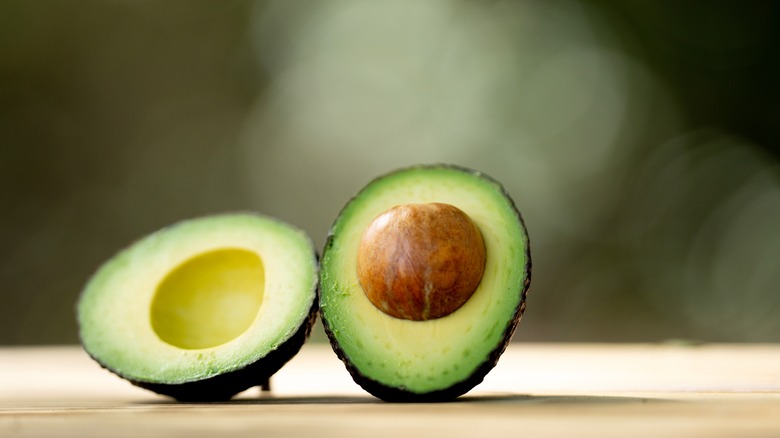
You probably don't need any excuses to eat more avocados. This deliciously creamy fruit is a foundational ingredient in any 21st-century American diet, and there is no shortage of ways to eat it. Luckily, despite all the fear-mongering about their caloric content, avocados actually are extremely healthy. Like chia seeds and ground flax seeds, they contain that magical combination of healthy, unsaturated fat and soluble fiber that Deloris Gibson described. Just half of a medium-sized avocado contains about 1.6 grams of soluble fiber, which gets you well on your way to the minimum of 5 grams that Gibson recommends we aim for every day.
A 2023 meta-analysis published in Cureus compared several diets, including low-fat diets and ones that included avocados, to determine whether the green fruit actually helps lower LDL cholesterol. It found that, despite being full of fat and calories, diets containing avocado did, in fact, lower cholesterol more than diets without it. So, consider this your sign to make some sourdough avocado toast for your next meal.