

16 Best Add-Ins For Homemade Meringue
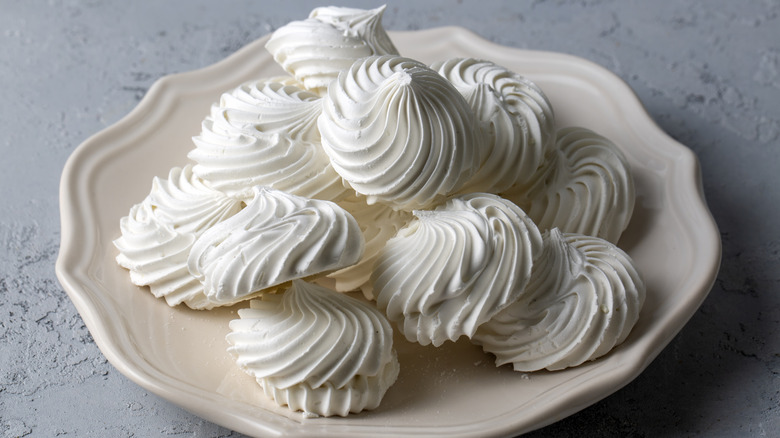
Meringue is one of baking's simplest pleasures — just egg whites and sugar whipped to fluffy peaks, then baked low and slow until crisp and cloud-like. But while beautiful, meringue can admittedly taste a bit one-note sweet. That's where add-ins come in, and the trick is choosing the right ones.
As a former professional pastry chef and bakery owner, I've made my fair share of meringue cookies. But the real fun began when I started tossing in ingredients to dress them up. From citrus zest and cocoa powder to toasted nuts and dried herbs, a few additions can transform simple meringue into something so much more.
My pro tip? Stick to ingredients with little moisture and no or very little fat, as they can deflate your meringue and keep it from baking properly. Pick flavors and textures that complement without weighing down — and know when to add them. Here are my favorite add-ins to turn basic meringue into something bakery-worthy.
Flavoring extracts
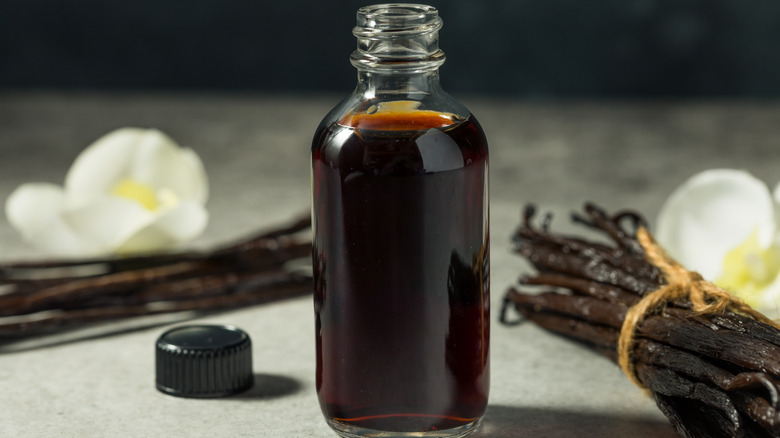
One of the most popular — and easiest — add-ins for meringue is flavoring extract. Gently fold the extract into your finished meringue just before piping or shaping your cookies. Just a splash of this concentrated liquid can add wonderful flavor to meringue without disrupting its delicate texture. Vanilla is the classic choice, adding warm, sweet, slightly smoky notes. It also makes a great base flavor for other add-ins — like nuts, coconut, or cocoa powder — as it ties all the flavors together so the meringue cookies taste balanced rather than overly sweet.
Almond extract is another favorite of many bakers. Its sweet, nutty, and slightly cherry-like flavor pairs beautifully with berries and chocolate, but it should be used sparingly since it can be pretty potent. During the holidays, give peppermint extract a try; the refreshing, cool flavor is one of the season's most desired tastes. And don't forget the citrus extracts, like orange and lemon. Lemon-flavored meringue cookies will instantly remind you of lemon meringue pie, while orange extract will lift you with its fresh, citrusy sweet taste.
Citrus zest
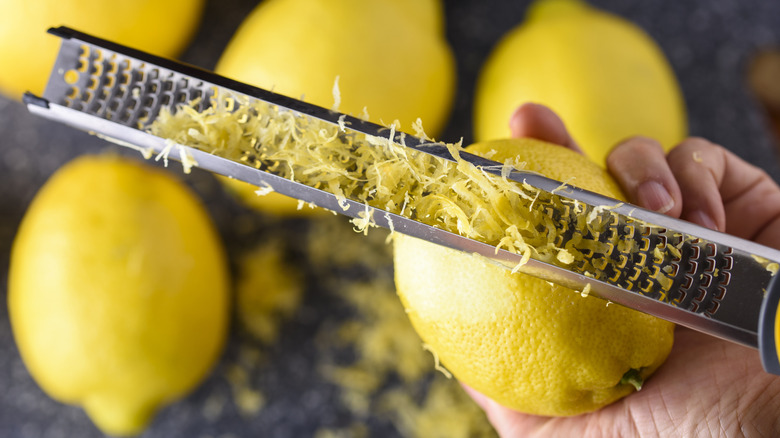
Adding citrus zest to meringue cookies is an easy way to brighten their flavor and balance their sweetness. Finely grated lemon, orange, lime, and even grapefruit add welcome acidity to meringue. The best way to incorporate citrus zest is to mix it with your sugar. The citrus oils will transfer to the sugar granules, which will distribute the flavor and fragrance more evenly when added to the egg whites. Unlike citrus juice, which would add too much moisture, zest delivers concentrated citrus notes without affecting the delicate structure of the cookie. The result is a light, airy cookie that tastes fresh and lively.
Beyond flavor, citrus zest adds a pleasing, clean, bright fragrance to meringue. It's a simple way to make meringues smell as good as they taste. Citrus zest also pairs well with other add-ins, such as chocolate, nuts, and dried herbs. Combinations like orange zest with dark chocolate or hazelnuts, lime zest with coconut, and lemon zest with basil or white chocolate can turn even your best meringue cookie recipe into something more special.
Cocoa powder
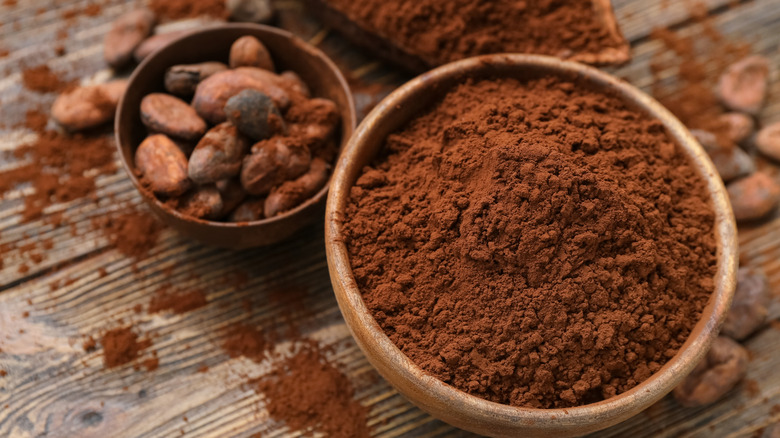
If you're the kind of baker who believes every dessert can — and should — include chocolate, meringue is a perfect place to start. Whipping a little cocoa powder into your meringue not only adds chocolate flavor but also introduces a bit of bitterness that offsets the sweetness. As an added benefit, cocoa powder also gives the cookies a rich color that's sure to grab the eye of any chocolate lover.
Not all cocoa powders are the same, though. There are numerous types of cocoa powder, and I'd recommend choosing from three: Natural cocoa powder (think Hershey's) provides a light, balanced flavor; Dutch-processed cocoa is darker and smoother, with a more mellow, earthy, deep chocolate taste, thanks to its lower acidity; or Double Dutch cocoa blends, which combine Dutch-processed cocoa and black cocoa (think Oreo cookies), for even deeper chocolate flavor and color.
You'll want to add cocoa powder to your egg whites right after they reach stiff peaks. Gently sift the cocoa into the meringue and fold with a spatula until the color is uniform.
Espresso powder
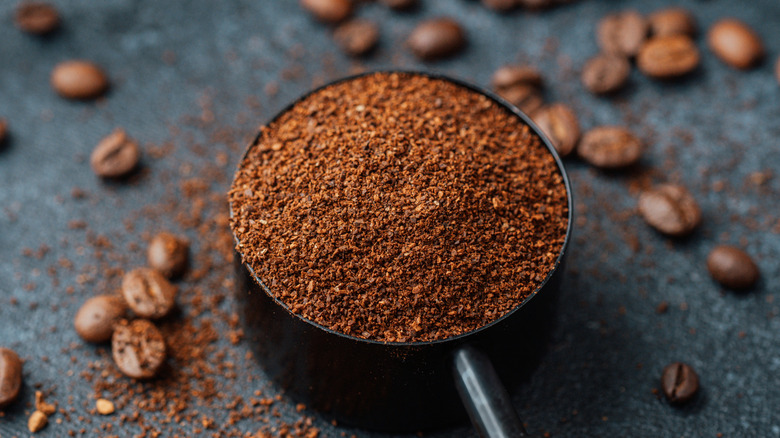
Looking to give your meringue cookies a jolt of flavor? Wake up your next batch with a touch of espresso powder. This finely ground instant coffee is brewed from dark-roasted coffee beans, then dehydrated and ground into a fine powder that dissolves in liquid or batter. Unlike regular instant coffee, espresso powder is specifically designed for baking to add a deep, mocha-like coffee flavor without adding moisture. When used in meringue, espresso powder not only adds an irresistible coffee flavor but also tempers the sweetness with its inherent bitterness. Espresso powder is also commonly used by bakers alongside cocoa powder, as it intensifies the chocolate flavor. If you've got a coffee lover in your life who deserves a sweet treat, espresso meringues are an obvious choice.
When adding espresso powder, timing is crucial to maintain a light and airy meringue. Your best bet is to add the espresso powder along with the sugar as you whip your egg whites. This way, it has a chance to dissolve and won't leave a gritty texture.
Chocolate
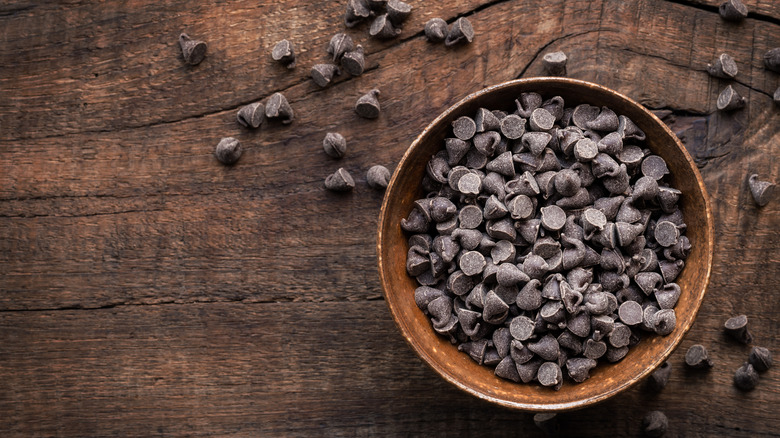
If you're like me, you're probably always looking for ways to add a little chocolate into baked treats, and meringues are a solid choice. Adding chocolate to meringue turns it into something richer and more complex. It adds a welcome element of texture, a bittersweet balance to the meringue's intense sweetness, and some creaminess that makes each bite more indulgent. As the meringue bakes, the chocolate softens slightly but holds its shape, creating pockets of smooth, melted chocolate that contrasts nicely with the crisp, airy texture of the cookie.
You can use mini chocolate chips, chopped chocolate, or grated chocolate, depending on what type of texture or look you're after. Grated chocolate creates a speckled appearance and an even, distributed flavor. On the other hand, mini chocolate chips and chopped chocolate add solid, yet soft, pieces of rich chocolate throughout the cookie for a bolder taste of chocolate flavor in each bite.
Any type of chocolate — white, milk, or dark — will work. For the best results, fold your chocolate in gently right after your meringue reaches stiff peaks, and resist the temptation to overmix so you keep the mixture light.
Nuts
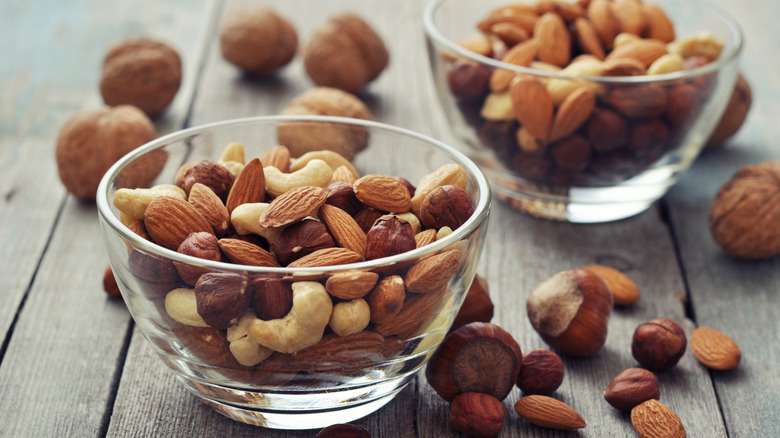
Nuts are reliable additions to many baked treats — and meringues are no exception. They add a satisfying crunch and make each bite way more interesting. Toasting the nuts before adding them to your meringue improves their texture and aroma, bringing out deep, roasted flavors that complement the sweetness of the meringue. Further, finely chopping the nuts helps them blend effortlessly into the delicate meringue and makes the cookie more enjoyable to eat.
Almost any type of nut can work as a mix-in, depending on the flavor you're after. Some popular choices include hazelnuts and sliced almonds. Pecans add a buttery depth to anything they're added to, and walnuts add a touch of bitterness that helps balance the sugar. Don't forget, you can combine add-ins for more complexity. Use hazelnuts with cocoa powder for a Nutella-inspired twist or mix sliced almonds and citrus zest for something light and aromatic.
Hard candies
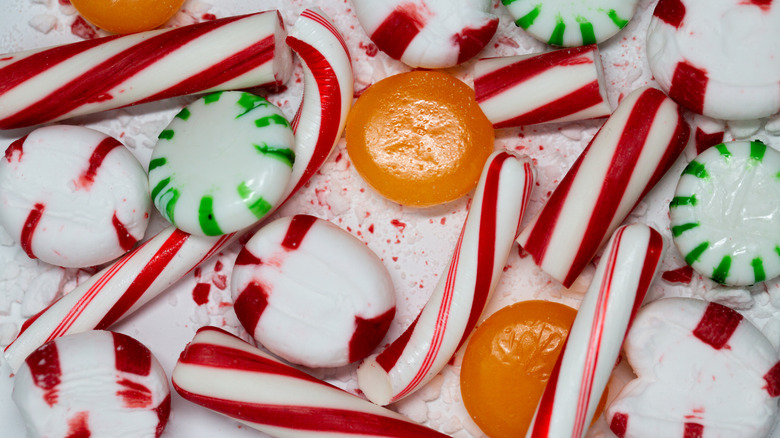
Interested in a festive, colorful way to turn your meringue cookies into something more playful? Try working some hard candies into your meringue. They come in all sorts of flavors, so really the possibilities are wide open — everything from peppermint and butterscotch candies to fruit drops. During the holidays, crushed candy canes are a timeless favorite, adding both warm peppermint flavor and visual appeal. Fruit candies are a beautiful choice for spring and summer, while butterscotch candies add warm, caramel-like notes perfect for autumn treats.
To add them to your meringue, finely crush the candies, then fold them in immediately when the mixture reaches stiff peaks. This helps the candy disperse evenly through the airy mixture. They add a concentrated burst of sweet flavor that blends into the airy meringue as it bakes. The heat of the oven melts the candy just enough to create tiny bursts of flavor. Beyond taste, the candies add colorful jewel-like flecks that sparkle in the glossy white meringue cookies.
Spices
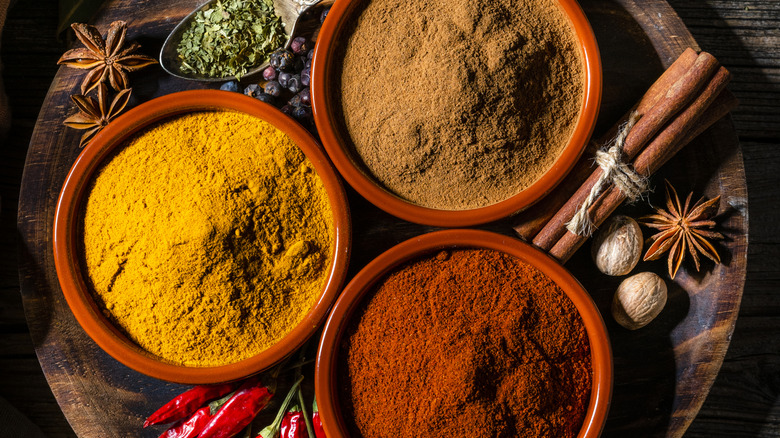
Spices are an easy way to bring a taste of the season to meringue cookies. A pinch of warm spices like cinnamon, nutmeg, and clove can add unique layered flavors, perfect for autumn. In the wintertime, sprinkle cardamom and lemon zest into your meringue for a more refreshing take. Or pair freeze-dried strawberries with ground ginger for pretty, zingy, summertime meringues.
Beyond flavor, spices add incredible aromas and depth — and they do so without weighing down the meringue, so your cookies remain light and airy. They can also complement other ingredients beautifully — think cinnamon and chocolate, clove and orange zest, cardamom and pistachio. But bakers beware: When adding spices to your stiff peak meringue, you'll want to watch the color. As the spices blend with the meringue, they may tint your meringue off-white (or darker), so when baking, keep an eye on the cookies to prevent over-browning.
Coconut

One of the easiest ways to transform a simple meringue cookie into a treat that's seemingly entirely different is by adding coconut. When you add shredded coconut to meringue, you get delightfully light cookies that are a cross between a coconut macaroon and a delicate French macaron. They're really quite delightful and bake up looking like snowballs when portioned out with a baking scoop. The coconut adds buttery depth and a gentle tropical aroma that matches the sweetness of the meringue, while also giving the cookies a pleasant chew.
For best results, use shredded coconut to add richness and a chewy texture to meringue cookies, and fold it in right after stiff peaks are achieved. If desired, use lightly toasted coconut for a deeper, nuttier flavor and golden color. Lastly, be sure to use unsweetened coconut, as there is already plenty of sugar in the meringue, and you don't want your cookies to become overly sweet.
Freeze-dried fruit
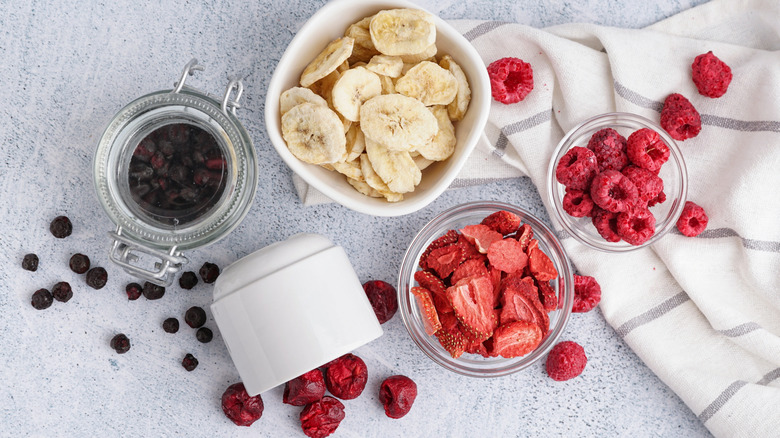
Fruit is always a welcome addition to baked goods. But when used in baking, it's important to consider a fruit's moisture content because too much moisture can disrupt the texture of a batter or dough. If you want to add fruity flavor to your meringues, skip fresh fruit and reach for freeze-dried fruit instead. It's an easy way to punch things up with real fruit flavor and color to meringue without creating extra moisture, which would deflate the batter.
Freeze-dried fruit is very different from dried fruit. Dried fruit has been dehydrated with heat, which removes some of the moisture, but can leave certain types of fruit sticky and chewy. On the other hand, freeze-dried fruit has had most of its liquid removed, turning it crunchy and light — and that's what you want to use if you want to infuse intense, fruity flavor into your meringue cookies. You can add chopped bits of freeze-dried fruit for small bursts of concentrated fruit flavor and a slight bite, or grind it into a fine powder and fold it in to add uniform color and fruity flavor throughout the meringue batter, like in this chocolate strawberry meringue cookie recipe.
Cacao nibs
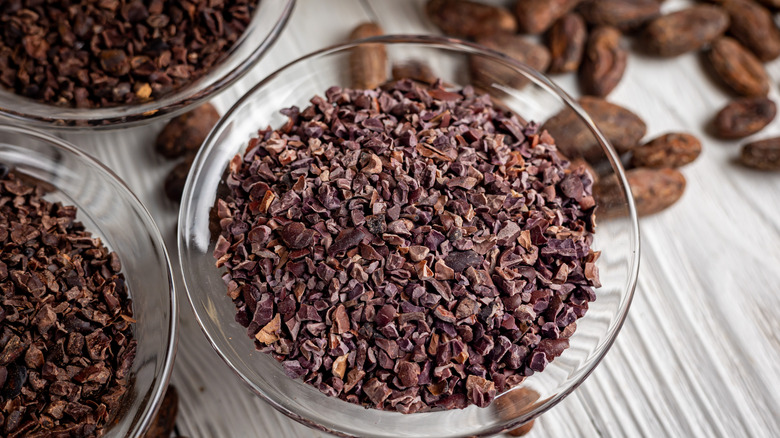
Cacao nibs are one of the most underrated ways to elevate a simple meringue cookie — perhaps that's why they're one of my favorite add-ins. These pure, roasted cocoa beans are crunchy, intensely flavorful, and boast a deep, aromatic profile — smoky, fruity, and, of course, chocolaty. They're naturally bitter and have a slightly earthy taste that takes the edge off the sugary sweetness of meringue. And unlike chocolate chips or chopped chocolate, they maintain their crunch as they bake.
Visually, cacao nibs bring a nice touch of charm to meringue cookies. When folded into your stiff peak meringue, the tiny dark flecks stand out against the bright white meringue, making them perfectly festive and elegant for the holiday season. Cacao nibs also make great partners to other ingredients. Consider pairing nibs with other add-ins, such as orange or tangerine zest, peppermint extract, or freeze-dried raspberries.
Sprinkles

Sprinkles are one of many fun, playful ways to decorate meringue cookies, but instead of just using them on the outside, why not toss them into your meringue before baking for some colorful texture throughout? The result is a meringue cookie that's light, airy, and filled with bursts of color inside and out. No doubt, sprinkle-filled cookies are the perfect sweet for kids' parties and festive occasions.
Let's not forget that sprinkles also provide a subtle sweetness. They are, after all, made of sugar. But they're not overwhelmingly sweet, so they naturally complement the sugar base of meringue. And when used modestly, they scatter throughout the batter to keep your meringues from being one-note sweet. Sprinkles also add texture to meringue, and the type of texture depends on the type of sprinkles used. You can choose from a variety of sprinkle styles, including crunchy nonpareils, chewy rainbow jimmies, or crisp funfetti dots.
Cookies

If you have a few leftover cookies tucked away in the cupboard or freezer, no need to let them go stale. Rather, you can (and should!) crumble them into your meringue batter for a unique twist. The contrast between the crisp meringue shell and the cookie pieces inside creates a party in your mouth that keeps you wanting just one more bite — crunchy, chewy, and airy all at once. It's an excellent way to reinvent cookies that might otherwise be forgotten.
Not sure what type of cookies to use? I prefer light and crisp. Varieties such as biscotti or Biscoff add an enjoyable crunch and subtle spice that is always welcome during the holidays. If you're craving something richer, try crushed Oreos (with the filling removed) for a deep cocoa flavor and a fun twist on cookies and cream. You can even combine coarsely crushed graham crackers with grated chocolate for a s'mores-inspired meringue treat. To keep things light, fold in the crushed cookies right after the meringue reaches the stiff peak stage, then pipe or scoop them and bake immediately.
Matcha powder

Matcha is a finely ground green tea powder that has a distinct, earthy taste, and it pairs wonderfully with the sweetness of meringue. Its slightly bitter, grassy undertones cut through the sugar to create a sophisticated yet delicate flavor profile. The result is a cookie that feels less like a confection and more like a gourmet dessert. Matcha also plays well with other flavors. One especially delicious pairing is matcha and white chocolate; dipping the bottoms of baked matcha meringues into melted white chocolate adds a creamy, luxurious contrast that highlights the tea's nuanced flavor.
When incorporating matcha into meringue, technique matters. A great method to employ is blending the matcha powder into the sugar first to ensure even distribution. Then, gradually add the sugar-matcha mixture to softly whipped egg whites as they reach stiff peaks. After baking, your matcha meringues will boast a light, delicate green hue with tiny green speckles. If you're after more color, you can add a drop of gel food color to the meringue before piping. And always choose a high-quality culinary-grade matcha for clean flavor, as lower-grade matcha can taste dull or bitter.
Dried fruit
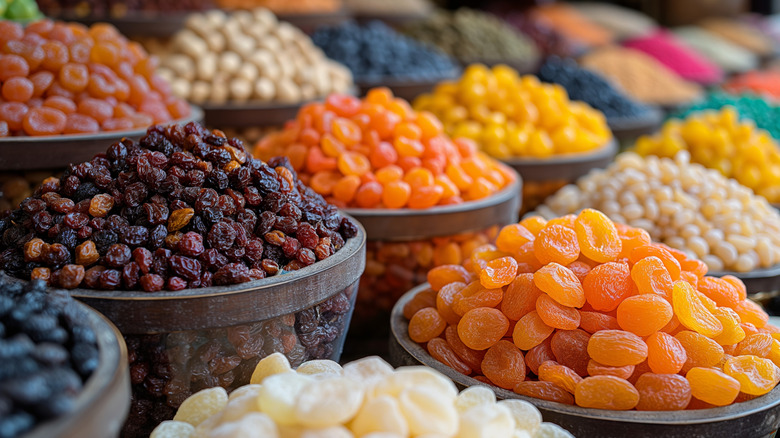
Dried fruit is a terrific addition to meringue if you're looking to introduce natural sweetness, color, and texture. Unlike fresh fruit, which contains too much moisture for delicate meringues, dried fruit adds concentrated flavor — along with a chewy texture — without compromising the cookie's structure. And visually, the specks of colorful dried fruit scattered throughout the white meringue are pretty enticing.
There's plenty of room to experiment depending on the season or your personal taste. Some of my favorite dried fruits include finely chopped cranberries and cherries, not only for their gorgeous red color, but also for their tangy sourness, which perfectly balances the sweetness of the meringue. If tropical notes are what you're after, consider adding some chopped dried apricots or mango.
Since dried fruits can be somewhat weighty, it's best to finely chop them before folding them into your meringue. Smaller pieces will also make eating the meringue cookies more pleasant.
Dried herbs and flowers
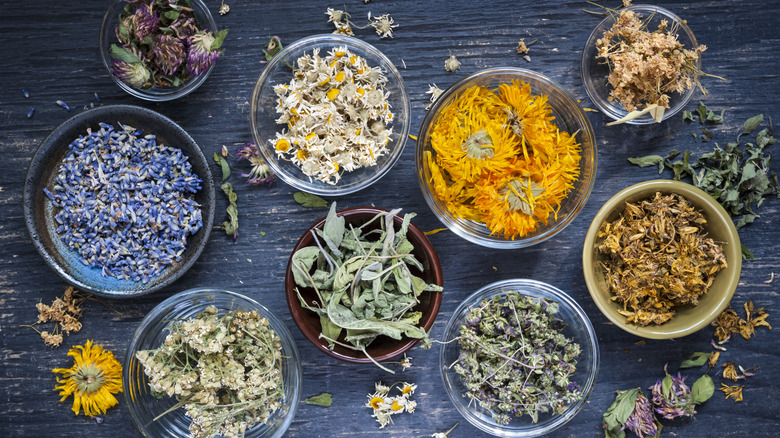
Using dried herbs in baking is often overlooked, yet they can add remarkable depth, aroma, and character to sweet treats like meringue cookies. Just as they elevate savory dishes, so can they bring sophistication to baked goods. Dried mint adds invigorating freshness, while basil or lemon verbena imparts citrus notes that pair beautifully with meringue's sugary sweetness. But remember that dried herbs are potent, and their flavors intensify when baked. A little goes a long way, so dried herbs should be used just a pinch at a time and folded into your stiff peak meringue right before baking.
Dried edible flowers — rose, lavender, chamomile, hibiscus, violet — can also be used in meringue. They add fragrance and flecks of color that can give your meringue cookies an artisan charm. They also pair well with other flavorings, such as dried lavender with freeze-dried blueberries, chamomile with honey, or dried rose petals with freeze-dried strawberries. And lastly, always choose food-safe, dried varieties rather than fresh, as their flavors are more concentrated and better suited for baking.