

The Biggest Mistake Everyone Makes With Pie Crust
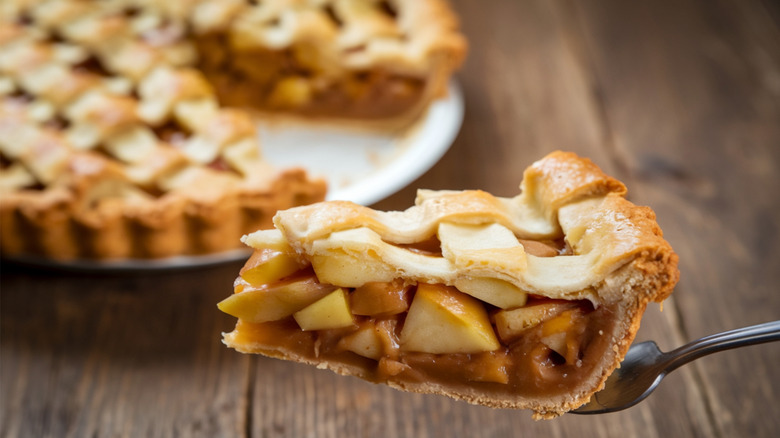
The beauty of pies is that they can be filled with fruits and sugary delights to sweeten one's tooth, as well as with meats and other savory ingredients to make one's mouth water. While there are many expert pie makers out there to feed the demand with perfectly prepared pies, some budding bakers need a little help to get it just right. That is especially true when it comes to the element that ties it all together — the crust. Many things can go wrong when baking pies, but what is the biggest mistake everyone makes with the crust? Thankfully Tasting Table was able to chat and chew with veteran Chef Ayo Balogun at the 2025 New York City Wine & Food Festival and pick his brain about this very crusty topic.
Chef Balogun hails from Nigeria, and moved to America in 1997, sharpening his knife and skills preparing dishes as varied as Indian, Italian, and British. He's been able to apply his West African roots and its rich culinary tradition with dishes most recently at his ventures Dept. of Culture and its American cousin Radio Kwara. At the latter restaurant, Chef Balogun turned the traditional yam-based, Nigerian porridge asaro into a pie, and admitted it was one of his favorite dishes of the year.
For Chef Balogun, pie making is such a nuanced and controlled process that he leaves little room for error. His secret to avoid making mistakes is to be mindful of the temperature and to take your time during the process.
Be patient with time and temperature
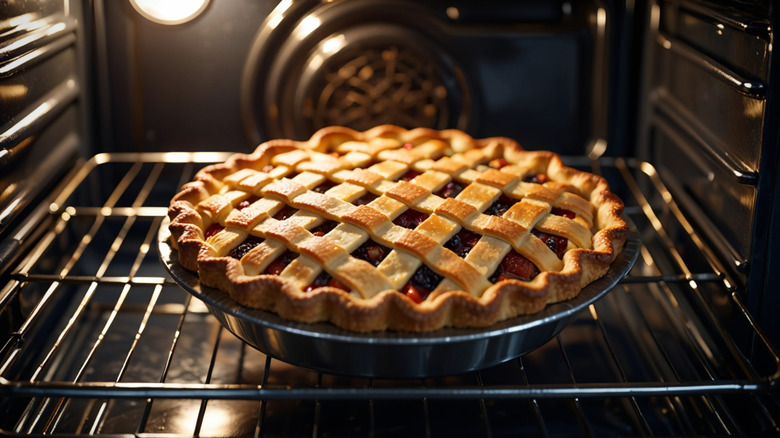
In our conversation, Chef Balogun offered up these pie pearls of wisdom, noting, "You have to work with proper temperature. Temperature helps." He also pleaded to have patience in the process. He added, "Don't rush in. Pie-making is almost chemistry. If you're going to do it well, you have to do it right. If you rush in, you might be disappointed — unless you've done it a million times and you know exactly what you're doing. But I'll say — don't rush it."
One of the key aspects he emphasized, where extra time may be added in the dough preparation, is "cleverly folding butter." Instead of mixing all your ingredients together in a rush, it's best to gently work in the butter with the flour. While a spatula is a natural tool to help fold in the butter, don't be afraid to get your hands dirty, and literally work the butter in with your fingers. A little mess will go a long way, as your crust may end up fantastically flakier.