

9 Korean BBQ Red Flags: How To Tell Which Restaurants To Avoid
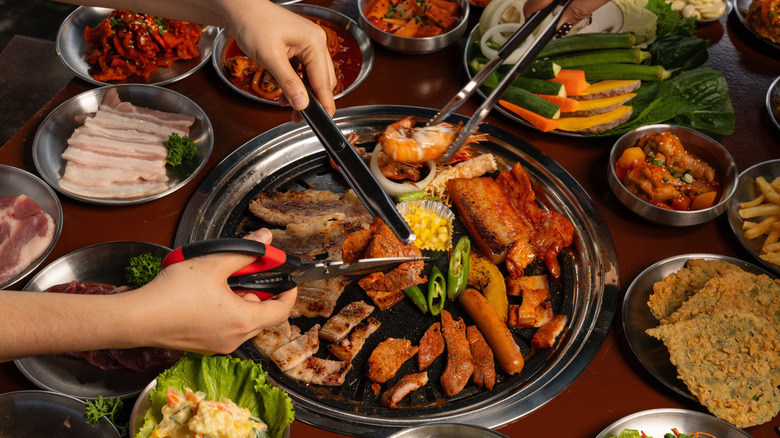
Cooking meat over fire is a primal act that is as old as time itself. The notion of Korean BBQ simply brings more communal fervor to this concept. At Korean BBQ, diners can cook the meat themselves to their tastes. It makes dinner an interactive experience as you grill, flip, and stuff thinly sliced meats into lettuce and savor your handiwork along with a wide assortment of banchan or side dishes.
If you have read up on this all-you-need-to-know guide to Korean BBQ, you probably have a fair idea of what to expect from this shared dining experience. However, some restaurants might focus more on style rather than substance.
To ensure that you aren't disappointed with your next Korean BBQ experience, we turned to Tony Park, owner of Antoya, for answers. In his experience, there are a number of telltale signs that betray a restaurant's lack of authenticity and mastery over Korean BBQ. Your first warning sign should be a cluttered menu stuffed with fusion dishes and riddled with spelling errors. Inconsistent meat cuts, dirty utensils, and a lack of fresh ingredients will put the final nail in the coffin. Armed with his expert guide, you can keep an eye out for the common red flags that will let you know if a Korean BBQ restaurant isn't authentic before you splurge on an expensive meal.
Unfocused menu

You walked in hoping to cook succulent meats over an open grill. If the menu instead wants to peddle everything from sashimi platters to pad Thai, it might be time to leave — especially since you can easily whip up restaurant-quality pad Thai at home. "A restaurant that specializes in a specific cuisine, like Korean BBQ, should focus on mastering those dishes rather than spreading its attention across multiple culinary traditions," Tony Park says.
Any authentic Korean BBQ restaurant will take great pride in spotlighting its selection of meats. When a menu attempts to cater to everybody with diverse, clashing cuisines, it can be a sign that it is chasing fleeting trends instead of remaining loyal to the finer nuances of Korean BBQ.
If you want to recognize whether the menu at a Korean BBQ is focused at first glance, Park believes that it helps to look out for some key categories. There are the meats, of course: a premium selection served marinated as well as unmarinated. You should also be greeted with a liberal array of banchan: "A wide array of authentic side dishes, like different types of kimchi (e.g., napa cabbage, radish), seasoned vegetables, stir-fries, and marinated dishes, is a hallmark of an authentic Korean dining experience," he says. If you are not quite sure where to begin, it helps to do your homework in advance with this guide on the best banchan for Korean BBQ beginners.
Inconsistent meat cuts
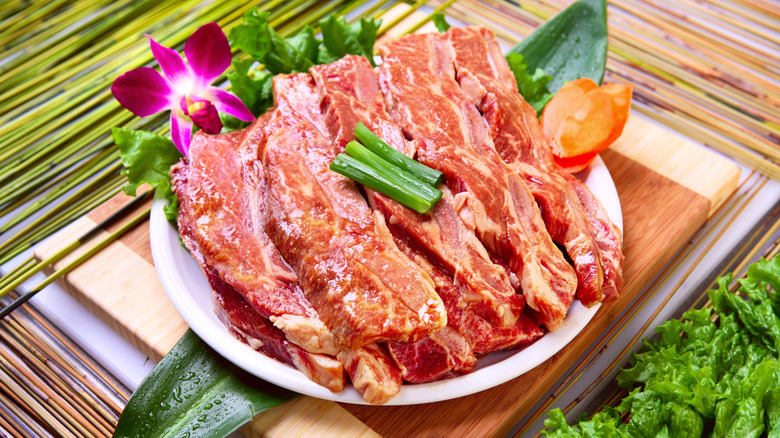
Every element in a Korean BBQ is predicated on precision — it is only when you achieve the right intersection of thickness and texture in the meat that you can create a truly unforgettable experience. A restaurant that forgoes the traditional standards of butchering should make you pause. "An authentic Korean BBQ restaurant takes pride in the precision of its cuts, as the thickness directly impacts the cooking time and final texture," Tony Park explains.
While this might sound trivial, you'll instantly notice the difference when you pick up a piece of chadolbaegi, or beef brisket. This tender cut is meant to melt delicately on your tongue. But if you are served thicker, poorly cut pieces instead, you might get a jaw workout as you make your way through the chewy meat. For Park, this is an instant red flag that signals poor preparation standards.
So, what are the right cuts that should be served on your table? Beef ribs, or kalbi, should be sliced thinly across the bone. You will need to snip around the bones with scissors before dining. Bulgogi is another popular dish that is generally served with a sweet and savory sauce accompanied by thin slices of sirloin and ribeye. If you are tempted to make Korean BBQ at home, it helps to stock up on pre-marinated cuts of meat at the market.
Dirty equipment and utensils
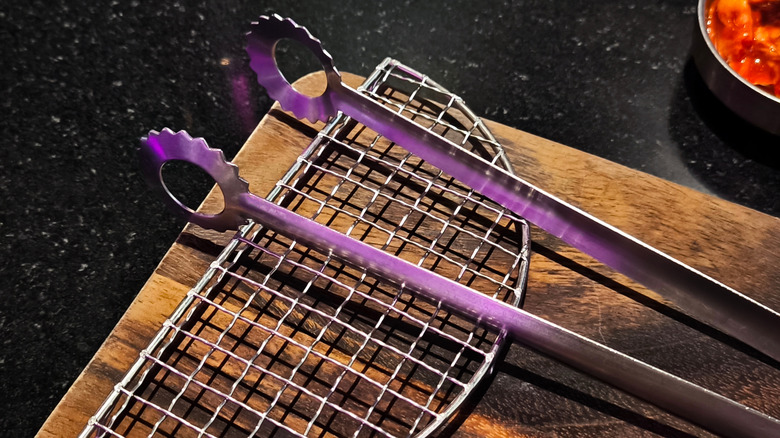
Hospitality and treating guests with respect are baked into the very DNA of Korean cuisine. If you are greeted by the foul odors and greasy appearance of unclean grills and utensils when you arrive, it can signal that the restaurant doesn't live up to the conventional codes of Korean hospitality. Tony Park agrees and advises paying special attention to the hygiene and maintenance of BBQ grills before you get started. "A clean, well-maintained grill should not have excessive carbon buildup, charred debris, or grease from previous diners. The restaurant should provide a fresh, clean grate for each party," he explains. It also helps to maintain a vigilant eye for any signs of excessive smoke after the grill is turned on — according to Park, this is an indication that leftover old grease is cooking on the grill rather than fresh food.
Unclean utensils are also among the health code red flags that you shouldn't ignore at a restaurant. This is especially pertinent at a Korean BBQ since this hands-on style of grilling requires more utensils than traditional restaurants, such as tongs and scissors. "They indicate a lack of proper cleaning and can lead to cross-contamination, especially since separate utensils should be used for raw and cooked meat," Park cautions. As a rule of thumb, he recommends doing a quick scan for any visible signs of greasiness, grime, or residual food particles. "This quick inspection ensures hygiene and a more pleasant dining experience," he adds.
Weak ventilation in the dining area
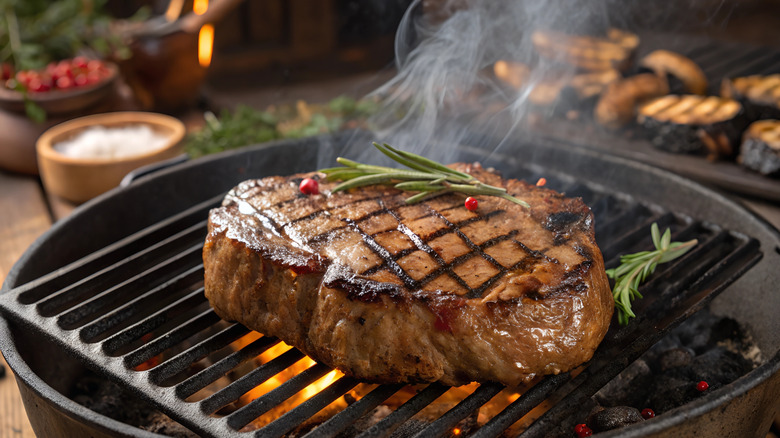
There are certain sights and sounds that you always count on when walking into a Korean BBQ restaurant. Thin slices of meat being ardently flipped over grills. The click-clack of chopsticks as the last dregs of kimchi are chased around the plate. A merry medley of colorful veggies tucked cozily around every grill. The essence of Korean BBQ lies in the shared joys of communal dining. But if you are unable to view the general air of camaraderie through the haze of smoke, you might want to turn around and book a reservation elsewhere.
Commercial kitchens are known to emit a high level of respiratory pollutants. Tabletop grilling generates a significant amount of smoke, and Tony Park believes that appropriate ventilation is non-negotiable. "Good ventilation is crucial for ensuring a comfortable and safe dining environment, preventing diners from leaving with their clothes and hair reeking of smoke, and preventing the buildup of grease and smoke residue," he says.
If you are looking to evaluate the ventilation capabilities of a Korean BBQ restaurant, it helps to maintain a vigilant eye. Is there a visible veil of haze in the air? Are you being overwhelmed by lingering odors due to a lack of air circulation? Are the vents suctioning the air upwards from the grills? "If the area around the vents is dirty with visible grease and grime buildup, it's a strong indication of neglect and poor maintenance," he says.
Staff can't explain the sides
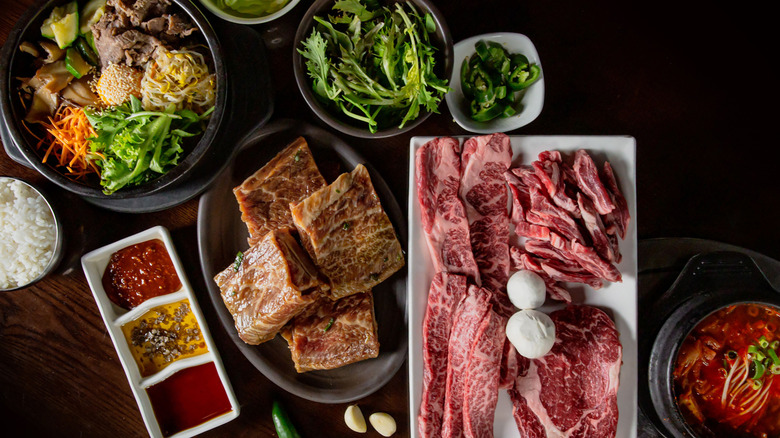
While meat might assume main character energy at a Korean BBQ, banchan is far from being a lonely side character. The abundance of banchan, the smaller side dishes that accompany the main course, is what makes every Korean meal an indulgent experience. One bite, and you will be hooked — especially once you learn that you can make dishes like seasoned soybean sprouts at home. "In Korean dining culture, banchan are not just appetizers; they are integral to the meal, balancing the rich flavors of the grilled meat," Tony Park says. Given the wide array of banchan that accompanies every meal, your server will be your first port of call for details on what each dish is and what it is made from.
According to Park, the servers shouldn't just be able to rattle off the names but also impress upon first-time Korean diners the cultural context behind the dishes. "When staff can confidently discuss the sides, it shows they are knowledgeable about the traditional dishes and the restaurant's commitment to culinary integrity," he says. If the staff cannot tell the kimchi apart from the oi muchim, it can signal a lack of authenticity and understanding of the country's culture. When your server cannot knowledgeably introduce and recommend new dishes, the meal might fail to make an impression. "A server who helps cook the meat and explains the various sides is a hallmark of many high-quality, authentic establishments," Park says.
Lack of fresh ingredients
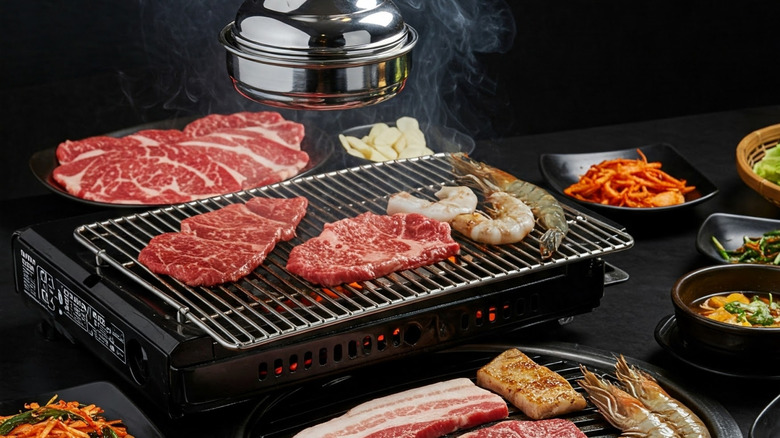
From wilted veggies in salads to discolored sushi, the lack of fresh ingredients can be off-putting in any restaurant. But freshness is particularly important within the realm of Korean BBQ — if the lettuce has lost its crunch and the meat looks stale, you won't be tempted to stay long at the table.
To steer clear of the latter, Tony Park recommends conducting a thorough visual inspection. You eat with your eyes, and the sense of sight is usually the first to detect any warning signs. "Fresh vegetables should appear vibrant, crisp, and firm, not wilted or discolored. Meat should have a fresh, pink or red color without any gray or brown tints, and any marbling should be creamy white," he says.
Once you have assessed the food with your eyes, allow your nose to lead the way. According to Park, you can instantly tell apart the clean, earthy scent of fresh meat from the sour, pungent aromas that accompany stale produce. You'll also want to turn the same discerning attention to the sides. Given that banchan can last in the fridge for several days, it can be tempting for restaurants that aren't focused on quality to peddle reheated food to customers. You can recognize these by the temperature — Park says that reheated options will arrive at your table extremely hot or lukewarm. "Freshly made side dishes, especially those that are fermented or marinated, are typically served cold or at room temperature," he says.
Lack of word-of-mouth publicity

It is the oldest trick in the marketing playbook and one that has yet to disappoint: word-of-mouth publicity. Even while digital marketing strategies evolve at the speed of light, few eateries can survive without strong, positive buzz from patrons — and Korean BBQ restaurants are no exception. Given the high standards of hospitality that this culture is known for, a good Korean BBQ restaurant will always charm customers with attentiveness to the guest experience and the genuine warmth that permeates every aspect of the dining experience. This earns the kind of loyalty that no amount of social media marketing gimmicks can ever manufacture.
Tony Park believes that strong word-of-mouth publicity is a good parameter for judging the mettle of a Korean BBQ restaurant. "Customers trust the experiences of others, and an establishment that consistently delivers an excellent dining experience will naturally generate this buzz," he says. It isn't hard to see why positive word-of-mouth reviews are worth their weight in gold. For starters, positive reviews can leave you assured of the food, service, and quality that you will receive. You can also get a closer glimpse at how the restaurant responds to good as well as bad reviews and judge how highly it values the satisfaction of its diners. "Consistent praise for meat quality, service, or specific banchan is a strong positive indicator, while multiple complaints about issues like poor ventilation or lack of service can be a warning sign," he says.
Misspelled menu items

Avacado. Sanwich. Cesar salad. There are some menu items that have clearly pulled the short end of the straw and are routinely misspelled on menus around the globe. However, there are serious connotations to misspellings and mistranslations of authentic menu items at a Korean BBQ restaurant.
An authentic Korean eatery will always emphasize its connection to its culture and leave no stone unturned in introducing diners to the joys of the cuisine. In fact, you may often find English words accompanied by the native Hangul script. While minor grammatical errors aren't a cardinal crime, Tony Park believes that repeated, glaring errors reflect poorly on the restaurant's mastery over its culture and cuisine. "A restaurant that truly understands and respects its food will ensure accuracy in its menu to properly represent the dishes," he says. According to an online poll by Times Union, misspellings on the menu throw up other concerns — if a restaurant cannot be bothered with spelling menu items correctly, how much attention are staff paying to the way the food is prepared?
Given the widespread popularity of Korean BBQ restaurants in the United States, it isn't uncommon to see establishments jumping on the bandwagon of what is deemed a buzzy new trend. "It suggests the establishment may be catering to a broad audience without prioritizing a genuine culinary experience, unlike an authentic place that would take pride in representing its menu correctly," he adds.
Lack of presentation
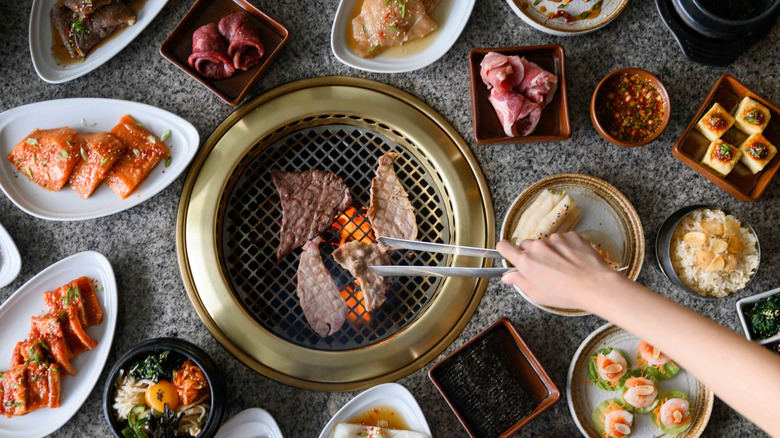
Curls of meat lined up like soldiers at morning drill. Colorful, appetizing banchan in uniformly sized bowls. Tongs and scissors laid out neatly at hand's reach. A Korean BBQ is as much a feast for the palate as it is for the eyes. But when a slapdash assortment of meats and veggies is dumped at the table, you are justified in questioning the effort being put in at the kitchen. "In an authentic Korean BBQ restaurant, the visual appeal is an important part of the dining experience, from the vibrant array of banchan to the well-cut, fresh-looking meat," Tony Park affirms.
In his experience, a restaurant that values the presentation of the food will likely hold itself to the highest standards of freshness and precision. Wondering what a perfectly plated spread should look like at a Korean BBQ restaurant? There is the meat: spread out cohesively on a platter with visible marbling. According to Park, you will often find thinly sliced meats, such as brisket, decorated in eye-catching displays and curls. Then, there is the banchan. Each dish will come in its own bowl rather than being piled together haphazardly on a common plate. When attention is paid to these individual details, the final table comes together beautifully. "The table should be set thoughtfully, with the grill as the centerpiece, surrounded by the various side dishes and accompaniments. This creates a visually pleasing and organized setup for the communal dining experience," he signs off.