

7 Grocery Store Chains With The Best International Food Selections
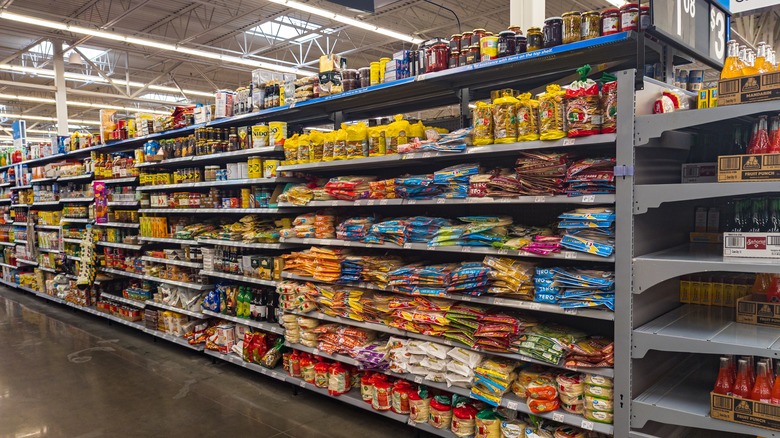
International foods mean many things to different people. It could include a food that has assimilated into mainstream American dining culture, like pasta and Italian tomato sauces; it could mean gochujang or matcha or anything else commonly found in the ethnic food aisle; or it could refer to something that is a little harder to find in the average grocery store, like fermented sorghum and chicken feet.
Whatever the case, this is America, and one of the many great things about this place is that you can find pretty much anything. You name the ingredient, however obscure it may be, and some grocery store or specialty outlet will carry it. But it's a big country, with many grocery stores, so where do you start? Below is a list of store chains with the best international food selections, ranging from highly specialized foods from a very specific part of the world, to international foods that cover a broader geographic spectrum.
The chains on this list offer dedicated international food aisles, where items are grouped by region, though this selection can vary depending on the location of the store. If a store happens to be close to a large immigrant community that consumes the international food in question. Other than that, specialty grocery stores can be lifesavers for international ingredients, offering authentic imported goods that cater to specific cultural needs.
Eataly
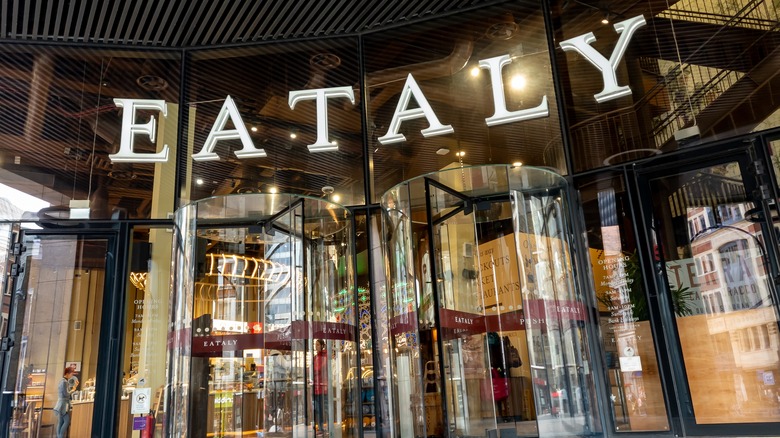
This food store with locations in major U.S. cities specializes in Italian food, which you can find here in prime ingredient form and in prepared meals. Most stores even contain several restaurants and bars, where you can partake in freshly made Italian meals and aperitifs. As for the shopping experience, think pasta, sauces, wine, gnocchi, gelato, extra virgin olive oil, fresh mozzarella, and so on. And not only does it have all that, but the items in question are very high quality foods sourced from artisanal producers in Italy.
In other words, walking into an Eataly is not like walking into a regular grocery store in Italy. It's like walking into the all-star version of an Italian grocery store, where you can find all the top brands from across the country as well as specialty cheeses and other hyper-local products, and seasonal fare like panettone and torrone at Christmas time.
H-Mart
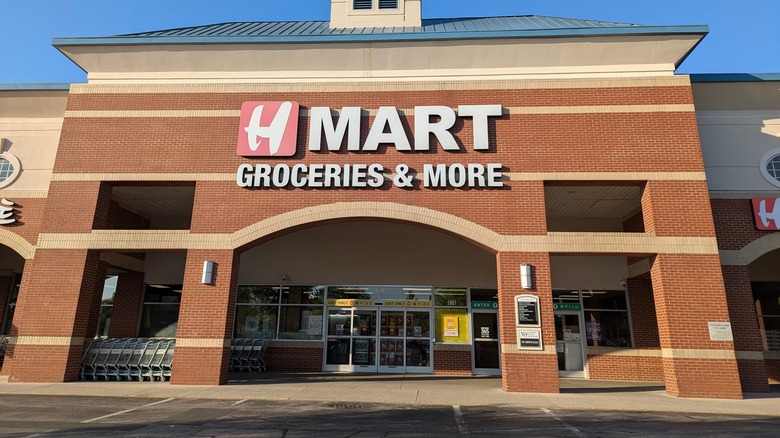
While most H-Mart locations are in and around New York City, there are also several scattered across larger urban areas in the midwest and west coast. The focus here is on Korean food, so expect to find premade kimchi and banchan, along with a wide range of Korean and other seasonings. Fresh produce is also plentiful, maybe even more so than in a regular American grocery store, and includes less ubiquitous fruits like dragonfruit or papaya.
Indeed, if you're looking for hard-to-find Korean ingredients, or ingredients that are too laborious to make at home, this is the place to go. Get your favorite Korean snacks or indulge in sweet red bean ice cream. You will also find a much wider variety of ingredients you might easily find in a regular grocery store, like sesame oil or seaweed snacks. Instead of one or two choices, you might be confronted with ten or 15. Not a bad problem to have.
Kroger
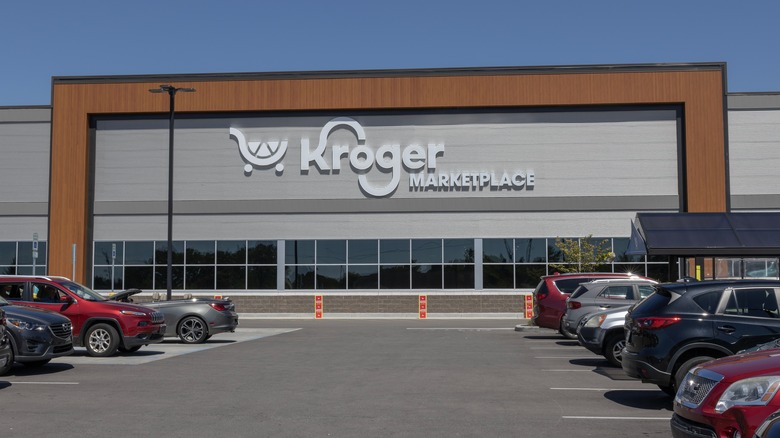
While many grocery stores like to keep certain international foods in a dedicated "ethnic" aisle, Kroger, the oldest grocery chain in the U.S., has called foul on this practice, and since 2019, has began to integrates its international foods with the rest of the groceries. This means that if you're looked for canned Goya beans in the Mexican section, you may not find the beans or a Mexico section to speak of. Instead, you'll find the beans in the canned vegetables aisle along with all the other canned beans.
According to the New York Times, the move came about after Kroger conducted a study that same year on whether its patrons preferred certain international foods to be incorporated into the rest of the store, or for them to be given their own section, as is normally the case. Most customers voted for integration. And although many Kroger stores still have ethnic aisles, the company may see fit to phase them out over time.
Whole Foods
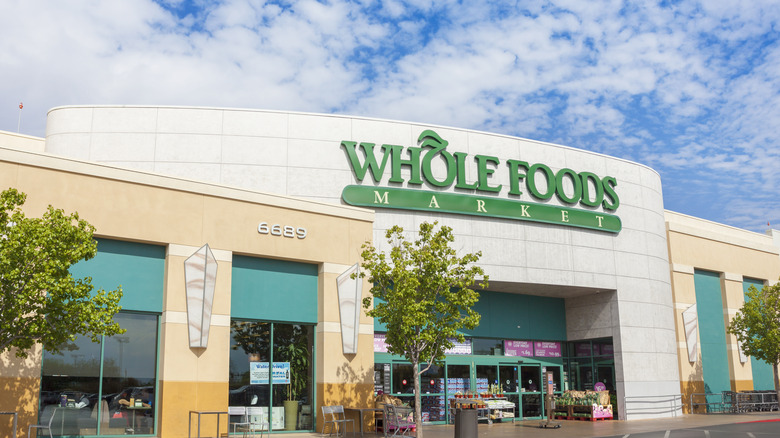
When the New York Times reached out to Errol Scheizer, a former vice president of grocery for Whole Foods, he was none too happy with the idea of an ethnic aisle, which he considered reminiscent of colonialism. With that in mind, he tried to get Whole Foods to dissolve the offending aisle, but the company objected.
But not all was lost. He and his team made an effort to make ethnic aisle foods available throughout the store, even if that meant doubling up on where certain items could be found. This way, foods would also be easier to find, whereby Mexican-style corn chips might be in a Mexican section as well as the regular chip section. In practice, this meant infusing all aisles with a diverse repertoire of foods from an increasing number of countries. The aim was also to inspire shoppers to emerge from their comfort zones while empowering them to try new ingredients that they may never have heard of.
Food Bazaar
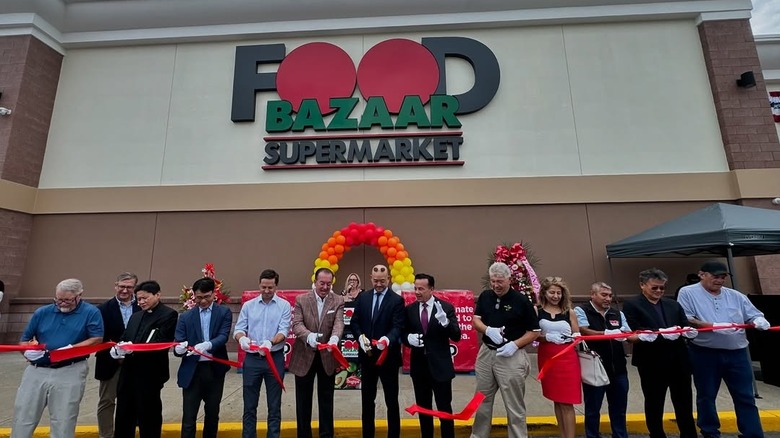
This store lives and breathes international foods, which make up the entirety of the store rather than being an afterthought shoved into a single aisle. To make it easier to find what you're looking for, they divide the aisles by country, with a focus on items from Latin American and the Caribbean, but also with a repertoire from such far flung places as Pakistan.
The chain is primarily based in and around New York City, where there is a large contingent of immigrants from various generations who need access to the ingredients needed to make their grandmothers' recipes. But there are also some locations in Connecticut and New Jersey. The store specializes in providing ingredients that one may not be able to find anywhere else, including in other, perhaps lesser equipped, specialty food stores. But what makes this store stand out is its effort to understand and cater specifically to the communities living in its surrounding neighborhood.
Publix
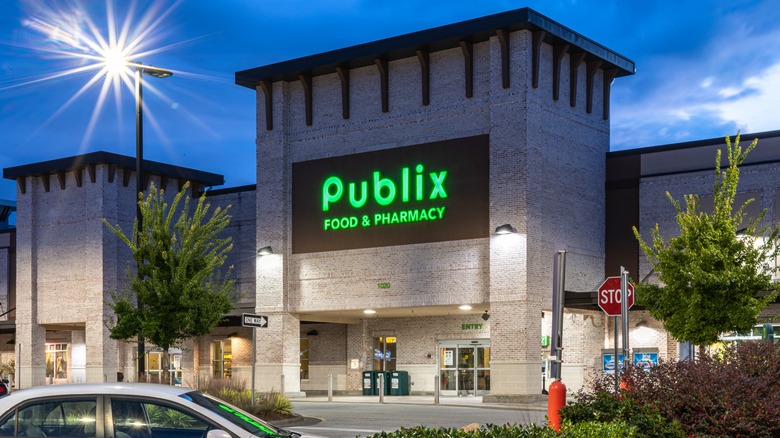
Publix, a major grocery store chain in Florida and other states with large Latino communities, is so committed to providing Latin American and Caribbean foods that it operates dedicated stores within the Publix empire, just for that purpose. It's called Publix Sabor, meaning "flavor" in Spanish, and it's characterized by a Publix supermarket with a specific format, where signs are in Spanish as well as English, the employees are bilingual, and there is a broader selection of Hispanic offerings throughout the store.
Examples of Latin foodstuffs you might find at one of these special Publix stores include prepared Hispanic dishes developed by Publix chefs, frozen foods, a salsa bar, fresh conchas, and fresh and dried chiles. That is not to say that you can't find some of these items at just any Publix, but the Publix Sabor will definitely have a wider selection and a greater chance of finding hard-to-get ingredients.
Patel Brothers
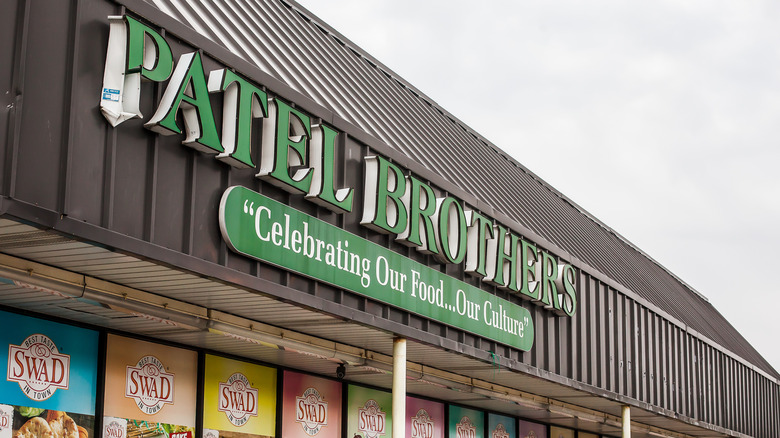
This outlet is the largest grocery store in the country specializing in Indian food. It has 54 locations and provides a vast array of ingredients used for delicious Indian dishes. That means things like curry powders and other spices, but also produce that is more commonly found in India than the United States, such as dosakai, a type of melon. It also offers prepared meals for the uninitiated, or the busy, and you will likely find all the seasonal ingredients and foods you need for holidays traditionally celebrated in India, like Diwali.
The store was founded in 1974 by a family of Indian immigrants who were missing the food of their homeland. When they realized they weren't the only ones to feel that way, this supermarket venture began and only got stronger over the years, to the point where Indian immigrants today, if they're living within striking distance of Patel Brothers, can find almost everything they need to prepare a familiar meal.