

16 Vietnamese Dishes You Need To Try Once
We may receive a commission on purchases made from links.
Vietnam is turning into a highly sought-after travel destination, with millions arriving every year to marvel at the beautiful scenery, the bustling cities, and the fascinating history. But of course, you can't visit a country like Vietnam without delving into its food scene.
In order to get an idea of the very best Vietnamese dishes to try, we had to call in the experts. We spoke to Paul Kennedy, a Vietnam-based chef and cookbook author ("Vietnamese Food and Food Culture" was released in March 2025), as well as Yen Vo, the co-founder of popular New York Vietnamese restaurant Madame Vo, to find out more about the must-eat dishes in the country.
Find out Vo and Kennedy's recommendations below. Whether you're heading to the beach, visiting Hanoi or Ho Chi Minh City, or hanging out in the mountains, there is something for every traveler (whether you're boarding a real-life plane or just want to dream about your next vacation).
Phở (noodle soup)
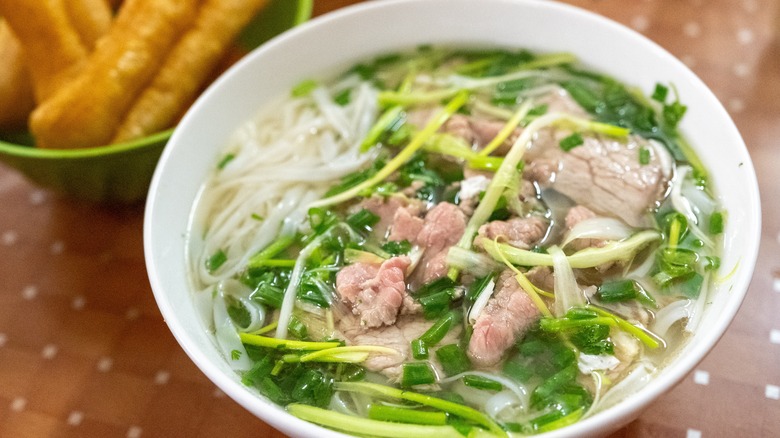
Phở is arguably one of the most well-known Vietnamese dishes. But in Vietnam, phở is more than just a flavorful, nourishing bowl of noodle soup; it's a dish that's rich in history, with strong cultural ties. "It's the dish I grew up on," says Yen Vo. "Even now, after all these years of cooking and eating phở, it still hits me with the same comfort and nostalgia."
Phở was initially developed in the northern province of Nam Dinh in the late 19th century, before it was adopted by the nearby city of Hanoi. It was there, in Vietnam's capital, when locals cooked it with beef, an umami-rich broth, and round rice noodles, that phở really came into its own. Today, there are many regional twists on phở, and each is worth your time and attention. "What I love most is how [phở] manages to be light and hearty at the same time," says Vo, who describes the dish as a "deeply satisfying bowl of harmony."
If you're going to try phở in Vietnam, the best way to enjoy it is like the locals do: for breakfast. "Start the day with a bowl of phở and a cup of pumpkin milk," advises Paul Kennedy. "I do, nearly every day."
Bún thịt nướng (grilled pork over rice noodles)
Vietnamese cuisine is known for its impeccable balance of flavors. Regardless of the region you're visiting, when you sit down to eat, you're guaranteed to be met with a mix of tastes that perfectly complement each other, from sweet and sour to salty and spicy.
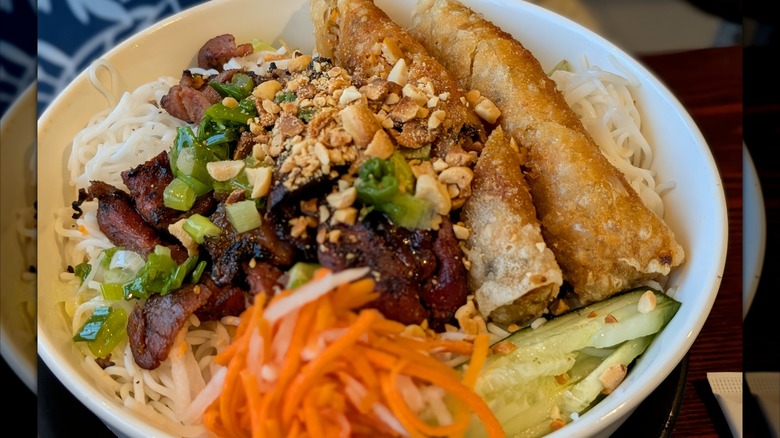
But according to Yen Vo, one dish that perfectly demonstrates the Vietnamese mastery of flavor is bún thịt nướng. In simple terms, this dish consists of grilled pork over rice noodles. But that description doesn't really do it justice. Vo does it better: "This dish is light but still super flavorful." She adds: "It's one of the best ways to experience how Vietnamese cuisine balances sweet, savory, hot, cold, fresh, and cooked all in one bowl."
Vo says she makes bún thịt nướng with "smoky grilled meat, pickled veggies, fresh herbs, and nước chấm." She describes the latter as that "signature" Vietnamese dipping sauce that "goes with everything."
Gỏi cuốn (spring rolls)
If you've ever indulged in Chinese takeout food, you're probably familiar with spring rolls (and their close cousin, egg rolls). The dish originated in China, and in its simplest form, it's just vegetables, wrapped in rice paper, and fried until crispy.
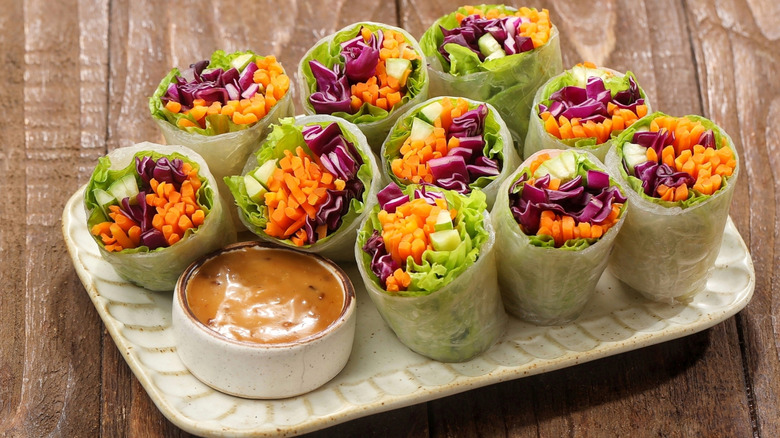
Vietnamese spring rolls, known as gỏi cuốn, however, are slightly different. For starters, they're not deep-fried, which means they're much lighter and fresher than their Chinese counterparts (this is why they're sometimes called fresh spring rolls). As well as vegetables, they're also usually stuffed with shrimp or pork (although plant-based versions are common), and served with a hoisin and peanut dipping sauce.
According to Paul Kennedy, gỏi cuốn are best enjoyed as a light lunch alongside a cup of lotus tea. Yen Vo is also a fan of the simple Vietnamese dish. "They're light, fresh, and packed with herbs, textures, and balance," she says. "All the things Vietnamese food does so well."
Bún riêu cua (tomato and crab noodle soup)
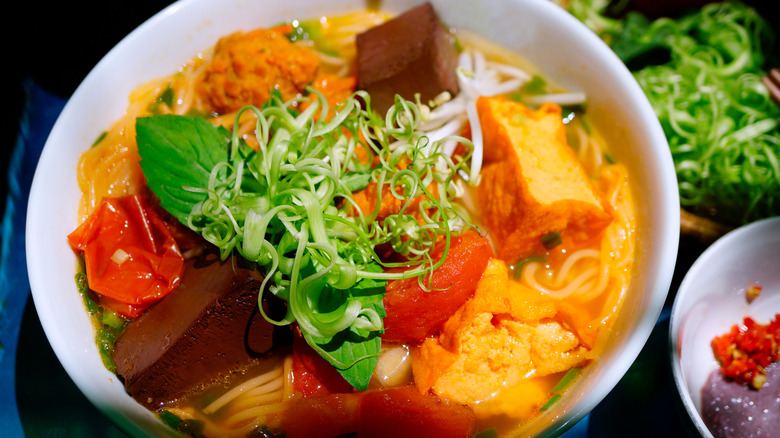
Bún riêu cua isn't quite as famous as other Vietnamese dishes, but it still deserves your time, attention, and taste buds. The savory, tangy, umami-rich tomato and crab noodle soup is a northern Vietnamese classic, and is usually made with the freshwater crabs of the Red River Delta, alongside ingredients like rice vinegar, fresh vegetables, and fermented shrimp paste. But if you don't eat seafood, there is also a vegetarian version, called bún riêu chay, which is just as flavorful, aromatic, and satisfying.
Paul Kennedy is a big fan of bún riêu cua. In fact, the chef calls it "one of the most flavorful soups" he's ever had. "Some days I eat it exactly as it is served, and other times I keep the broth on the side and the remaining ingredients become a unique dish on their own," he says. "It changes the experience completely."
Chả cá lã vọng (turmeric-fried fish)
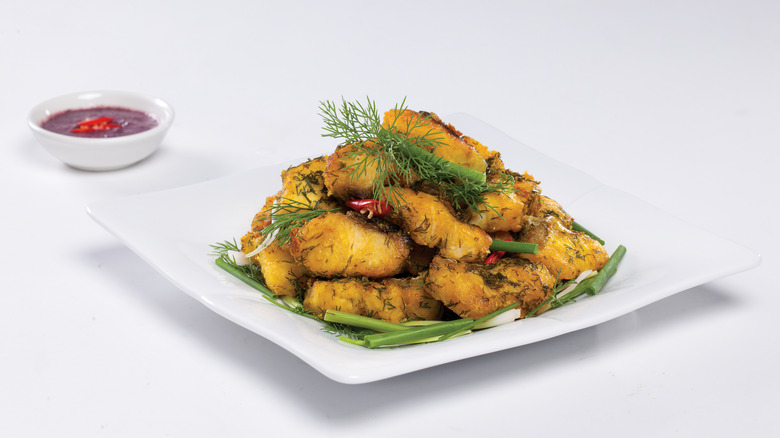
Phở is a must-try in Hanoi, but it's far from the only dish you need to put on your need-to-eat list if you're ever in Vietnam's vibrant, bustling capital city. Paul Kennedy's advice? "Definitely seek out chả cá lã vọng."
Chả cá lã vọng is fried fish mixed with turmeric and dill, often served with sides like rice noodles, peanuts, and shrimp dipping sauce, and it's a Hanoi specialty. It's been that way for quite some time. In fact, it was invented back in the 1870s during the French colonial era, when it was apparently first served to Vietnamese resistance fighters.
"The recipe became so famous that an entire street was eventually named after it," says Kennedy. Indeed, Cha Ca Street is still there in Hanoi's Old Quarter. Kennedy ensures that he always takes guests there, so that they can enjoy the dish being authentically cooked at the side of the table. "It's one of those meals that feels like an experience as much as a dish," he adds.
Cơm tấm (broken rice)
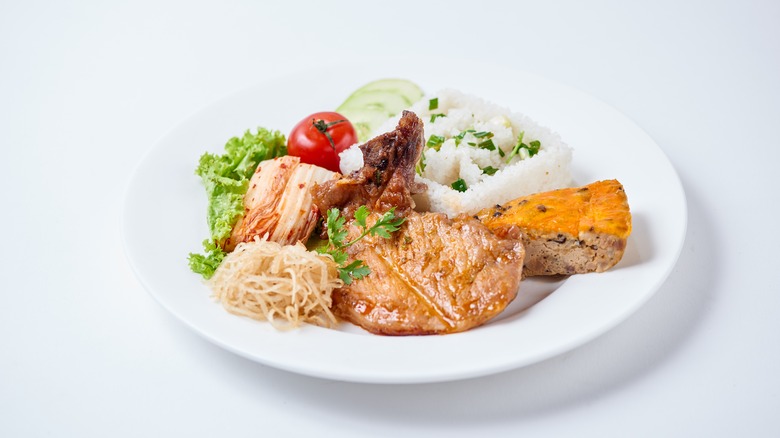
Don't sleep on the beating heart of the Vietnamese south: Ho Chi Minh City. Once known as Saigon, Ho Chi Minh City has plenty to offer visitors, including museums, temples, markets, and, of course, lots of flavorful food. "Ho Chi Minh City has a totally different energy from Hanoi — and the food reflects that," says Paul Kennedy.
The chef and travel expert says he gravitates to one particular dish: cơm tấm. It's full of flavor and delicious, sticky texture, thanks to the key ingredient of broken rice, but it's also a symbol of heritage. It was ultimately born out of poverty; during French colonization, broken rice was much cheaper for locals than regular steamed rice. Its creation is often attributed to a street food seller called Ma Hai, who would combine the broken rice with ingredients like pandan leaves and pork fat to add flavor.
Today, cơm tấm is one of Ho Chi Minh City's most beloved dishes. "It's a comfort food that grew out of thrift and ingenuity," explains Kennedy. "The smaller grains soak up flavor better than regular rice."
Cơm hến (clam rice)
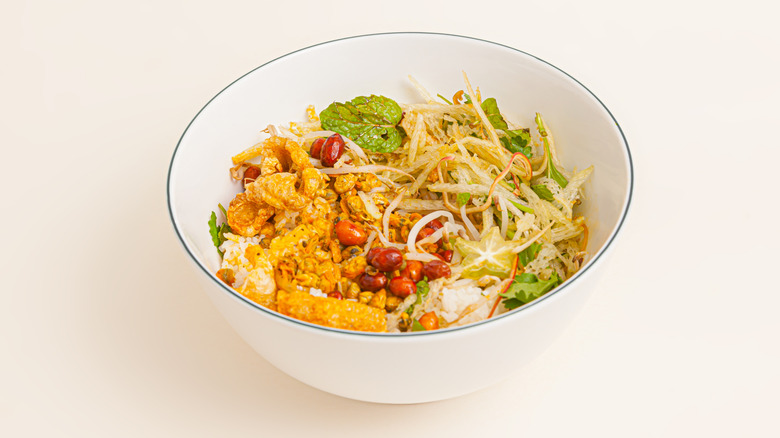
The Vietnamese coastline runs from the north of the country through to the south, totaling more than 3,000 kilometers. You'll find some of the tastiest food on the coast in Huế, says Paul Kennedy, which is known for its imperial history, ancient monuments, and scenic beaches. One dish to seek out in particular is cơm hến, or clam rice. "It's a famous dish from Huế," explains Kennedy, "made with cooked rice topped with sauteed baby clams, herbs, banana flowers, roasted peanuts, crispy pork skin, and a warm clam broth poured over the top."
You'll usually find it sold as street food, but before you order, make sure to specify if you like your food spicy. Often, street food sellers will save the extra spicy versions of cơm hến for the locals, who they know can handle their spice.
Don't like spice? Learn this phrase: "không cay." In case you hadn't guessed, it means "not spicy." If you want just a small kick, say "cay một chút," which means "a little bit spicy."
Bún bò Huế (lemongrass beef noodle soup)
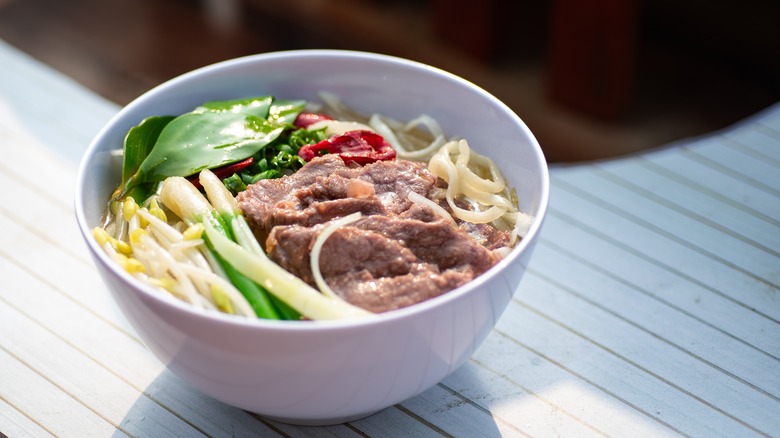
Huế might be located on the coast, but it specializes in more than just seafood. In fact, one of its most famous dishes is bún bò Huế, which is a hearty, aromatic lemongrass beef noodle soup.
This dish (once labeled by Anthony Bourdain as the best in the world) is much older than its cousin phở; in fact, it has likely been eaten in the region since at least the 16th century. One story attributes its creation to a villager called Co Bun, who had a real talent for blending flavors. But there are a few different theories about bún bò Huế's roots. Another story alleges that it was actually created by royal cooks for Nguyen lords.
Either way, it's popular, it's packed with flavor, and like many dishes from Huế, it has quite a spicy kick. "It's bold, complex, and totally unforgettable," says Yen Vo. "One bite and you can taste the strength, the culture, and the soul of Huế in it." If you don't eat beef, you can also find plant-based versions of bún bò Huế, made with ingredients like tofu, mushrooms, and the same spicy broth.
Mực trứng (squid with roe)
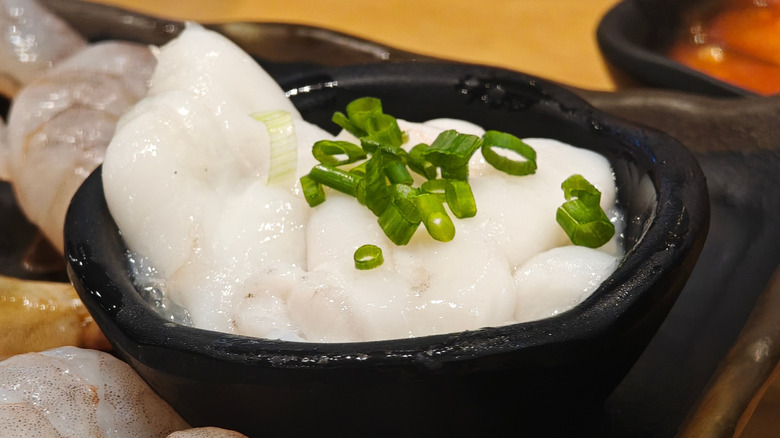
Phan Thiet is another popular coastal destination, known for its picturesque beaches and fishing community, which means there is a lot of seafood on offer. One delicacy that is often eaten in the region is squid with roe, but Paul Kennedy says you can find it in "many waterfront towns." According to him, when cooked authentically, grilled over an open flame, squid with roe "turns creamy and almost buttery." It's "completely unique," he says, "not just in flavor, but in the way it captures the taste of Vietnam."
Of course, not everyone enjoys the idea of eating squid. If that's you, you may struggle in Phat Thiet, where much of the cuisine revolves around squid and other types of fresh seafood. But here's a little tip: If you want to create the flavors and textures of Vietnamese squid from home, many plant-based recipe developers opt to make vegan squid with a root vegetable called konjac, known in Vietnamese as củ nưa, which has a very similar texture to the sea creature.
Cơm lam (rice cooked in bamboo over an open fire)
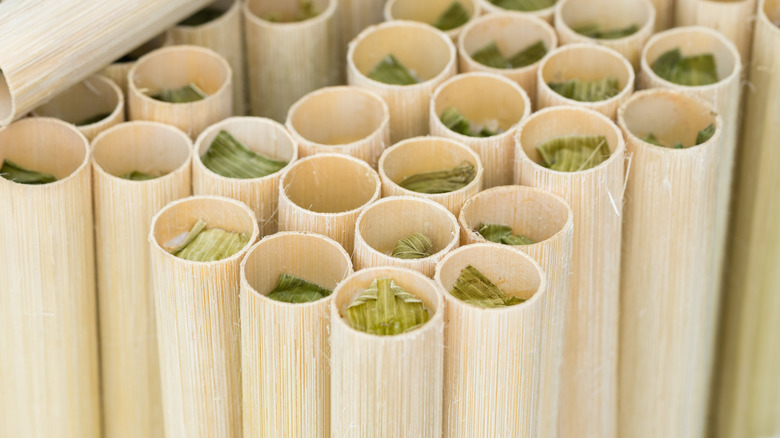
Vietnamese people have long made good use of bamboo, which makes sense, because the plant grows abundantly in the country. While much of the bamboo that is grown and cultivated in Vietnam is used for things like furniture or construction, this plant is also used for cooking.
Paul Kennedy says that in Vietnam's mountainous regions, one of the best local dishes to try is cơm lam. It's a very simple dish, as it's basically just rice, but the way it's cooked, in bamboo tubes over an open fire, imparts a delicious flavor that is hard to replicate elsewhere. "The rice takes on a smoky aroma from the bamboo and has this wonderful chewy texture," he says. "It's simple but unforgettable. You can eat it as part of a meal, but honestly, it's so flavorful on its own that it doesn't need much else."
Xôi ngũ sắc (five-colored sticky rice)
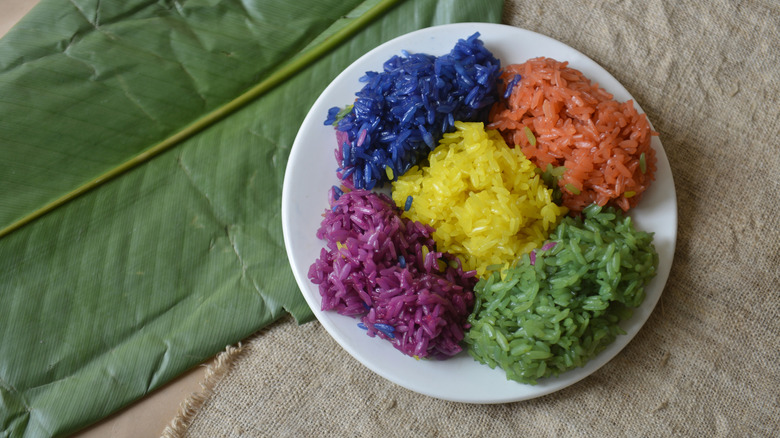
Cơm lam is the perfect example of how unique and delicious flavors can be created using very basic cooking techniques, but it's not alone. Xôi ngũ sắc, or five-colored sticky rice, is another simple dish from the mountain regions that's full of flavor. Plus, as an added bonus, it's impressive to look at, too.
It's "made with natural dyes from plants and roots," explains Paul Kennedy. "It's beautiful with its bright purples, yellows, and greens, and all the colors come from nature." To be more specific, as you may have guessed, there are five colors in xôi ngũ sắc. The red comes from spiny bitter gourd; the green comes from leaves; the purple comes from magenta plants; the yellow comes from turmeric; and the white comes from the rice.
Each ingredient not only imparts its delicious flavor to the dish, but also a specific meaning. The red symbolizes good fortune, for example, while the green is for freshness and life. "Dishes like this remind me that Vietnamese cooking doesn't rely on fancy ingredients," says Kennedy. "It's about creativity, balance, and knowing how to make the most of what you have."
Đậu hũ sốt cà (tofu with tomato sauce, garlic, and herbs)
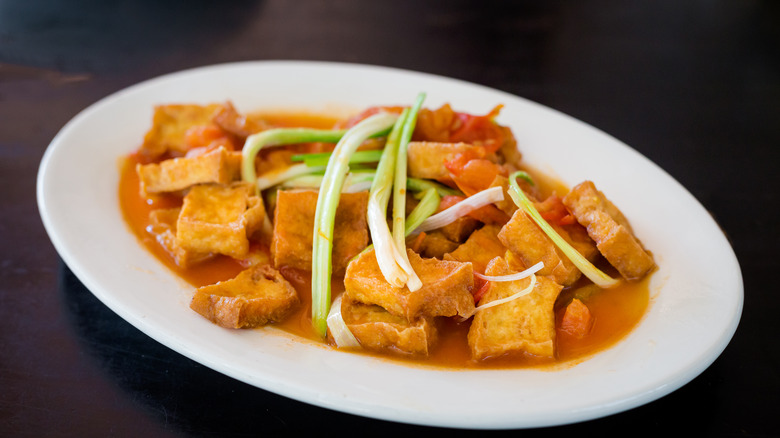
Since it was first invented in China more than 2,000 years ago, tofu has become a staple in many Asian countries, and Vietnam is no exception. One popular dish that infuses this simple soy-based protein with rich flavor and plenty of umami is đậu hũ sốt cà. Again, it's simple, made with a mix of tomato sauce, garlic, and herbs, but the end result is tofu so tender and flavors so rich you'll want to keep coming back for more.
According to Paul Kennedy, đậu hũ sốt cà deserves far more attention than it is currently getting. "It's simple, clean, and full of flavor," he says. "Vegetarian food can be deeply satisfying without trying to imitate meat." Other Vietnamese tofu dishes to look out for include đậu phụ rán tẩm hành, which is crispy tofu with a green onion sauce, and đậu hủ kho tiêu, which is braised tofu with fish sauce.
Bánh xèo (Vietnamese pancake)
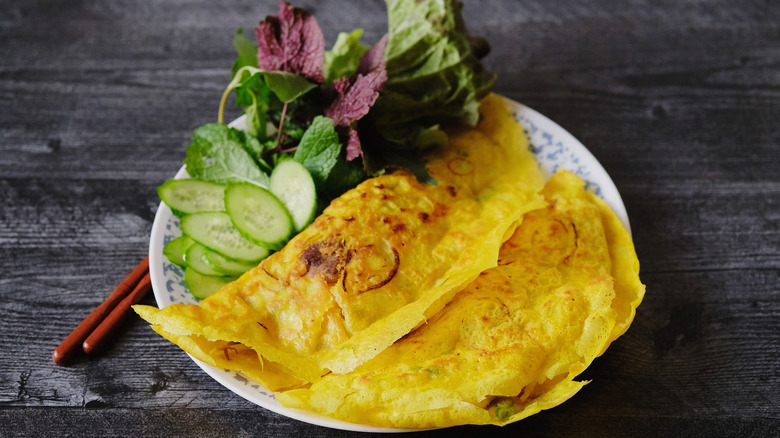
If you love those crispy Chinese spring rolls we mentioned earlier, then you should definitely consider giving bánh xèo a try. The dish is basically a crispy Vietnamese pancake, filled with ingredients like onions, bean sprouts, and mung beans. It can be packed with meat or seafood, too, like pork or shrimp, but Paul Kennedy recommends the vegetarian version, known as bánh xèo chay, which is often made with mushrooms. In case you weren't aware, "chay" means vegetarian in Vietnamese. So if you're searching for plant-based options in the country, here's another handy phrase: "tôi ăn chay" ("I am vegetarian").
"It's an experience in both taste and texture," he says. "You wrap a piece in lettuce, dip it in sauce, and it's just pure freshness in every bite." In fact, Kennedy believes that Vietnamese vegetarian food deserves more airtime. "It has this calm, restorative quality that doesn't feel restrictive," he adds, noting that he finds plant-based Vietnamese food "very grounding" and "genuinely memorable."
Bánh bèo (steamed rice cakes)
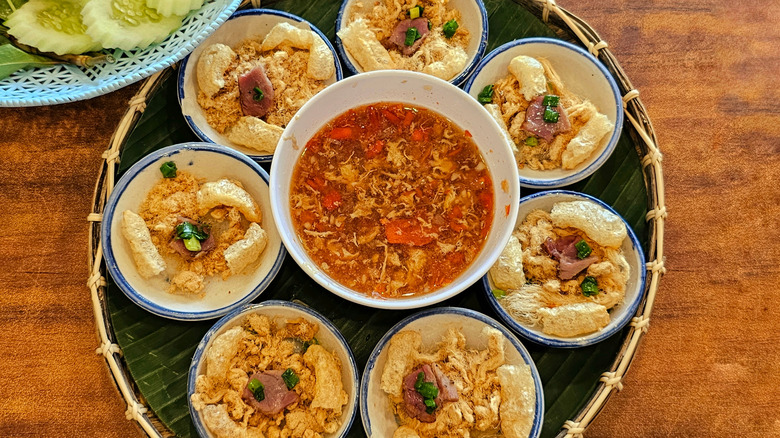
When in Vietnam, street food is a must. From Hanoi to Ho Chi Minh City, this country is overflowing with delicious and unforgettable local cuisine served from a stall. Popular options include bún chả, gỏi cuốn, bánh mì, and phở, of course, but if you're in Huế, another dish you shouldn't miss is bánh bèo.
According to Yen Vo, bánh bèo, which consists of steamed rice flour cakes, often topped with ingredients like minced shrimp, crispy shallots, and either mung bean or fish paste, never fails to deliver. She describes it as a "simple street food" that is "so delicate and refined."
Bánh bèo originated in Huế, but you'll also find it in other popular destinations, like Hoi An and Da Nang. If you don't want seafood, you can also enjoy vegetarian versions of bánh bèo, which are often topped with soy sauce, chili, and sugar.
Bánh bột lọc (Vietnamese dumpling)
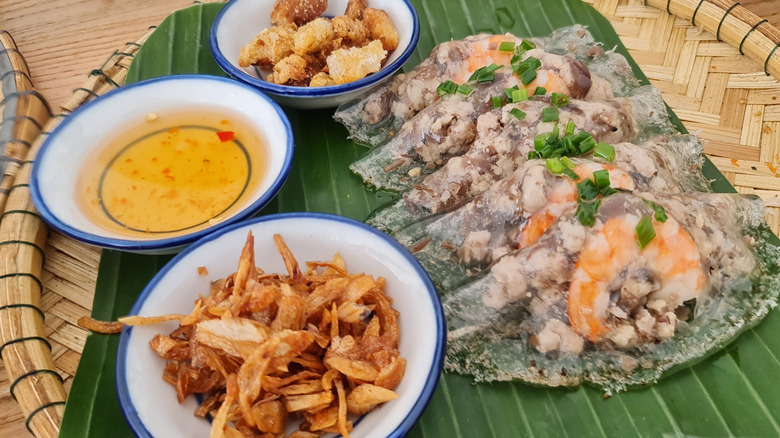
Dumplings are one of those foods that you'll find in most countries around the world. In China, xiao long bao are filled with soup, while in Afghanistan, mantu dumplings are often stuffed with beef, onions, and spices. In Vietnam, bánh bột lọc is popular. "It's chewy, savory, and full of flavor," says Yen Vo. "Think of it like a Vietnamese dumpling made with tapioca flour and filled with shrimp and pork, often wrapped in banana leaves."
The chewy texture comes from the way the dumplings are prepared, which is boiled until the skin develops a firm and bouncy consistency. "The texture is amazing," confirms Vo. But the experience of eating bánh bột lọc is not just about the texture; it's also about indulging in that signature Vietnamese harmonious blend of flavors. "It's one of those bites that surprises people the first time they try it," says Vo.
Kem sầu riêng (durian ice cream)
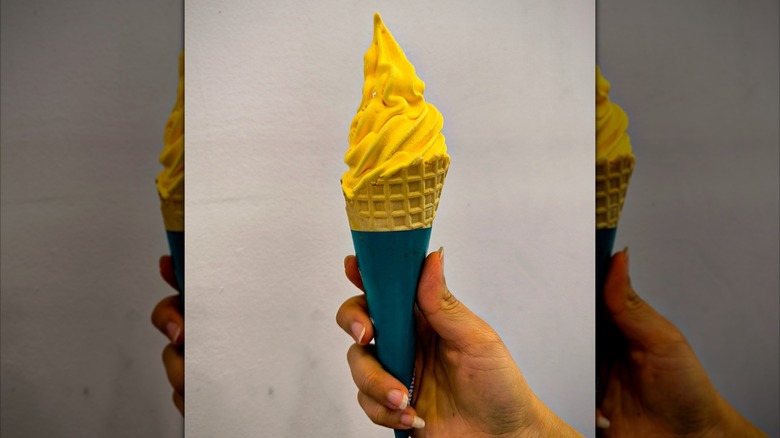
Durian is one of those fruits that really divides people. But unlike many foods, the controversial part is not actually the taste, but the smell. While the flavor has been described as sweet and floral, the stench has been compared to garbage. Rotten eggs and sewage are also frequent comparisons. It doesn't sound appetizing, but many still maintain that durian is a must-try fruit, even if just for the experience.
Paul Kennedy is a durian fan, but the way he eats it? In ice cream. "Vietnam does dessert in the most unexpected ways, and somehow it always works," he says. As well as durian ice cream, other tasty, unique treats he recommends are avocado smoothies, sticky rice with coconut ice cream, and black jelly with coconut milk. "I'd be remiss if I didn't suggest ending one of these delicious meals with something sweet," he adds.