

8 Unspoken Rules When Dining In Italy
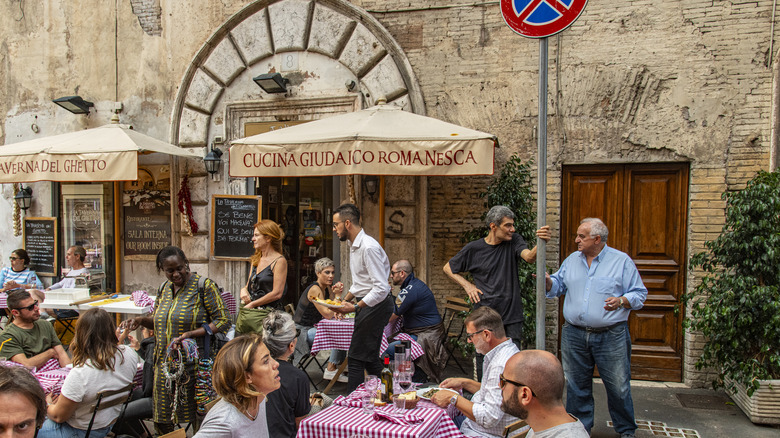
Dining in Italy is about more than just having a good meal. It's an experience, a rite, a veritable event. And we're not just talking about fancy dinners or Sunday lunches. We're talking about every single meal, meaning lunch or dinner, any day of the week. Breakfasts may be afterthoughts in Italy, where people get by with a coffee and some biscuits, or a croissant at best, but dinners and lunches are another story. You will even see colleagues or couples dining together at lunch on any given Wednesday, enjoying a full spread of what that restaurant has to offer. Not to mention the all-out dining affairs that can happen for a special occasion.
But precisely because these meals are so important, there is a long set of rules that go with them, some written in the official etiquette, known as the Galaeto, and others unspoken but known by all, lest they be publicly ostracized. We have already opined about some mistakes one might make when dining in Italy, so here we'll focus on the unspoken rules tourists or newbies might not be aware of, but which might earn them a few snubs or disapproving looks from waiters or other patrons.
Never drink wine with pizza
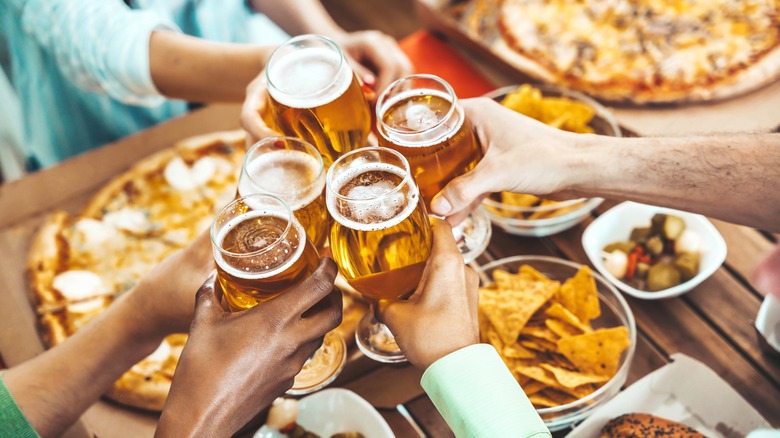
People all over the world, including in Italy, often drink wine with pasta, so it might seem surprising that Italians shun the beverage while consuming pizza, which ostensibly, has very similar ingredients: tomato sauce, cheese, and some kind of neutral carbohydrate. Yet order a glass of wine with your pizza and you may get funny looks from your Italian dinner companions.
Instead, the unspoken rule is that you're meant to order beer with pizza. Italians have been pairing beer and pizza for decades, in part because the rise of the cheap pizzeria occurred in tandem with the rise of beer consumption, making them obvious staples to put together. But there is a scientific explanation for why beer is the perfect drink pairing for pizza. Some studies suggest that carbonation can help make digestion more efficient, which is great news for the legions of people who have trouble with the copious amounts of cheese and bread that make up the delicious food.
Expect to pay at the till
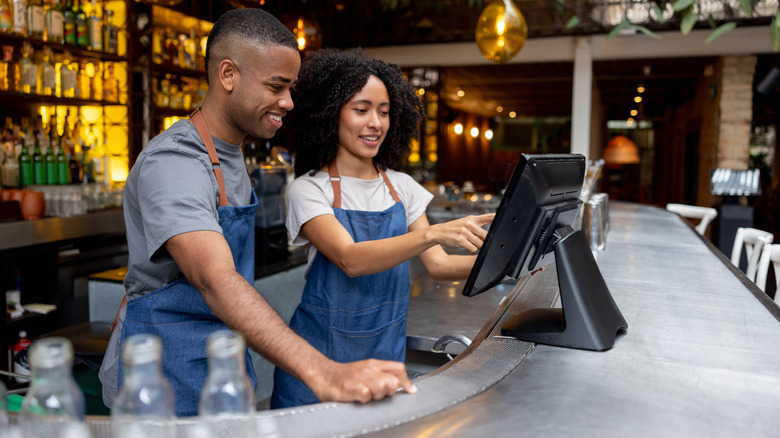
If you're planning on dining at a restaurant in Italy, remember that you may be expected to get up and pay your bill at the till when you're ready. That is, your server won't bring you the bill in most cases. Some exceptions are found in touristy areas where most restaurant patrons are not Italian, or in very fancy restaurants, where you are to be waited on hand and foot. But aside from that, your job at the end of the meal is to get up, head to the till, and tell the cashier what you had for dinner.
This system may seem like a bore for those used to having everything brought to them. But it actually comes with many benefits. For one, your credit card is never out of sight. You hand it over, they scan it, and give it back, all in plain sight. Back in the day when most restaurants would take your card to some secret POS in a corner, this was especially helpful. Another perk is that if you're dining with a large group and everyone wants to pay for themselves, you can just go up to the till, say which parts of the meal you want to pay for, and leave it at that. No complicated math, at least not on your part.
Only order one course
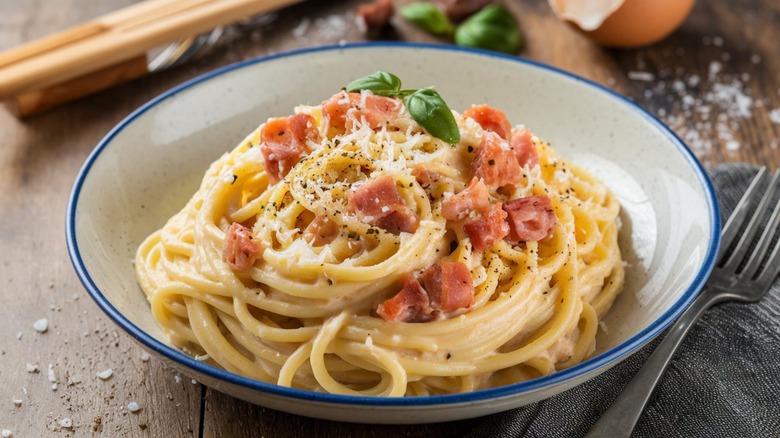
It depends on how hungry they are, but in most cases, Italians will review a menu with the idea of only ordering one course, even if the menu is divided up by first and second course. In these situations, the categorization of the menu is intended to help people find the type of item they're looking for. For instance, a first course typically stars carbohydrates, and could be something like a risotto or a pasta dish. Meanwhile, a second course is typically meat or fish. In other words, no one is expected to order multiple courses.
The portions of each of these courses is considered a full portion for the average adult, which is why no other courses are usually necessary. Of course, there is always an option of ordering a starter or a dessert, but those are quite besides the point. Instead, if you order a second course, you may have to order a side to go with it, such as plain grilled vegetables, as these are not necessarily included.
Lay off the Parmesan
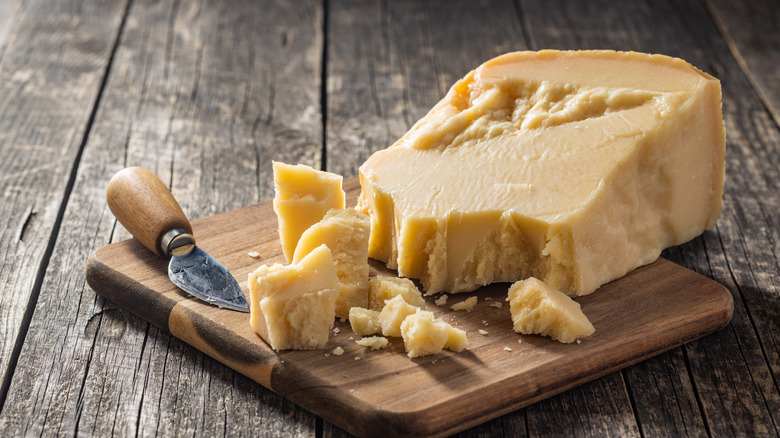
Parmesan in the U.S. is not quite as good as what you get in Italy. In some cases, it's not even the same stuff. U.S. Parmesan may come pre-grated in bags, accompanied by emulsifiers to keep the cheese from clumping, or it may be the real deal, an actual block of Parmesan, but one that has spent so much time crossing the Atlantic it's practically hardened itself into oblivion. You just can't get as much Parmesan off these, even if freshly grated, than you can with a block of Parmesan fresh from an Italian market or grocery store.
The result is that American-based Parmesan cheese, in whichever form you choose, doesn't yield as much as it does in Italy. So when you have some Parmesan grated on your pasta when dining in Italy, you'll get a lot more than you would at home. This is why you might get a confused look if you ask for extra Parmesan on your plate. You should also know that there certain dishes where Parmesan, or any other cheese, is practically banned. These are fish dishes, including pasta with fish or shellfish, because the cheese is believed to be too flavorful for the delicate constitution of seafood.
Don't be confused by the cover charge
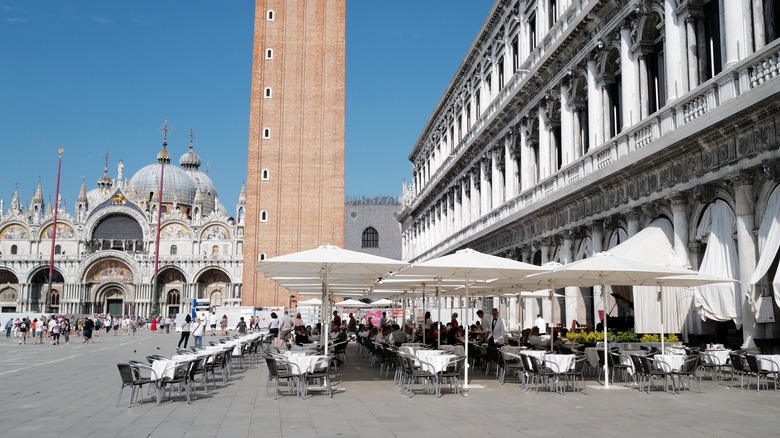
You've found a prime spot at a table with direct views of the Colosseum. Or Piazza San Marco. Or the Duomo in Florence. You enjoy your meal and then you get a bill with a strange word on it: coperto. You check everything on the bill and see that you've consumed everything except for this mysterious coperto. Well, don't bother protesting, because it's there on purpose and it's not a shameless plug for a tip.
It covers things you take for granted at restaurants, like the ability to use its cutlery, tablecloths, and napkins for free. And yes, when you find this charge, it does feel a little like being nickel-and-dimed. Why not just fold those items into the price of the food? Who knows. The fact remains that you have to pay this type of charge in many restaurants, especially those in touristy areas that are effectively charging you for their prime real estate location. So if you don't like the idea of it, it's best to ask a waiter if the restaurant charges a coperto before you sit down or order.
Drink responsibly
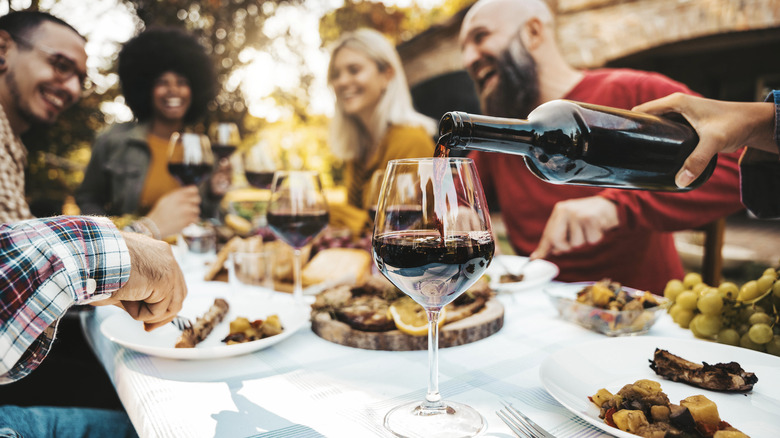
Don't be shocked to sit down to lunch to find a group of business people or construction workers enjoying a bit of wine or beer with their lunch. Many people take a tipple with their meal, even if it means grabbing a bear at an Autogrill rest stop on the side of the highway. But there's no cause for alarm, in most cases, as the vast majority of people will stop there.
First of all, there's no stigma attached to this behavior, so long as it really is just one drink (or maybe two on a Friday), and second, Italians, broadly speaking, are pretty good at drinking responsibly. That single drink at lunch may turn into a few more at dinner, but people tend to cut themselves off early on, or simply have no interest in continuing. Part of this is because alcohol, and especially wine, is seen as part of the meal rather than a thing apart. It's almost like a seasoning or a dip. So when the food has been consumed, the wine also stops flowing. It's also because most Italians really do drink wine, or beer, and don't venture into the hard liquor arena unless it's to use it as a post-meal digestif.
Tap water is a no-go
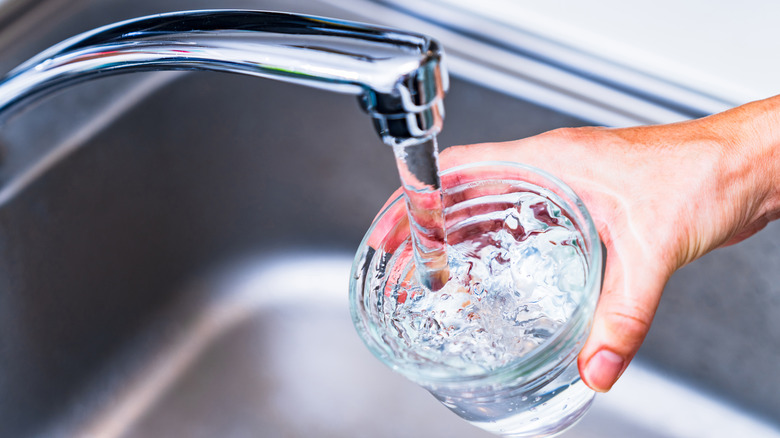
Americans love their icy cold water, no matter what the weather is outside. Walk into any chain or casual restaurant in the U.S. and the first thing your server will bring you is a cup of more ice than water, all straight from the tap. But the situation is very different in Italy. For one, Italians prefer their water to be room temperature, even in the summer.
But more to the point, you have to order the water, and it will come in a bottle. In other words, water is not free, nor is it a given. But this isn't done to spite diners. The truth is that restaurant prices in Italy tend to be more affordable than they are in the U.S., so one can't blame a joint for trying to make some extra cash on the water. And since they're charging for it anyway — because if you do happen to get tap water, you may still have to pay for it — they'd rather give you the good stuff. Although tap water is safe to drink in Italy, it doesn't always taste nice, so you may end up being grateful for that bottle.
It's okay to critique the chef
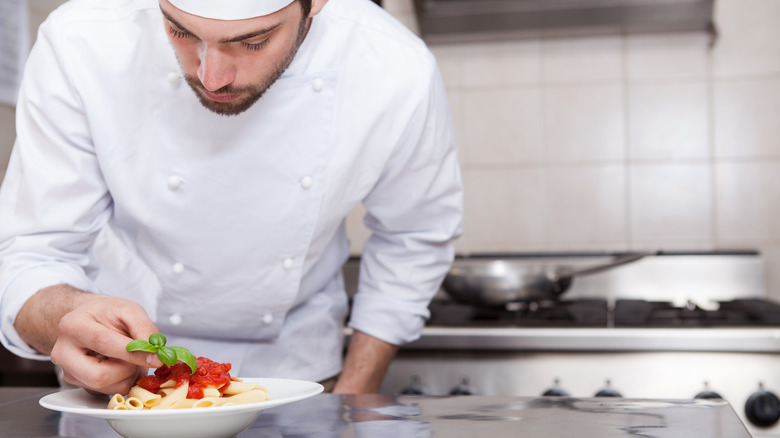
Many people would balk at the idea of criticizing a chef. In a best case scenario, if the food isn't good, they might leave most of it on their plate and smile politely but coldly at the waiter. Or in a worst case scenario, they might rail against any and all staff who will listen and send their food back repeatedly.
What might happen in Italy regarding dissatisfaction with a meal bears no resemblance to these scenarios. Rather, the idea of being critical of art, which includes food, is elemental to the Italian psyche. Not only do people have permission to be critical, but they are downright required to make their thoughts known to the interested parties. Indeed, critiquing a chef is not seen as offensive, as long as it's done politely. Generally, the intention is to improve something that is already very good, and it's common to see patrons telling waiters or chefs how they might have preferred their food, even if they liked it very much. In fact, such critiques might come more often when the food is good, almost as if the patron wanted to encourage the restaurant to take the final step from good food to great food. As for the chefs, it's hard to know how they feel, but at serious restaurants, they seem to take this attitude in stride.