

Cauliflower Stays Fresh For A Week Without Getting Mushy, Unless It's Stored With This Common Fruit
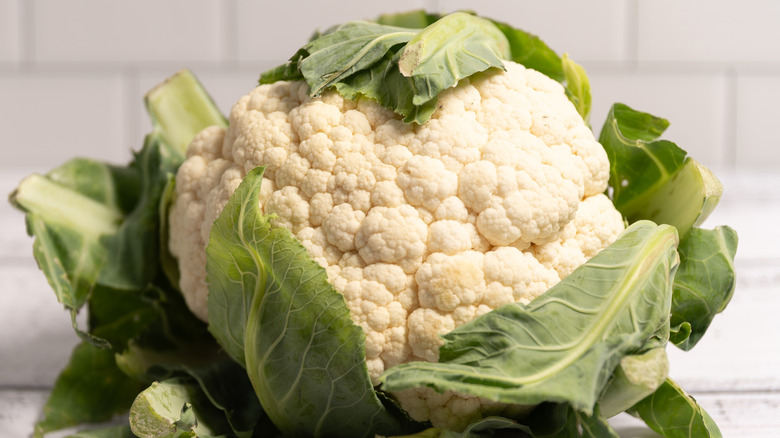
Storing the wide variety of fruits and vegetables we have access to today can be a confusing mess, and even thick, crunchy produce like cauliflower isn't immune to it. Left on its own, whole cauliflower can last quite a while, up to two weeks if it's stored properly. But the "stored properly" is always where plants get you. It's not just temperature or sunlight that affects how long your food will last in storage; there is a whole checklist of variables, and one of the most annoying is the different fruits and vegetables that shouldn't be stored together. And in the case of cauliflower, you don't want to store it anywhere near your apples.
You may have heard warnings about apples and other produce before, and that has to do with ethylene. It's a gas that is released by some fruit in storage. Specifically fruits produce ethylene to trigger the ripening process, and continue to produce it as they ripen. Most fruits that produce ethylene, like apples, pears, and tomatoes, are sensitive to it, so they can accelerate ripening in one another.
However, some fruits and vegetables don't naturally produce ethylene on their own, but are sensitive to it anyway. Cauliflower is one of those, and is actually quite high in sensitivity, which means ethylene will cause it to start breaking down far faster than it naturally would. And of all the fruits that produce ethylene while ripening after being picked, apples produce the most.
Apples release ethylene, which cauliflower is very sensitive to
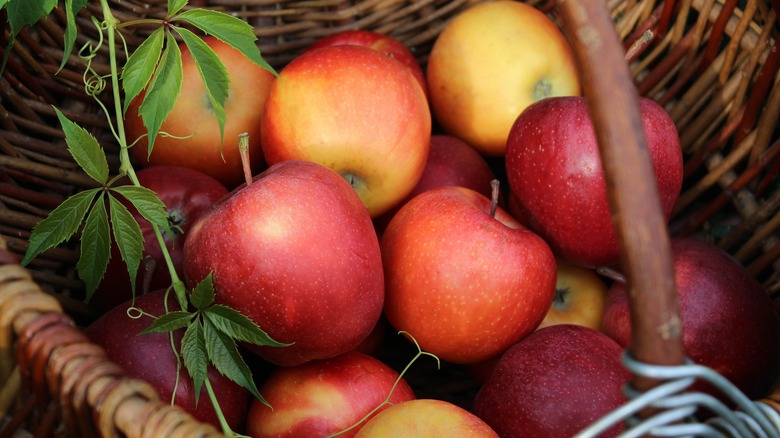
While apples are the worst option to store cauliflower with, they aren't the only fruit you should look out for. Anything that produces ethylene, like the aforementioned pears and tomatoes, is going to hasten the ripening process and cause cauliflower to go bad quicker. Other fruits that produce a high amount of ethylene and should not be stored with cauliflower include peaches, nectarines, avocados, cantaloupe, and papaya. Other produce that releases ethylene, like bananas, peppers, and tomatoes, doesn't release as much, so while it isn't ideal, your cauliflower will be fine for a few days.
Beyond avoiding these fruits, cauliflower is best stored in your refrigerator's crisper drawer if you want it to last. Cauliflower stores best in a low-moisture environment with good air flow, so keep the crisper drawer vents open. It also helps to store your cauliflower in a perforated plastic bag, which it often comes in at the supermarket.
Finally, make sure you position your cauliflower in the drawer stem side up. This will protect the florets from the moisture that naturally gathers at the top of the drawer. Do all that and you should have plenty of time to use it in your favorite cauliflower recipes before it goes bad, but be on the lookout for black and brown spots, which are the first signs of spoilage. Because the best way to make sure produce doesn't go to waste is always just using it quickly.