

15 Of The Best Italian Cookbooks Of All Time
We may receive a commission on purchases made from links.
Anyone can tell you how to cook Italian food — a preliminary search on YouTube will throw up millions of meticulously detailed tutorials competing for your attention. However, when you want to understand why Italians cook the way that they do, you'll want to turn to the culinary maestros and virtuosos at the forefront of this cuisine, from Marcella Hazan and Anna del Conte to Nancy Silverton. But you wouldn't want to consider the Italian cookbooks written by them as simple recipe books, either.
Our selections are historical archives of recipes that are inherited rather than invented, each offering a valuable window into Italy's enduring culinary legacy. These are books that have stood the test of time, such as "The Essentials of Classic Italian Cooking" by Marcella Hazan or "The Silver Spoon". They are culinary chronicles that masterfully blend context and culture into the craft of cooking, like "The Food of Italy" by Claudia Roden. After scouring through bestselling lists and reviews by industry insiders, we put together the cookbooks that serve as a joyous celebration of the sacred Italian tavola.
The Essentials of Classic Italian Cooking
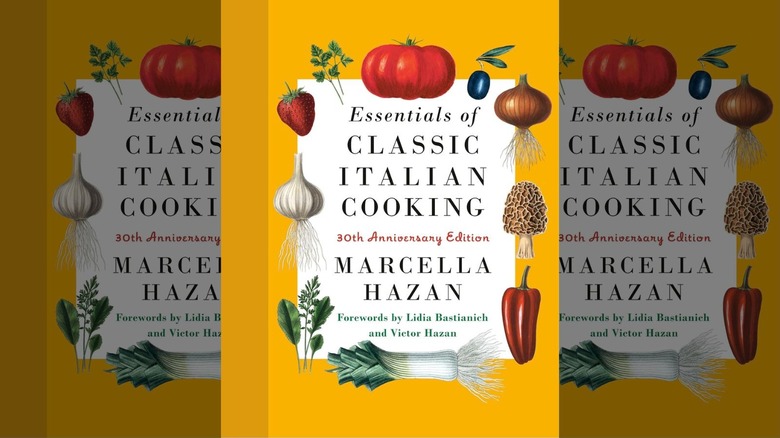
It is hard to get a word in edgeways on the subject of Italian cooking without someone foisting "The Essentials of Classic Italian Cooking" by Marcella Hazan into your hands — and with good reason. With dual doctorates in natural sciences and biology, Hazan originally intended to make her mark as a scientist. However, fate had other plans, and when she relocated to the United States after marriage, she found herself attempting to recreate the taste of home with the limited ingredients at her disposal. As her star rose, so did demands for a cookbook. "The Essentials of Classic Italian Cooking" was published in 1991 and, unsurprisingly, became an instant bestseller.
The passage of time has done little to dull the allure of her classic Italian recipes and the heartfelt conviction with which she shares her love for the country's quintessential ingredients. "A vegetable soup can tell you where you are in Italy almost as precisely as a map," she opined in the book. As Nigella Lawson raved in a review, "If this were the only cookbook you owned, neither you nor those you cooked for would ever get bored."
The Silver Spoon
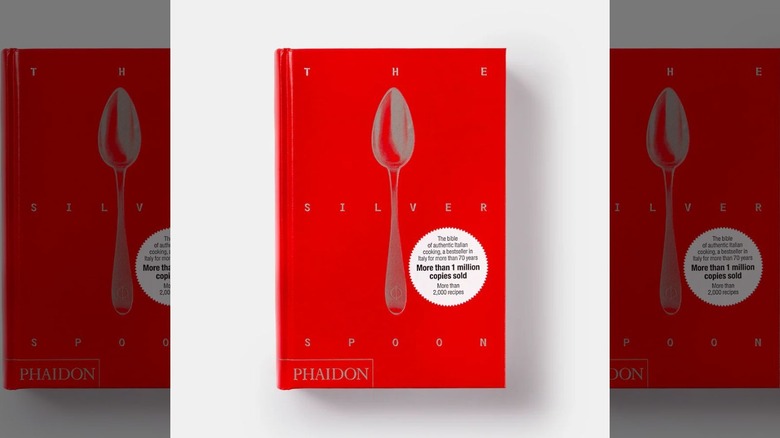
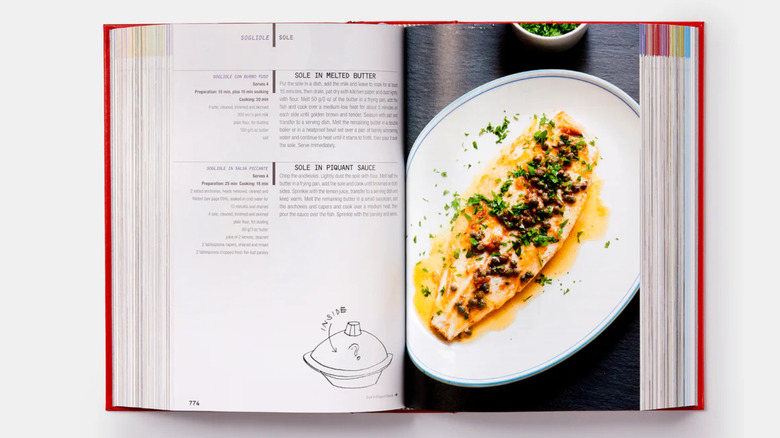
If you were to pass by "The Silver Spoon" in a bookshop, perhaps this tome wouldn't earn a second glance. The scarlet-hued cover offers minimalistic typography and an illustration of its namesake silver spoon. Only one blurb alludes to the cult-like status it enjoys within the realm of Italian cooking: "More than 1 million copies sold." Originally published in 1950, you can think of "The Silver Spoon" as Italy's equivalent of "Joy of Cooking": a must-have culinary bible revered by housewives and gourmands over the last 7 decades.
A quick peruse through the index, and you'll find over 2,000 recipes waiting to transplant you into an Italian kitchen. There are big hitters that you know and recognize: risotto, spaghetti carbonara, and more. And then, there are the regional dishes that you'll be itching to explore, from Piedmont's creamy vitello tonnato to the rustic comforts of ribollita from the sunny shores of Tuscany. Each recipe is accompanied by minimalistic photographs characterized by editorial-style restraint. There are no fancy props or table settings to see here — just honest, unvarnished depictions that echo the intentionality that is so central to Italian cooking.
Science in the Kitchen and the Art of Eating Well
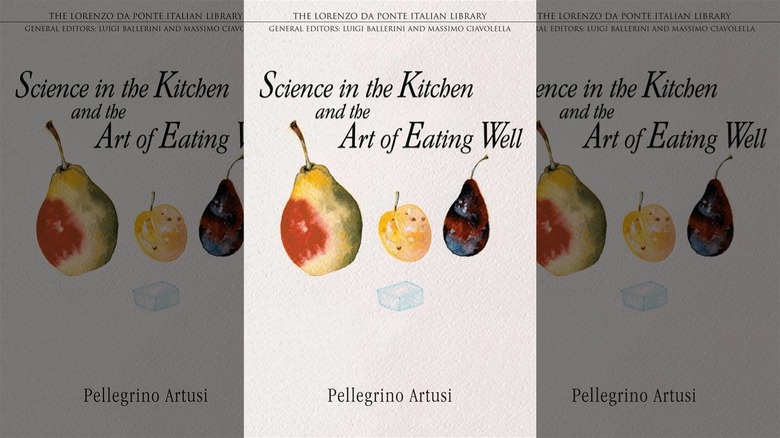
It is the late 1800s, and Italy has freshly unified as a nation. There are few better ways to blur boundaries than the universal medium of food, and Pellegrino Artusi's culinary manual, "Science in the Kitchen and the Art of Eating Well," did just that. It wove diverse recipes and cooking techniques into a cohesive culinary narrative.
His manuscript faced stiff rejection from Italian publishers who didn't glean much value in catering to home cooks — cookbooks were traditionally penned for professional chefs catering to the elite. However, Artusi wasn't one to be deterred. After several rejections, the cookbook crafted in his Florentine kitchen managed to see the light of day in 1891 and went on to sell 52,000 copies over the next 2 decades.
The fact that this self-published cookbook was written for home cooks rather than expert chefs is amply demonstrated in the decided lack of technical jargon. It's all peppered with witty commentary for flavor. Expect blurbs like (via CKBK), "Do not be alarmed if this dessert looks like some ugly creature such as a giant leech or a shapeless snake after you cook it; you will like the way it tastes," to leave you chuckling as you recreate his strudel recipe for a Sunday feast.
La Cucina: The Regional Cooking of Italy
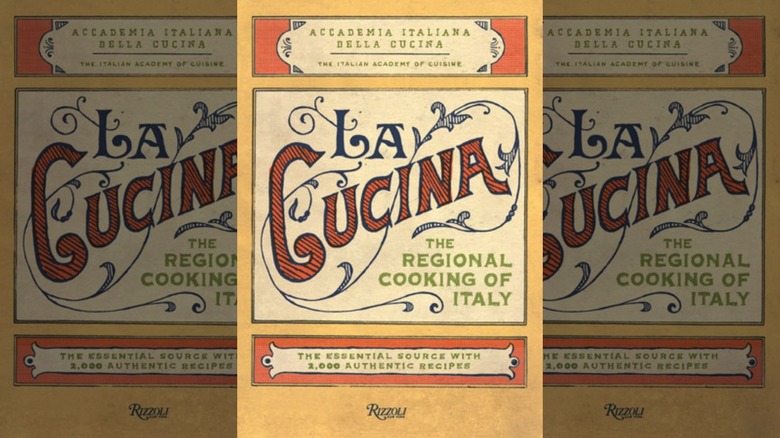
One of the most persistent forms of culinary slander Italy faces is being seen as a homogeneous region of spaghetti and pizza margherita. In reality, Italy plays host to 20 diverse regions, each with its own culinary gems to offer. Attempting to encapsulate these regional treasures into one volume isn't an easy task, which should explain the 928-page count of the culinary encyclopedia, "La Cucina: The Regional Cooking of Italy," compiled by the Italian Academy of Cuisine.
However, this labor of love wasn't compiled from the sterile, detached confines of a professional kitchen. Instead, the quest for regional, never-documented-before recipes had the Academy's associates pounding the pavements. After observing techniques — and more importantly, cultural context — at the elbows of Italian nonnas in far-flung villages, the results were transcribed and recorded in "La Cucina: The Regional Cooking of Italy". You'll walk away with proven, time-tested recipes for antipasti, polenta, and dessert. But more importantly, you'll be left with newfound awe at the breadth of Italy's culinary expertise.
Italian Food
The first thing that Elizabeth David wants you to know about Italian food? Please forget everything you know about Italian food — you'll particularly want to check any standardized definitions at the door. Instead, she urges you to pick up her 1954 cookbook to discover 14 recipes for artichokes and 8 different ways to make aubergine, each hailing from a different region of Italy.
Those glossy visuals that are plastered all across contemporary cookbooks? Noticeably absent here. Ingredient quantities? Nada. You'll need to eyeball it as you follow along with David's finest culinary finds culled from a year of travelling across Italy. The result is a rigorously documented archive of regional recipes for salads, sauces, preserves, and cheeses — even though desserts are a no-show here.
What is visible in "Italian Food", however, is the palpable sense of discovery in her prose. "To eat figs off the tree in the very early morning, when they have been barely touched by the sun, is one of the exquisite pleasures of the Mediterranean," she penned (via AZquotes). Is this a cookbook, a travelogue, or an impassioned treatise on the many charms of fish stew? David clearly enjoyed having the best of all worlds, and you will too.
The Food of Italy
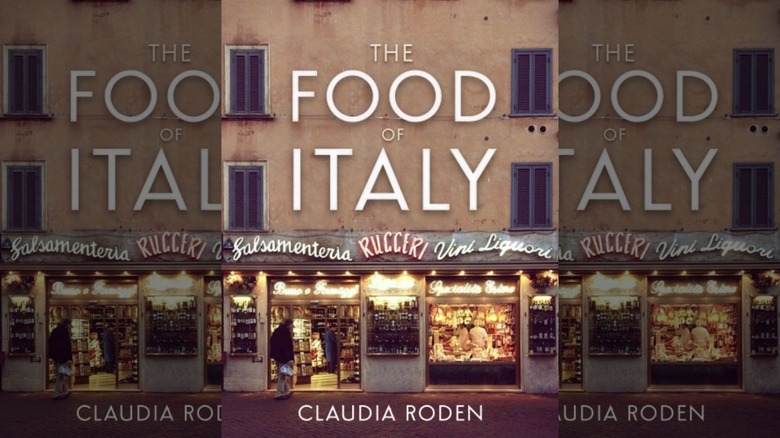
Born in Egypt, educated in Paris, and based in London, yet it is the diverse tapestry of Italian food that took Claudia Roden under its spell. Having spent a year in the country for research, "The Food of Italy" justifiably feels less like a cookbook and more like a teatime chat with a well-informed friend taking you on a virtual food crawl across Italy.
There are over 300 recipes to choose from, but Roden doesn't just want you to master al dente pastas and velvety polenta. She wants you to breathe in the heady scent of garlic fried with sage and rosemary. Roden wants you to recognize Piedmontese fare from Neopolitan. Perhaps, most importantly, she wants to remind the world that there is no such thing as Italian cooking — not when each of the 20 regions feels like a separate world with its own distinct culinary identity.
Made in Italy: Food & Stories
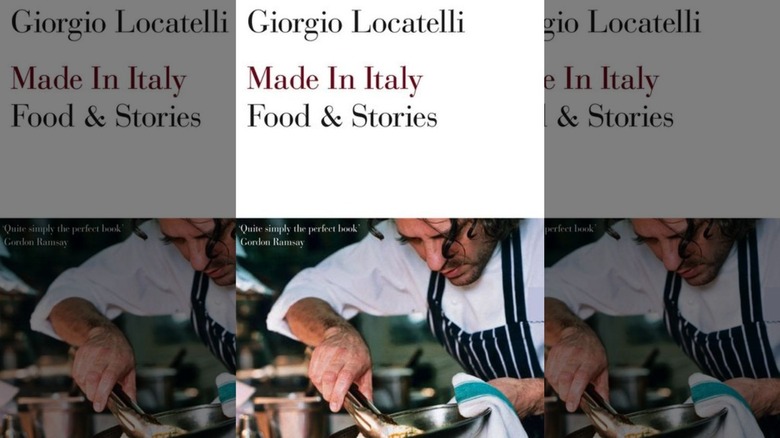
In the moniker of this cookbook, Michelin-starred chef Giorgio Locatelli promises good food and stories. After you make it through 624 pages, you will be glad to note that he hasn't reneged on either. There are mouth-watering recipes detailed here, of course. You'll discover how to blanch nettles for risotto without a single sting, and revive an old Tuscan tradition of making salads with leftover bread. Along the way, you'll also get a ringside view into the life of a small-town chef who was told at his first real job that he would never succeed in the culinary industry.
Part recipe book, part memoir, Locatelli peppers impassive recipes with energetic tales from his own experiences growing up in the small village of Corgeno. "Made in Italy: Food & Stories" will also find a fan who loves nerding out over the history of food — there are 19 pages of exposition on risotto before you even make it to the recipe. Little surprise, then, that this cookbook weighs about 11 pounds — perhaps making it a better candidate for your coffee table than a cramped kitchen shelf.
The Mozza Cookbook: Recipes from Los Angeles's Favorite Italian Restaurant and Pizzeria
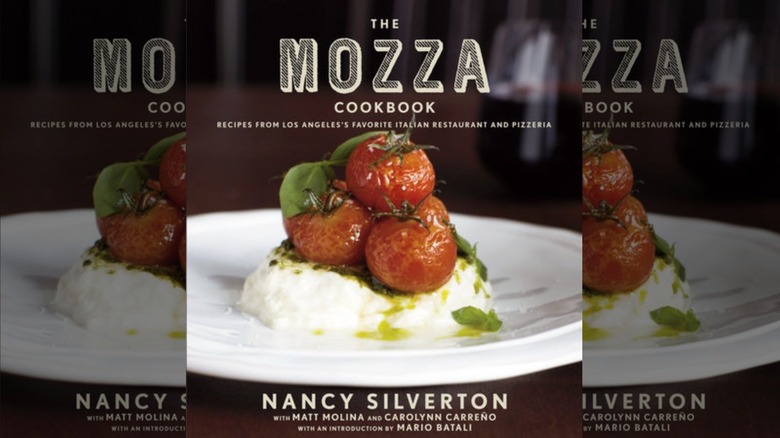
Everything that Nancy Silverton does immediately turns into a headline, from her hidden trick for elevating the flavor of butter in baked goods — the secret ingredient is love and brown butter — to her best advice for buying and cooking with Parmesan. Despite having published a plethora of cookbooks, it comes as little surprise that "The Mozza Cookbook: Recipes from Los Angeles's Favorite Italian Restaurant and Pizzeria," co-written by Carolynn Carreño and Matt Molina, is a widely loved favorite.
True to its name, this cookbook offers tempting visuals as well as snippets from Silverton's experience at the helm of Pizzeria Mozza and Michelin-starred Osteria Mozza. However, her intent when writing this cookbook was for it to serve as more than just a coffee table souvenir for ardent patrons of the eatery. This should explain her decision to pair well-loved cold foods in the tavola fredda chapter, such as crostini misti, alongside more daring options. There is a silent chuckle to be detected in the holiday dinner section, featuring dishes such as grilled quail, that she concedes would leave an Italian scratching his head. Passionate and innovative in equal measure, the cookbook carries a little bit of Silverton's own soul in its pages.
The Del Posto Cookbook
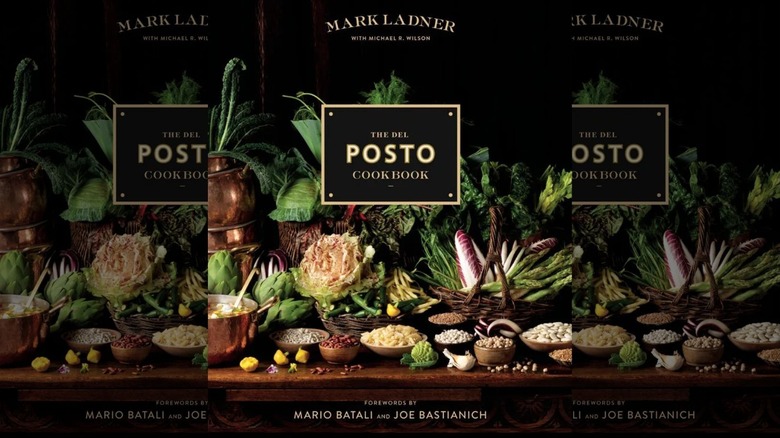
When reviewing "The Del Posto Cookbook", there are several things that will fight for your attention. For starters, there is the string of heavy-hitters associated with the book, from author and Michelin-starred chef Mark Ladner to Lidia and Joe Bastianich, who are fondly dubbed as the first family of Italian cuisine. Then, there are the recipes: laden with technical savoir-faire and destined for internet stardom, such as the 100-layer lasagna.
Given that "The Del Posto Cookbook" has been penned by a chef who lays claim to multiple Michelin stars, the recipes justifiably cater to the ambitious rather than the amateurs. Will you be arduously measuring 14 tablespoons of butter 4 hours into putting together the Orecchiette with Red Lamb Sausage and Carrot Purée? Yes. Will you be basking in the glory when your dinner guests cannot stop reaching for seconds? Also yes.
Cooking by Hand: A Cookbook
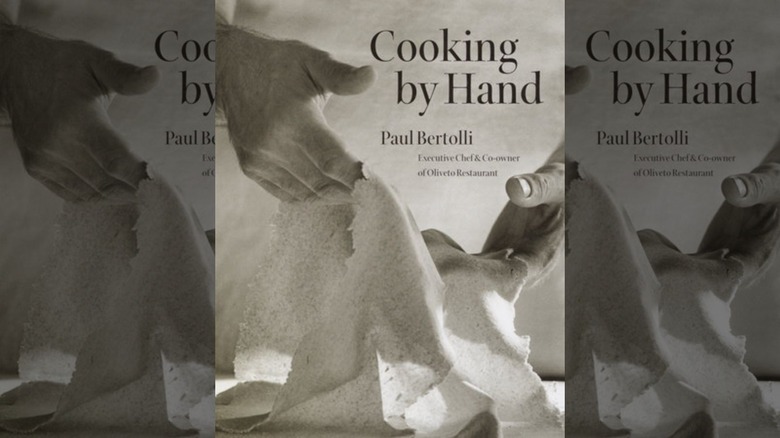
Chef and restaurateur Paul Bertolli could have rattled off a few pasta techniques in this cookbook and called it a day. Instead, he chose to take the scenic route, delivering an unhurried, languid exploration of the techniques that are integral to Italian cuisine in "Cooking by Hand: A Cookbook". The phrase "by hand" in the moniker is especially pertinent. Across 140 recipes, you'll find Bertolli relentlessly championing the artisanal methods that rely on touch, feel, and intuition rather than automated tech.
Sure, you can toss dough into a machine, but why would you, when kneading by hand can help you pinpoint changes in the consistency? Side note: In case you are looking to put your existing gadgets and gizmos to good use, you won't regret reading up on all the things you can make in a bread machine that aren't bread. The recipes are paired with in-depth literary essays, such as "Twelve Ways of Looking at Tomatoes," designed to blur the boundaries between the ingredients and the hands cooking them.
Gastronomy of Italy
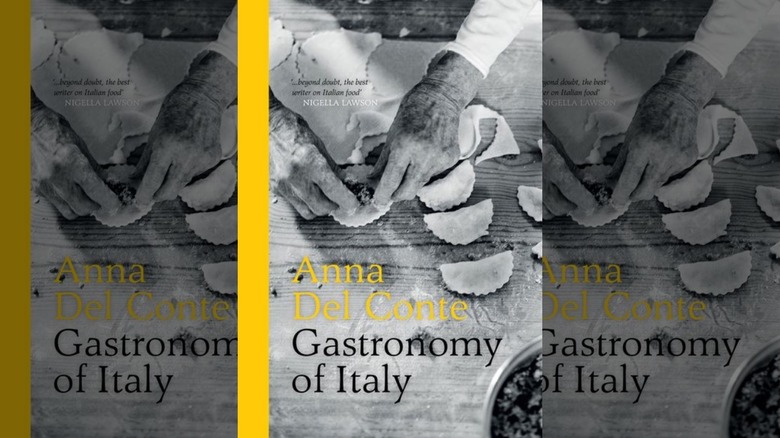
When culinary maven Anna del Conte speaks, you listen. Such is her far-reaching influence that Nigella Lawson credits her memoir as the inspiration for her favorite surprising ingredient to add to spaghetti: Marmite, a yeast-based spread. Despite having dozens of acclaimed cookbooks under her belt, del Conte demurs from being described as a cook or a chef, choosing instead to be ascribed to the title "cookery writer".
It is a phrase that she has done immense justice to, as evidenced in "Gastronomy of Italy". There are over 1,200 entries to browse through, including a helpful alphabetized reference to Italian food for those who may not be familiar with particular ingredients. But this cookbook doesn't just want you to walk away with a new favorite recipe for lamb stew and almond biscuits. By the time you have flipped past the 416th page, this cookbook hopes you will be able to recognize the 6 grades of olive oil by scent rather than taste. It wants you to know what to look for when shopping for authentic Italian cheese. And above all, it hopes that you will revisit the regional treasures that have solidified Italy as the benchmark for gastronomic excellence.
Food and Memories of Abruzzo: Italy's Pastoral Land
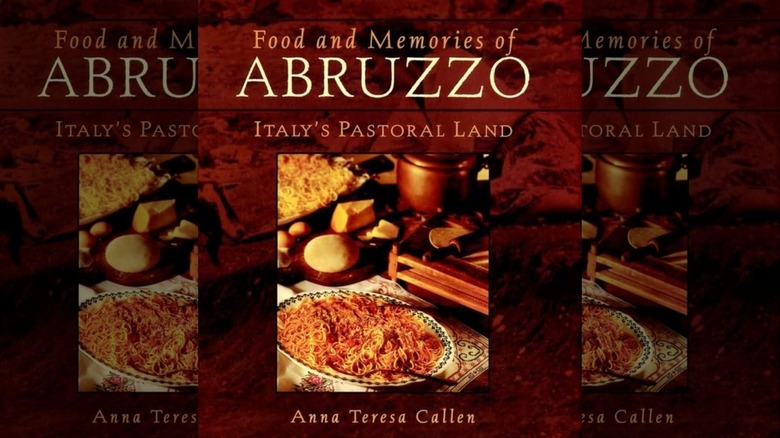
Within the span of the first few sentences nestled inside the cover jacket, this cookbook pens a tempting visual portrait of Abruzzo as "a land of colorful festivals, brooding traditions, gargantuan banquets, and ancient superstitions ..." However, author Anna Teresa Callen wants you to know that the cultural legacy of this pastoral land is rivaled by its culinary virtuosity.
Several dishes from this region have earned acclaim — if you haven't come across maccheroni alla chitarra yet, you'll want to Google the words "guitar macaroni" and thank us later. However, Callen feared that other culinary gems from this region wouldn't travel beyond the next generation. In a bid to right this wrong, she meticulously compiled over 350 recipes in "Food and Memories of Abruzzo: Italy's Pastoral Land", including a cardoon soup that her grandmother loved. The recipes are punctuated with glimpses into her own childhood and everyday life in Abruzzo. This is a cookbook; this is a memoir; this is a love letter to one of Italy's best-kept secrets — all rolled into one.
Cucina Fresca: Italian Food, Simply Prepared
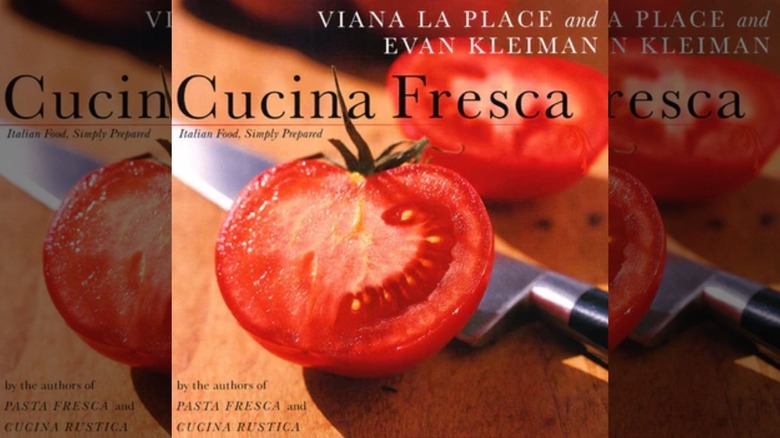
There are cookbooks that require you to bring some level of foundational culinary skills to the table, as well as the willingness to invest hours in painstaking preparation. And then, there are those cookbooks you reach for when you want to put together something quick yet exciting on a bland Tuesday night. "Cucina Fresca: Italian Food, Simply Prepared" takes pride in belonging to the second camp.
Despite being published in 1985, its universal principles of fuss-free, mindful cooking have stood the test of time. Across 304 pages, this cookbook champions the ingredient-driven philosophy of Italian cuisine. But despite being "Italian in its inspiration", it also cheekily describes itself as "American in its outlook" — as evidenced in the convenient, make-ahead recipes that will serve as a boon for home cooks plagued with perennial time constraints.
Food of the Italian South
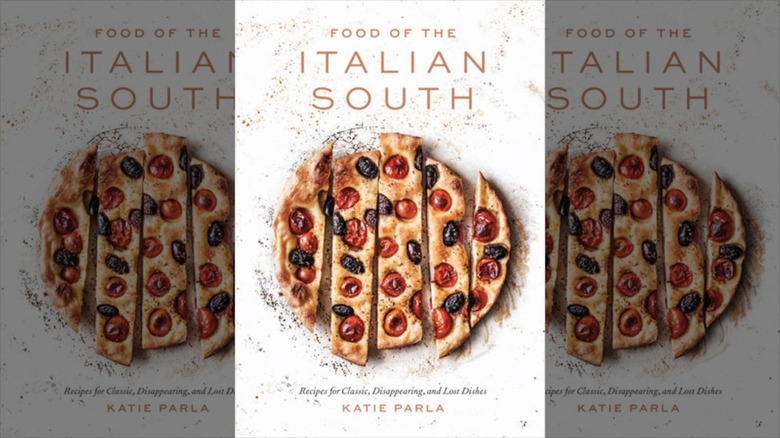
The arresting visuals of "Food of the Italian South" might make you pause first. However, it is the words printed directly below the title that truly deserve your attention: "Recipes for lost, classic, and disappearing dishes." Part cookbook, part preservation project, author Katie Parla spent time developing these recipes alongside farmers, home chefs, and cooks in remote regions of Southern Italy. These were then thoughtfully tested in the United States and adapted to suit the needs of a contemporary home kitchen.
Over the course of her culinary endeavors in the south of Italy, Parla would also find that ingredient quantities are conspicuously absent — terms like "a pinch" or "a handful" are commonplace in Italian cookbooks, given the intuitive nature of this region's cooking. In a bid to make these recipes more accessible, Parla added precise U.S. measurements but implores you to use them as a guideline and to make adjustments as per your personal palate.
Lidia's Mastering the Art of Italian Cuisine
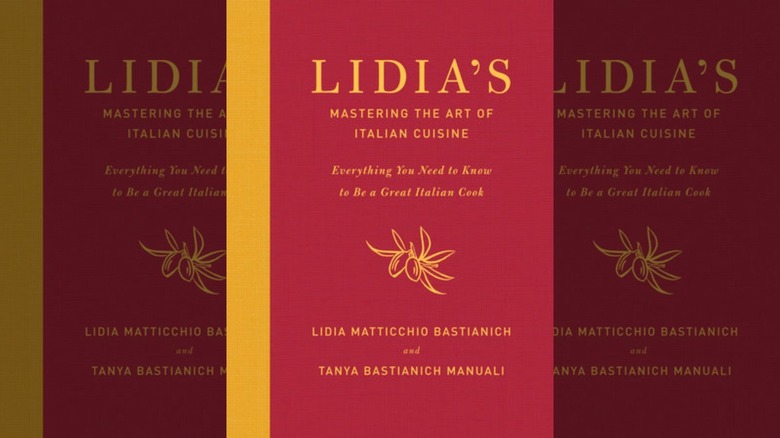
Lidia Bastianich is a name that unfailingly comes up in any conversation about Italian cuisine. If you are as entranced by her ingredient-driven approach to cooking as we are, you'll want to cop her favorite olive oils that she always has in her pantry. It took over five decades, but Bastianich mastered Italian cuisine — and the moniker of this cookbook promises that you can, too.
Visual learners will want to proceed with caution: This is an old-school endeavor that doesn't set much stock by polished, studio-style visuals. But before you dive into the 400 recipes mentioned in "Lidia's Mastering The Art of Italian Cuisine", she wants you to first master the 88-page guide to seasonal Italian ingredients that will inform the rest of your culinary experiments in the kitchen. There is a comprehensive guide on how to store these ingredients, and an exhaustive section on kitchen tools. The back cover of the book described it best when it proclaimed, "It's like having Lidia in your kitchen!"
Methodology
For discovering the finest gems the world of Italian cookbooks has to offer, the bestselling list always serves as a good place to start. Several names on this list have been lauded through the years and have sold millions of copies. By analyzing expert recommendations, critical reviews, and widely cited names in the culinary world, we narrowed down the best Italian cookbooks that deserve a spot on your kitchen shelf.