

10 Rules To Follow When Using Silicone Kitchenware
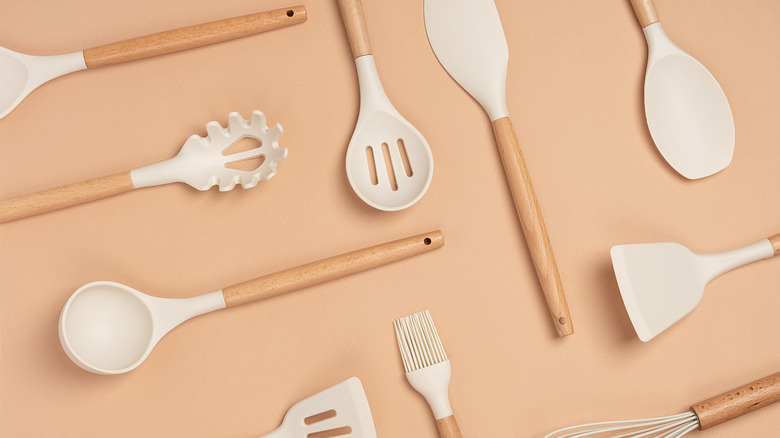
You love your silicone spatulas for scraping every last crumb off the pan, and silicone bakeware excels when it comes to demolding cupcakes with ease. From baking mats to oven mitts, silicone is taking over our kitchens, but guaranteeing the promised durability of this versatile material depends on following a few golden rules.
If you constantly find your favorite silicone tools and utensils riddled with stains, odors, and greasy build-up, it helps to rethink how you use and store them. Abrasive cleaning tools and sharp knives should be kept away from silicone to avoid creating nicks or grooves on the surface. Food stains and odors, meanwhile, will require more creative cleaning methods, from using your oven to hydrogen peroxide.
While silicone is an effective, low-maintenance alternative to other kitchenware materials like wood or glass, it still requires proper care. From understanding the temperatures it can withstand to knowing the correct drying techniques to prevent mold, learning the basics of silicone care can add years to its lifespan. Ahead, you'll find all the essential rules for extending the life of your silicone products.
Always wash silicone before first use
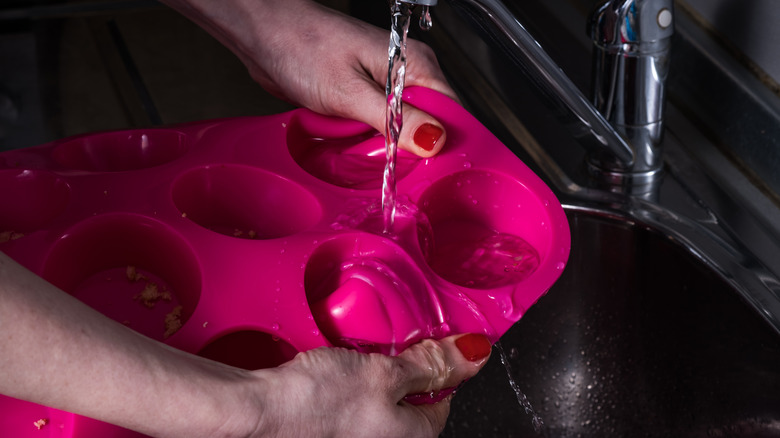
Even if you wash fruit before eating, it might not be enough to remove every trace of pesticides. The same principle applies to new kitchen items, including silicone cookware. Residue from the manufacturing process can cling to their surfaces, so washing all new silicone cookware thoroughly before first use is essential to avoid ingesting industrial chemicals.
Silicone is made by heating the natural silica found in sand and quartz at blistering temperatures. It is then chemically combined with hydrocarbons derived from fossil fuels to create silicone. After this intensive process, it's no surprise that leftover plastic particles often remain. If you run your fingers over the surface of your new silicone purchases, you might even detect a faint powdery film. This residue can contaminate food and hamper the non-stick abilities of your cookware, making the initial wash crucial.
There are several ways to guarantee your silicone purchases are clean enough to use. Soaking them in white distilled vinegar for 30 minutes will remove any powdery residue. Leaving them in a bath of baking soda and water for an hour also works. A final rinse with warm water will ensure your silicone utensils are as good as — or better than — new.
Follow the temperature limits specified by the manufacturer
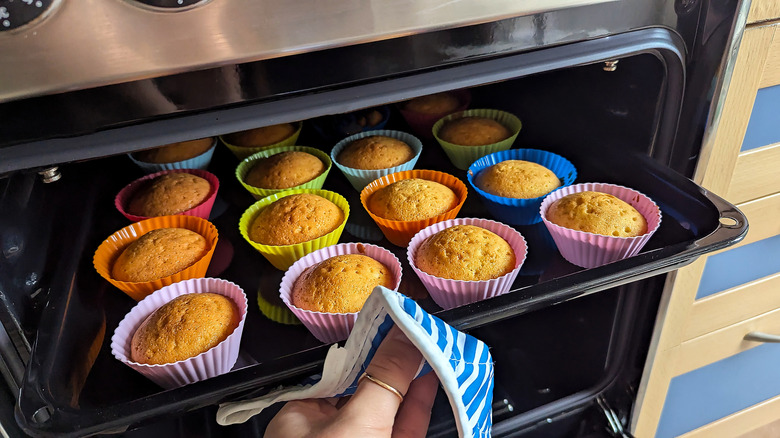
Most plastic containers are no match for the fiery heat of an oven, and not all glassware can handle the frosty temperatures of a freezer. If you find yourself short on options, silicone can seem like a savior with its ability to move effortlessly from one to the other. However, despite its robust resistance to extreme temperatures, it's wise to exercise caution.
The good news is that food-grade silicone is designed to handle a wide array of temperatures. To meet the standards set by the Food and Drug Administration (FDA), silicone cookware must be able to withstand temperatures between –60 and 230 degrees Celsius without deforming. If you stick to this range, you can safely place your silicone kitchenware in the oven without worrying about chemicals leaching into your food from prolonged heat exposure.
While silicone can stand up to extreme temperatures better than plastic, it has its own kryptonite: direct contact with hot surfaces. If it touches a stovetop, broiler, or open flame, the material can degrade and lose its shape. To ensure the longevity and durability of your silicone cookware, always follow the temperature limits specified by the manufacturer.
Avoid abrasive tools when cleaning silicone
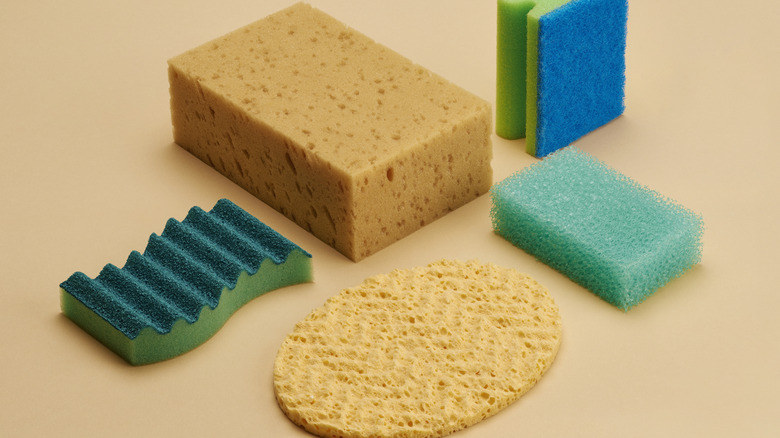
Don't be fooled by all the big talk about silicone's durability; it's a complete softie that will buckle under the pressure of abrasive cleaning tools. You might need scouring pads and steel wool to tackle stubborn stains, but these will scratch the surface of silicone items. The resulting micro-tears can trap dirt, grime, and food residue, compromising the long-term hygiene of your cookware.
So, what should you use instead? Use gentler options such as soft sponges or brushes with nylon bristles to clean your silicone items without damaging the surface. Microfiber cloths are also highly effective for cleaning kitchen tools without leaving a mark. But what if you want to deep-clean the grooves of your silicone molds? Reach for an old toothbrush with soft bristles to get into any nooks and crannies that your sponge cannot reach.
Let silicone kitchenware air-dry completely
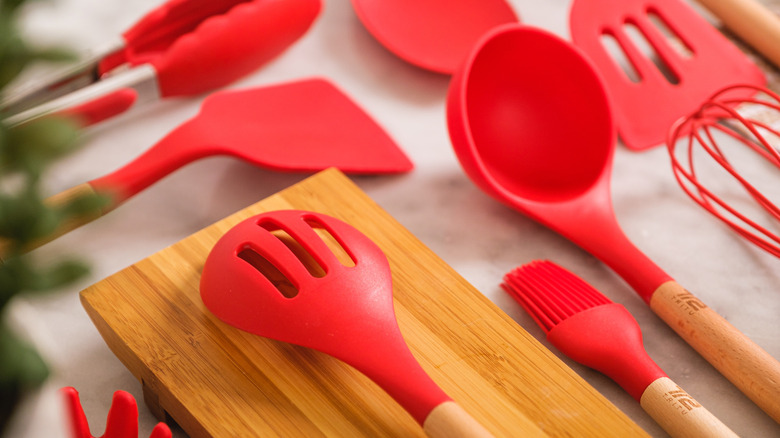
While mold isn't always harmful, it's still something to avoid whenever possible. If silicone kitchenware is put away immediately after being washed, the trapped moisture can create the perfect conditions for mold to grow, so it helps to air-dry everything thoroughly first.
Air-drying silicone products fully can take hours, but you can speed things up by wiping them with a lint-free microfiber cloth. Once completely dried, you'll need to store silicone utensils in a well-ventilated, low-moisture area, as mold thrives in humid environments.
If you don't have space on your countertop for a drying rack, you can get creative by using what's known as the chopstick method to air-dry your utensils. Start by laying an absorbent dish towel on your kitchen counter and placing two flat chopsticks on top, a few inches apart. Resting your silicone items on the chopsticks leaves space below for sufficient airflow — this helps them dry faster than if they were placed directly on a drying mat and prevents moisture from getting trapped underneath.
Don't use sharp knives on silicone
You may have mastered the technique of using sandpaper to sharpen your knives, but you won't want to bring your freshly honed tools into contact with any silicone cookware. Just like abrasive cleaning tools, knives can puncture the smooth surface of silicone and compromise its longevity.
Silicone is known for being flexible and for its remarkable ability to snap back to its original shape after being stretched. While this flexibility makes it easier to scrape every last morsel of food from your cookware, the soft material runs the risk of being punctured or gouged when faced with the sharp blade of a knife. These minuscule cuts can accumulate on the surface over time and reduce the non-stick properties of your silicone cookware. And knives aren't the only culprit — you'll also want to maintain a vigilant eye for other sharp edges that can damage silicone, from pizza cutters to kitchen shears.
The vulnerability of silicone to scratches is also something to consider when shopping for cutting boards. Unlike wooden boards, silicone is a non-porous material that won't absorb moisture over time. It won't crack as easily as plastic and isn't as fragile as a glass. If you are choosing a silicone cutting board for your daily chopping needs, it helps to opt for a thicker board made from food-grade silicone.
Put silicone products in the oven to get rid of lingering odors
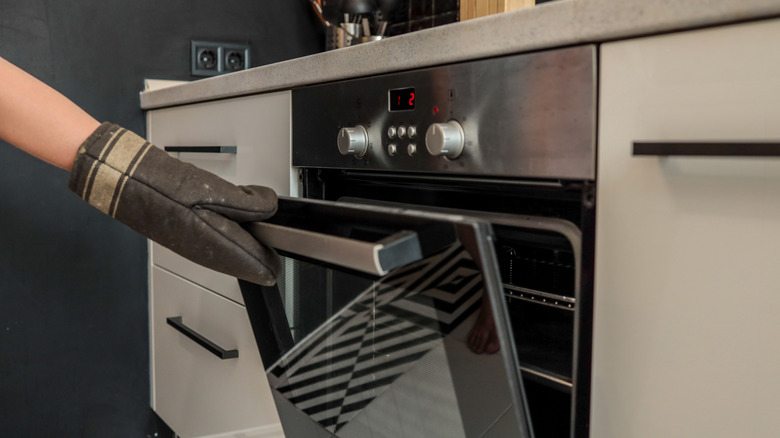
There's a reason why silicone kitchenware starts to taste like soap over time — it's a side effect of the non-stick properties the material is widely hailed for. When heated, silicone molecules expand and absorb the oils of whatever they're in contact with, be it food or dish soap. Over time, the smells and flavors of these oils become trapped within the surface of the silicone and cannot be removed with a routine wash.
If you are looking to permanently get rid of any lingering odors, it helps to make one crucial change in your routine: start heating your silicone cookware before you clean it. Instead of using harsh detergents to fix stinky silicone, preheat your oven to 350 degrees Fahrenheit. While you're waiting, use a sponge and hot, soapy water to remove any food residue. Then, pop your silicone utensils on a baking sheet and treat them to a warm, toasty session in the oven for an hour to thoroughly eliminate any residual odors before a final wash. If the stubborn smells linger, you can return the silicone to the oven for 20 minutes at a time until all odors have been truly banished.
Wash silicone utensils by hand instead of putting them in the dishwasher
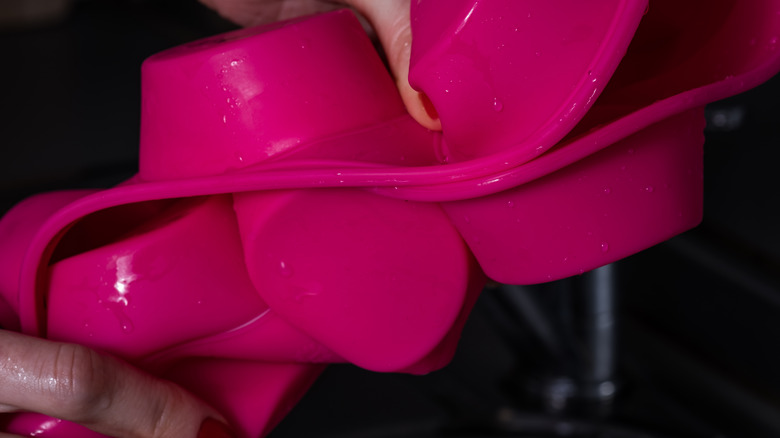
As much as dishwashers have revolutionized our lives, they're not suitable for all kitchenware — Tupperware lids, delicate glassware, or lightweight plastic bowls can warp, crack, or melt if placed on the bottom rack. Likewise, silicone may also struggle with the forceful water jets and high heat at the bottom of a dishwasher.
This might seem surprising at first: after all, silicone has no issues with being popped in the oven. The heat itself isn't the problem; it's the dishwasher detergent. Strong detergents can degrade silicone's non-stick surface and leave behind a powdery residue.
For silicone utensils that require light cleaning, handwashing with warm, soapy water is preferable. Items that require a more thorough clean can go in the dishwasher, but exercise caution. The safest spot for silicone is on the top rack, where it's shielded from the harsh jets and detergents — you'll also want to make sure items are placed far away from any heated components of the dishwasher. Select a low-temperature setting below 140 degrees Fahrenheit and remember to let all items air dry completely if they're still wet.
Store silicone cookware out of direct sunlight
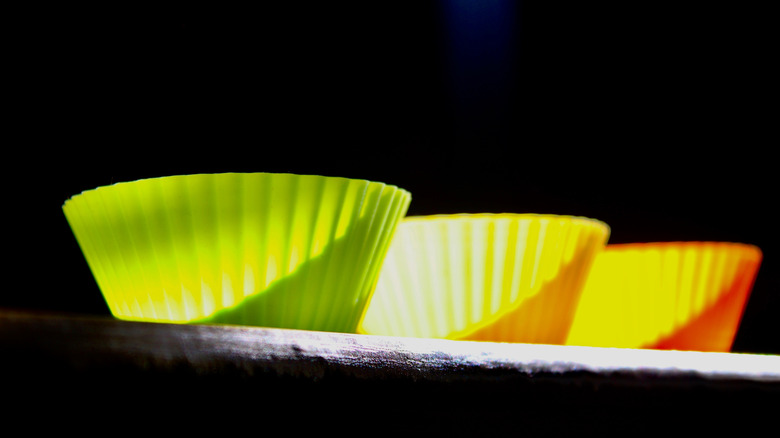
From spices and dried herbs to coffee beans, there are several kitchen items that shouldn't be stored in direct sunlight. And now, you can add silicone utensils to the list, as prolonged exposure to ultraviolet (UV) rays may weaken the material over time.
Since silicone is designed to withstand extreme temperatures, you don't need to worry about your favorite molds turning into a goopy puddle if they're left in the sun. However, UV rays may cause silicone products to fade or become discolored. They may also degrade the material's mechanical integrity, reducing its tensile strength and making it more prone to tearing.
As a rule of thumb, keep your silicone products in a cool, dry location out of the sun. Also, while this material is pliant and flexible, you'll want to ensure your kitchenware isn't bent or folded during storage. When squashed beneath bulkier items, silicone can lose its original shape, so store lighter items together to help maintain their form.
Avoid using cooking spray on silicone bakeware
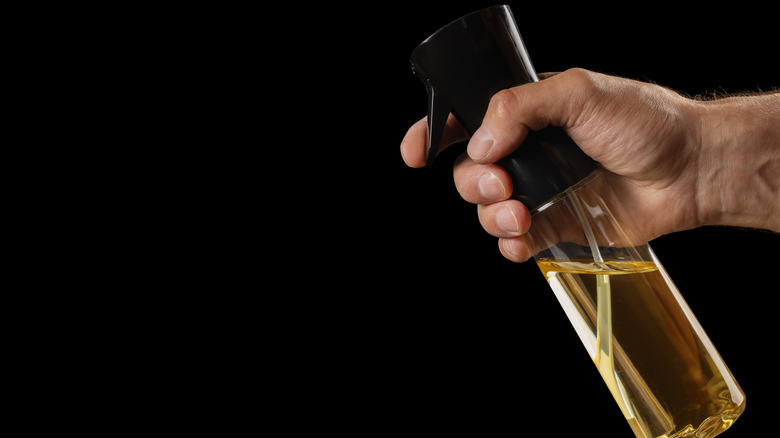
Cooking spray is a go-to essential for cooking enthusiasts, but it is especially indispensable for avid bakers. The primary role of a cooking spray is to ensure that food doesn't stick to the pan. Within the world of baking, one quick spritz makes demolding smooth and seamless. But while metal pans will gladly welcome a coating of cooking spray, your silicone bakeware won't take quite as kindly to it.
The reason? Most silicone products have already been blessed with a non-stick coating. It may seem like a rational move to add extra insurance with cooking spray, but this additional step can leave a greasy film on the surface of the silicone molds. Instead, apply a slim coating of butter to the mold with a pastry brush to grease the base. However, it is imperative to use a light hand, as too much butter can make your food taste slick and oily. For particularly stubborn baked goods, let them cool, then pop the mold into the freezer overnight. By morning, the walls of the silicone mold should easily release your baked product with minimal effort.
Use hydrogen peroxide to remove stubborn stains

You may have managed to banish every last odor from your silicone cookware, but that isn't all that you need to keep an eye on. Stains can prove to be just as clingy as lingering odors, and if not addressed promptly, they can discolor your favorite silicone kitchenware.
To prevent stains, it helps to brush up on the common culprits. Highly pigmented and acidic foods can do a number on silicone utensils — think beets and spices such as turmeric. The longer these stains are allowed to sit on the surface of silicone, the tougher they become to remove. The ideal protocol is to immediately rinse silicone products with warm water to get rid of residual food particles before scrubbing gently with dishwashing soap to dislodge oils and pigments from the surface.
For stubborn stains that refuse to acquiesce, you'll want to bring out the big guns. Hydrogen peroxide is known to tackle tough vegetable and fruit stains, and you can call upon its restorative powers to fix your silicone cookware. Simply soak the stained dishes in a container overnight with 3% hydrogen peroxide and rinse with hot water the next morning to reveal spotless silicone that gleams just as brightly as the day you bought it.