

16 Genius Tricks To Save Money On Pantry Staples
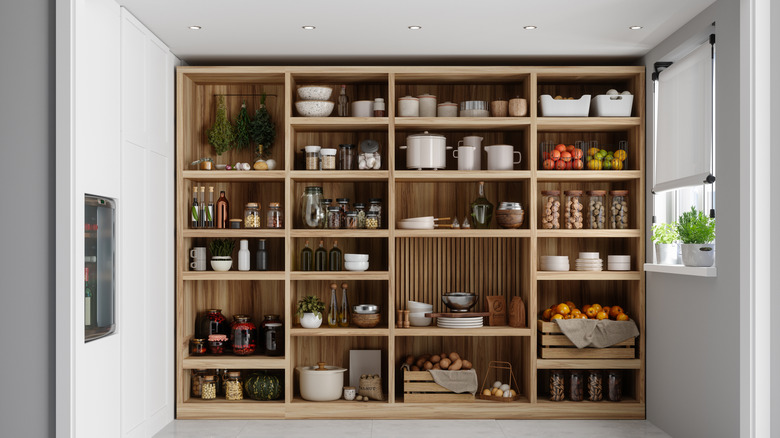
With day-to-day costs constantly on the rise, many of us try to bring down spending with savvy grocery shopping. It can be disheartening looking at the grocery bill and wondering how it could cost so much, but there are ways to save money week by week if you know where to start.
The pantry is one of the best places to look for savings, since the majority of food has a long shelf life. Rice, pulses, and canned goods can be kept unopened for months, meaning that bulk deals and seasonal discounts can be taken advantage of.
For pantry food, cutting down on wasted ingredients is one of the key areas to target in an attempt to reduce grocery bills. From shopping in zero-waste stores so you only buy what you need, to storing ingredients in airtight containers to prevent spoilage, there are many simple ways to reduce waste and save money at the same time. Let's take a look at 16 genius tricks to save money on pantry staples.
Store bulk foods correctly
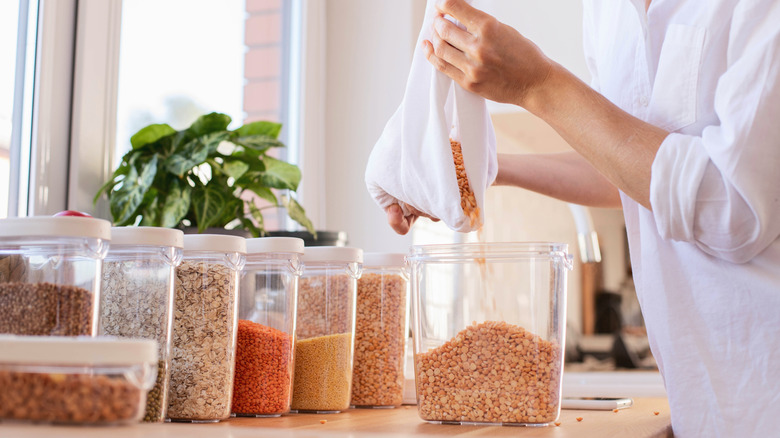
One option to save money on groceries over time is to buy items that you use often in bulk. Although it means more of an initial financial outlay, the cost per portion can be significantly lower for essential pantry items such as flour, nuts, or oats. However, if you don't organize your pantry items properly, bulk buying can end up contributing to more food waste and ultimately costing you more.
If you buy pantry staples in large bags but fail to transfer them to smaller containers, their shelf life will be reduced. Nuts and flours that are high in fat, such as coconut flour, can turn rancid when exposed to the air, and flour mites and weevils can make their way in if packages are left open.
Instead, you need a plan for proper storage of dried goods before you hit the shops to buy huge quantities. Air-tight containers are the best option, keeping your dry goods, well, dry. Moisture is responsible for much of the spoilage of pantry staples, so keeping air out is the best way to prolong their stability.
Shop in zero-waste stores
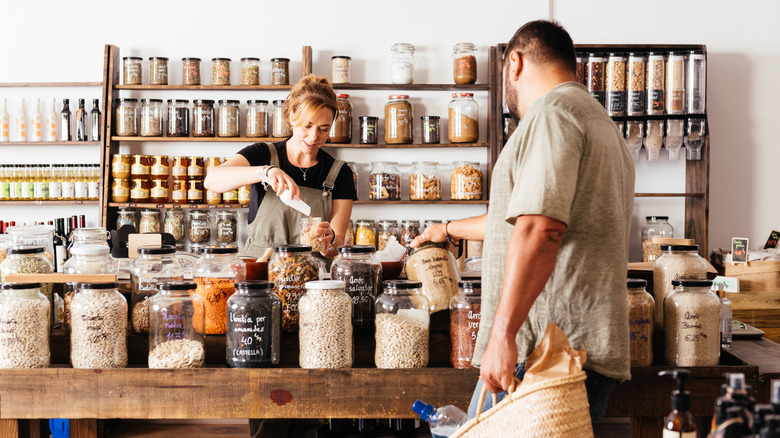
One great way to reduce plastic waste and save a bit of cash at the same time is to ditch the daily trips to the supermarket and shop in a zero-waste store instead. Also known as refill shops, these stores are becoming more common and allow you to take along your own containers and collect your ingredients without the need for throwaway packaging.
Filling your own containers means that you can take as much or as little as you need, and half-finished packages are less likely to languish at the back of the pantry and ultimately end up in the bin. Zero-waste stores are handy for buying ingredients you need for just one recipe, or that you use rarely, as well as buying pantry staples that you use often in the quantities you need. Any appropriate container can be used, though using an airtight one will help to keep the dried goods fresh for longer. By switching some of your weekly shopping to a refill shop, you will be supporting a local business, saving on single-use packaging, and putting some extra money in your wallet at the same time.
Buy whole spices and grind them only when you need them
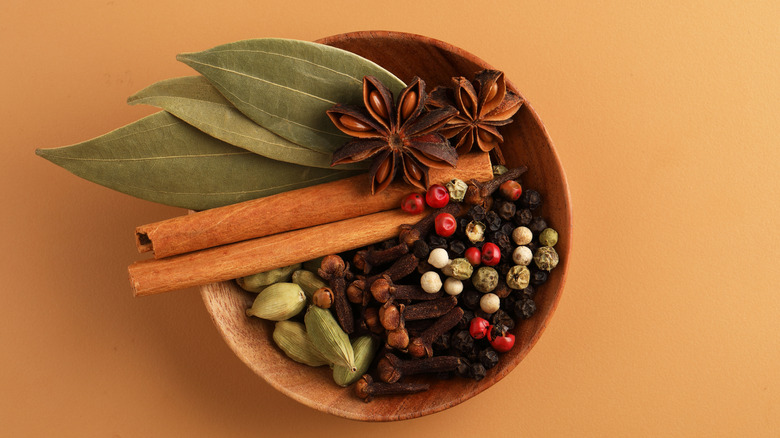
For most of us, our spice racks are full of jars of dried spices that are already ground, meaning that we can simply sprinkle them into our recipes directly whenever we need them. However, to save money on your spices in the long term, buying whole spices instead of ground is a more economical choice.
Ground spices lose their potency and flavor more quickly than whole spices, since they are exposed to the air for a much longer time. In contrast, if you buy whole cumin seeds or cardamom seeds, the oil remains locked inside until you crack them open. If you do that immediately before you add it to your dish, much more flavor is transferred to the recipe. To grind your spices on demand, you can either use a mortar and pestle or a mini food processor, and while both will add a few minutes to your cooking, the rewards in both mouthwatering flavor and savings in your bank account make the inconvenience well worth it.
Keep your pantry organized to prevent waste
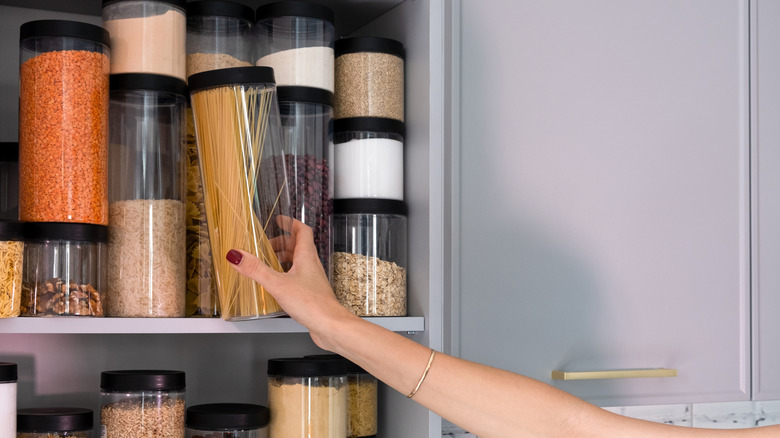
Whether you like to buy your pantry staples in bulk or just buy smaller packages when needed, having an organized pantry is key if you want to avoid food waste and save money. If you simply add items to the front of your pantry after every trip to the store, the items at the back are guaranteed to be forgotten about and will eventually end up in the bin.
Preventing this cycle is pretty easy, using a rotation system that is used in professional kitchens and supermarkets. First in, first out, usually shortened to FIFO, is a common-sense way of rotating your ingredients to make sure that very little goes to waste. When new items are purchased, they are placed at the back of the pantry, and the older stock is moved forward, meaning it will be used first. Whether it is cans of tomatoes or boxes of cereal, using the older products first will prevent them from passing their expiration date, and mean that your shelf-stable produce can be eaten before it starts to lose quality.
Make meals with what you already have
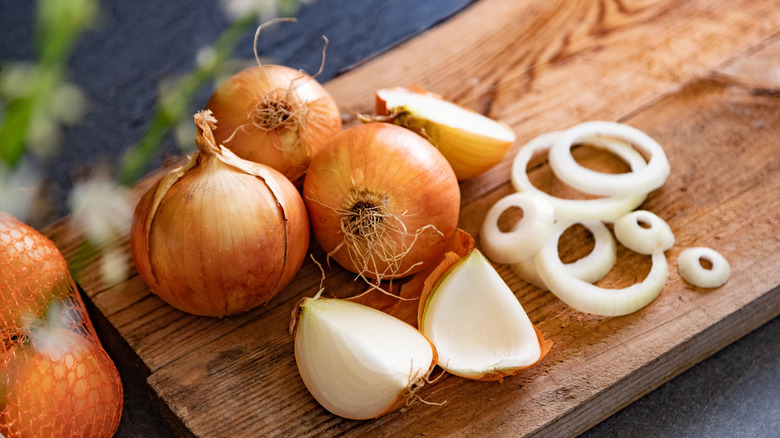
It may seem simple, but one of the most straightforward ways to save money on food is to cook with ingredients you already have. While it's tempting to head to the grocery store to pick up fresh meat or ready meals, you likely have dozens of possible recipes already hiding out in your pantry, and you can make a filling meal without spending any extra money.
Pasta, canned tomatoes, and protein sources such as beans or lentils can easily be made into a variety of family recipes, especially if you have aromatics such as onion and garlic to hand. If you are lacking inspiration, there are websites and apps such as Supercook that allow you to plan meals using the ingredients you have in front of you, which can be a great help if you have left meal planning to the last minute. Simply type in the ingredients you have in your pantry, fridge, and freezer, and within seconds, you will have dozens (probably hundreds) of recipes to choose from.
Upgrade your storage containers to make your dried goods last longer
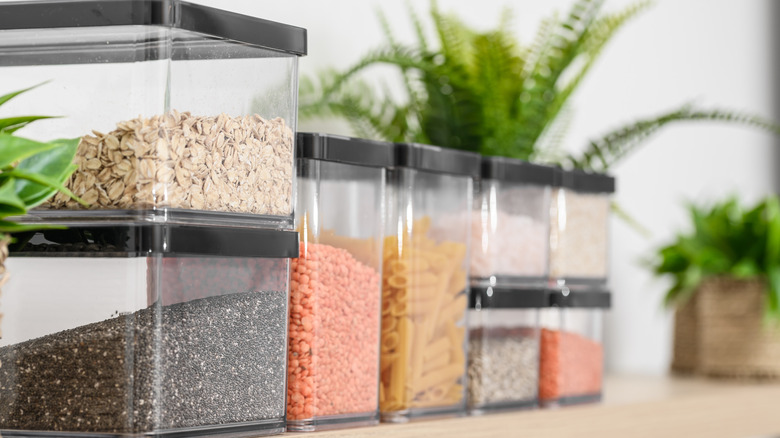
Buying new containers in order to save money may seem counterintuitive, but if your current storage system is causing a lot of food waste, it could be a savvy move. Because pantry ingredients are shelf-stable, we often think that they don't need as careful storage as fresh ingredients, but this is not the case. If you leave items such as flour, sugar, and grains in open packaging for a long period of time, the quality can degrade significantly.
Storing ingredients in airtight containers after they have been opened will protect the contents from being exposed to the moisture in the air, which in turn preserves texture and flavor. If you are buying dried ingredients in large packs to save money, not storing them effectively can mean a lot of food going to waste. You can repurpose containers from other items, such as takeaway trays or jam jars, and as long as the lids fit well and you clean them thoroughly, they will do the same job.
Avoid shop-bought spice mixes
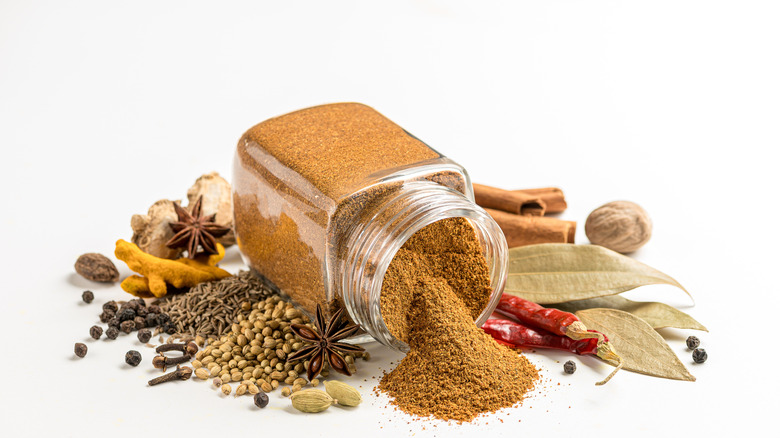
Even if you are a keen home cook, in our busy lives, it's easy to reach for a pre-made spice mix in the grocery store to save making your own. If you do this regularly, however, you can end up wasting a lot more money than creating the mixes yourself. Fajita seasoning or pumpkin spice mix is made from ingredients you likely already have in your pantry, and paying a premium for someone to package the spices together in a fancy pouch doesn't make financial sense.
There is one other big benefit to making your own spice mixes rather than buying pre-made ones — customization. While the ready-made seasonings generally balance the different herbs and spices well, if you make your own, you can use the ratio that suits you best. If you like your curry powder with more of a punch or your herbes de Provence to be more rosemary-forward, you can adjust the quantities to suit your palate. It may take a few more minutes to mix up the spices yourself, but once you have done so, they can be kept in an airtight container and used for multiple meals.
Buy dried pulses and cook them yourself
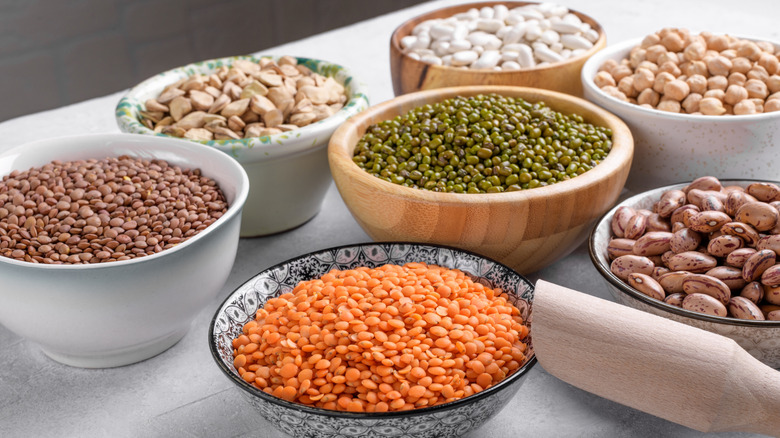
For busy home cooks, canned beans, peas, and lentils are a great time saver, allowing you to get healthy and filling food on the table quickly. The problem is that they cost a lot more compared to buying the pulses dry, and you can help get your shopping budget down by cooking them yourself. If you choose not to add salt to them, home-cooked pulses can contain significantly less sodium than their canned counterparts, so the home-cooked varieties are better for your family's health, too.
With canned beans costing around three times as much as the dried version, taking the time to cook your own can save you a lot of money over time. There is no need to be intimidated by the thought of it; preparing in advance is the key to keeping the process stress-free. Most pulses benefit from many hours of soaking, so add them to a bowl of water and keep them in the fridge overnight. Once drained, they need an hour or two of boiling, or you can use the pressure cooker to cut that time dramatically. If you cook a large batch in one go, you can freeze them in individual portions, and you will have delicious, cheap homemade beans to last you weeks.
Bulk buy after a holiday or during sales
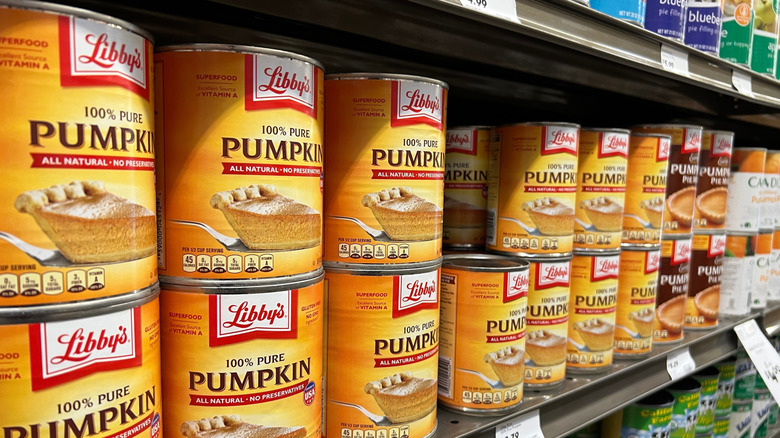
If you have enough space in your pantry to bulk buy ingredients that you may not use for a while, shopping straight after a holiday is a good way to bag some bargains. Grocery stores often buy popular ingredients in huge quantities in the run-up to big occasions and holidays, and excess stock is often reduced in the days and weeks that follow.
Pumpkin pie mix after Thanksgiving and cranberry sauce at the end of the holiday season are great examples of long-life produce that is often reduced once the crowds in the supermarkets have disappeared. If you have space, you can buy these items in large quantities and save money throughout the year, and when the holiday season comes around again.
The key to savvy sales shopping is to resist the temptation to buy everything that is discounted, even if you don't need it. Stick to the items that you would buy even if they were full price, so that you can enjoy genuine food savings once the big holidays are at an end.
After a roast dinner, make your own broth and freeze it
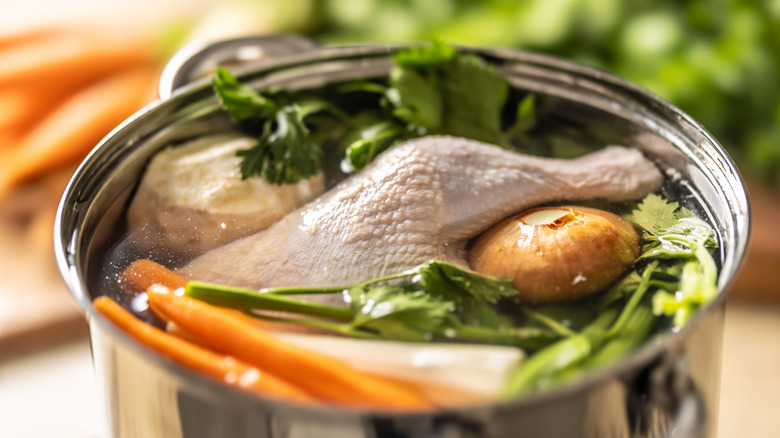
Buying a whole bird or large joint of meat is a great economical way to enjoy a hearty Sunday dinner and continue feeding yourself for days. However, many of us are missing out on an extra way to put the roast dinner to good use by using the bones and carcass to make a delicious, healthy stock.
Bouillon is a convenient way to add depth to soups and stews, but it doesn't compare in flavor to a fresh stock. Buying high-quality fresh stock in the grocery store can cost a fortune, but you can make your own for free using the leftover pieces of the poultry or meat from your roast dinner. Making your own broth is surprisingly easy. Simply cover the bones and leftover meat with water, add some aromatics such as onions, carrots, and some herbs, then leave it to simmer and extract delicious flavor from food that would otherwise have ended up in the bin.
Stock up on multi-use items like canned tomatoes
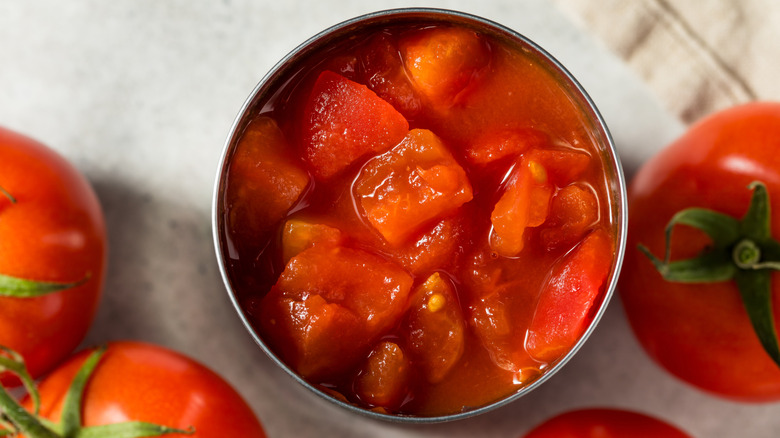
If space in your pantry is at a premium, buying ingredients strategically is crucial. Opting for versatile, multi-use items that can star in a variety of different dishes means you can use your pantry effectively while having plenty of variety in your weekly meal rotation.
Canned tomatoes are a great example of long-life ingredients that you can store in bulk in the pantry and use in different dishes throughout the month. From pasta sauce to chili, and tomato soup to enchiladas, there are many dishes across multiple cuisines that feature canned tomatoes, meaning if you have a stock of them in the pantry, you will never be short of ideas for a healthy weeknight meal. Other ingredients, such as chickpeas, beans, and rice, can do plenty of heavy lifting too, making them essential components of a well-stocked pantry.
Buy herbs and spices in large containers, then decant into smaller jars
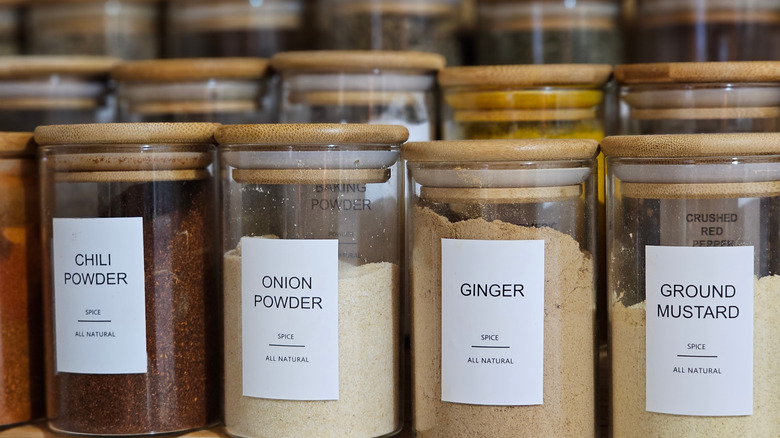
If you have a fancy spice rack on view in your kitchen, chances are that the herbs and spices in it are in matching glass jars to keep the whole thing looking cohesive. However, this doesn't mean that you have to buy the seasonings in this form when it's time to refill, and choosing another option could save plenty of money in the long term.
Herbs and spices are often significantly cheaper when sold in bulk, usually in large bags or boxes, rather than the small, uniform glass jars. You can then decant them into the original jars to keep your spice rack looking pristine, and store the remaining portion in the pantry until the next refill. For spices you don't use often, buying a small jar may still be the most economical option, but for common seasonings that you purchase regularly, it can be a great way to save some extra pennies.
Save expensive extra virgin olive oil for drizzling, not cooking
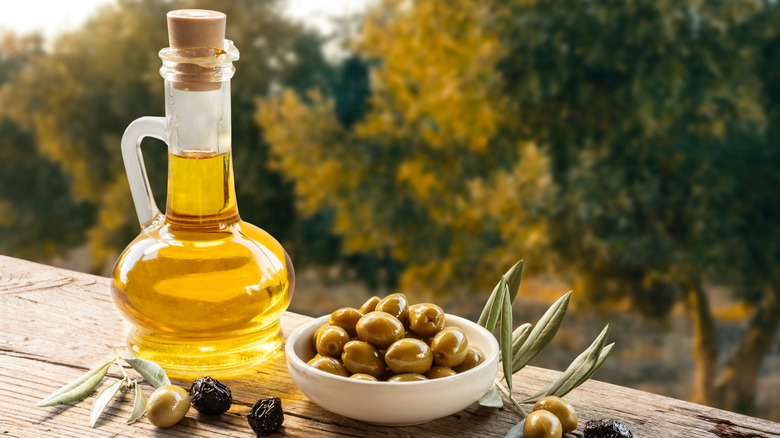
When it comes to olive oil, most of us know that the extra virgin is the king. Known for its luxurious texture and smooth taste, it can elevate a salad beautifully, but it shouldn't be the oil you automatically reach for when cooking.
Extra virgin olive oil is one of the most expensive oils you can buy, and not only does cooking with it cost more than other oils, but its chemical properties mean it's not the best option either. Olive oil, particularly extra virgin, has a low smoke point, which means that above 375 degrees Fahrenheit, the oil will begin to smoke, and will no longer have the health benefits associated with the raw version. Instead, oils such as peanut oil or avocado oil have smoke points of about 400 degrees Fahrenheit, so they are better options when cooking with oil.
Ditch the big brands

Many of us buy the same foods for the pantry every week, and that can often mean that big brand names end up in the grocery cart. As loyal as you may be to your favorite brand names, they come with a premium, and switching a few items to the store-brand equivalent could save more than you may think.
On average, buying store-brand food instead of the big name can save you as much as 40%, which is a huge saving in your weekly food budget. While there may be some foods that simply don't taste the same if you avoid the big brand, many of them taste similar, and in some cases are made in the same factory.
Even if you don't want to make the switch for your favorite foods, pantry staples such as rice or oats are often a good place to start. If you aren't bothered by the difference in these everyday foods, you can then consider branching out and trying a few more off-brand items as well.
Freeze nuts and other dried foods to prolong their shelf life

We all think of dried goods in the pantry as being virtually indestructible, but this isn't the case. Rice, nuts, and other grains do go bad eventually, and the higher the fat content, the quicker it is likely to spoil. It may not have occurred to you to put pantry items in the freezer, but this can be a great way to cut down on food waste and ultimately save yourself some money at the same time.
The monounsaturated fats in nuts are good for your heart health, but they degrade over time. If you have bought nuts in bulk and are concerned that you will not be able to eat them quickly enough, you can put them in the freezer to slow down the spoilage. The texture won't be affected much, but the low temperature will keep them edible for much longer than at room temperature.
Bulk out meat dishes with cheaper canned protein
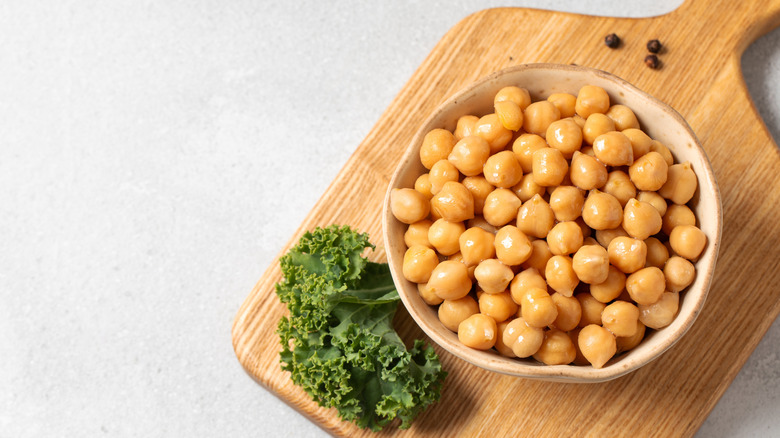
When trying to save money on family meals, reducing meat is often an effective way to make dinner time more economical. However, you may not want to cut meat out of your meals entirely, so using a little meat and bulking it out with alternative protein can be an excellent way to save money while still enjoying the foods you love.
Canned protein, such as lentils, beans, and chickpeas, is shelf-stable and can be added to a wide range of dishes to give a burst of nutrition in the form of plant protein. Since they are also packed with fiber, they will keep the whole family full for longer, meaning less chance of helping themselves to fridge snacks later in the evening. So next time you are planning chili night, don't buy as much expensive meat, and top the dish up with canned pulses instead. You may be pleasantly surprised at what a good substitute it can be.