

When You Eat Breakfast Could Help You Live Longer, According To Science
In recent years, there has been a lot of attention given to when people eat. Healthy eating is still primarily focused around the actual contents of your diet, but with the rise of intermittent fasting, the timing of meals has also come to be a point of significant scrutiny. Unfortunately for those that prefer to eat just one meal a day, or to pack all of their eating into an 8-hour window, research suggests that this might not be the best strategy. In fact, it may even shorten your life.
A 2025 study published in Communications Medicine followed 3,000 adults in the U.K., analyzing their meal times in an attempt to better understand how these practices changed over time as well as how they related to health and longevity. The results showed that as these individuals aged, their meal times tended to shift later, and that those with more health problems also typically ate later. Eating breakfast later in the day, specifically, was linked with depression, fatigue, oral health problems, and even an increased risk of mortality. These are only correlations, of course, but to better understand the importance of meal timing, and particularly what time of day one should eat breakfast, we reached out to Destini Moody, RD, CSSD, LD at Live It Up.
Why eating breakfast early is important

The widespread belief that breakfast is the most important meal of the day can be attributed to a marketing campaign from General Foods with the tagline: "Eat a good breakfast, do a better job." At the time it was not so much based on research as a general moral belief. Yet, now it seems that science has caught up with the idea. According to Moody, eating breakfast not only manages hunger, but prevents catabolism, the process by which your body begins to break down muscle. "I always tell my clients that you wouldn't go 14 hours without eating," she says "As this is essentially all day, most people would agree that isn't necessarily healthy. So, it's equally suboptimal to, say, finish eating dinner at 8 p.m. and then not eat breakfast until 10 a.m."
While missing breakfast every once in a while probably won't hurt you much, the effects can begin to add up over time — particularly for certain demographics. "If this happens regularly, it can impair the metabolism and overall quality of life, especially for older populations," Moody says.
Skipping breakfast, or putting it off too long, can also lead to unhealthy eating habits. Moody notes that her clients who delay eating in the morning often find themselves feeling hungry between meals and late in the evening, prompting them to reach for non-nutritious foods to satisfy these cravings. As she puts it, "All of these practices are not conducive to optimal health and can be avoided by timing meals like breakfast more intentionally."
When and what you should eat for breakfast, according to Destini Moody
Fortunately, according to Moody, there's not a particular time of day that you need to eat breakfast — no 6 a.m. smoothie alarm to set tonight. Instead, it's tied to each individual's personal circadian rhythms. "Everyone's schedule is different," she says, "It's generally advised that one eats within one to two hours of waking up to stabilize blood sugar and hunger hormones, as well as to feed the body to prevent muscle catabolism."
However, an early breakfast is not (as many people think) about kickstarting the metabolism, per se. Moody believes that there's no such thing as eating breakfast too early, but the mechanics of it are a bit more complicated than just getting your metabolism going. "What this myth is likely getting at is that feeding the body early on after a night's sleep does give the body the nutrition it needs to function during the day," she explains, "which helps with productivity and energy levels compared to waiting later in the day to eat."
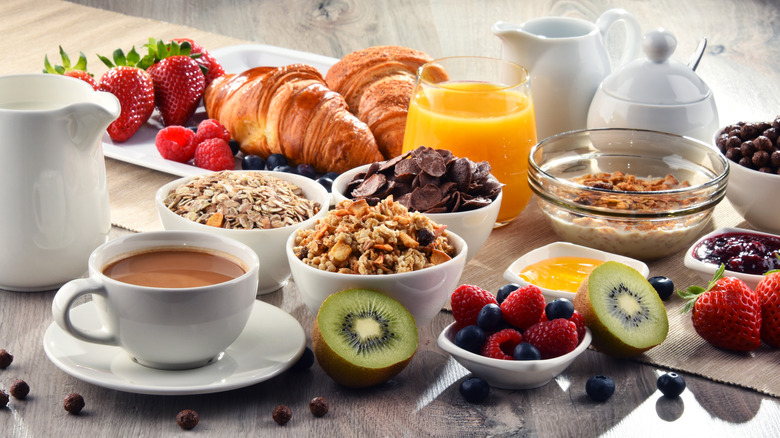
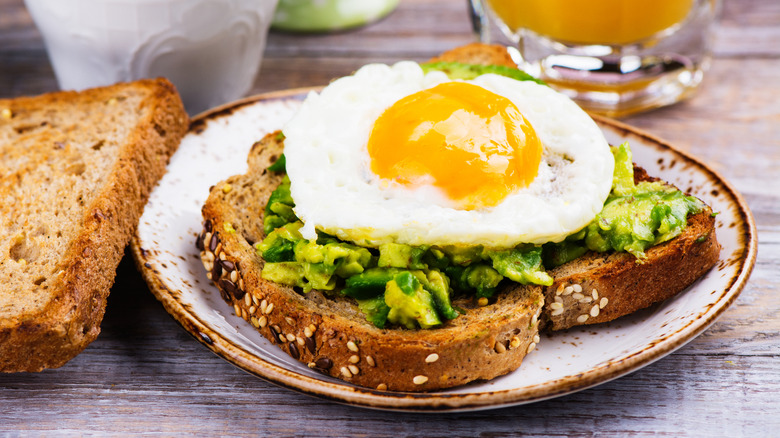
As for what exactly you should eat, well, that's less prescribed. Standard breakfasts vary around the world, from the eggs and bacon that are the prototypical U.S. meals to the coffee and croissant more typical of France. Moody does, however, lean toward the high-protein and high-fiber side of the spectrum to help control weight and maintain lean muscle mass. So, it's probably best not to wake up and dig straight into a Sicilian breakfast sandwich of gelato and brioche.