

10 Grape Varieties To Try If You Like Sauvignon Blanc Wine
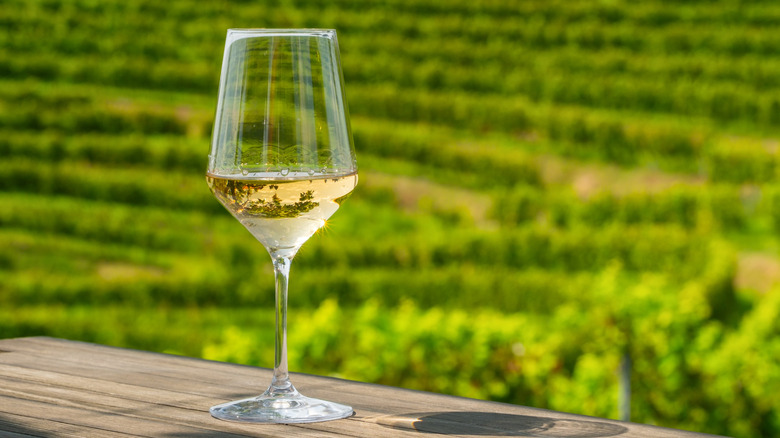
As one of the more popular white wine grapes, sauvignon blanc is grown worldwide, spanning plenty of terroirs. Its origins trace back to the Loire Valley in France in the 1500s, though it has since moved abroad — currently, ¾ of the plantings are found in France, the U.S., and New Zealand. The latter is especially well known for its sauvignon blanc, which makes up more than 70% of the country's vineyards. Additionally, sauvignon blanc is grown in South Africa, Chile, Italy, and Argentina, among other areas of the globe, ultimately resulting in a wide range of styles.
Sauvignon blanc spans numerous taste profiles, pretty much guaranteeing there's a bottle to suit everyone. Some versions lean toward grassy, herbaceous flavors, while others are heavier on tropical fruit aromas or mineral-driven with citrusy notes. Either way, sauvignon blanc brings plenty of zing to the table, with a bright acidity that's refreshing on the palate and great with food.
Sauvignon blanc was the first grape variety I could easily identify, and my go-to choice at the start of my wine journey. Over the years, my studies as a Certified Specialist of Wine, as well as my harvest, cellar, and wine travel experiences, have expanded my repertoire considerably. As much as you might love sauvignon blanc too, if you're looking to discover similar varieties, these offer overlapping characteristics. Some veer toward the herbal aromas present in sauvignon blanc wines, while others boast fruity or mineral aromas. Read on for some alternatives to this popular white wine.
Grillo
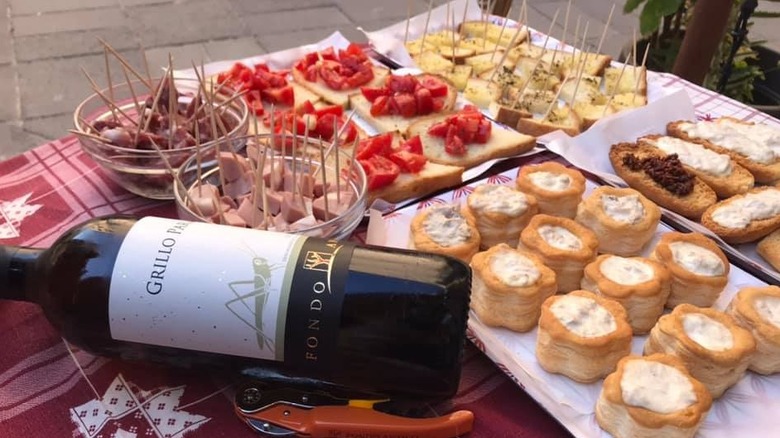
Native to the island of Sicily, grillo is a white grape that's used in the production of the local fortified wine, Marsala. As well, it is used to make white wines that cover a few different profiles, from light and easy to more complex. Almost exclusively grown in Italy (namely Sicily and Puglia), grillo stems from one of the most ancient wine grapes, muscat of Alexandria. This variety is known for its musky, perfumed aromas, which are subtly present in some styles of grillo. Its other parent grape is cataratto (another local Sicilian variety), which boasts more vegetal notes, balancing out the fragrant character.
Grillo is increasingly vinified solo, offering a taste of its nuances and the diversity of the Sicilian terroir. Tropical fruit and citrus notes are present in lighter, more youthful styles, providing a refreshing option to enjoy chilled on a warm day. Meanwhile, some versions display hints of almond, white flowers, and herbs, for a more savory sip that pairs well with vegetables and seafood. Grillo also presents a bright acidity along with mineral and saline notes from its coastal influences, giving it a crispness that makes it oh-so-pleasant to drink.
Try a bottle of Fondo Antico Grillo Parlante, brimming with notes of passion fruit, peach, citrus, and white flowers. The family-owned estate has been producing wine for over a century, so you're guaranteed a pure expression of this Sicilian variety.
Grüner veltliner
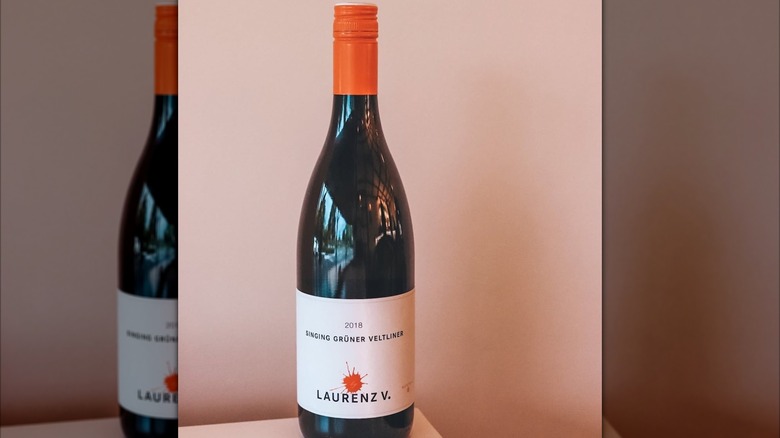
Austria's darling grape, grüner veltliner, is another delightful white wine option for sauvignon blanc lovers. It covers about ⅓ of the total vineyard area in its homeland, and is grown in minor quantities in the U.S., Australia, New Zealand, and Italy. It, too, spans a spectrum of styles, from lighter, easy-going options to more complex ones worthy of aging.
The former exhibits lively notes of citrus, stone fruit, herbs, and minerality, sometimes with a subtle effervescence to emphasize its bright nature. Notes of white pepper are quintessential too, infusing the wine with a hint of spice. On the other hand, grüner veltliner from more prestigious regions in Austria may be aged prior to release, including spending some time maturing in large neutral oak casks, adding richness to the palate. Meanwhile, lees aging can result in a creamier texture, giving the wine more weight in the glass. Regardless of the overarching style, grüner veltliner is typically high in acidity, making it a great option to pair with fattier foods to cleanse the palate.
Laurenz V. Singing Grüner Veltliner offers vibrant fruit aromas, a telltale hint of white pepper, and a fresh acidity you'll love. It's also a great match for difficult-to-pair vegetables like artichokes and asparagus, so keep that in mind when planning your menu.
Verdicchio
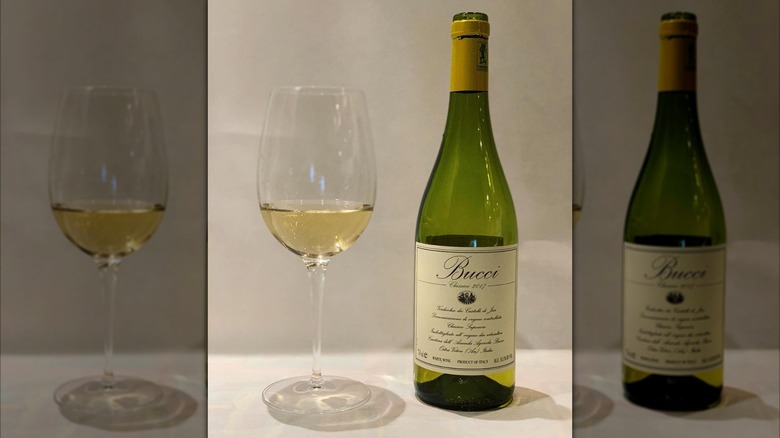
As the country with the most indigenous grapes, Italy has a never-ending supply of unique, centuries-old varieties worth discovering. Case in point, verdicchio is native to the Marche region in central Italy, where it shines in the local DOC wines, namely Verdicchio dei Castelli di Jesi DOC and Verdicchio di Matelica. (It's worth noting that verdicchio is also called trebbiano di soave in northern Italy and peverella in Brazil, as genetic testing has confirmed these as identical.)
Verdicchio is often revered as one of the country's most impressive white wine grapes, and worthy of sampling whether or not you're looking for an alternative to sauvignon blanc. Full-bodied and age-worthy, wines made with verdicchio exhibit diverse tasting notes depending on their terroir, though complexity and balanced acidity are typically guaranteed.
Lighter styles display hints of tree fruit, melon, and citrus, along with fragrant notes of white flowers. More nuanced styles layer on the aromas, with notes of almonds and marzipan, herbs, minerality, and salinity coming into play. Keep an eye out for sparkling versions too, which play up the grape's crisp acidity.
Villa Bucci Verdicchio dei Castelli di Jesi Classico showcases notes of apple and almond, with an elegant character that is delicious with or without food. If you want a richer style, look for a Riserva bottle, which is typically higher in alcohol and aged in oak.
Chenin blanc
Often described as a chameleon grape, chenin blanc has many personas, ranging from crisp still wines to sweet botrytis dessert wines and sparkling options, too. Native to the Loire Valley in France, it has also found great success in South Africa, where it's the most-planted variety (locally referred to as steen), and in smaller volumes in the U.S., Australia, and New Zealand. It's been around since roughly the 800s, highlighting its longstanding nature. In the vineyard, chenin blanc retains a vibrant acidity in hot climates, ensuring the wines are well-balanced.
Considering the vast styles possible, it's hard to pinpoint a single characteristic of the grape, but it typically displays notes of tree fruits like apple, pear, and quince, stone fruits, citrus, as well as white flowers and honey. If matured in oak, it takes on notes of baked apple, hazelnut, and caramel. On the other hand, lighter styles exhibit a more citrusy character to complement the zingy acidity, reminiscent of zesty sauvignon blanc. Meanwhile, the sweet dessert wines evoke similarities to sauternes, a popular botrytis wine made with sauvignon blanc and other Bordeaux grapes. No matter what you're in the mood for, chances are chenin blanc can fill the void in your glass.
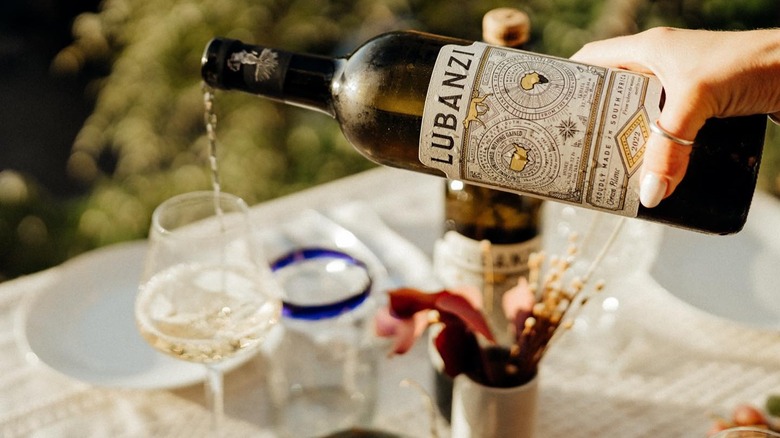
Sample a bottle of South African Lubanzi Chenin Blanc, brimming with notes of melon, peach, pear, and lemon, complemented by a crisp, mineral acidity. If you're feeling festive, you can try a bottle of sparkling Vouvray from the Loire Valley to celebrate in style.
Albariño
Known as albariño in Spain and alvarinho in Portugal, this white wine grape exudes a playful character. Aside from its home in the Iberian Peninsula, the grape has also found success in Uruguay, California, and New Zealand. In Spain, you'll find it in lively white wines from Galicia and Rias Baixas, whereas in Portugal, it's commonly blended in the popular Vinho Verde wines. Albariño typically displays a bright acidity and a saline quality thanks to its coastal influences.
Peach and citrus notes mingle with a mineral character, which comes together seamlessly in a refreshing sip. A subtle white flower fragrance is often perceptible, giving the wine a layered aromatic quality that keeps it interesting. Herbaceous qualities are present at times, too, leaning into this common sauvignon blanc tasting note. Additionally, select producers may opt for light oak or lees aging, adding complexity and texture to the wine. Albariño is indisputably delicious paired with seafood, and fares well alongside creamy cheeses as well, due to its palate-cleansing acidity.
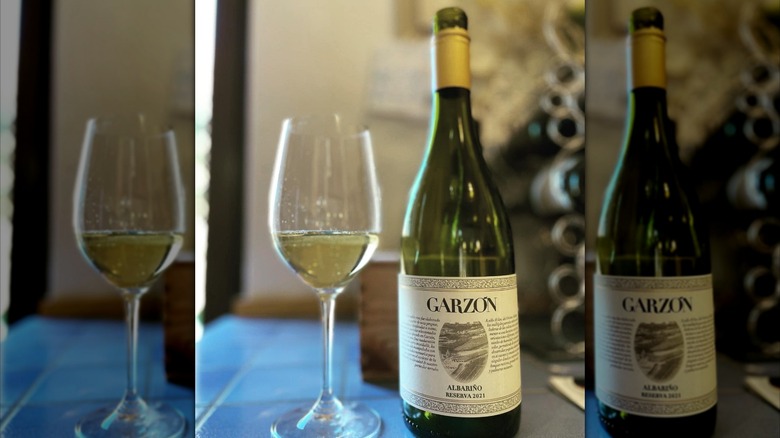
Pick up a bottle of Bodega Garzón Albariño Reserva for a citrusy, saline wine balanced by a creamy texture from lees aging. This process leaves the spent yeast cells in contact with the wine, infusing it with richness and flavor.
Torrontés
One of a family of three grapes in Argentina bearing the same root name, torrontés Riojano is by far the most interesting, especially when grown in high-altitude vineyards in Salta. It boasts an aromatic nature thanks to its parent grape, muscat of Alexandria, which is praised for its perfumed characteristics. Torrontés Riojano is almost exclusively grown in Argentina and in small amounts in Uruguay, where it produces an elegant, crisp white wine with fragrant aromas.
Notes of lemon, peach, and citrus are present, along with hints of rose petals (sometimes leaning toward potpourri), white flowers, and minerality. Though it comes off as heady on the nose, it is generally dry and vibrant with a fresh acidity on the palate. Torrontés is delightfully unexpected, brimming with fragrance yet ultimately expressing more of a zesty style. It's an excellent pairing for seafood curry and teriyaki glazes thanks to its nuanced flavor profile and medium body.
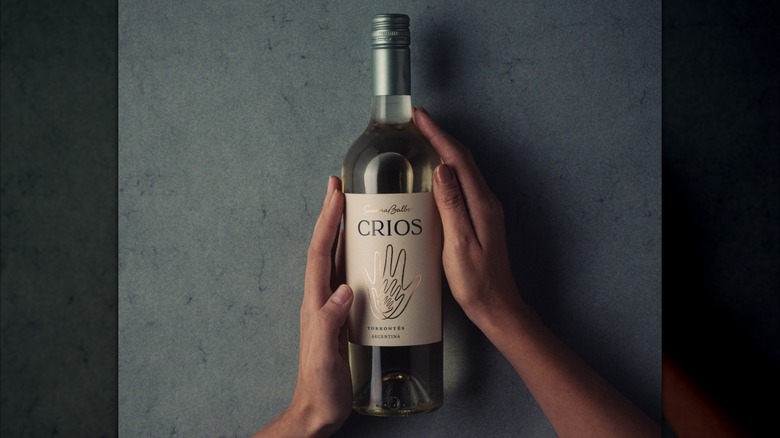
Crios de Susana Balbo Torrontés is a reliable bottle if you want to taste the essence of this variety, with its floral notes, hints of citrus and tree fruit, and mineral finish. Surprise your guests with its fragrant nose and dry palate, an excellent match for a savory meal.
Assyrtiko
Greece is another country home to numerous indigenous grapes, including assyrtiko, one of its signature white varieties. Originally grown on the island of Santorini, its production has expanded to other islands and the mainland, and even in small amounts in Australia and Lebanon. The most prestigious (and expensive) assyrtiko wines come from Santorini, where they are often made from incredibly old vines that have lasted centuries in the unforgiving volcanic landscape, with direct sun, wind, and minimal water to contend with.
Expect a light-bodied wine with high acidity, boasting notes of citrus, pear, apple, flint, and salinity. More tropical aromas like passion fruit are sometimes expressed too, with an underlying minerality that keeps every sip decidedly crisp. Some versions are fermented in oak, adding richness to the texture, and a honeyed characteristic if further aged. This vibrant white wine is perfect with seafood, salads, and tangy cheeses.
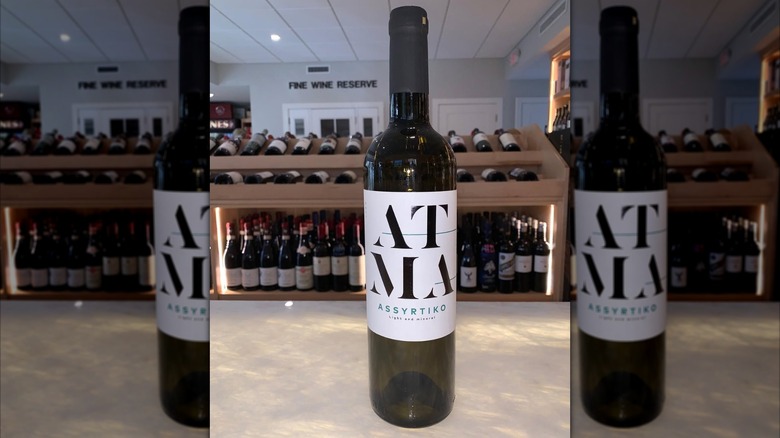
Experiment with an affordable bottle of Atma Assyrtiko by Thymiopoulos Vineyards to sample this Greek grape. If you're smitten with it, consider splurging on a pricier one made on Santorini island, Thalassitis by Gai'a Wines.
Verdejo
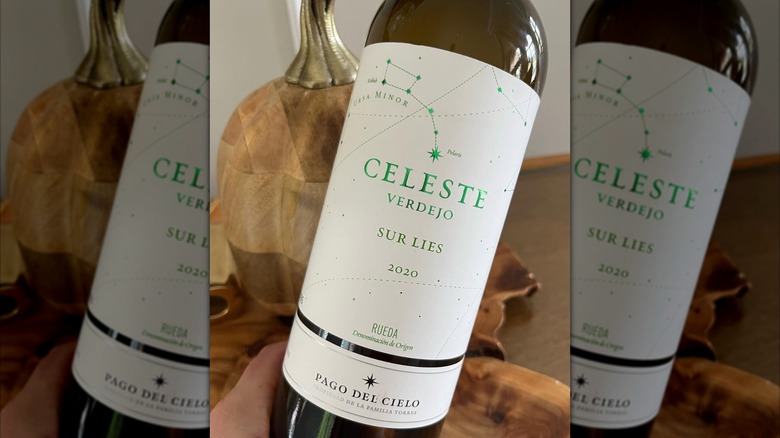
This Spanish grape boasts fruity aromas paired with a crisp palate, two features of many sauvignon blanc wines. It is also commonly blended with the latter, making it an excellent stand-in if you're looking to switch up your white wine portfolio. The variety is primarily grown in Spain, but minute percentages of plantings exist in Europe, North and South America, and Australia. In its homeland, it features most predominantly in the wines of Rueda DO (which will be indicated on the label).
Verdejo has an herbaceous character, with hints of grass, lime, melon, fennel, and peach. Younger versions are higher in acid, with a crispness that keeps them refreshing. As it ages, it develops nutty aromas with hints of almond and a fuller texture. Occasionally, it is fermented in oak, lending a creamier mouthfeel with notes of toasted oak. This white wine pairs well with a range of foods, adding brightness to any dish.
Familia Torres Celeste Verdejo is a great example to savor the vibrant essence of verdejo. When in doubt, Spanish white wines labeled Rueda will offer a taste of the grape.
Riesling
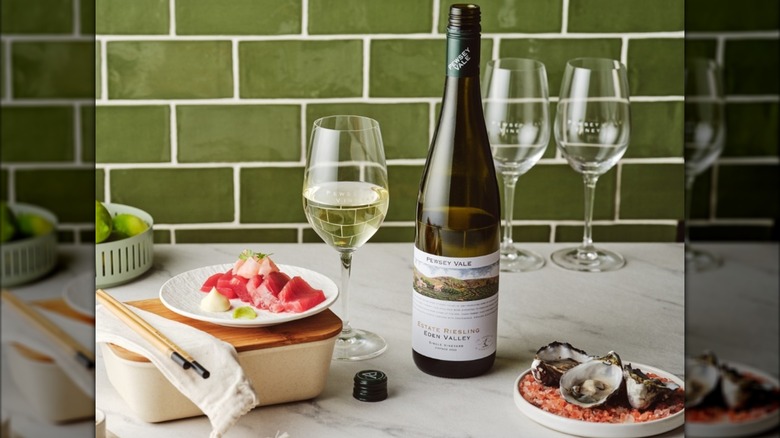
Some people hear riesling and automatically assume it's going to be a sweet wine. And while riesling is produced to make excellent, well-balanced dessert and off-dry wines, it has a much wider potential. With a searing acidity and rich aromatic profile, riesling makes for a very interesting dry white wine. More than half of riesling vineyards are found in Germany, followed by France (namely Alsace), the U.S., Austria, and Australia. It's also gaining momentum in cooler growing climates like Canada.
Its nuanced flavors vary with ripeness, ranging from lemon and lime to stone fruits, like peach and apricot, and even pineapple. Jasmine, ginger, and beeswax sometimes come to the foreground, and aged versions have a telltale hint of petrol on the nose. Indeed, thanks to its intense acidity, riesling fares well over time and is worthy of aging. Its bright character and aromatic nature make it a great match for creamy foods and spicy dishes.
For something distinct, try a bottle of Pewsey Vale Vineyard's Estate Riesling from Australia. Alternatively, Germany is the obvious source for riesling; if you're looking for a dry wine, make sure the ABV is at least 11%, as anything lower will be off-dry.
Ortega
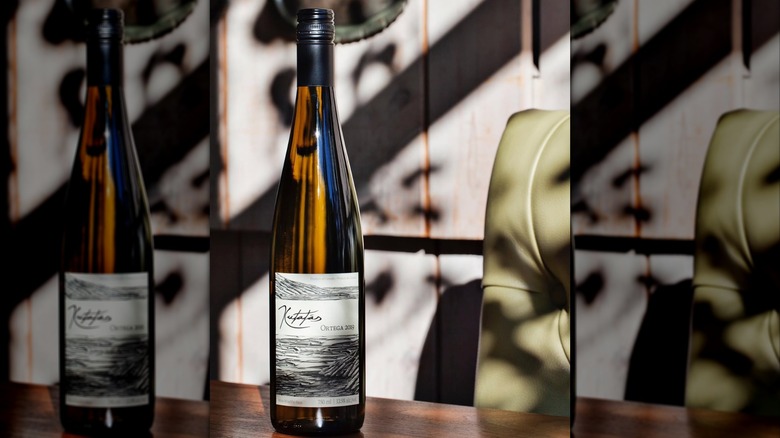
This German grape variety is a cross between müller-thurgau and siegerrebe and was invented in 1948. It has characteristics that make it beneficial for cooler climate regions, such as being more resistant to frost and ripening early. Consequently, although its origins point to Germany, it is now increasingly common in England and Canada. Here, it manages to develop a significant sugar content regardless of temperatures, ensuring the must can ferment successfully, and preventing the common plight of overly acidic wines.
Although ortega's higher sugar levels make it a suitable contender for dessert wines, it's also used to make dry wines. These commonly feature notes of green apple, grapefruit, stone fruit, and herbs, with subtle floral aromas that add fragrance to the glass. Thanks to its aromatic nature and freshness, ortega is a good pairing for mildly spiced dishes and curries, bringing nuance to every bite. Keep an eye out for wines made from ortega, as more winemakers experiment with this cross.
Kutatas Winery on Salt Spring Island in Canada makes an excellent Ortega wine. Although the variety is not widely available, it is a great choice as the climate changes and cooler regions begin producing wine.