

The Vintage Fast Food Memorabilia That's Valuable To Collectors (It's Not A Toy)
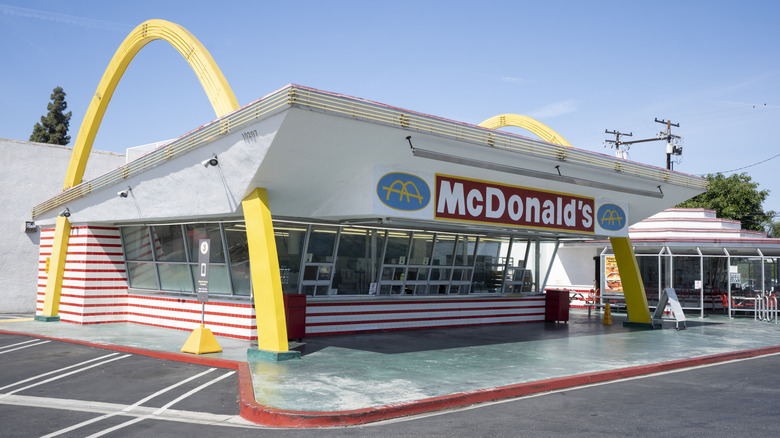
People often snag curious items from yesteryear, only to discover they're actually valuable many years later. This phenomenon appears to be happening with decades-old, cardboard-clad matchbooks. Dedicated collectors, known as phillumenists, sometimes pay a high price to build their matchbook collections. In fact, matchbooks from fast food restaurants can be particularly collectible in the 2020s.
From roughly the mid-to-late 20th century — a period when more adults smoked cigarettes — complimentary matchbooks were a way for businesses to advertise. Picking up free restaurant and hotel matchbooks was as common as pocketing after-dinner mints, and fast food chains, including McDonald's, Burger King, and Pizza Hut (among others), doled out branded matchbooks. While an establishment's logo was usually emblazoned on the cover, specific menu items, messages, or art may have also appeared. For example, one Burger King matchbook depicted a classic drive-in burger joint, with a crowned cartoon character holding a Burger King shake on the flipside.
Collecting vintage fast food matchbooks often means finding them on eBay or a similar auction site, though the potential options and prices can vary tremendously. For instance, a KFC "Colonel Sanders" matchbook comes in several renditions and tends to command a wide range of prices based on various factors (like whether or not the matches have been struck). The price of a single matchbook often falls between $3 and $14, though older KFC matches (or those with unique or unusual packaging) might go for $100 or more.
Collectors appreciate the rarity and charm of vintage matchbooks
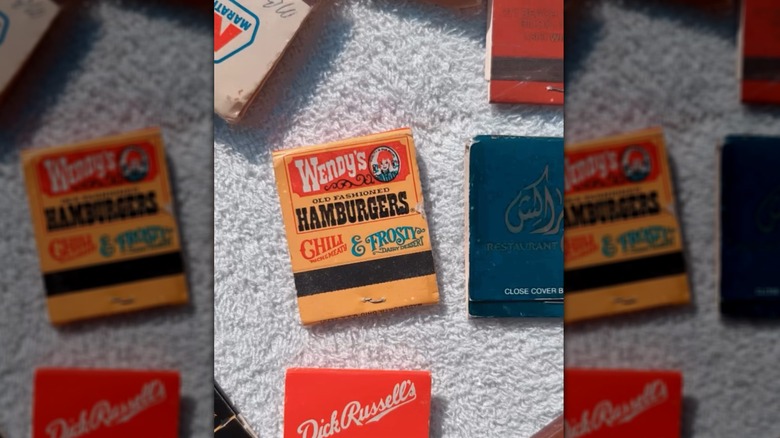
The near-vanishing of a previously trendy and ever-present cultural item is a core component of many collectibles, and branded fast food matchbooks are no exception. These colorful match holders began vanishing in the late 1980s, partially a result of countless cities and states across America passing laws restricting or banning smoking laws in most public places (like indoor restaurants and bars).
Since an awareness of the potential dangers of smoking, including the effects of secondhand smoke, resulted in an overall decline in tobacco use, it's no real mystery why matchbooks fell out of favor. As a result, they now occupy a somewhat unique niche in the collectibles market, thanks (in part) to affordability. While some rare, charming vintage cookie jars and vintage cookware sets are worth a fortune today, branded matchbooks won't always break the bank. They're often an "everyman" way of collecting stylish mementos of days gone by, especially those showcasing defining art and design aesthetics from the 1960s and 1970s.
With a throwback resurgence in collectible beer bottle designs and rare McDonald's Happy Meal toys, matchboxes fit right in. You can display vintage pieces as a fun conversation starter while injecting period-specific nostalgia art into your home. Plus, when you're collecting for art's sake rather than profits, it may be easier to find deals. There's less of a concern over the matches inside the cover in that case, and worn or faded prints add to the vintage charm.