

Set Your Rosemary Plants Up For Success By Adding This To The Soil
We may receive a commission on purchases made from links.
Do you like hanging out in a pool of stagnant water? Think wet socks, or a half-clogged bathtub drain that fills the tub when you shower. Neither does rosemary. The woody-stemmed herb is a fairly hardy plant, resistant to periods of drought and heat — but it does not like excess moisture.
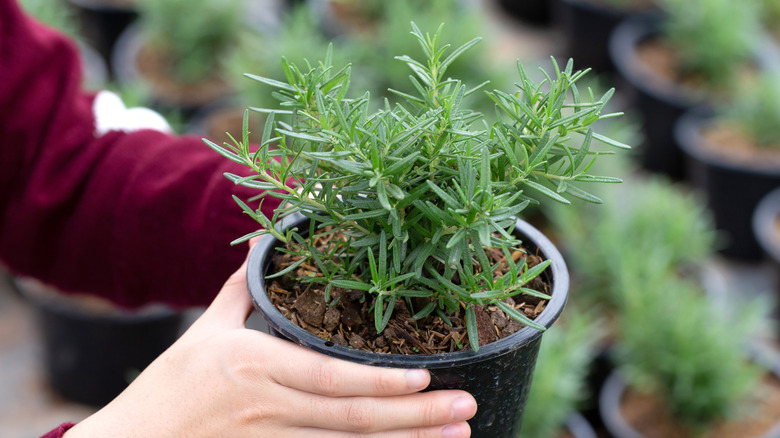
Rosemary needs high-drainage soil, and wilts under excess moisture. To facilitate this, add a coarse material such as gravel, grit, perlite, or sand into the soil. Incorporating these larger particles breaks up dense areas of soil and avoids compacted layers, improving air circulation and increasing drainage. When it comes to soil (especially in container gardening, when the plant is unable to pull nutrients or moisture it needs from the surrounding earth), cultivating healthy, high-production rosemary means nailing the right conditions.
Any available gravel or sand will do. But if you prefer, there is a wide variety of store-bought bagged options available in garden centers and from online retailers. For example, Riare brand chunky, organic, pH neutral perlite soil amendment ($11.99 per two-quart bag via Amazon) improves soil ventilation while keeping rosemary's soil at an ideal alkaline 6.0-7.0 pH. Simply incorporate a generous scoop or two into your potting soil before planting the rosemary. For optimal drainage, place the potted rosemary plant atop a pebble-filled saucer, and fill the saucer with water rather than watering the plant directly, supplementing with frequent leaf misting.
Incorporate gravel or perlite for better soil drainage
Alternatively, folks planting their rosemary outdoors should look for a location that naturally sheds water, such as a sloping hillside. This also helps mimic wild-growing rosemary shrubs' natural trailing tendency. No hills around? Constructing raised beds also helps stimulate water runoff.
Still, this aromatic culinary staple makes a standout candidate for container gardening – here's looking at you, apartment-dwelling, herb-loving foodies. Container gardening can also be beneficial in colder climates, as rosemary cannot withstand temperatures below 20 degrees Fahrenheit. Bring that perennial herb indoors for the winter, ideally before the first fall frost. Plus, in a container, you can tailor the soil specifically for rosemary growth.
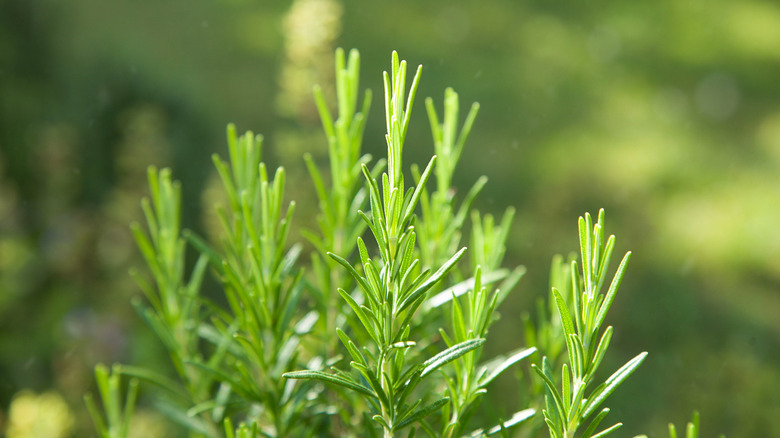
The evergreen shrub naturally grows in warm climate zones. In nature, it's native to the Mediterranean, Portugal, and northwest Spain, where it crops up in four- to six-feet tall shrubs. Loose, gritty, rocky, even sandy soil imitates the growing conditions of rosemary's native coastal terrain. Steer clear of heavier, extra-fertile, or clay-packed soils. Befitting rosemary's indigenous coastal growing regions, the herb also fares best in bright, full sun, ideally for six to eight hours a day. So place your rosemary pot beside a window.
To put that fresh, home-grown herb to good use, we've rounded up 31 recipes to add a sprig of rosemary to your cooking. Even just tossing a sprig of fresh rosemary into a pot of boiling water can give your entire home an air-freshening upgrade.