

10 Best Seasonings To Add Flavor To Pinto Beans
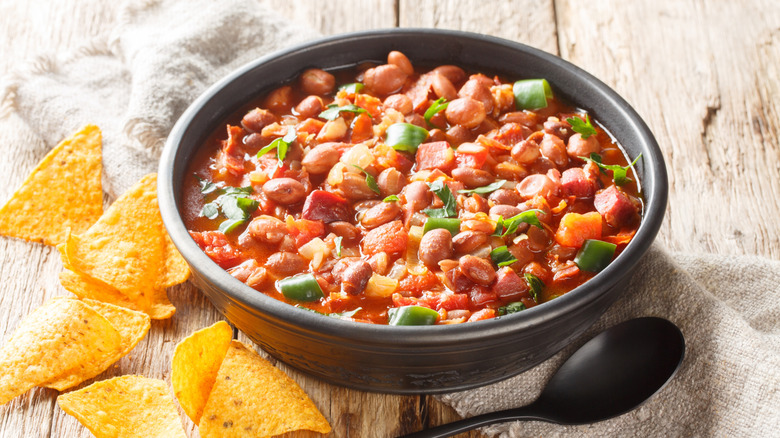
Pinto beans are the perfect canvas for enhancing with aromatics, herbs, and spices, as well as meats and veggies. Slow-simmered until tender and flavorful, these simple legumes can be transformed into a hearty side dish that's ideal for serving with rice and cornbread. To cook pinto beans effectively (and safely — beans should never be consumed raw or undercooked), you'll leave them bubbling on the stovetop for somewhere between one and three and a half hours, depending on the age of the beans and whether they've been pre-soaked. And, this lengthy cooking process means the beans get plenty of time to soak up the rich flavors of the seasonings you pair them with.
When it comes to seasoning a batch of pinto beans, there are plenty of options to consider. Warming spices are, of course, a fitting match, and bright, zesty ingredients that can cut through the savory richness of the broth are also ideal. Balance the flavors with a hint of tanginess or sweetness, or give the beans a herbaceous boost. Whatever vibe you're going for, there's a seasoning that can give your beans an upgrade. So, next time you're throwing everything into the pot, consider incorporating one of these tasty add-ins.
Smoked paprika
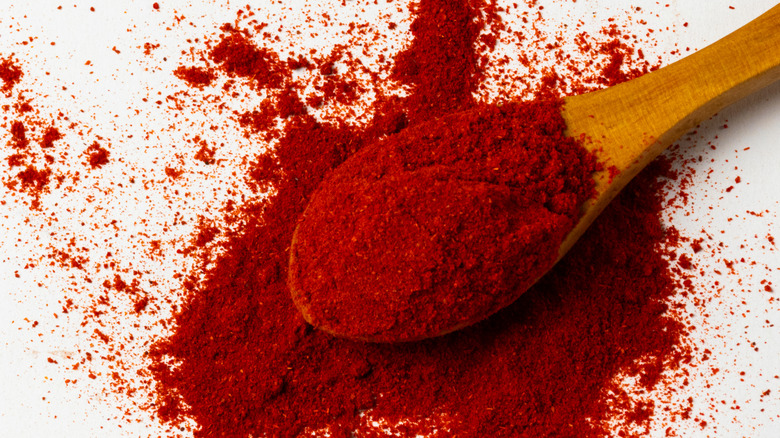
This bold, vibrant seasoning is one of the most popular options for adding rich, smoky flavor to pinto beans. You'll see smoked paprika popping up frequently in a whole host of Southern- and Mexican-inspired recipes, where it adds the most amazing depth to the broth. This spice pairs beautifully with other warming add-ins like cumin and chili powder, as well as herbs like oregano and bay leaves. There's also the option to go for regular paprika if you want to add warmth without the smoky profile. And, if you're after a fierier finish, try adding hot paprika instead.
If you're incorporating aromatics such as diced onion and minced garlic into your pinto bean recipe, start by sauteing these in a little oil until softened. Then, you can go ahead with the smoked paprika and any other spices of your choice. Stir them into the aromatic base until fragrant, then add your pinto beans along with some broth or water. The beans will now simmer away until they're perfectly tender and the broth has thickened to a slightly creamy consistency. Smoked paprika-infused pinto beans will taste incredible alongside fluffy cilantro-lime rice, or a plateful of fully-loaded tacos.
Lime juice
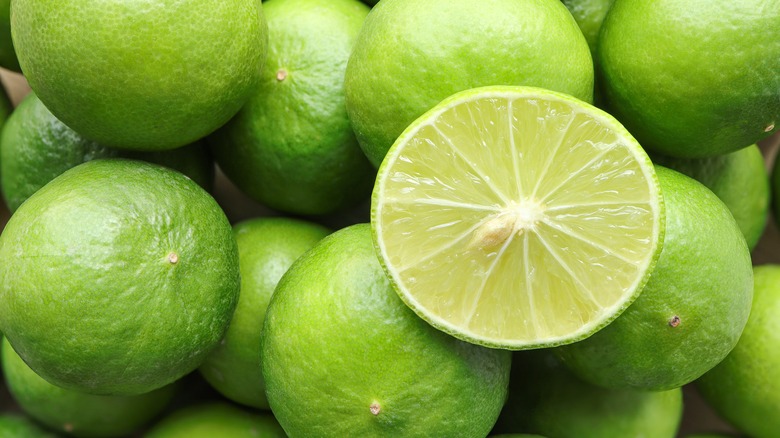
Lime juice is great for adding a burst of refreshing, zesty flavor to your pinto beans. The acidic taste of the juice does an excellent job of cutting through the other salty and spicy flavors in the broth, and works brilliantly alongside fresh garnishes like chopped cilantro and sliced jalapeños.
You can either use store-bought juice or squeeze a fresh lime, though the latter will likely yield a brighter, more intense flavor. To ensure you extract as much juice as possible from the fruit, try rolling it firmly on your work surface or popping it in the microwave for 20 to 30 seconds before cutting into it. It's also best to add the juice right at the end of the cooking process, just before serving, as heating it for lengthy periods can dull its flavor.
Citrus juice is an amazing tool for enhancing the taste of other ingredients, especially salty add-ins, like Worcestershire sauce or soy sauce. When adding lime, you'll often find that less salt is required to achieve your desired taste, so start by seasoning the beans lightly and adjust the salt level after you've stirred in the lime juice.
Garlic powder
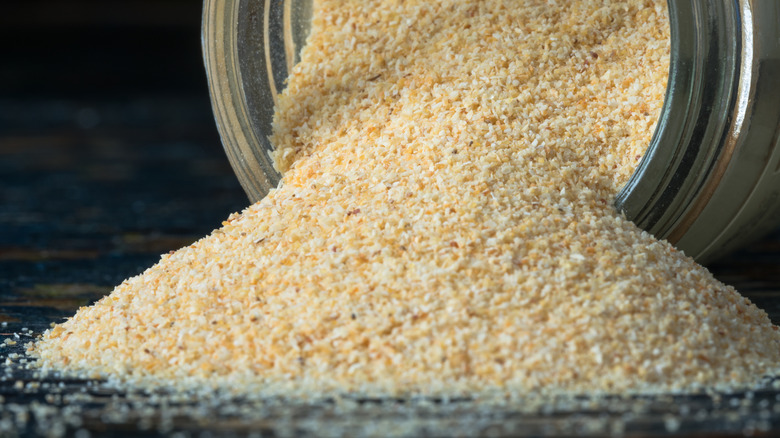
Add a sprinkling of garlic powder to your pot of pinto beans, and you'll seriously amp up the aromatic depth. This is a wonderfully convenient way to inject your dish with heaps of savory flavor without the fuss of peeling and mincing fresh garlic. It's a simple case of stirring the powder in with any other seasonings you're using, and leaving the flavors to meld.
Garlicky pinto beans can be enhanced further with other savory ingredients such as salty bacon and aromatic onion, or spices like cumin and chili powder. To make the cooking process even easier, you could even prepare everything in an Instant Pot. Just add dried beans to the pot with some fresh water, then throw in the garlic powder and all other add-ins. Canned tomatoes are great for giving the garlic-infused broth a tangy edge, while cumin adds a comforting warmth. After around 30 minutes of pressure cooking, they'll be ready to enjoy.
Bay leaves
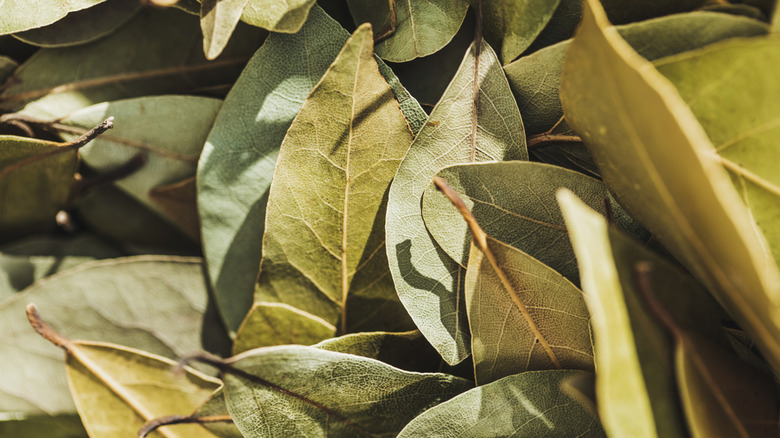
To inject your pinto beans with some earthy, herbaceous flavor, consider adding a bay leaf or two to the broth. Though the leaves themselves are not edible, their purpose is to infuse the broth with their distinct flavor as everything gently simmers. These herbs have a delicate, slightly sweet and cooling flavor, boasting subtle, tea-like notes. And, bay leaves couldn't be easier to incorporate. Just drop them in with the pinto beans and other ingredients, and leave them to work their magic.
Most recipes that call for bay leaves are referring to the dried versions, which are readily available in the spice section of most large grocery stores. You can, however, opt for fresh bay leaves if preferred, but note that these will pack more of a punch flavor-wise. Two dried leaves is an ideal quantity for a typical batch of beans, so you may want to reduce this by half, or remove the leaves from the broth earlier if you're using the fresh variety.
Thanks to their mellow taste, bay leaves will complement a huge variety of other classic pinto bean mix-ins. You can pair them with anything from bright, peppery cilantro to smoky ham hocks or spicy canned green chiles.
Chili powder
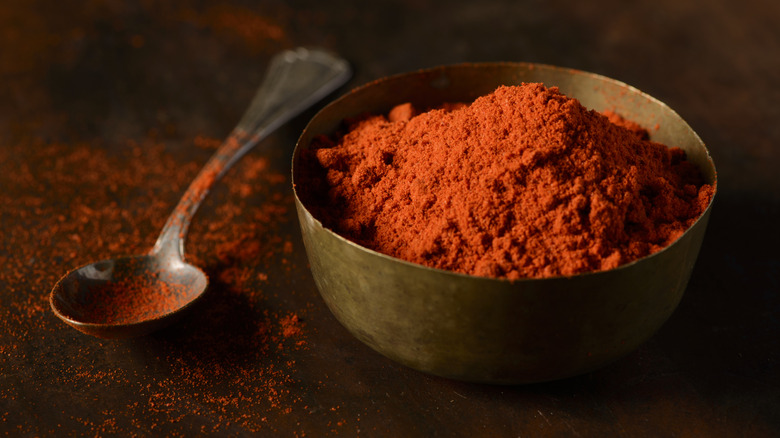
Chili powder is a go-to for injecting dishes with heat, and pinto beans are no exception. A simple sprinkling of this bold spice is enough to make the overall flavor altogether fierier, without overpowering the taste of other additions.
To make a batch of spicy pinto beans, try adding 2 teaspoons of chili powder to every pound of dried beans. For a well-rounded flavor, you can combine this with a medley of other spices. Try simmering the pre-soaked beans in chicken broth with some cumin, paprika, oregano, and brown sugar, as well as the chili powder. Another great way to add flavor to the spicy broth is to toss in some onion wedges, crushed garlic cloves, and a whole jalapeño pepper. Stirring in some diced chorizo towards the end of cooking is another amazing way to build on the warmth of the chili.
A standard chili powder mix will offer a good medium level of spice, but you can absolutely turn up the heat with the addition of some cayenne pepper or dried red pepper flakes, if desired. Or, consider sauteing some finely diced fresh chili peppers (think serranos or jalapeños) with chopped onion and garlic to create a punchy aromatic base for the beans.
Apple cider vinegar

It might not seem like the most exciting of add-ins, but a splash of apple cider vinegar can be a transformative addition to a batch of pinto beans. It adds a hint of sharpness and boosts the overall complexity of the dish while effortlessly cutting through rich flavors to keep things from feeling too heavy. This seasoning is especially useful when you're looking to balance the natural sweetness of other ingredients in the pot, like canned tomatoes, carrots, or bell peppers, and you'll only need a small amount to bring harmony to your final dish.
While citrus juice is best added to dishes at the end of the cooking process, vinegar can be added earlier on without worrying about any significant degradation of flavor. Start by adding a tablespoon of vinegar per pound of pinto beans, incorporated at the same time as any other spices and condiments, and adjust this to taste later if desired. You might also like to balance the acidity with a sprinkling of sugar, or perhaps even deepen it with a squeeze of lime.
Brown sugar
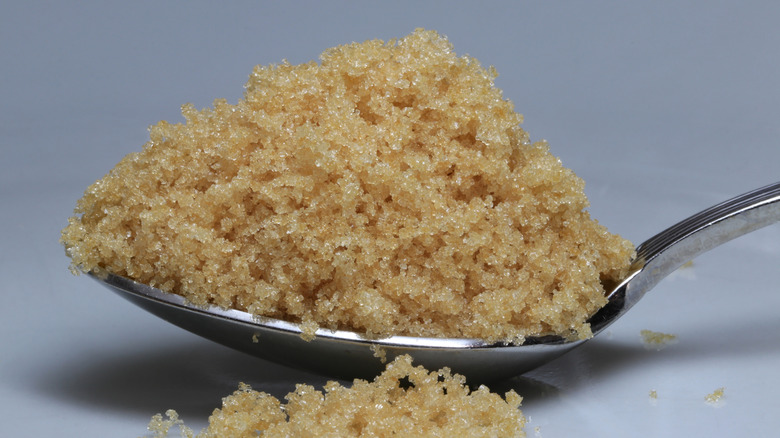
Sometimes, a hint of sweetness is all you need to perfect a dish's flavor. With so many of the classic additions to a pot of pinto beans being deeply savory, a spoonful of brown sugar can be a game-changer for bringing balance. Added sparingly, it won't make the finished dish taste noticeably sweet – it simply works to mellow out other sharp and salty flavors while enhancing the taste of umami-rich ingredients.
We recommend using packed light brown sugar here. White granulated sugar can impart plenty of sweetness, but brown sugar boasts a richer, nuttier flavor, thanks to its molasses content. The exact amount of sugar you need will depend on the exact combination of other add-ins you're using. For example, if you're combining the pinto beans with naturally salty ingredients like bacon, ham hock, or soy sauce, you may want to balance these with more sugar than if you're flavoring the beans with a few simple spices. Start with a teaspoon of brown sugar, and you can always increase this later if needed. Other options to explore for sweetening a batch of pinto beans include honey, maple syrup, and agave nectar, which will each impart their own unique flavor profiles.
Fresh herbs
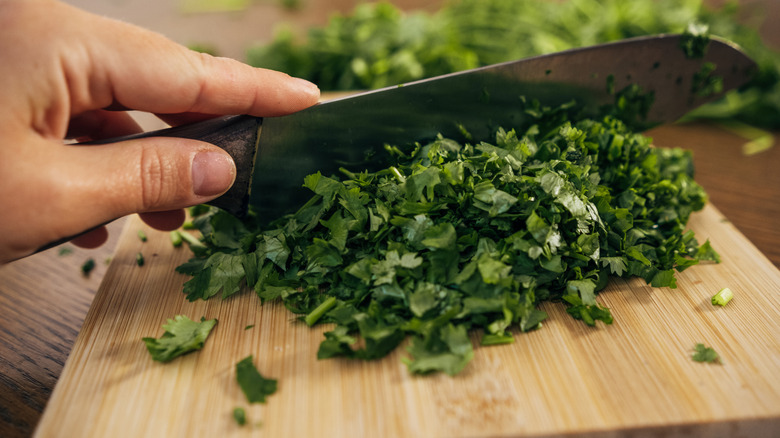
When it's time to serve up that steaming pot of creamy, brothy beans, you might want to spruce things up with the addition of a fresh garnish. And that's where herbs can come into play. A scattering of roughly chopped fresh herbs will add a gorgeous pop of color while lifting the dish with their natural brightness.
A particularly great option that fits in beautifully alongside other Mexican-inspired flavors is cilantro. This gives pinto beans a zesty, vibrant finish, and will tie everything together perfectly if you're serving the beans with herb-topped tacos or cilantro-lime rice. Parsley is another excellent choice, bringing a clean, peppery taste that won't overpower other components of the dish. Herbs like oregano, thyme, and marjoram are also fitting additions, but these are best added during the cooking process rather than as a garnish. Try adding two or three sprigs along with the broth or water, and allowing them to infuse the beans as everything slow-simmers.
Hot sauce
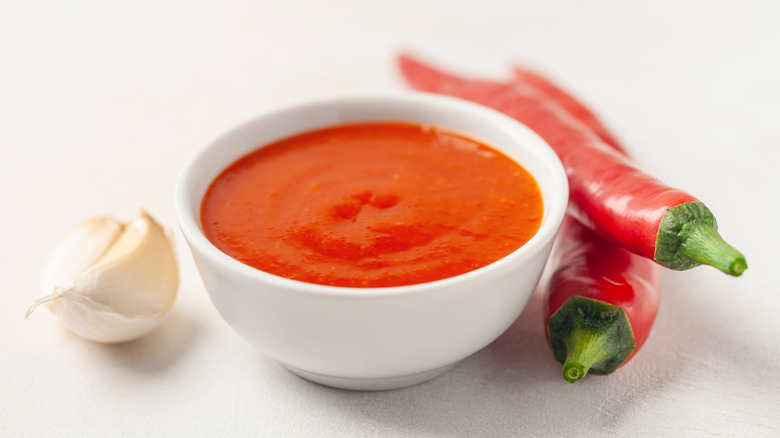
Another way to spice up your pinto beans is with a dash of your favorite hot sauce. This is a delightfully easy way to add as little or as much heat as you'd like, and you can always layer the sauce with other chili-based ingredients to craft a more complex profile.
To add heat while also boosting the aromatic richness of the pinto beans, try adding some sriracha. This boasts a more complex flavor than many other hot sauces, with its tangy and garlicky notes making it shine. Tabasco, on the other hand, will offer a punchier hit of heat and a more acidic, vinegar-like taste. Or, if you really want to maximize the spice level, add a dash of fiery habanero hot sauce.
The warmth of hot sauce will taste great with sweet add-ins like maple syrup or molasses, as well as smoky spices like chipotle powder or smoked paprika. And, you can always build on the spiciness by garnishing the beans with some slices of fresh jalapeño or tossing some red pepper flakes into the cooking liquid.
Cinnamon
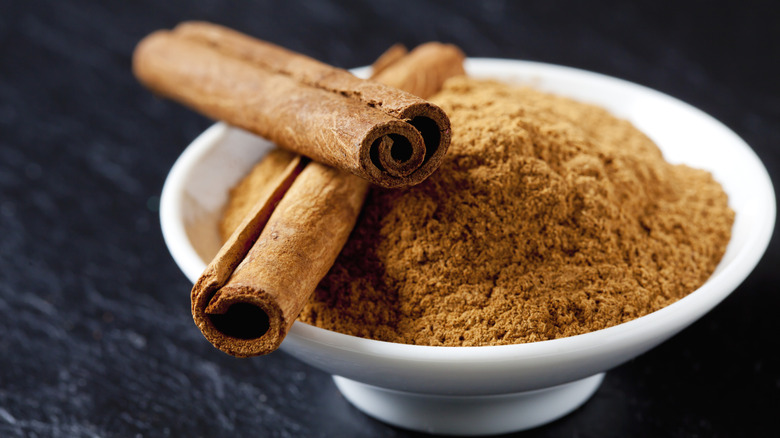
If you thought cinnamon was best reserved for sweet baked goods, think again. Cinnamon's natural warmth fits just as beautifully into savory dishes, especially those based around bold, Mexican-inspired flavors, as pinto bean dishes often are. Cinnamon will add a subtle woody sweetness that tastes delicious when combined with other warming spices like cumin, coriander, and ginger. Peppery herbs like parsley and cilantro also make fitting accompaniments to this spice, as do tangy ingredients like apple cider vinegar or tomato paste.
There are two ways to incorporate this spice into a pinto bean dish. The first is simply sprinkling in a pinch of ground cinnamon along with the other seasonings — perhaps cumin, chili powder, and oregano. Or, you can drop a whole cinnamon stick into the pot after adding the broth or water. Leave this to infuse the beans as they cook, then remove it at the end before serving. There are a few different varieties of cinnamon to consider, too. Cassia cinnamon has a stronger, spicier taste, while Ceylon cinnamon is known for its sweeter and more delicate flavor profile, and often deemed the superior option between the two.