

Turn A Single Plum Pit Into Your Own Fruit-Bearing Backyard Tree
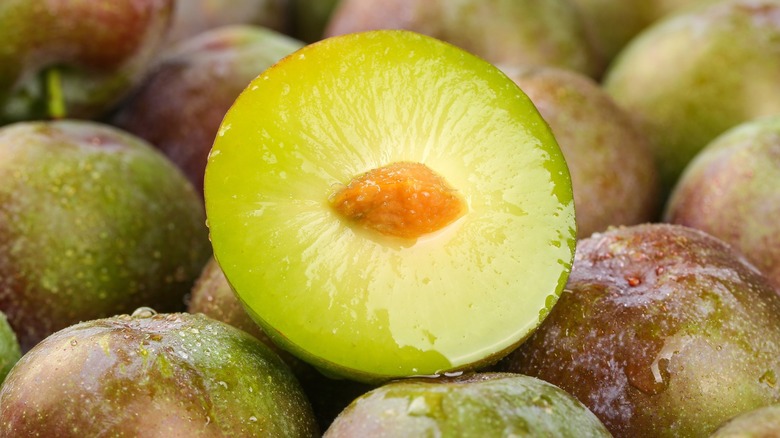
Plums are one of the most underrated fruits in the world. You don't hear about plum-flavored candy, plum ice cream, or plum pie. Yet with over 100 different kinds, and at least 30 that are native to North America, there's no shortage of delicious options. They can be so good that you may want to recreate the experience at home by growing your own. All it takes is saving the pit. Make no mistake, growing plums takes some patience, but it's entirely possible in your backyard.
Start with a pit from any kind of plum. Ideally, choose a plum from a farmer's market so you know it grows well in your climate. To improve your odds, pick several plums that are ripe and look healthy. Let the pits dry out for two or three days.
A plum pit is just a hard shell that protects the seed inside. It's not the seed itself. You can gently crack the pit with a hammer to reveal the almond-shaped seed inside. The more you gather, the greater your odds of success. It could take more than a dozen pits to produce a single successful seedling. Next, drop your seeds into a glass of water. Any that float are not viable and can be discarded. The seeds that sink are the ones you want.
Growing plum seeds into trees
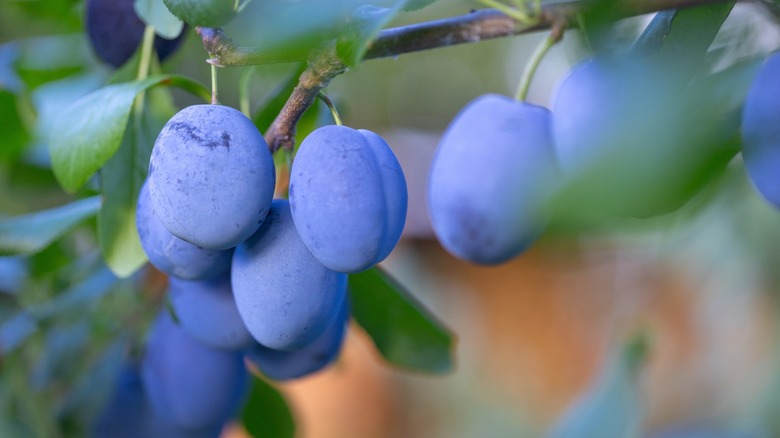
Sprouting plum seeds takes longer than sprouting most seeds in your kitchen. Wrap them in a wet paper towel, place them in a sealed bag, and squeeze out the air before putting them in the fridge. The cold is important for germination. Spritz the towel with water periodically to keep it moist. Check regularly for mold and replace with a clean towel if necessary. Sprouting can take anywhere from a couple of weeks to three months.
When you have sprouts, put them in pots with two inches of nutrient-rich soil. Keep them well watered and ensure good drainage. They'll do best in a sunny location that doesn't get excessively hot. When the sprouts develop leaves in warm weather, it's time to transplant them outdoors. Choose a spot where they won't get waterlogged. Frequent watering is important to help roots establish. Fruit can develop within three to seven years.
Grocery store plums may not grow into the tree you expect. A lot of plums in North America come from grafted trees. In simple terms, that means attaching a branch from one plum tree onto another so it will grow. You could get a plum tree that grows five different varieties of fruit on the same tree, this way. Every plum is the product of its parent tree and pollen from another tree. Because of cross-pollination, the seed you plant from a grocery store plum may produce a different hybrid. Reduce the risk of unpredictable results by using a local variety, and with patience and care, you'll have plums for years that you can use to make the most decadent plum desserts whenever you like.