

Organic Vs Natural Vs Biodynamic Wine: A Quick Guide To Understanding The Differences
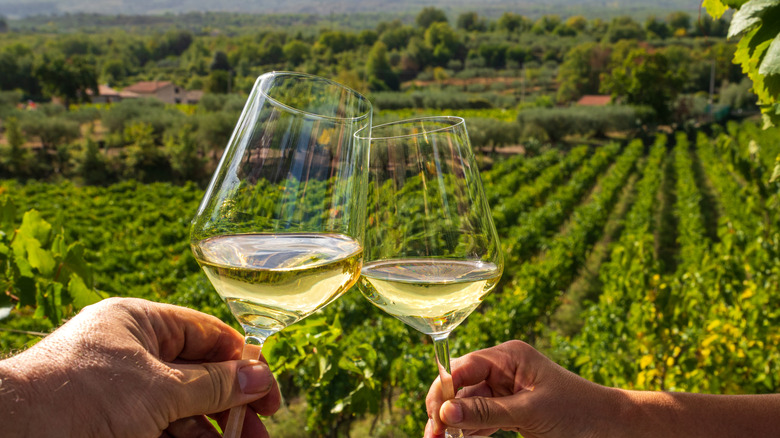
The world of wine is jam-packed with nuanced classifications, quixotic descriptors, and complex distinctions that aim to package nearly every step of the wine-making process into simple terms for the consumer's benefit. Some wine labels are way more accessible than others, but these demarcations essentially trace the wine's lifecycle from the vineyard to the winery and onto the cellar. Effectively serving as an archive of all the factors, conceptual and concrete, that have influenced the wine's character, with over 10,000 types of grape varietals in existence — and several hundred's worth commonly produced — there really is a major benefit to the imposition of clear-cut categories.
My wine knowledge stems from years of restaurant experience, but it was while working in chef-operated establishments that I delved into the subtleties of wine varietals, developed a strong sense of food and wine pairings, and learned about the nuanced legalese of wine. From Italian enotecas to upscale French bistros, artisan farm-to-table restaurants and Mediterranean-inspired tavernas, I've served as an ambassador for guests to discover old-world producers, domestic "new-world" brands, and experimental winemakers from around the world. Little by little, I've accrued two decades of experience engaging with small but mighty bottle lists hand-picked to stand alongside the culinary aromas rousing from the kitchen.
While it's a jargon-heavy world, considering wine's intrinsically esoteric nature, these distinctions actually do advance discourse on and about wine. Which is good, because it means that anyone can access the knowledge sommeliers spend months studying to acquire without any scary tests. So, whether you're a newbie in need of a crash course on wine fundamentals or a connoisseur checking up on your knowledge, this quickie guide will give you a baseline for understanding the differences between organic, natural, and biodynamic wines.
Basic Definitions
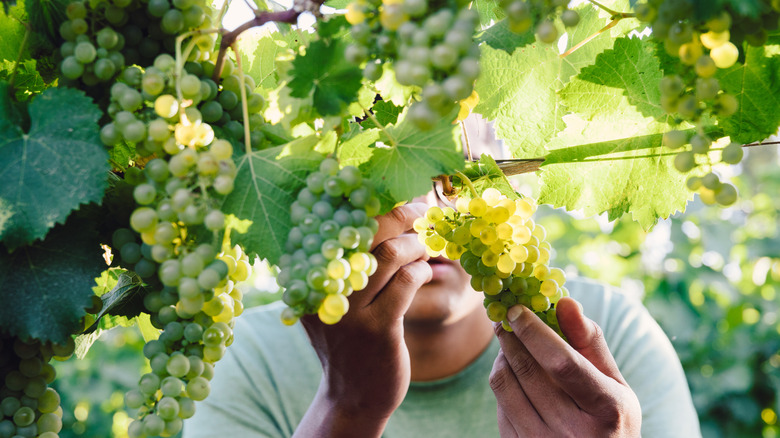
There can be a lot of overlap between the terms organic, natural, and biodynamic. As an advanced form of organic farming, biodynamic winemaking is a holistic approach to farming that incorporates spiritual farming practices. In a similar fashion, natural wines tend to echo biodynamic principles, emphasizing minimal intervention and zero chemical additives. However, outside of natural wine's go-to adage, "nothing is added, nothing is removed," there's no strict regulations for what constitutes a natural wine.
In short, a wine can be biodynamic without being natural just as a wine can be organic without being biodynamic. If that has your brain in a boggle, let me break it down by grape cultivation and winemaking practices.
Organic wine is made from grapes grown under certified organic farming methods without the use of synthetic chemical fertilizers, pesticides, herbicides, and fungicides. Biodynamic wines build on that principle but go a step further by incorporating the spiritual-ecological approach to agriculture developed by the early 20th-century scientist and philosopher Rudolf Steiner. As natural wines don't adhere to any regulatory agency, the label mostly serves as a loosely defined term for wine made with a minimalist approach, but typically they're made using organically or biodynamically grown grapes.
While the final say officially falls to the regulatory organization in charge of certification, understanding these basic distinctions in regard to grape cultivation and winemaking practices is always a beneficial exercise.
Philosophy

The philosophies of organic, biodynamic, and natural wines all emphasize sustainable ecosystems although the scope, level of intervention, and spiritual focus of each approach differs significantly in practice.
By avoiding synthetic additives and instilling ethical farming practices, organic winemaking centers ecological responsibility by prioritizing soil health, biodiversity, and natural pest control. While the aim is to produce authentic wines that reflect the terroir, natural wine philosophy privileges the purest expression of grapes and terroir by imparting the least amount of human interference as possible. Natural wine values raw character, expects unpredictability in the winemaking process, and fosters a deep connection between vine, soil, and winemaker.
Biodynamic winemaking is a holistic, spiritual, and cosmic approach to farming that views the vineyard as a self-sustaining organism interconnected with the moon's phases and celestial rhythms. Based on the teachings of Rudolf Steiner, the biodynamic philosophy blends ecological sustainability with spiritually-connected ideas and practices that are in harmony with nature and the cosmos.
Vineyard Practices
The natural (aka minimalist) winemaking approach favors sustainable practices, and as such, vineyards tend toward either organic or biodynamic farming principles. However, vineyard interventions are kept low, so unlike organic-approved treatments like natural sprays that aid in pest control, the general preference is to let the ecosystem do most of the work. Therefore, many natural wine producers tend to adopt a hands-off approach, accepting a certain amount of crop loss and incorporating regenerative farming practices to foster a resilient and self-regulated vineyard.
Organic farming practices rely on a broader repertoire of natural techniques to ensure soil health, promote biodiversity, and maintain vineyard growth. Common remedies include using green manure and compost for fertilizer, introducing beneficial predators for pest management, and incorporating habitat maintenance practices like crop rotation and selective pruning.
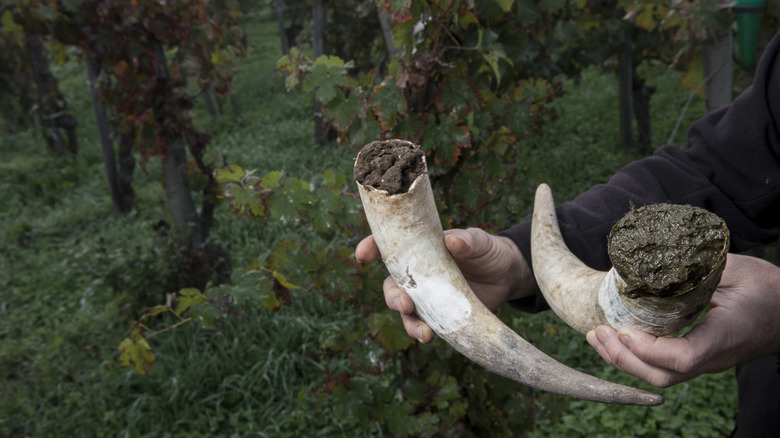
Integral to biodynamics is the core belief in cultivating grapes according to the moon's phases and employing a set of special preparations. One common practice known as "horn manure" involves burying a cow horn full of fresh cow manure underground for the winter. Imbued with spiritual and philosophical undertones, biodynamic principles aim to revitalize soil and promote grapevine health by creating a harmonious relationship between the vineyard and its surroundings.
Winemaking Additives
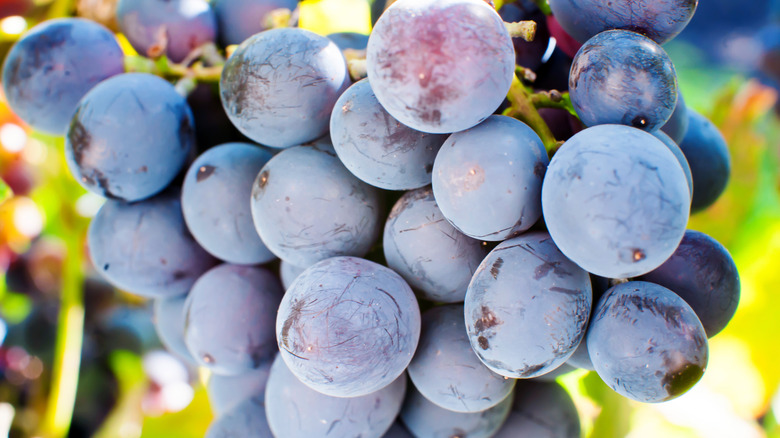
Just like the farming practices need to be certified organic before wine can be sold as organic, all other agricultural ingredients added to the wine need to be certified organic, too. While the USDA lists which additives and in what amounts are allowed, common wine additives include organic yeast for fermentation, basic nutrients and enzymes, fining agents like egg whites and isinglass (aka fish bladders), and natural tannins for antioxidants.
The use of additives in organic and biodynamic wine is closely regulated, especially the preservative sulfur dioxide (but more on that later). While fining and filtration agents are permitted, oftentimes as a stabilizer, the consensus is that it is added only when absolutely necessary. If it is necessary, low-impact methods that do not alter the wine's character are always best. In this way, natural winemaking is the strictest, prohibiting all conventional agents so that the grape and terroir speak for themselves.
Fermentation
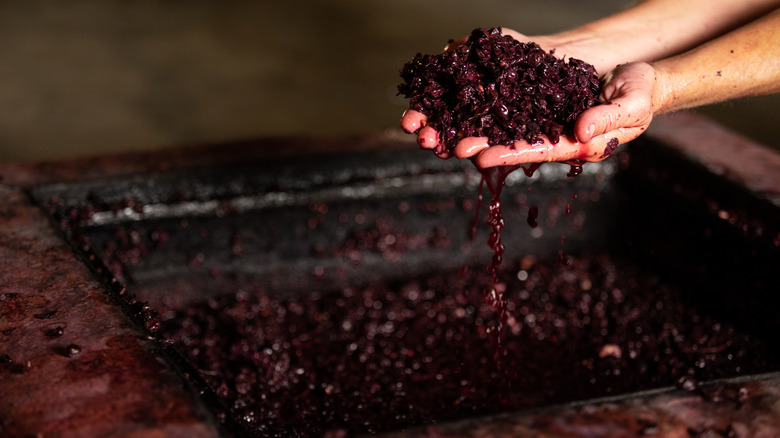
A crucial phase in the winemaking process, fermentation is the natural biochemical process in which the grape juice transforms into wine. More specifically, this is where the yeast converts the sugars in the juice into alcohol and carbon dioxide, and this stage has a direct influence on the wine's flavor, aroma, complexity, and texture.
In organic winemaking, the use of indigenous or wild yeasts that are naturally occurring on the grapes' skins is favored, whereas in biodynamic winemaking, only wild yeasts are used. In both cases, the goal is to avoid unnecessary intervention and encourage natural microbial activity so as to preserve the natural expression of the wine through terroir and authentic complexity.
Natural wine fermentation almost exclusively uses spontaneous fermentation, allowing the wild yeast and native microbiome on the grapes' skin to propel fermentation and shape the wine with minimal to no intervention on the part of the winemaker.
Sulfites
Sulfites are naturally occurring chemical compounds found in wine as a result of the fermentation process and function as a preservative, antioxidant, and stabilizer. As such, winemakers often add sulfites during various stages of the winemaking process to take advantage of these factors. For the vast majority of people, sulfites are safe to consume without experiencing adverse side effects, but common complaints include headaches and respiratory issues.
Regardless of its effects, sulfite levels and usage are the most restricted aspect of winemaking, with organic wines exhibiting the strictest allowances. Wines labeled as organic under USDA regulations cannot contain added sulfites, limiting naturally occurring sulfite levels to no more than 10 parts per million. However, wines labeled "made with organic grapes" may contain added sulfites as long as they don't exceed 100 parts per million. Interestingly, biodynamic wines do allow small amounts of added sulfites, up to about 100 parts per million, but it typically depends on the type of wine and certification region.
Not surprisingly, natural wines typically avoid added sulfites altogether, and if present, levels are extremely low, hovering around 30-50 parts per million so as not to interfere with the natural processes.
Certification
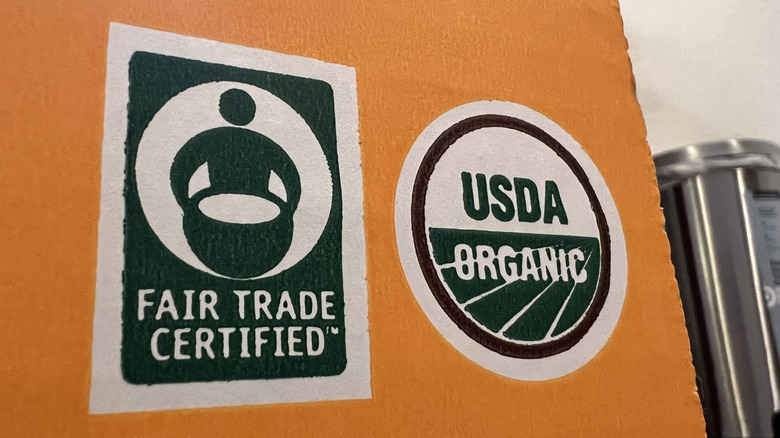
Certifying agencies play significant roles in setting the standards for vineyard and winery practices. They protect the integrity of organic and biodynamic wines by ensuring winemakers are in compliance with regulations and overseeing wine labeling to maintain transparency and trust with consumers.
In the U.S., government-accredited certifiers such as the USDA act as the regulatory agency for organic wine, conducting farm inspections and annual audits before wines receive USDA label approval. The main certifying body for biodynamic wine is Demeter International. Similarly, this agency audits vineyards to verify adherence to biodynamic farming principles and assesses the cellar to ensure minimal intervention standards among other functions. It's a lengthy and expensive process, but it enables consumers to easily verify the authenticity of the wine.
Natural wine does not adhere to any formal standards or certifying body, although voluntary organizations such as RAW Wine provide set guidelines for production and education to consumers. While these groups provide informal endorsements based on self-reporting and auditing, they serve as a means of creating consumer confidence in natural wine claims.