

9 Sauces That Can Actually Double As Salad Dressings
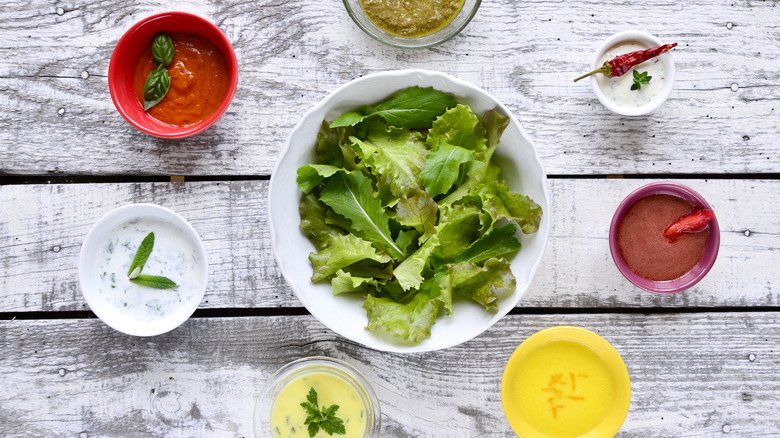
Why limit yourself to boring bottled dressings when your pantry holds the secret to converting any sauce, homemade or store-bought, into a delicious salad dressing? Some of the most versatile sauces of the culinary world work double duty as salad dressings; all you need is a dash of oil and acid.
The magic of sauce-to-salad dressing conversions lies in their ease. The most exciting salad transformations happen when you raid your pantry and start thinking creatively — from Argentinian chimichurri's naturally oil-based consistency that leaves a fresh, herbal taste, to Middle Eastern tahini's creamy nuttiness that clings to salad leaves without overwhelming. Some sauces even work exceptionally well straight from the jar, while others transform into a silky dressing with minimal modifications. You'll learn which textures work best with different types of greens, what flavor profile complements specific salad ingredients, and simple tweaks to suit your palate.
Plus, these dual-purpose condiments are supremely time-saving, whether you whip up the sauce at home or go the convenient route by choosing a store-bought version. These aren't just condiment hacks. They're flavor revelations that turn mundane salads into Michelin-star meals. From light and bright herby sauces to rich and garlicky, cream options, each brings a depth and personality that shines bright on all types of greens.
Chimichurri sauce
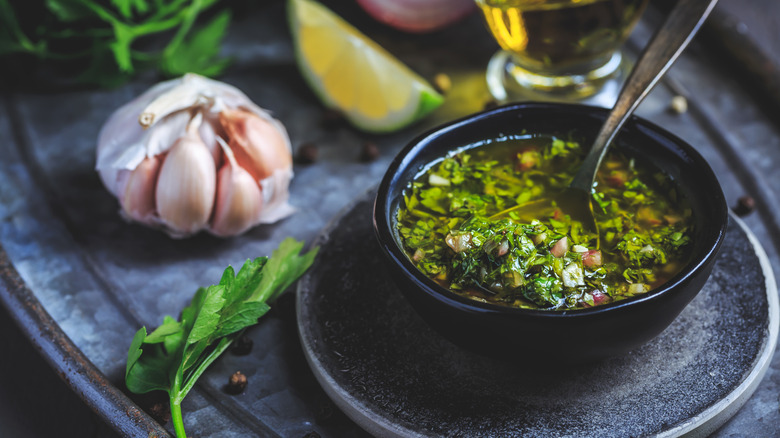
This powerhouse herb sauce of Uruguayan and Argentine heritage packs a serious punch, transforming salads with its perfect oil-to-acid ratio that naturally coats the leaves without making them sloppy. The chunky texture of a classic chimichurri sauce clings beautifully to greens like lettuce leaves, while the bright, herbaceous, and earthy flavor profile, full of parsley, cilantro, garlic, and red wine vinegar, adds complexity that most bottled salad dressings cannot imagine.
Chimichurri salad dressing shines on hearty salads. For grilled vegetable or protein salads, like a chimichurri steak salad, that pair with a chunkier dressing, consider keeping the sauce as is. The tanginess of the sauce harmonizes well with the smokiness of the charred vegetables. The sauce's natural oil base facilitates a smooth transition into a dressing. All you have to do is thin the sauce out with some extra olive oil and lemon juice to pair well with lighter greens like baby spinach, butter lettuce, or baby kale.
The flavor profile brings both brightness and depth to all types of salads. The aromatic herbs provide a garden freshness, while garlic adds sharpness. The tart red wine vinegar even cuts through the richness of robust greens, complementing cheese-heavy salads or grain bowls particularly well. To make the salad sing, add a pinch of red pepper flakes. You can also try store-bought chimichurri, but a homemade version allows you to control texture and freshness according to your palate.
Pesto sauce
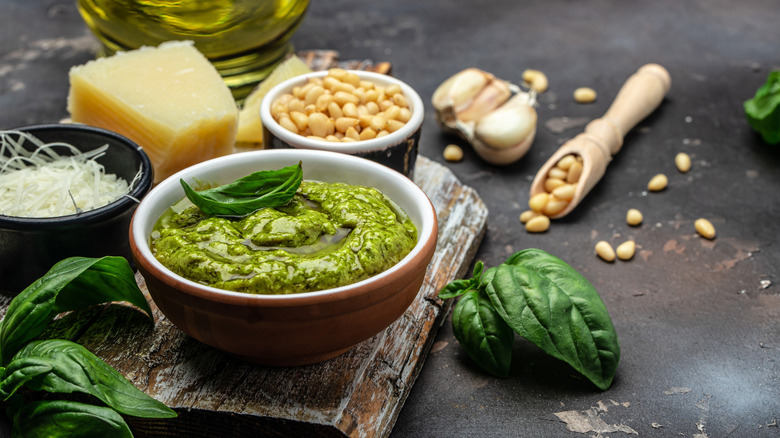
A bright and fresh pesto sauce, the ultimate Italian icon, easily morphs into a salad dressing that adds a restaurant-level panache to your greens. Its oil-rich foundation sets the tone for a natural salad dressing; all you have to do is adjust the consistency ever so slightly.
Start with homemade or store-bought pesto sauce and drizzle in lemon juice, olive oil, and a pinch of salt. Mix vigorously to create a vinaigrette. The sauce can also transform into a creamy dressing with a scoop of Greek yogurt or cream, adding a luxurious texture to your pasta salads or grain bowls.
The velvety consistency of the salad dressing shines bright on sturdy greens like arugula or kale. And the glossy, clingy texture is neither too thick nor too thin. The nuttiness from the pine nuts offers a salty richness while the parmesan adds sharp, savory notes, eliminating any need for added seasoning. And as expected, a pesto salad dressing elevates caprese salads to greater heights, naturally complementing the gooey mozzarella and raw tomatoes. It's also particularly delicious on grain salads or with protein salads, especially grilled chicken or fish.
The sauce's versatility allows for creative interpretations: Sun-dried tomatoes to make a pesto rosso, a peppery arugula pesto, or perhaps a Swiss chard and pecan pesto. Each variation brings its own personality to the bowl of greens.
Tahini sauce
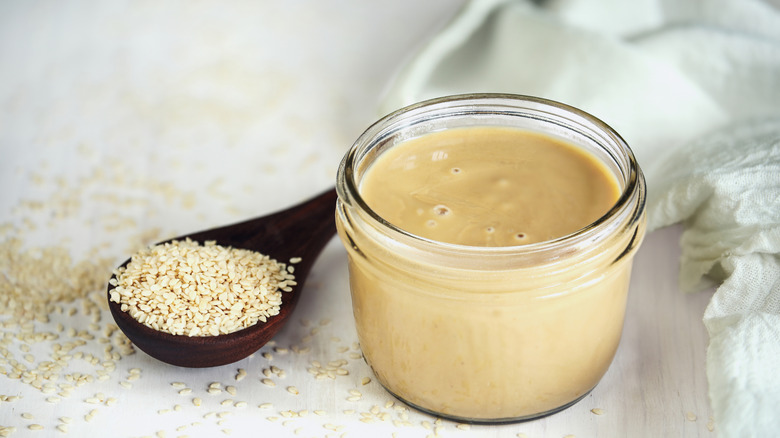
This Middle Eastern dietary mainstay is basically sesame seeds transformed into liquid gold. Tahini sauce offers a rich, nutty flavor with a dash of subdued bitterness balanced by fresh lemon and warm garlic. It delivers sophisticated flavor complexity that makes the simplest of greens taste intentional. Its creamy, protein-rich base offers the perfect foundation for a gorgeous salad dressing without skimping on the nutritional value. Plus, the sauce's natural thickness offers great coating power, wrapping even the sturdiest of greens thoroughly.
For a quick weeknight meal, pure tahini functions as a delicious salad dressing, adding a subtle nuttiness to robust grain salads without overwhelming the flavor profile. Though you will have to thin it out with a dash of water, as the consistency can vary. Think roasted vegetables with quinoa or a hearty kale Caesar-style salad. As a salad dressing, tahini transforms into a silky, pourable condiment with some help from oil and lemon, that shines bright on Mediterranean-inspired bowls.
The cheat sheet list to pair this dressing with includes kale, arugula, kohlrabi, crunchy vegetables like bell pepper, radish, carrots, and more. The slight sweetness of the vegetables beautifully contrasts with the nutty, earthy flavor. When it comes to customizations, the world is your oyster. Add bright herbs like dill, basil, mint, cilantro, or harissa for a kick of heat.
Hollandaise sauce
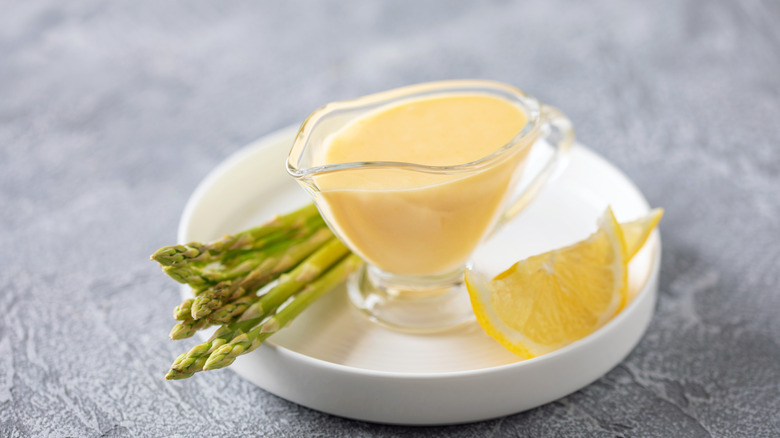
The traditional French Hollandaise sauce features a luxurious butter-egg emulsion enhanced with mustard, lemon, and salt. While the sauce in all its glory is quite rich for salads, a lightened version can be whipped up to create an unexpectedly elegant Hollandaise salad dressing. This easy-to-do conversion maintains the original sauce's signature richness and tart acidity while balancing it enough to suit different types of greens.
The key to a salad-friendly hollandaise lies in lightening the sauce just right. Substitute half the butter with olive oil, and thin with lemon juice and warm water for a more drizzle-worthy consistency. The same goes for store-bought hollandaise. This makes it worthy of coating all your greens rather than drowning them.
The dressing excels on warm salads full of roasted vegetables. It also pairs beautifully with eggs, asparagus, or salmon, along with veggies like spinach, zucchini, Brussels sprouts, and more. If the consistency is thicker than you'd like, add a bit of hot water, one tablespoon at a time. Fresh herbs like chives or tarragon cut through the richness and add a flavor and color contrast.
Homemade hollandaise is best enjoyed immediately. But if you'd like to save it for later, keep it in an airtight container for up to three days. To reuse, gently reheat the sauce in a double boiler, adding hot water, gradually as needed to achieve the desired texture.
Romesco sauce
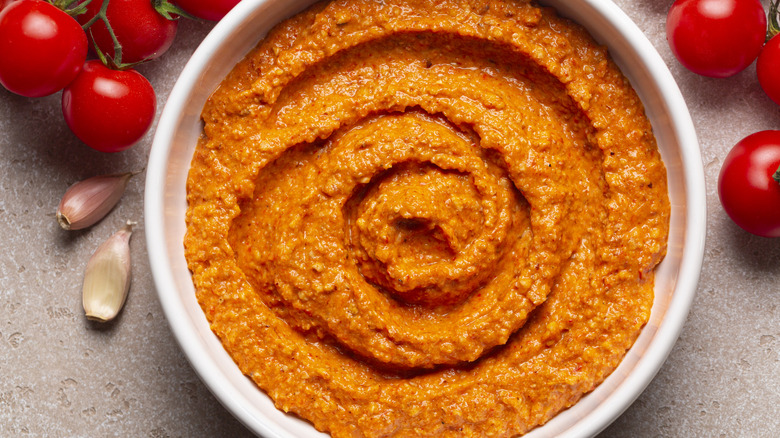
This Spanish roasted red pepper sauce is all about that smoky, slightly sweet flavor that goes surprisingly well with crunchy salads. A standard romesco sauce, or a salsa romesco as the Catalans refer to it, starts with roasted tomatoes, ñora (red) peppers, garlic, vinegar, and nuts. The sauce's deep, velvety character comes from the sweetness of the roasted vegetables, the toasty saltiness from the nuts, and the pungent tartness of the vinegar, making it a sophisticated salad dressing option.
The natural, thick, chunky texture of a smoky romesco sauce, homemade or store-bought, glosses salad leaves beautifully without weighing them down. It works brilliantly as-is on high-protein salads featuring olives, feta, and sun-dried tomatoes. Transform it into a romesco salad dressing by mixing in extra sherry vinegar and olive oil. It works exceptionally well with robust greens like kale, Swiss chard, and stir-fried vegetables.
The smoky flavor profile also accompanies winter salads featuring roasted butternut squash or Brussels sprouts beautifully. Romesco's slightly sweet taste balances any bitterness from cruciferous vegetables while the smokiness adds depth, turning simple salads into Michelin-level plates. If you don't want to get into the hassle of ingredients, you can buy it online, at stores like Walmart or the farmer's market as well.
Honey mustard sauce
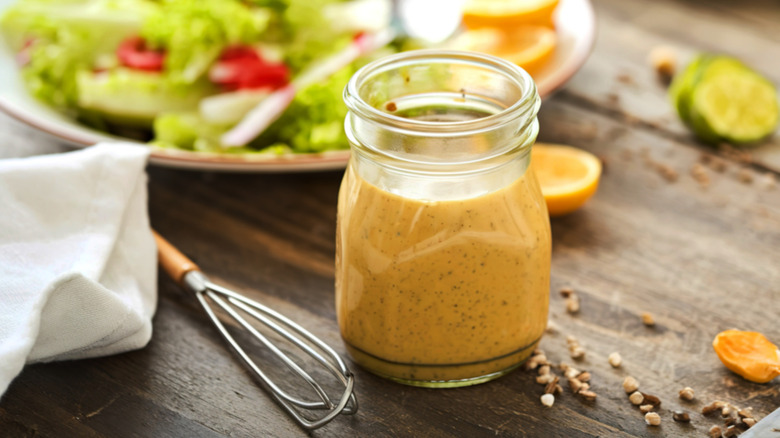
The iconic combination of sweet honey and peppery mustard is a match made in heaven for American cuisine. The simple flavors of the sauce impart the ultimate sweet-tart smack, and the glossy texture coats salad greens delectably.
A traditional honey mustard sauce works perfectly as-is, requiring no modifications to function as a salad dressing. The composition of the mustard provides a base for natural emulsification, keeping everything smooth and stable, while the sweet honey balances the tangy notes. If you prefer a thinner consistency, just add a dash of olive oil and vinegar.
Honey mustard raises a simple chicken salad by complementing the protein with a touch of tang. The dressing's creaminess also coats heartier greens like romaine, crunchy peppers, and buttery avocado, providing enough body to coat the ingredients without overpowering. It also shines on Cobb salads, where the richness of the dressing suits the bacon and cheese. It's equally stunning on fruit salads, where the natural sweetness of the fruit cuts through the complexity of the mustard.
If you'd like to add some pizzazz to your salad dressing, swap Dijon for whole grain mustard, adding texture. Or switch honey with maple syrup for a caramel-like sweetness. And store-bought honey mustard brands, like Inglehoffer or Sweet Baby Ray's, can save time while delivering consistent, reliable results for busy weeknight meals.
Tzatziki sauce
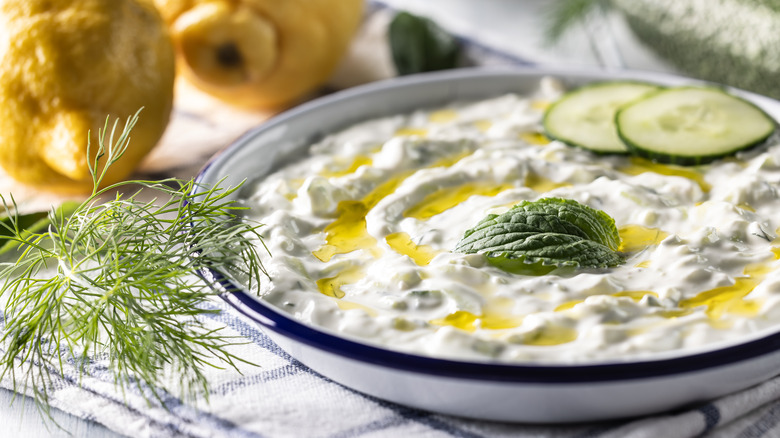
Tzatziki sauce is a refreshing, garlicky condiment made with thick Greek yogurt, lots and lots of cucumber, dill, or mint, perfect for a hot summer's day. Once converted into a salad dressing, the flavor profile translates into a cooling and rejuvenating condiment, thanks to the tangy yogurt, the crisp cucumbers, and the pungent garlic. The fresh herbs add brightness to the dressing.
A traditional Tzatziki is made with strained sheep or goat's milk yogurt, but the modern world also allows the humble Greek yogurt as an alternative. It brings a refreshing coolness to salads while offering a creamy texture that's lighter than mayonnaise-based alternatives. To make it optimal for salads, thin the tzatziki sauce with lemon juice and olive oil, creating a drippable consistency that doesn't mush up the vegetables. The dressing adds a rich flavor profile to chopped salads, including chickpeas, additional cucumbers, tomatoes, onions, olives, and romaine lettuce. A few more elaborate ways to enjoy a Tzatziki vinaigrette are to drizzle it over pan-seared salmon or the classic gyro. It even works wonders poured over a baked potato.
Store it in the refrigerator for two to three days and just stir before using, as the liquids may separate slightly. Customizations enhance this versatile sauce: mint adds an extra freshness, lemon zest brings a bright pop, and Tabasco introduces some heat.
Cilantro lime crema sauce
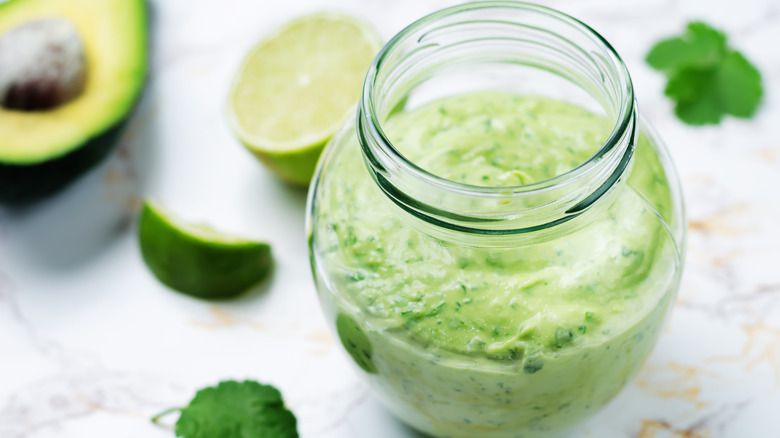
This fragrant Mexican cream sauce features fresh cilantro, sour cream, and zesty lime to make a vibrant dressing that brings Southwestern charm to any salad. The flavor profile of a traditional cilantro lime crema is bright and herbal with refreshing creaminess that rejuvenates the palate.
The star of this condiment is Mexican sour cream or crema, which is basically a mixture of heavy cream, sour cream, lime juice, chipotle powder, and some salt. As a cilantro lime salad dressing, thin the sauce with lime juice or olive oil to achieve optimal consistency according to your preference. The silky texture is substantial enough to coat the leaves fully, making the salad satisfying yet light enough for the vegetables to shine through without being masked by the cream's heaviness. It can easily be poured over Southwest-style salads with ingredients like black beans, corns, and peppers. It also goes well with fish, chicken, and steak.
The sauce is best used fresh, as the flavors may diminish as time passes. For a custom touch, you can choose to add avocado for extra butteriness and a beautiful color, coconut cream for a dairy-free version, and perhaps some cumin for a hint of spice. Other Mexican spices also add deeper complexity to the dressing.
Toum sauce
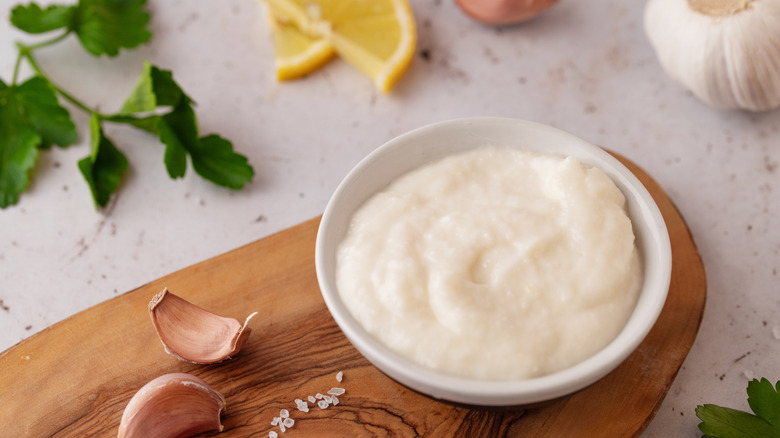
A traditional Lebanese toum, essentially a garlic sauce, has a glorious, thick texture that's absolutely decadent. By emulsifying garlic, oil, and a splash of lemon juice, this cloud-like sauce gets a fluffy, almost whipped consistency that's both bold and sophisticated. Think of it as a mayonnaise, just without the eggs. And this fluffy sauce is extraordinary as a salad dressing. The simultaneously rich and airy texture coats the greens in a luxurious blanket that feels indulgent and surprisingly light.
Transform it into a garlicky toum salad dressing by adding a spoonful of toum, homemade or store-bought, to the blender along with anchovies, lemon, mustard, and a drizzle of olive oil. It's often eaten as-is with a classic shawarma, which can also be converted into a shawarma salad, but you can also pour the dressing over robust greens like kale, colorful vegetables, roasted asparagus, or any protein of your choice.
The neutral white of the dressing looks gorgeous, contrasting colorful greens, and the flavor impact doesn't take away from the sharpness of the salads. However, a little goes far when it comes to toum, so start small and adjust according to your taste preferences. Some additional variations include throwing in herbs like mint or parsley, fresh cracked pepper, or cayenne for a kick of heat. Plus, it stores excellently for up to a month in the fridge. Make sure to put it into an airtight container.