

Here's How To Store Persian Cucumbers To Keep Them As Crisp As Possible
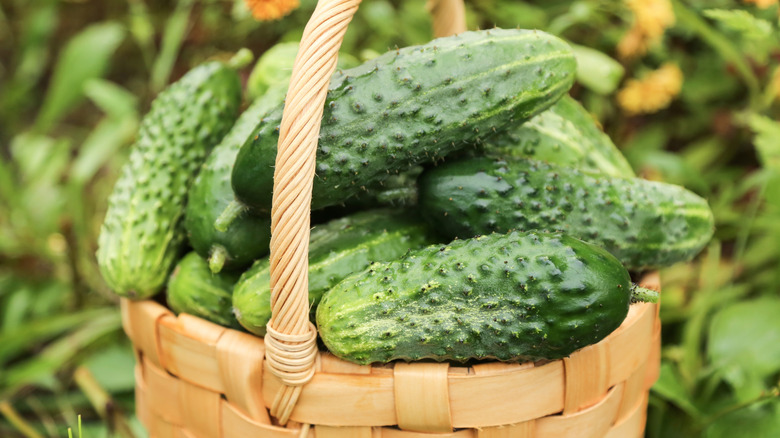
Fresh Persian cucumbers are the perfect addition to your salad: light, crisp, and just a little sweet. A spoiled one, on the other hand, has all the makings of a slug — slimy, soggy, and best left for someone else to clean up. Persian cucumbers are notorious for spoiling as soon as you turn your back on them. That said, with the right storage methods, you can easily extend their shelf life from two days to two weeks. The running theme through many of these tips is simple: avoid moisture.
Unlike English cucumbers, which are often longer and individually wrapped, Persian cucumbers are smaller and usually come in sets of five or six, packed in Styrofoam trays sealed with plastic. It might seem convenient to toss them into the crisper just like that, but the plastic wrapping traps moisture — and moisture, like we said, is the fastest route to turning your cukes into a soggy mess. Instead, unwrap them as soon as you get home, then wash and dry them thoroughly. The drier they are, the longer they'll last (this is true for all varieties of cucumbers).
The ideal temperature to store cucumbers is between 50 to 55 degrees Fahrenheit, so, depending on the weather, you may not even need to refrigerate them. If you are, then store them in the warmest spots of your refrigerator, like the door. While these precautions are good enough to keep your cucumbers crisp for a week, wrapping them in paper towels and then putting them in an air-tight bag can extend this shelf life for over two weeks.
Don't store Persian cucumbers with apples or avocados
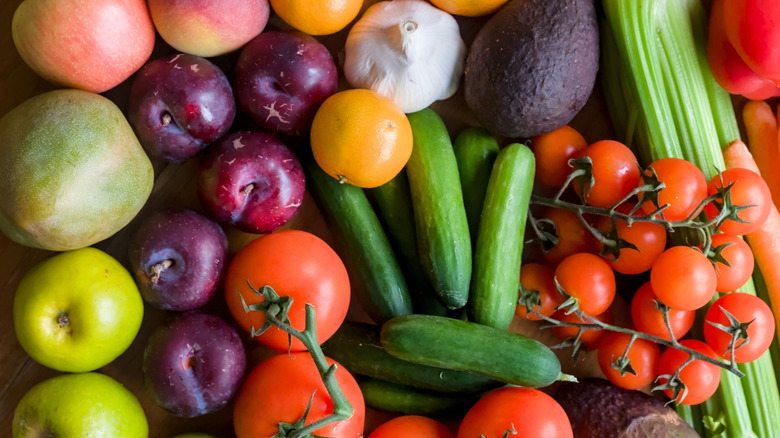
If wrapping cucumbers in paper towels feels like too much effort, at least do this: don't store them next to apples or avocados — it sounds strange, but it'll keep them from getting "gassed." Apples and avocados are among the fruits and vegetables that release a gas called ethylene, which is an odorless, colorless ripening agent. Cucumbers, meanwhile, belong on a list of produce that are extra sensitive to ethylene, and tend to go yellow and develop mushy spots when exposed to it.
Other common foods on the list of ethylene emitters are apricots, papayas, and ripe tomatoes, while ethylene-sensitive foods include carrots, cabbage, cauliflower, and leafy vegetables like kale and spinach. It's recommended that you keep your ethylene-emitting and ethylene-sensitive foods in separate parts of your refrigerator.
If you want to stretch the shelf life of your Persian cucumbers even further, consider pickling them — because let's be honest, not many sides elevate a meal like crunchy, homemade pickles. With their firm texture, minimal seeds, and low water content, Persian cucumbers are one of the best cucumber varieties for the job.