

This Is Why Leftovers Always Need To Be In Airtight Containers
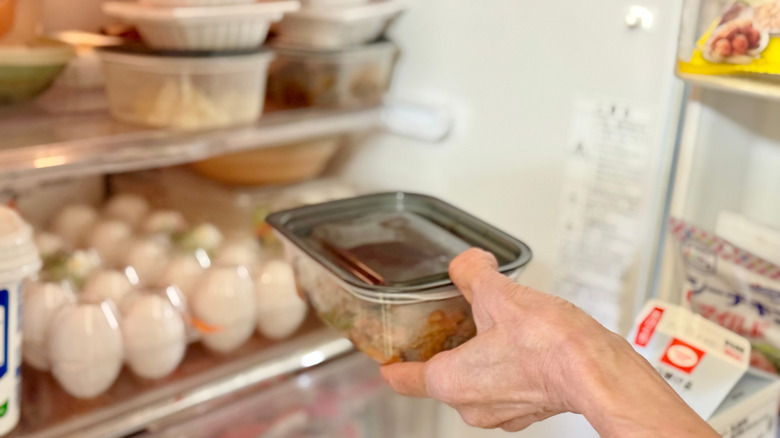
After enjoying a meal out at a restaurant, tossing that paper takeout box in the fridge and plopping down on the couch might seem like the ultimate blissed-out course of action. In the same way, after cooking an elaborate dinner at home, it might be tempting to take a load off without properly packaging up the leftovers right away. But, when it comes to the shelf-life of your precious restaurant meal (or your painstakingly crafted home cooking), nothing is more crucial than an airtight container. Enter: Oxidation.
Oxidation is the process by which food comes into direct contact with the surrounding air. It's the same process that causes opened bottles of wine to break down after a few days — and it's the main culprit that causes food to go bad over time. Oils and fats degrade upon prolonged oxygen exposure, impacting the taste, odor, and even the nutritional profile of your leftovers. Notably, oxidation is a chemical process. Those food molecules react with oxygen on a molecular level, meaning the freshness and shelf life of foods might be impacted even if they appear totally fine to the naked eye.
By keeping excessive oxygen and moisture out, airtight containers slow the process, ensuring food is less exposed to the elements and (subsequently) stays fresher longer. Fat-soluble vitamins are also retained, keeping the nutrients locked in and harmful bacteria out. To get the most out of your leftovers, the 2-2-2 rule can act as a helpful gauge.
An airtight seal staves off oxidation
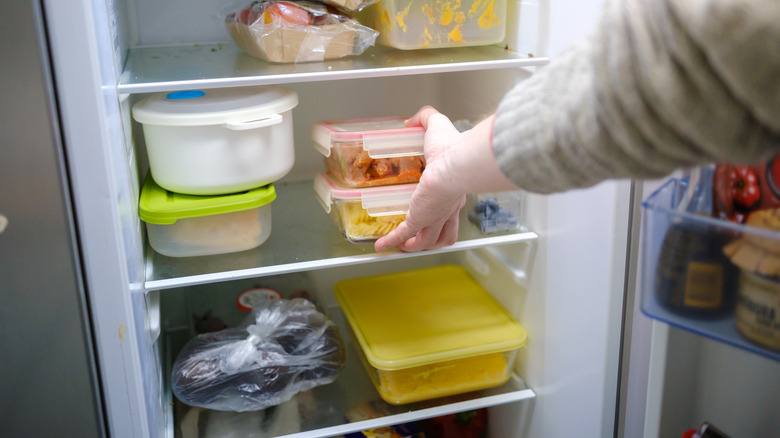
If your leftovers came home in less-than-sturdy packaging, like a styrofoam or paper box, transferring the food to an airtight container is essential for retaining its freshness and reducing waste. Coated plastic or glass — either oxygen-resistant material will get the job done, so long as the seal is airtight.
Beyond staving off oxidation, storing those leftovers in airtight containers can also just help them taste better. Have you ever taken a bite of porous leftover sandwich bread or pasta, grimaced, and thought, "This tastes like the ambient air inside my refrigerator?" An airtight seal spares foodies from repeating this unappetizing experience. Also, a tight seal can help prevent accidental spills and liquid leaks, keeping the inside of your fridge clean and minimizing further odors.
According to the USDA, leftovers stored properly can last up to four days in the fridge. However, if your food looks or smells a little "off," it's always better to be safe than sorry. Oxidation can impact both the flavor and the safety of cooked food over time, so toss anything that leaves room for doubt. Leftovers that are high in oils and fats are more susceptible to oxidizing more quickly; look for an altered texture in baked goods, discoloration in produce ingredients, or any degree of rancid smell to be safe.