

How This Health-Focused Fast Food Chain Managed To Survive Bankruptcy
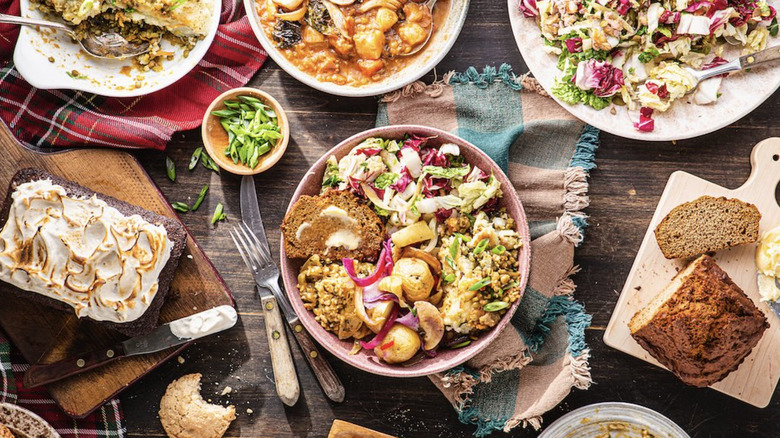
In 2008, a small food truck set up shop on MIT's campus in Cambridge, MA and started slinging sandwiches. The humble initiative eventually ballooned into physical restaurants, and what became known as Clover Food Lab continued to create plant-based menus from local products. Today, the fast food restaurant known as Clover boasts 11 restaurants spread out around the Boston area, yet the brand almost didn't survive. After low sales, problems paying rent, and difficulty securing funding, Clover Food Lab announced Chapter 11 bankruptcy in 2023 following the Covid pandemic. At the time of filing, Clover's operations had 12 restaurants, a catering business, a meal box service, delivery, and two branches set up within Whole Foods.
A Chapter 11 bankruptcy filing is a way for companies to keep operating while they figure out how to climb out of debt. Clover got to work after its announcement, and one year later was able to crawl back from bankruptcy. Clover's rehabilitation strategy meant restructuring operations and rebranding the business. Marketing efforts focused on promoting a concept that would be more accessible to the general public, while emphasizing the people behind the brand, including employees and farmers supplying products. The business also dropped Food Lab from its name, settling on Clover to name its operations.
Forced focus to find success
As told to QSR Magazine, Clover CEO Julia Wrin Piper recalls the journey as a moment to focus on the company's efficiency, goals, and values. "We basically went through the natural evolution and experimentation process that a company usually takes years to go through, but we did that in a matter of months," she explained. While offering good-for-the-earth, plant-based menus stayed the same, leadership made decisions to make operations more efficient, and that included making cuts to the team. In addition to ending leases, shutting down locations, and taking a critical look at menus, Clover slashed its team by 20 employees.
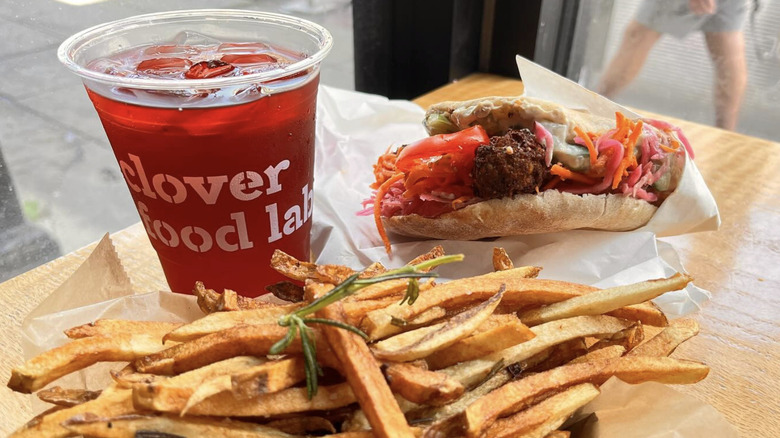
Clover's rehabilitation strategy centered on its restaurants, catering, meal boxes, and wholesale items — and the strategy worked, as all continue to live on today. The company prides itself on simple menus and efficient service, boasting a three and a half minute average service time for customers. Since Clover doesn't have freezers, menus change often to keep dishes fresh and seasonal, and many ingredients are purchased from regional suppliers. Though menus are small, everything, besides mayo and ketchup, is made in house. Sandwiches like the Soy BLT and BBQ Seitan remain popular among customers, and orders can be modified to be vegan. In addition to plant-based meals, a variety of unique drinks like cinnamon lemonade, maple soda, hibiscus iced tea, and Pretty Things Jack D'Or beer keep palates moist. Sometimes necessity leads to greatness, and Clover's success embodies this principle.