

We Asked A Sommelier What Wines To Bring To A Party (And Which To Avoid)
Planning wine options for a party can be a bit overwhelming if you don't know where to start. Even if you narrow it down to a selection of bottles, there's an endless variety on store shelves, ranging widely in price, quality, and enjoyment. Some wines might be prestigious and well-admired by oenophiles, but fall flat at a party with less wine-savvy folks. Nevertheless, if you include a few diverse options, you'll likely please all your guests without blasting through your budget.
To guide you through your next party supply run and avoid potential pitfalls, we spoke to Canadian sommelier and wine writer Natalie MacLean. MacLean is a published author, hosts a weekly podcast, and regularly updates her website with wine reviews, allowing wine lovers to expand their knowledge in various ways. With her guidance, you'll soon be on your way to creating an exciting and varied wine list that will keep your guests satisfied. Plus, she will almost certainly inspire you to learn more about wine. Read on for MacLean's tips on the best types of wines to serve at a party, and which to avoid.
Don't overwhelm your guests with too many wine options
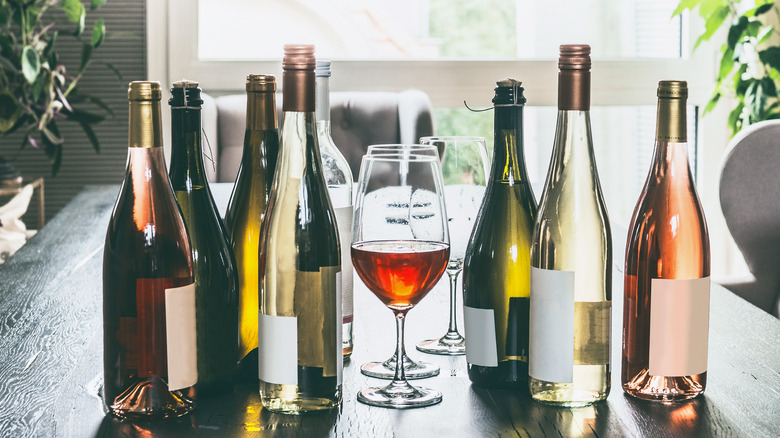
You might think that the wider the selection of wine you provide, the more likely it is you'll satisfy everyone's palate. Although that may be the case in a dedicated wine-tasting scenario, too much variety may be a drawback if you're hosting a regular party. Natalie MacLean points out that an abundance of choices can overwhelm your guests. "Three or four wines are plenty — you're curating a playlist, not running an Olympic tasting marathon," she says.
Case in point, according to MacLean, all you need in your party wine lineup is a crisp white wine, a fuller-bodied or rosé option, and both a lighter and bolder style of red wine. These four wines should successfully cover most food pairing needs and guest preferences. This way, you're still providing your guests with a varied selection, without making the choice challenging. "The bonus of this approach is psychological. People like feeling they had options without having to choose among 15 different bottles," she explains. This method is better than going off in a million different directions in an attempt to cover every preference.
Spend smart, not more

Hosting a successful party can quickly become expensive, whether you're throwing a glamorous bash with printed invitations or grilling up burgers and hot dogs in your backyard. Although wine can easily cause your budget to soar, it doesn't have to. Natalie MacLean compares it to "stocking a wardrobe," elaborating, "You don't need designer labels for every piece, but you do need clothes that fit the occasion."
"Spend smart, not more: Anchor your table with one or two special bottles, then balance them with affordable gems from lesser-known regions," MacLean advises. Plenty of wine regions produce fantastic wine at a reasonable price, so you won't have to sacrifice quality. MacLean also suggests looking into bulk buy offers, as some wine shops provide discounts if you purchase a higher volume. It's not about buying cheap wine, but being strategic in your choices. If you're familiar with the staff at your local wine shop, be sure to let them know you're hosting a party, as they may have some unique options and deals to offer.
Reach for unexpected wine options
Although you might not want to rely solely on extremely obscure bottles for your party, it's still worth asking your wine shop clerk about some lesser-known options. Instead of serving familiar names from renowned wine regions that often carry a higher price tag, you might discover something new to offer your guests. You'll want to have at least some idea of what you're choosing, rather than going in blindly, but there are countless worthy wines that you may be less familiar with.
If you're going it alone, consider choosing a novel bottle, grape variety, or product line from a winemaker you already know and trust. This way, you'll have familiarity with the producer yet still have plenty of room for surprise. Meanwhile, many lesser-known regions and countries produce excellent wine but have yet to break into the mainstream market. If you can get some input from your wine shop about interesting bottles that have recently come in, you'll end up with something that really gets your guests talking.
Steer clear of prestigious wine regions
If your knowledge of wine regions is limited to the most prestigious and revered, your budget will quickly run dry if you only buy bottles from those places. Once a wine region gains widespread recognition, prices tend to soar. For party purposes, it's better to skip the world-famous producers and look toward areas that haven't received as much critical acclaim, but are still known for their quality wines.
"Spain and Portugal are still wildly undervalued, offering terrific reds and whites at prices that often undercut the big French or Italian names," Natalie MacLean notes. She also recommends South America for value, listing Chile and Argentina as great options. Her suggestions are consistent with some theories that looking south of the most popular regions is often a great way to find excellent value. Meanwhile, in the United States, you might want to look north, as Canadian wines are rapidly making a name for themselves. MacLean recommends trying white and sparkling wines from Nova Scotia and Ontario, where you'll find a nice balance of quality and price.
Keep a few grape varieties in mind
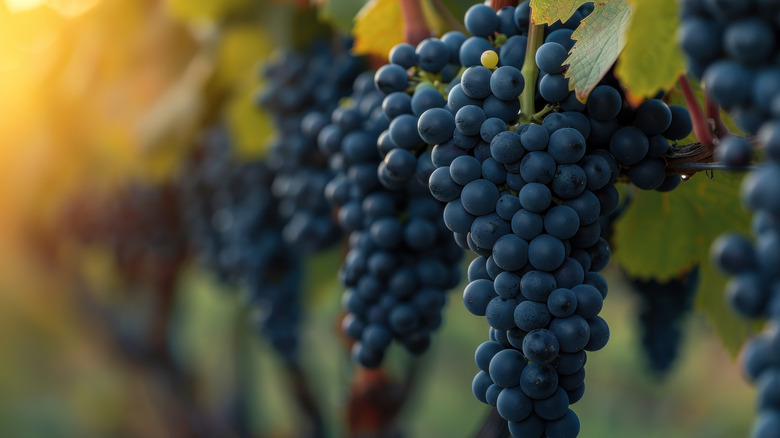
Some grape varieties can cause wine prices to rise, whether it's because they require more labor to grow and harvest, or because they need longer maturation in the cellar. "Avoid chasing the 'prestige' grapes like pinot noir and chardonnay from Burgundy or cabernet sauvignon from Napa if you're budget-conscious," Natalie MacLean recommends, adding, "Save those for when you're feeling flush." Between finicky climates, oak aging, and high vineyard costs, these wines often command high prices.
If you're looking for something similar to those wines, but more affordable, start by reaching for bottles made with these grape varietals in different regions. For example, MacLean notes that pinot noir is always a winning choice for parties. "When made well, it's food-friendly, medium-bodied, and crowd-pleasing across generations. Just don't overspend chasing Burgundy," she warns. Instead, she suggests trying pinots from Ontario, Oregon, or New Zealand for a better value bottle. MacLean also recommends choosing alternative wines with similar characteristics, such as gamays for pinot noir fans, chenins for chardonnay lovers, and cabernet francs for those who want a structured wine without the hefty price tag. Of course, you can opt for grape varieties from other regions that have their own redeeming qualities. Some of her favorites include malbec, garnacha, and tempranillo. As for white wine, she points out that sauvignon blanc is always a hit, and typically a good value, so you should look out for bottles from New Zealand, Chile, or South Africa.
Aim for balanced wines
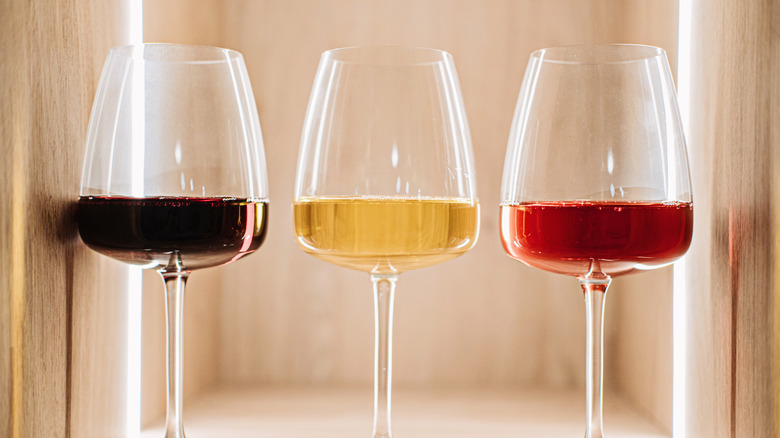
Natalie MacLean notes that a couple of styles of white and red wine should pair easily with most foods and palates. On the other hand, if you only opt for zesty white wines or bold, oaky reds, it will be more challenging to match them with food and maintain a casual party atmosphere. A balanced selection can help ensure everyone is satisfied with their wine choices. Granted, this equilibrium isn't always easy to achieve, but with MacLean's tips, you'll be well on your way.
"Avoid wines that scream 'look at me' but forget to actually be drinkable — high-alcohol, over-oaked monsters that flatten taste buds," MacLean says. Similarly, the wines should be pleasant and easy to enjoy, without overly complex characters. While a pleasant conversation about the wine can be enjoyable, a party might not be the time for an in-depth analysis. If you're hosting guests with a curiosity for wine, then a unique option could be a nice touch. Otherwise, MacLean recommends steering clear of anything too polarizing, like intensely funky natural wines or dessert wines when there's no sweet course on the menu. These styles are better suited for smaller gatherings with wine geeks, but not usually appropriate at a casual dinner party.
Remember that wine is social

Although curating a wine menu for a party can feel overwhelming, it's essential to maintain a sense of perspective. "Guests remember the conversation and the laughs, not the vintage on the bottle," Natalie MacLean observes. If you're hosting a gathering for wine enthusiasts, detailed information about the wine will be relevant. Otherwise, the wine is there as a social lubricant and to accompany food. Of course, that doesn't mean any old plonk is acceptable, but don't feel pressured to choose the optimal bottles.
According to MacLean, "It's smart to include at least one 'conversation wine' — something refreshing, mid-weight, and versatile that can be enjoyed solo." Ultimately, a bottle can be right for so many reasons beyond its sensory properties. As MacLean points out, the stories behind the winery, vineyard, and bottle are often intriguing and worth discovering. Ask your local wine shop clerk about new and exciting producers, interesting origin stories, and vineyards in fascinating locations. You're sure to end up with a fun tidbit to share with your guests.
Include some wine options to pair with food

Parties come in all shapes and sizes, and yours may or may not include food. Nevertheless, chances are at the very least you'll have some salty snacks to soak up the wine. If that's all you're serving, you'll want to ensure you have some crisp and refreshing white or rosé wines, as well as lighter-bodied red wines, to avoid overwhelming your palate. On the other hand, if your soirée is centered around food, then your choice of wines can follow suit.
"Some of the most memorable bottles are those that shine once food arrives," Natalie MacLean notes. "A structured red might feel a little stern on its own, but paired with roast beef or a mushroom risotto, it becomes silky and seductive." Although you'll want to have an option to serve as guests arrive and get settled in, don't shy away from bolder wines if you have the food pairings to match. A robust cabernet sauvignon with notable tannins could be the perfect complement to a juicy steak, though it would completely overwhelm a steamed cod dish. If you're providing food that pairs well with an ideal wine, be sure to have the right bottle on the table.
When in doubt, make it a celebration

If you're stuck on what wines to serve, and don't have a food menu that immediately calls for a particular bottle, then Natalie MacLean suggests falling back on sparkling wine. "It doesn't have to be Champagne — great options come from everywhere, including Canadian bubbles, Spanish Cava, and Italian Prosecco." Although it may seem like a homogeneous category to those who haven't done a deep dive into the world of wine, sparkling wine comes in many styles, depending on its production method and the grape varieties used. Most options are more affordable than Champagne, and serving Canadian sparkling wine is an unexpected choice that will surely get your party guests chatting.
For example, Crémant originates from various regions of France and is produced using the same traditional method as Champagne. Sometimes, it's even crafted from the same grapes, despite costing a fraction of the price. Prosecco is typically made using the tank method, which can yield fruitier, more refreshing characteristics. Neither is right nor wrong, so experiment with different bottles to find your favorite. Other styles, like those made using the ancestral method (AKA pétillant naturel or pét nat), are increasingly sold at competitive prices and offer something for all tastes and budgets. As MacLean says, "Sparkling wine instantly elevates a gathering." With so many accessible options, it's one of the easiest ways to bring a sense of celebration to the table.