

The Absolute Best Tequilas For Flavored Margaritas
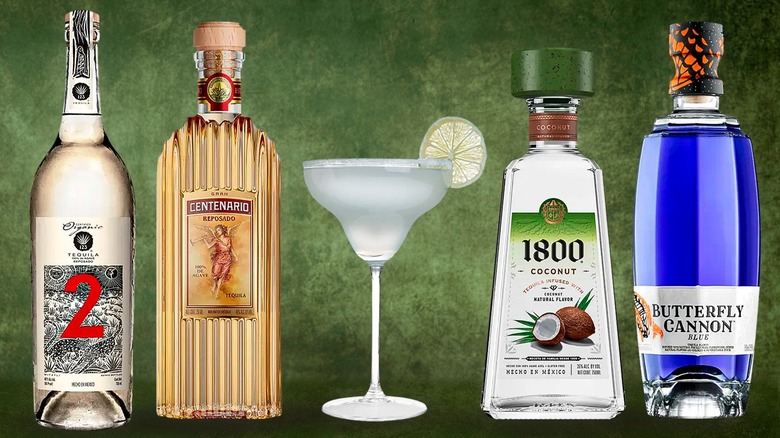
Nothing hits quite like a classic salty lime margarita, but there are too many complementary flavors to ignore. Strawberry, mango, and raspberry are popular hits, but that's just barely scratching the surface. Everyone has their little margarita secrets, like squeezing in some fresh orange juice or even adding a splash of Dr. Pepper. However, the choice of tequila is just as important, even if you don't think you can taste it. When shaking up a flavored margarita (or blitzing it in a blender), you'll want a smooth, well-made tequila that can work with other ingredients when it needs to, without its more pungent tasting notes clashing.
Since they'll be swirled into an adventurous cocktail, these tequilas don't necessarily need as much personality as something you'd sip solo; they just need to complement a bold-flavored margarita. There are a handful of tequila varieties to choose from, but a blanco or reposado is typically the move when crafting a jazzed-up margarita. As a tequila drinker myself and a former full-time, now part-time bartender, I've developed my own set of preferences, but I've found that many tequila fans are on the same page.
To confirm my suspicions, I connected with two of my favorite southern Maine-based bartenders, Nicky Auletta and Ryan Dyer, who both happen to work with margarita-dominant menus. First things first, don't cheap out. All tequila is made from agave, but in order to slap that title on the bottle, it must be made in specific regions of Mexico from more than 50% Blue Weber agave. Any true tequila fan knows that a good tequila is made with 100% agave, and my fellow bartenders agree.
Azteca Azul Plata
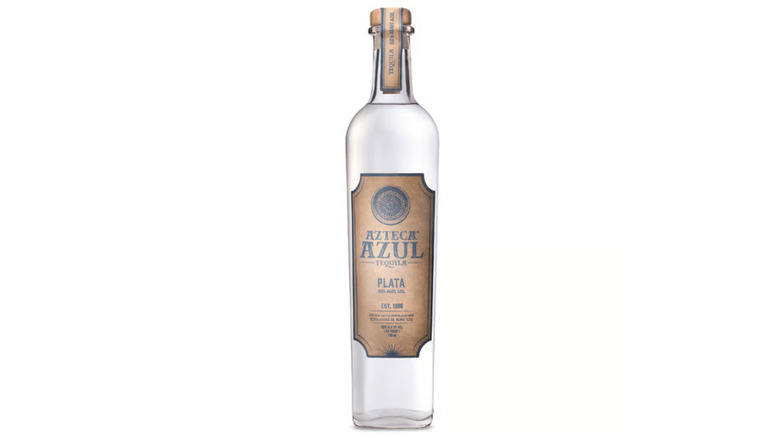
This one had a resounding "yes" across the board as a crowd favorite for mixologists who lean on tequila. From the Tequila Supremo family, this clear tequila has a distinct sweetness that lights up any fruity ingredient. There's a certain tequila for every flavor profile, and Azteca Azul Plata is the one to grab when shaking up something on the sweeter side. It's important to note that it's not cloying in any way but has a smooth, honey-like flavor with notes of vanilla.
Longtime bartender Nicky Auletta reaches for Azteca Azul Plata when making mango margaritas, fawning over how smoothly the vanilla and mango blend together. "The vanilla is already there in the tequila, so everything just harmonizes perfectly," he explains. Ryan Dyer votes for Azteca Azul in a hibiscus margarita, with the agave's toasted sweetness complementing the slight bitterness of the tropical plant. That natural sweetness lets him dial back on the simple syrup, giving the margarita more potent flavors. Plata, often referred to as silver tequila or blanco tequila, isn't aged for as long as a reposado, so it has a notably adaptable finish.
Chamucos Blanco
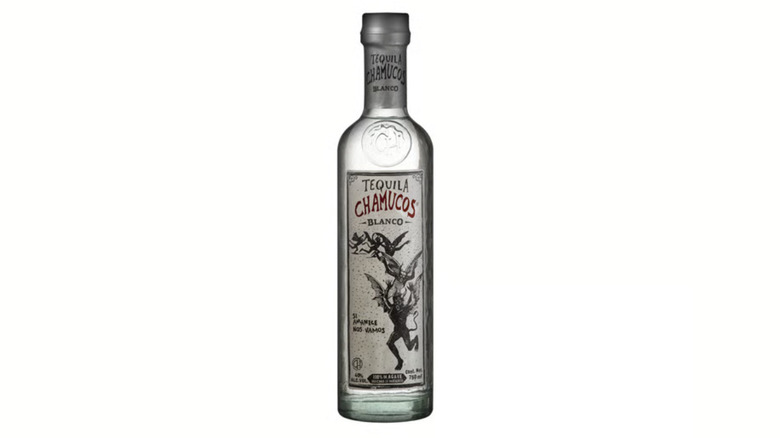
On the opposite end of the spectrum, we have Chamucos tequila, specifically the blanco expression. It leans on the earthy side of tequila, with strong vegetal notes, and has all the botanical flavors that Azul lacks, but with none of the flowery sweetness. First-timers: beware. When drunk neat, Chamucos is herbaceous and powerful, making it a complex sipping tequila for those with a pre-existing passion for the spirit. Blended into a flavorful margarita, it delivers more than just its ABV. Any ingredient can be added to a cocktail, but when the most prominent flavors typically come from the spirit itself, the drink becomes smoother, more refined, and something a true mixologist can proudly serve.
When making cocktails with a neutral alcohol like vodka, the goal is to make the faint taste of the alcohol disappear. With tequila, however, we want that complex profile to shine through. When working with concentrated flavors like watermelon or prickly pear cactus, you need a tequila that can stand up to their dominating flavors without disappearing, and Chamucos does just that. Like Nicky Auletta says, "Most tequilas get lost, but Chamucos has enough pepper and earth to hold its own against those strong flavors."
Butterfly Cannon Blue
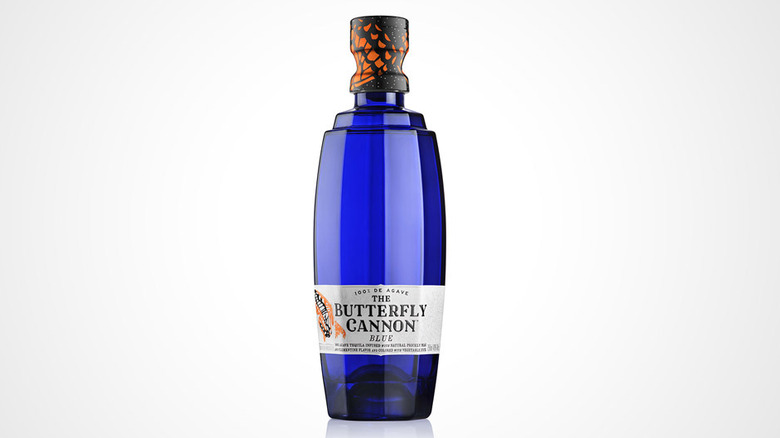
This color-changing tequila is basically a magic trick, which makes it super fun to work with behind the bar. Butterfly Cannon Blue is made in Mexico using traditional methods but infused with clementine peel, prickly pear, and butterfly pea flower. Thankfully, no butterflies were harmed in the making of this tequila. Butterfly pea may sound like a mythical ingredient, but it's really just a plant with beautiful butterfly-shaped petals. The edible flowers have historically been used in medicine and cuisine, but the FDA has officially approved butterfly pea extract as a natural food coloring agent. Its unmistakable bluish-purple color makes it a favorite ingredient behind the bar.
Butterfly Cannon Blue is made by the same geniuses behind Malfy Gin and has the same unique craftsmanship. The tequila, resembling something that might be consumed in "Alice in Wonderland," isn't just gorgeous but incredibly flavorful. Nicky Auletta adores the way it captivates guests but loves what it adds to a margarita even more. "Every time I use Butterfly Cannon in a cocktail, everyone asks what sorcery I'm performing. It's carrying those bright orange notes while bringing that beautiful purple color."
1800 Coconut
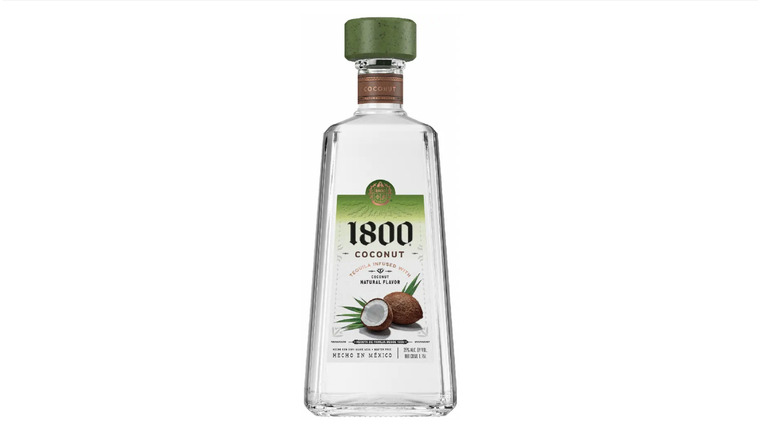
The 1800 Coconut tequila is like the Domino's pizza of the liquor cabinet; adored, but only on very specific occasions. Many flavored spirits get mocked and scoffed at by mixologists who insist on handling their own infusions and working with fresh flavors, but infused liquors have come a long way over the years. Many flavored tequilas are thick, syrupy, and painfully sweet, but 1800 Coconut is perfectly balanced when blended into a margarita, especially a frozen one. Owned by Juan Domingo Beckmann, heir to the Jose Cuervo empire,1800 Tequila is a trusted global favorite. The classic blanco version of 1800 has its recognition printed right on the label — "World's most awarded tequila." That may be true, but the brand's coconut-infused tequila is its winning bottle, at least in my opinion, and that's coming from both a coconut and tequila devotee.
The 100% blue agave tequila is infused with coconut water, rather than coconut meat or coconut cream, so it has a super clean and smooth finish that's more delicate than your average coconut-flavored beverage. Unlike Jose Cuervo, 1800 is made with 100% Weber blue agave. The tropical-inspired tequila is sweet, as expected, but balanced with an ideal mouthfeel. If ever thrown back straight, the viscosity may go down a bit syrupy, but as Nicky Auletta says, "If you're looking for a tropical or frozen margarita, 1800 Coconut is simply the best." 1800's coconut tequila is able to unify with vibrant flavors like fresh strawberry or pineapple without losing any of its coconut essence, making it one of the most exemplary choices for a bold-flavored margarita.
123 Organic
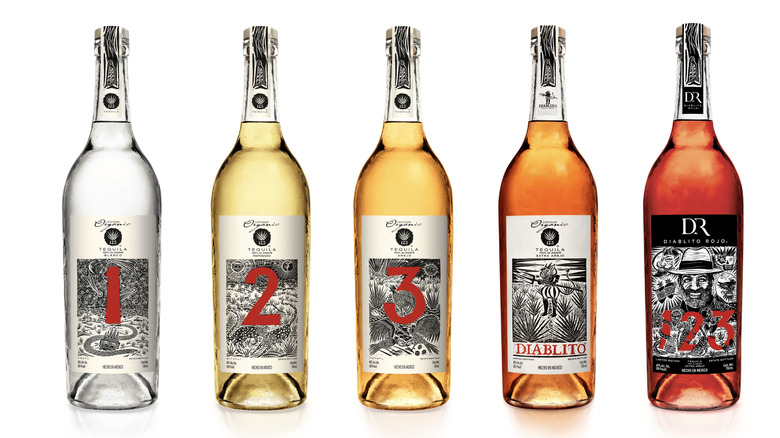
This is a tequila that you can feel good about drinking, and not just because of its smooth sip. If you want to try something groundbreaking, 123 Organic Tequila was one of the first certified organic and biodynamic tequilas. It's been around for a while now, having debuted in 2010, but master distiller David Ravandi was focusing on biodynamic spirits long before it became a trend. Not only is this tequila 100% organic, but Ravandi also employs local tequila maestros. Coming out of Amatitan, Jalisco, the family-run distillery behind 123 is passionate about traditional agave farming. Every expression is represented by a number, and Ryan Dyer gets excited every time a new one is released. There's the Blanco, Reposado, Añejo, "extra" Añejo, and the "Diablito Rojo," a new limited edition blend based on the Añejo.
Each could sparkle in a flavored margarita, but, as usual, a blanco is the ideal choice. It offers a clean, crisp agave flavor without any interference. No interaction with oak means there aren't the spicier, warmer notes we find in other aged tequilas. It provides a neutral yet bright canvas that still adds nuance to the drink while allowing the other flavors to take the lead. Dyer recommends it when purity of flavor is the goal: "When I want the fruit to really be the star, I grab 123. It's clean, it's crisp, and it just gives the drink some backbone."
Ghost Blanco
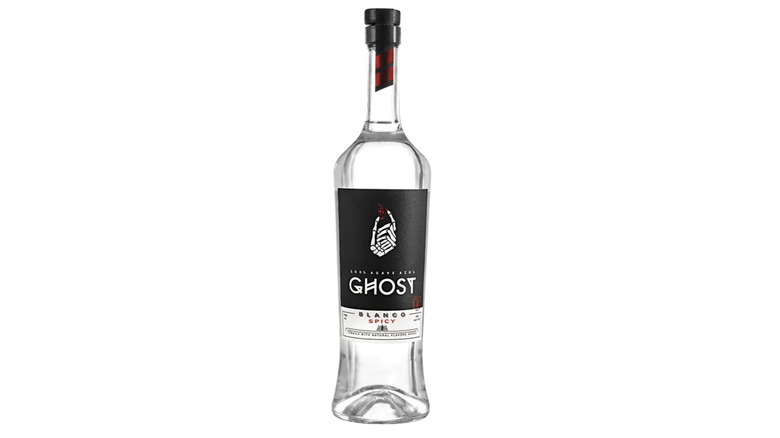
If you don't want to take the time to make your own infusions, Ghost Tequila is an excellent way to speed things up. Aside from being "perfectly spicy" (their literal tagline), Ghost Blanco has a subtle complexity that builds with each sip. With its piquant, 100% blue agave body, this tequila works surprisingly well with floral recipes, such as lavender or elderflower-based drinks. It's equally delicious matched with more herbaceous flavors, leaning into the savory world of cocktails. Spicy margaritas are a top-seller at bars all over the world, and the trend doesn't seem to be slowing down any time soon, so Ghost Tequila is entering the scene just in time.
Ryan Dyer speaks on how much Ghost has impressed bartenders, referring to its unexpected versatility for something as niche as a pepper-infused tequila. Rather than the usual jalapeño or serrano peppers, Ghost Tequila uses — you guessed it — ghost peppers. It's one of the world's spiciest peppers, but the distillers don't overdo it. The blanco delivers just the right amount of peppery zing, balanced by the almost toasted flavor of agave.
Gran Centenario Reposado
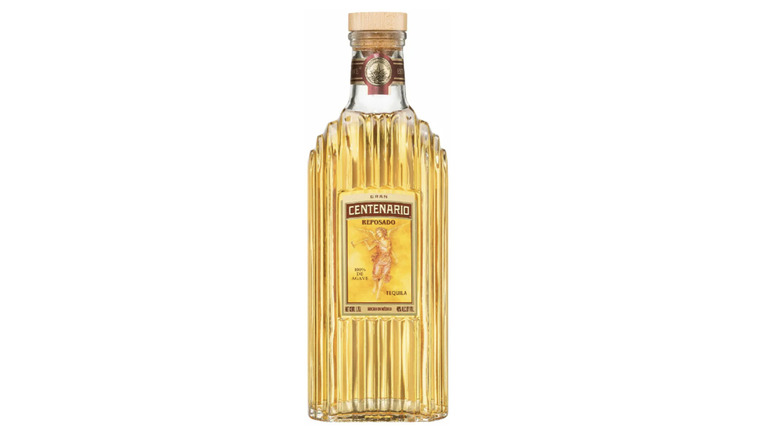
Another favorite of Nicky Auletta, Ryan Dyer, and many tequila-loving bartenders, Gran Centenario is one of Mexico's most respected and accessible tequilas. The reposado specifically ticks every box for a tequila that you don't want to overlook in a cocktail. It's aged in oak barrels, giving it a distinct smokiness with notes of warm caramel, but the agave keeps it from sipping like a whiskey. It has a smoother, more rounded flavor profile when compared to blanco expressions, which don't always succeed in flavored margaritas, but Gran Centenario triumphs.
Subtle oak and vanilla help to round out sharp citrus or bold fruit, while its agave core retains a bright clarity. Despite being very affordable, the tequila maintains a consistent quality that doesn't compromise cocktail integrity. "Gran Centenario is one of those rare tequilas that's both affordable and dependable," notes Dyer, "but what most people don't know is they blend different aged tequilas together, which gives it this really unique flavor profile that works in ways you wouldn't expect."
Not all their bottles are created equal, like the limited-edition Gran Centenario Gallardo, which sells for a whopping $600, but keep that one for sipping on special occasions and grab the reposado for flavored margaritas.
El Tesoro Blanco
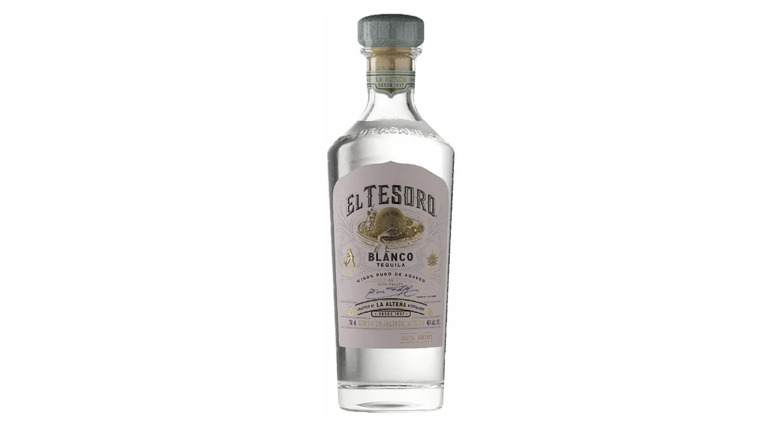
This blanco tequila comes from the Camerena family, who have been distilling tequila using strictly traditional methods for generations. Like any good blanco tequila, El Tesoro's agave-forward bite builds on the palate. Unlike big names such as Cuervo and Patron, El Tesoro is far from mass-produced. The family-run distillery does things the traditional way, creating its spirit in copper pot stills. The delicate minerality can be attributed to the meticulous production process.
Before anything can be fermented, the agave juice needs to be drawn out, and El Tesoro proudly does it the age-old way with a huge volcanic stone known as a tahona. It's used as a tool to break down the agave fibers, producing the tasty golden juice. This blanco shines in flavored margaritas by offering a peppery, fresh agave edge that lifts bright citrus and tropical fruit. Nicky Auletta gives El Tesoro Blanco his stamp of approval: "When you want the agave to actually show up in a fruity margarita, this is the one to reach for."
Lunazul Blanco
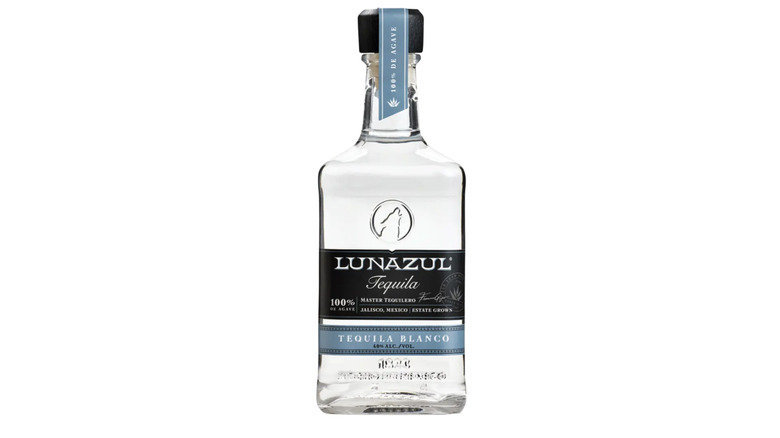
Lunazul is a favorite among bartenders, easily spotted thanks to its sleek, clear bottle and blue label illuminated behind the bar. It's made with 100% Blue Weber agave, of course (as it should be), and punches way above its price point, which is typically below the $20 mark. Initially revered for said affordability, Lunazul quickly became a favorite more for its clean flavor. The unaged tequila has become known for its straightforward agave sharpness and moderate peppery spice. Produced in none other than the Jalisco highlands, the careful distillation pays off.
If you want to experiment with unique flavor combinations, you don't want to splurge on an expensive, special bottle of tequila only to waste it with the wrong additions. The quality-to-price ratio makes this a crowd favorite for any tequila-based cocktail, but its bright, punchy agave notes specifically radiate in a flavored marg. Lunazul Blanco's versatility makes it a common choice for dozens of cocktails, but its ability to warp into any flavor makes it work with every style of margarita.