

Hob Or Cooktop Stove? Here's How To Choose For Your Kitchen
Building a new kitchen is full of decisions. Should you go for modern or vintage cabinets? Is a built-in oven better than a standalone one? Should your countertops be granite, quartz, or something else? Amid all these choices, one key decision stands out for every home cook: whether to install a hob or a cooktop stove. There are two big factors to consider when making this choice: design appeal and functionality. Keeping this in mind, Tasting Table asked two experts to help you make the right call.
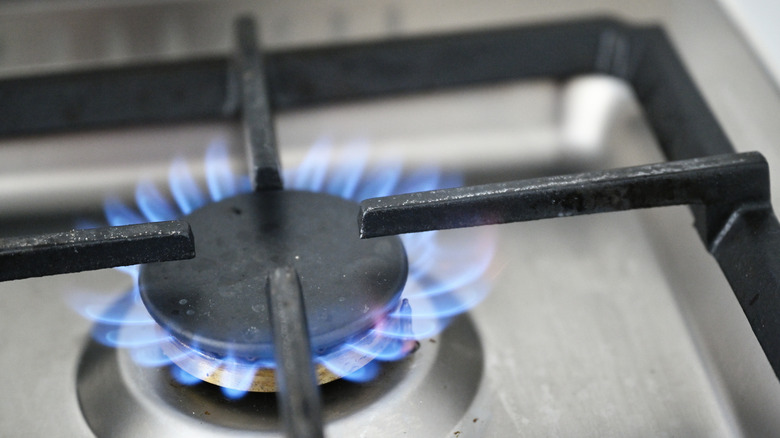
A hob typically refers to a flat, built-in surface, often electric or induction, that seamlessly blends into the countertop. Not only do they look sleek and ultra-modern, they're also really easy to clean and offer precise temperature control once you get used to them. On the other hand, a traditional gas cooktop features visible burners and grates, providing a familiar cooking experience that many home chefs prefer.
Artem Kropovinsky is the Founder & Principal Designer of Arsight Studio, a modern interior design firm. His view is that the choice of cooktop plays a crucial role in defining the kitchen's overall style and atmosphere. "Cooktops make a big impact on the look and feel of the kitchen: gas cooktops look more professional and chef-like, while induction is smooth and contemporary," he said. If your decision were based purely on kitchen aesthetics, choosing could be easy. But that's rarely the case. So let's take a closer look at functionality.
Looking beyond design
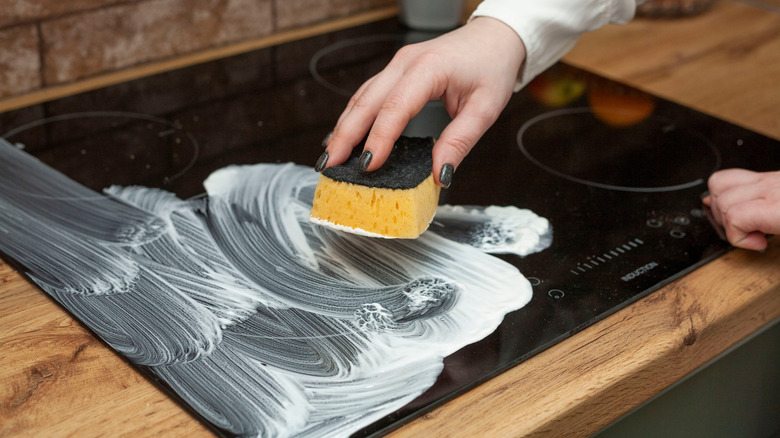
We asked Chef Abbie Gellman, author of the popular cookbook "Make Food That Makes Sense," about the key factors a home cook should consider when choosing between a modern hob and a traditional gas burner. Her response can be grouped into a few broad considerations: ease of cleaning, ease of cooking, long-term investment, heat distribution, and safety.
While emphasizing that a flat-top electric stove offers a sleek appearance and is very easy to clean, Chef Gellman pointed out that it wasn't without drawbacks. "It can take a bit longer to heat up," she said, adding that there was also the matter of extra investment and maintenance. "You do need to make sure you have the correct pots and pans, and it's easier to scratch or crack the surface." Gas burners, on the other hand, are not only preferred by the professionals; they also provide immediate temperature control that home cooks are familiar with. However, Gellman notes that gas stoves can be harder to clean and come with potential safety risks related to gas leaks and carbon monoxide. Not just that, electric hobs are also considered to be the more environmentally friendly option.
In the end, the decision comes down to personal preference. If you're a traditionalist who enjoys the instant control and familiarity of cooking over an open flame, it's probably best to stick with a gas stove. But if you're more flexible and don't mind learning a new playbook — like figuring out how to properly use a cast-iron pan on an electric hob — then a sleek, modern flat-top could be the right choice for your kitchen.