

How To Stop Wasting Fresh Food When You Don't Cook Often
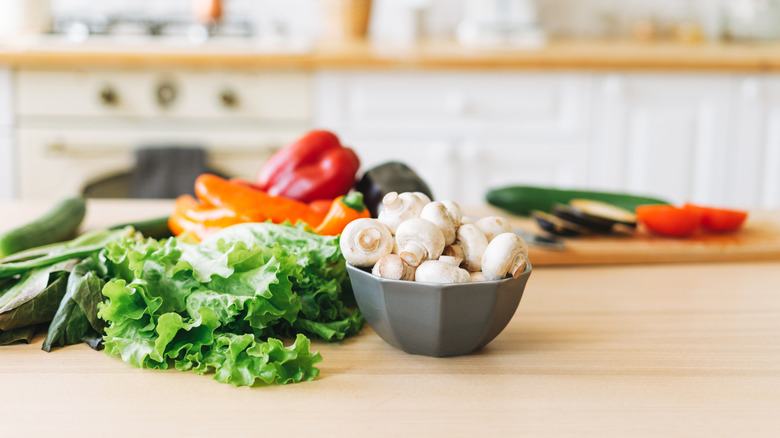
Everybody wants you to cook fresh, and you probably do as well, but for some people, that isn't always in the cards. Maybe you work long hours, maybe you're a student, or maybe you're just too tired to expend extra effort in the kitchen. No matter the reason, you know you should be cooking more fresh homemade meals, so you stock up on ingredients, only to watch them go bad when you don't get around to using them. It's a vicious cycle of waste that can further discourage you from trying to cook. But there's a simple solution that will let you cook when the opportunity arises, without the worry about stocking up on and wasting fresh food. You need to embrace the freezer and the can.
There is a tendency to dismiss frozen and canned food as less worthy than fresh ingredients, but that is far from the truth. It's not that there is no downside to preserved food, but the flexibility you get from it is incredibly helpful in reducing waste, and you can still make plenty of healthy and delicious home-cooked meals. From a nutritional standpoint, both canned and frozen vegetables can be every bit as good for you as fresh. That's because preserved produce is often packaged straight from the field at the height of its freshness, which protects its vitamins and minerals at their peak. So you aren't doing your body a disservice in any way by making a side of frozen spinach.
Frozen and canned ingredients help you cook when you can without waste
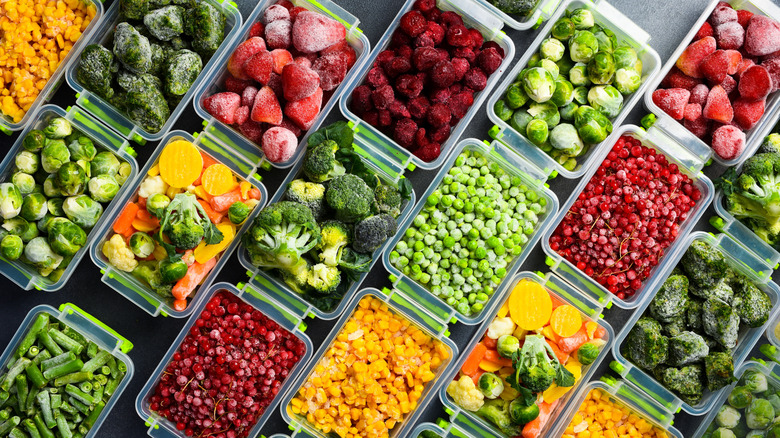
Preserving food through freezing or canning doesn't just protect nutrients; it can actually preserve taste better as well, and in some cases, the preserved versions of certain foods are actually superior to the fresh version you get at a grocery store. The best example is canned tomatoes. They have a short season of peak ripeness, and good local tomatoes aren't available in many places. Canned tomatoes, however, get packed when their flavor is at its best, and they will last on your shelf for months.
On the frozen side, peas, corn, and broccoli are all great options for stocking your fridge, and make quick and convenient sides. For protein, frozen shrimp are almost always better than "fresh shrimp" you get at a supermarket seafood counter. Ground beef and chicken thighs or breasts can also be frozen with minimal loss in quality.
The main downside to frozen and canned food isn't nutrition or taste, it's texture. Canned produce is often preserved in water or a brine, which will leave it soggy. Meat, seafood, and produce that is frozen can have its texture damaged because freezing expands the water molecules in your food, which ruptures the cell walls. This is why frozen food can have a more mushy or mealy feel to it. But while the loss of texture isn't ideal, you can easily work around it by picking the right recipes and learning how to freeze things properly.
Lots of recipes can play to strengths of preserved meat and produce
While lots of produce will come pre-frozen for you to stock up on, you may want to freeze your own meat, especially when it's on sale. To avoid freezer burn and too much damage to the texture, you need to minimize the surface area exposed to the air. This is best done with a freezer-safe plastic bag, or ideally a vacuum sealer if you have one. It also helps to double up by wrapping meat tightly in plastic wrap, then putting it in a bag, or wrapping it in wax paper.
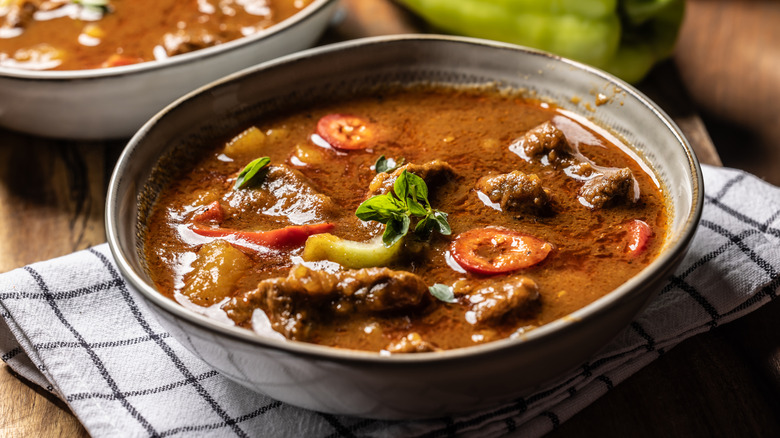
With well-protected meat and frozen or canned vegetables, you can create plenty of delicious meals. Soups, stews, and casseroles are ideal because you won't notice the loss in texture quality as much. A frozen slice of beef won't make the best grilled steak, but it will still make a pretty excellent beef stew. Frozen and canned ingredients are particularly useful in combination with another modern convenience: the slow cooker. Braised beef, pulled pork, and vegetable curries are all excellent slow-cooker recipes that make great use of preserved ingredients. And don't sleep on pasta either, as these ingredients can make great sauces. Frozen peas, broccoli, and bell peppers can easily be transformed into a fresh and green pasta primavera, or ground beef into Bolognese. These are the kind of dinners that are so easy and tasty, you'll want to make them even when you have plenty of time.