

9 Ways To Add Protein To Your Pumpkin Bread
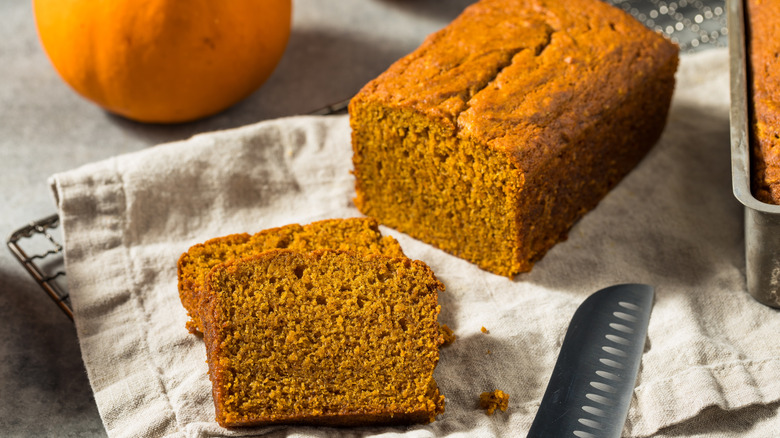
If you're anything like us, you make pumpkin bread year-round. It's not something we wait until autumn for, but that certainly seems to be the popular choice. No matter when you decide to make a scrumptious batch of the orange-hued loaf, you should be aware of the biggest mistakes to avoid to get the perfect results: Don't overmix and don't overbake. Whether you make the baked good once a year or create it all the time, you may be looking for ways to mix things up. And we'd like to suggest bumping up the protein as a not-so-popular method.
Now, there are several proteins and even protein combinations to use, but given that baking is a science, we highly recommend following a designated recipe that has one or more of these options. Unless you're a highly experienced baker or a recipe developer yourself, you don't necessarily want to just randomly swap ingredients. But don't worry, there are plenty of recipes to pick from with a quick search. We'll dive into each protein, what it offers, and why it makes it a satisfactory choice for your next pumpkin-y delight. Just a note: We will share how much protein one serving of each product offers as context, but this will likely not be reflected in a single portion of pumpkin bread (as you are not usually eating one serving of the protein in each slice that you have). Okay, now that we got that out of the way: Gourd big or gourd home, with protein, that is.
1. Bring a boost with a cottage cheese addition
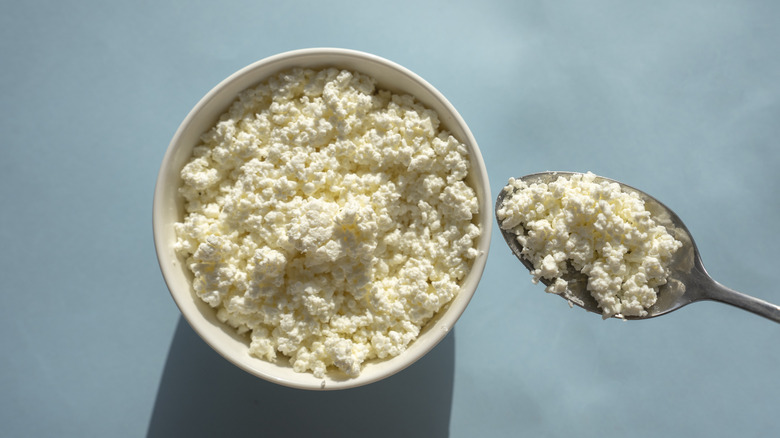
To be fair, we're going to cover several dairy and animal-based options in this article, as they tend to contain a decent amount of protein. We'll start with something slightly unexpected, though: cottage cheese. Some people may be put off by the lumpiness when eating a bowl of cottage cheese, but they are totally disguised once incorporated into the bread. It doesn't need any special steps either. It simply gets added among the other wet ingredients, such as pumpkin purée, egg, and vanilla. This dairy addition brings moisture into the mix but also helps with the overall consistency of the loaf.
Yes, you will see the cottage cheese lumps in your final batter, but don't fear; it blends seamlessly into the final baked good. You won't notice any chunks upon slicing it and taking that first fluffy bite. There are many ways to incorporate this protein into your batter, like combining it with other picks, such as protein powder or chopped nuts, for added gains.
2. Use a high-protein milk

One cup of whole milk, on average, has 8 grams of protein. That's not bad at all as far as protein goes. You could absolutely use that as your liquid base for a protein-enhanced pumpkin bread, but we want to take it a step further. Try out a designated protein milk; this is usually marketed and clearly noted on the packaging that it has a higher amount of protein. Brands like Fairlife use a filtering process that keeps the protein and calcium content while filtering out the sugar. One cup of milk has 13 grams of protein, which is a considerable leap compared to 8 grams.
Lactaid has a similar product with the same amount of protein. If you want a dairy-free option, you can find protein-rich options, too, just not as high in protein as the dairy ones. Take a look at the milk aisle to see what you can find. If your recipe calls for milk, any of the protein milks make a simple swap. The milk still offers the same consistency and decadence as regular milk, so just follow your recipe as directed.
3. Top it with pumpkin seeds
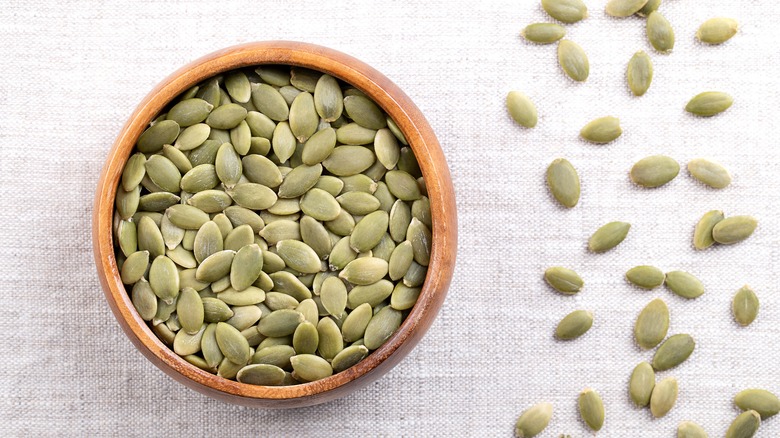
Pumpkin seeds, also called pepitas, are a pretty easy way to give your baked good a touch of protein. The seeds are convenient since you need only sprinkle them on top of your loaf before placing it in the oven — no stirring or chopping required. You can use dry-roasted seeds if you have them, but raw ones work too, since they will toast up while baking in the oven. The average ¼ cup serving has 11 grams of protein.
For a show-stopping topper, mix the seeds with melted butter and sugar, and then pour the liquid concoction over the unbaked loaf. As it bakes, it will create a caramelized layer that will leave everyone wanting more (until the loaf is inevitably devoured in its entirety). The seeds are an easy add-on because you can just follow any recipe as usual and sprinkle them on top. You don't have to find a specific seeded recipe for it since it doesn't mess with the batter. After baking, cut yourself a piece, spread on your favorite nut butter, and add another sprinkle of pumpkin seeds before devouring.
4. Add a scoop or two of protein powder
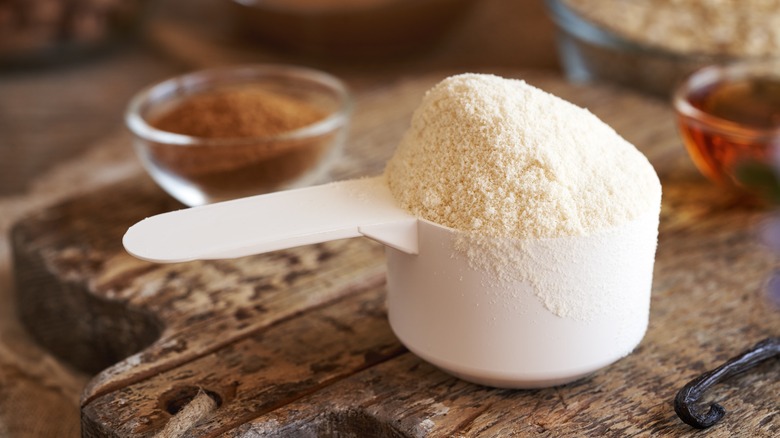
We love protein powder because of its versatility, and yet, we seem to use it most frequently in beverages (coffee, smoothies, you get the drill). But you can easily incorporate the powder into your pumpkin bread. You can find many recipes with this ingredient, yes, even gluten-free ones. It also works with other protein ingredients, such as Greek yogurt or whole wheat flour, to create a thoroughly enhanced baked good when you want something with added nutrients. The protein powder gets mixed into your dry ingredients, so you won't notice it once it's in there.
Although there are plenty of store-bought protein powders that taste good, with flavors like pancakes and syrup and sour watermelon, let's not stray too far from the plot here. Unflavored or vanilla protein powder will be the easiest to incorporate, as the flavors work well with everything else already in the loaf. But a pumpkin-flavored one is a no-brainer, too. You can find recipes using whey or even a pea protein powder to give you options. Protein powders will have varying amounts of protein and serving sizes, but an example is 20 grams of protein for 33 grams of powder.
5. Incorporate collagen peptides into the dry ingredients
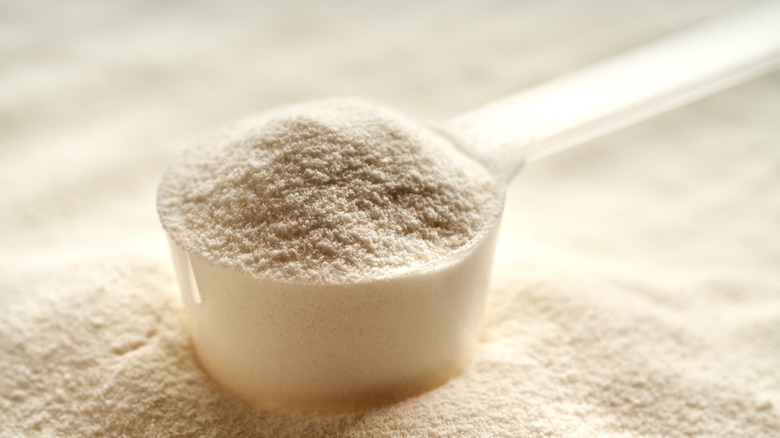
Although similar to protein powder in that they're both protein supplements, collagen peptides receive their own spot on this list. Overall, they have different health benefits, and collagen is more associated with connective tissue, hair, and joints. You may have one powder or the other in your pantry based on your personal needs, but if you're like us, you may have both stocked at home.
Luckily, though, you can incorporate it in your pumpkin bread the same as you would protein powder. It goes in among the rest of the dry ingredients. It doesn't offer any flavor (specifically unflavored powders, which are recommended for pumpkin loaves); it's purely there for the protein factor. Like protein powder, brands will offer a range of protein content and serving sizes, but generally, you can expect 10 grams of protein per 10-gram serving. If your recipe calls for milk, then you can boost the protein with collagen and a protein milk.
6. Try using a different flour other than white
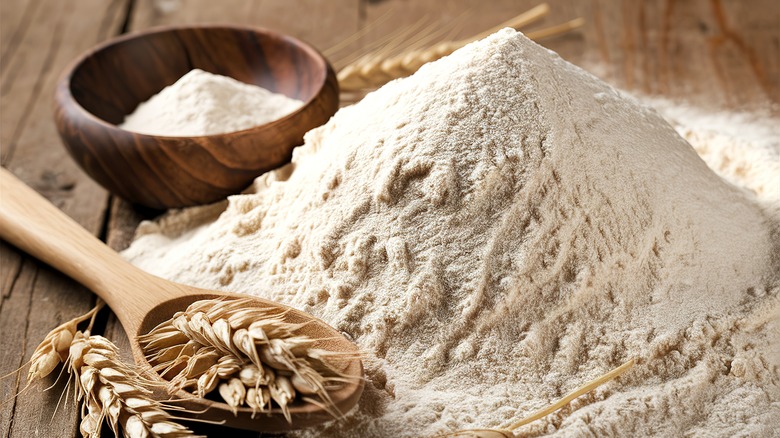
If you scour the internet, you are sure to find some protein-enhanced pumpkin bread recipes that use alternative flour other than your standard bleached white version. This is an excellent way to incorporate more protein without going with more unconventional options like cottage cheese or collagen. Whole wheat flour is a wonderful place to start if you prefer a more classic recipe that remains moist and airy. A whole wheat stone-ground flour has 7 grams of protein in a ¼-cup serving compared to 3 grams in white flour.
This really adds up when you consider that an average recipe calls for 1 cup of flour. Some recipes contain Greek yogurt, which only adds to the total protein content (and moisture level). The pumpkin and added spices provide plenty of flavor, so you don't have to worry about it tasting all that different than white flour. In our research, though, we found a variety of options, whether you want something gluten-free or not. Try an oat flour base if you want to omit gluten, which has 1 gram more (4 grams total) of protein per ¼ cup serving. Almond flour has 4 grams in each 2-tablespoon serving. Which option you use is totally up to you.
7. Consider using Greek yogurt
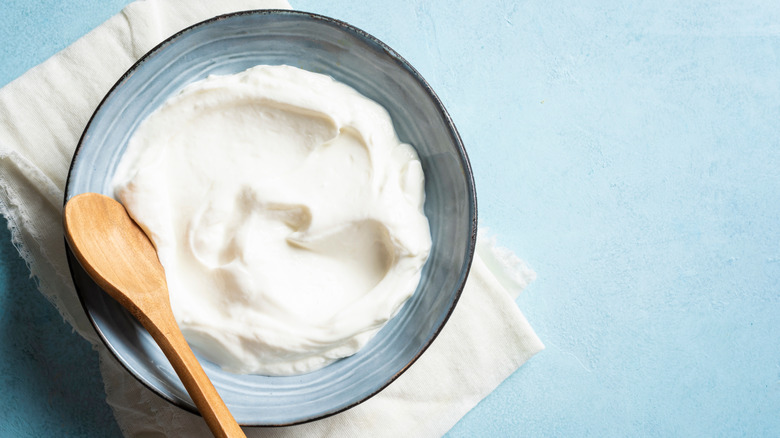
Blending in Greek yogurt isn't a new concept for baked goods. It's one of three ingredients for quickie bagels, and it's the secret ingredient to more flavorful biscuits. So, that's to say you'll find plenty of ways to use that tub of yogurt in your fridge, pumpkin bread included. We've mentioned it in passing, noting that it works well with other protein-loaded items like whole wheat flour or protein powder, but it's time to talk about why it works so well.
The yogurt acts as the wet ingredient, along with eggs, to serve as the glue that keeps the batter together. The yogurt provides a moist and soft final result that you'll lick your fingers over, while also offering around 17 grams of protein for a ⅔-cup serving. If you're not a big fan of the tanginess associated with Greek yogurt, you could use a high-protein yogurt or protein vanilla yogurt instead. This is a simple way to find yet another use for the dairy item.
8. Stir in some almond butter
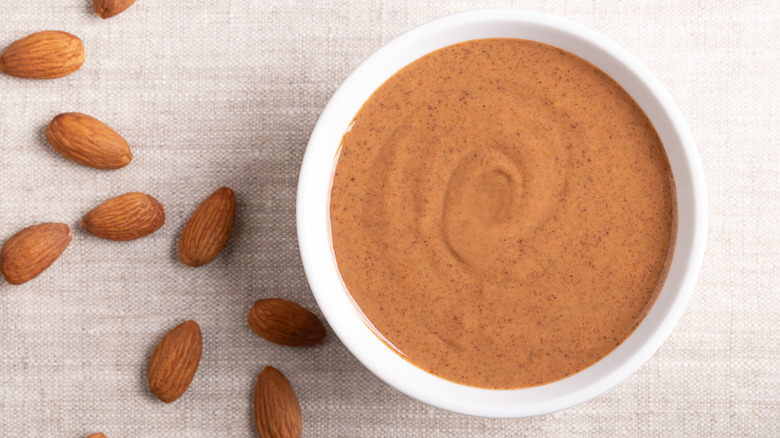
Peanut butter is the all-star nut butter out there. After all, there's a reason we call it a "PB&J" sandwich and not an "AB&J." Even so, other non-peanut nut butters have grown in popularity over the years. Today, we want to make a case for employing almond butter in your pumpkin bread. It offers a bit of protein (7 grams in each serving of 2 tablespoons) without completely overthrowing the flavor of the batter, like peanut butter would.
Almond butter offers an unbeatable creaminess and moisture to your loaf. And while there are plenty of terrific almond butter brands out there, make sure to stick with unsalted creamy butter. A salted one may mess with the overall taste of your final result, making it saltier than anticipated. And then a crunchy nut butter, while not terrible, will impart those crunchy particles into your batter. Certain recipes lean further into the nutty territory by calling for 1 cup of the stuff, while others only use a couple of tablespoons.
9. Give it a flavor and protein boost post-baking
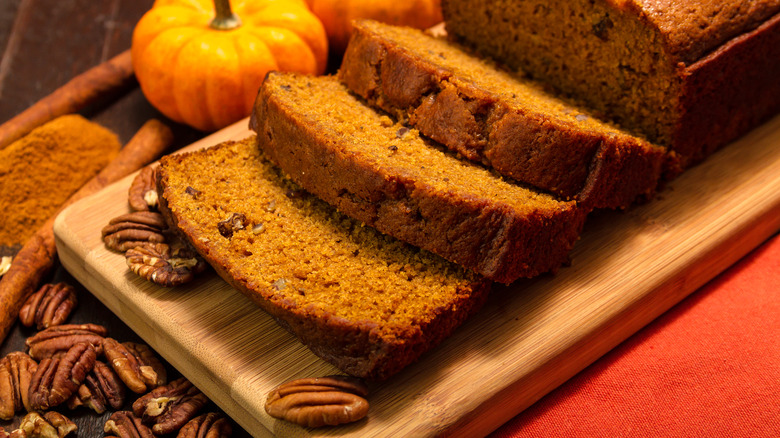
One of the easiest ways to incorporate some protein in your pumpkin bread is by giving it some toppings after it's already baked. This allows each person to customize it to their liking without dedicating a whole loaf to a particular topping or flavor profile. There are plenty of ingredients with more protein than you may realize, so these are some ideas to give your loaf a little boost. Plate yourself a slice, and then it's time to get creative.
Peanut butter is a staple that you probably already have stocked in your pantry; spread a bit on a slice of warm pumpkin bread. Two tablespoons will get you 7 grams of protein. But you can try something different if you're up for it: Opt for a drizzle of tahini for a sesame enhancement; this pick will have 3 grams of protein in 1 tablespoon. Or try mashing your favorite berry, like strawberry or blueberry, with chia seeds for a jam-like condiment. One ounce of chia seeds has 4.7 grams of protein to give you added nutrients. Or you could always slather on some protein cream cheese, which can have 3 grams of protein for every 2-tablespoon serving.