

The Right Way To Rinse Rice, According To Japanese Tradition
We may receive a commission on purchases made from links.
Washing rice might seem like a simple step, but in Japanese tradition, it's a ritual that significantly affects the flavor, texture, and overall quality of the final dish. Whether you're preparing sushi rice, steamed rice for a bento box, or boiling it for a balanced rice bowl, properly washed rice is the key to success. In Japan, this process is known as togi (loosely translated as polishing the rice), and it emphasizes care, patience, and attention to detail.
Once the rice is measured out, the initial rinse is crucial — this is where water quality matters most. The first rinse water quickly absorbs surface starch and any impurities, so Japanese chefs advise using high-quality, filtered water for this step. Immediately after adding water to the rice, swirl it briefly with your hand, then drain it as quickly as possible. Leaving the rice to sit in that starchy first water can result in unpleasant odors and stickiness. Repeat the rinsing process two to three more times, gently scrubbing the rice between your fingers. Don't overdo it though — aggressive washing can damage the rice grains. The goal is to leave just enough starch to maintain the rice's signature stickiness, without making it gummy or overly soft.
Soak then cook for the perfect texture
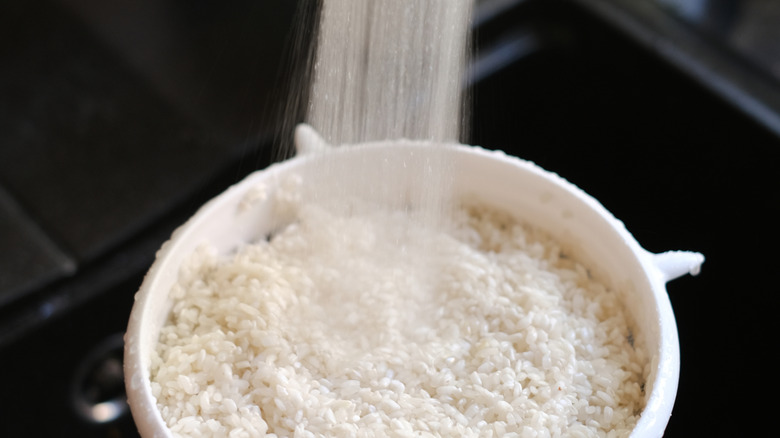
After rinsing, the rice should be soaked, allowing the water to slowly penetrate the center of each grain, ensuring even cooking and a tender, fluffy texture. Japanese tradition calls for soaking rinsed rice for at least 30 minutes at room temperature. In colder seasons, soaking for up to an hour is common. This step gives the rice its ideal shikkari (firm but tender) bite, a trait highly prized in Japanese cooking.
Once the rice is adequately soaked, drain and proceed to cook it using your preferred method. Most Japanese homes rely on electric rice cookers for convenience and consistency (we like this GreenLife digital rice cooker for under $50). However, stovetop methods are equally valid, provided that the rice is cooked with the correct water ratio — typically 1:1.1 to 1.2 (rice to water) for short-grain Japanese varieties. Allow the rice to rest for 10 to 15 minutes after cooking with the lid on to let the moisture redistribute evenly.
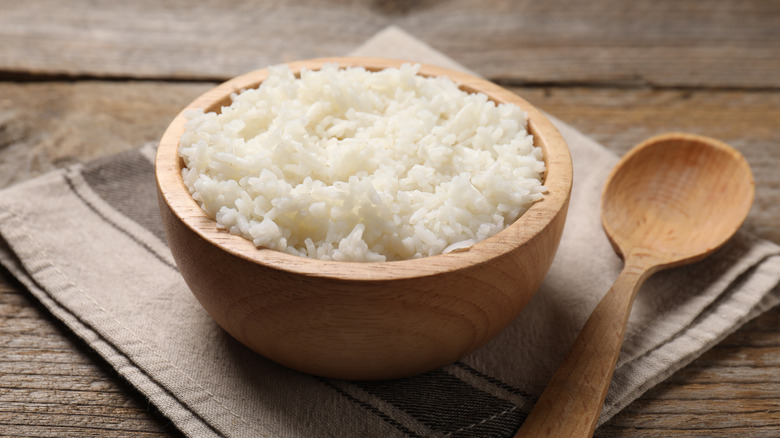
Finally, fluff the rice gently with a shamoji (rice paddle) stirring it from the bottom up with big strokes. This prevents the grains from becoming mushy while also releasing excess steam. These silicon rice paddles on Amazon would do the job well. Also, when cooking rice in an electric cooker, the bottom can cook softer than the top, so a thorough mix balances out the texture and flavor. Properly washed and cooked rice should appear glossy, lightly sticky, and slightly firm to the bite — a perfect base for any Japanese meal.
By respecting these traditional Japanese steps — measuring, rinsing thoughtfully, soaking patiently, and cooking precisely — you'll transform ordinary rice into something truly special.