

Should You Really Leave Your Microwave Plugged In When You're Not Using It?
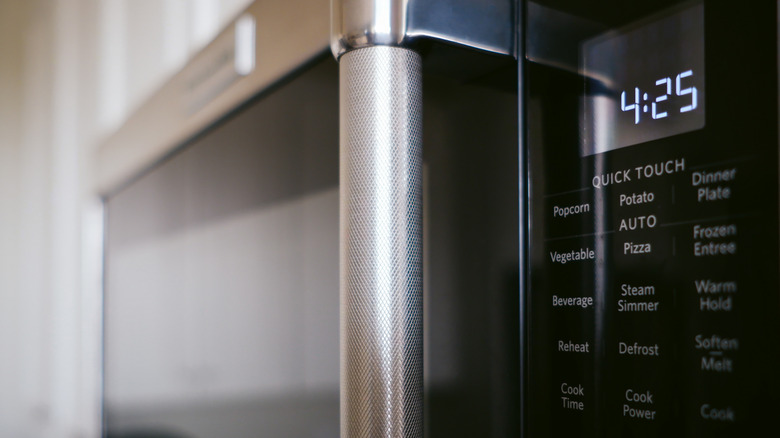
It glows quietly on the counter, ticking away the minutes and waiting for your next reheat. That steady blue clock and soft relay click are small reminders that this appliance is doing something even when it's idle. The real question is whether that something is reason enough to pull the plug between popcorn nights — or if there's a smarter middle ground.
One argument for unplugging is phantom or standby power. Not unlike why you should unplug your toaster, many devices sneak electricity even when they're off. Government energy experts note that this standby draw adds up across a home and suggest reducing it where practical by unplugging, using advanced power strips, or choosing efficient models. Microwaves are among the products that can draw power for displays and ready-to-start electronics. Safety is another reason. Consumer safety bodies and electricians' groups have long recommended unplugging small appliances when they're not in use, especially before cleaning, to prevent shocks, accidental activation, or issues with damaged switches. That guidance applies broadly to countertop gear with heating elements and moving parts; a microwave fits that description perfectly.
Lastly, surge protection may be a reason to consider unplugging your microwave when not in use. During thunderstorms, direct or nearby lightning can send damaging spikes through household wiring. Consumer Reports suggests that the simplest protection is physical disconnection (unplugging) before the storm arrives. If you live where lightning is common or your wiring is older, proactively unplugging sensitive appliances that you don't need at that moment is a conservative, cost-free hedge.
The mainstream suggestion? Employ both smartly
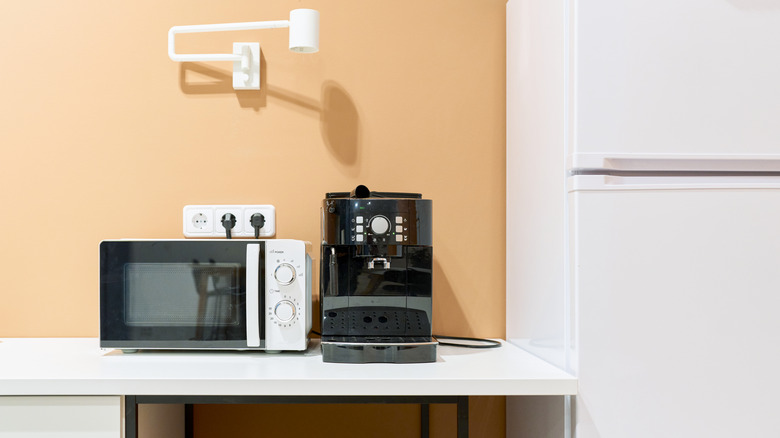
For day-to-day life, the mainstream advice isn't that you must unplug your microwave. Modern standards have pushed standby use down substantially, and energy-efficient kitchen appliances are more popular than ever. Advocacy and policy groups point out that typical microwaves' standby caps were tightened to around 1 watt in recent efficiency rules, meaning the yearly cost of leaving a newer unit plugged in is modest for many households. In other words, energy savings from unplugging a recent microwave may be small compared with bigger home loads.
Manufacturers, meanwhile, focus on how you plug in, not on constant unplugging. They advise plugging the microwave directly into a properly grounded, dedicated outlet (no extension cords or adapters) and relying on built-in power-save modes when available. If you do want to minimize idle draw without daily cord gymnastics, a smart switch or controlled outlet that cuts power after use meets the safety guidance while keeping the appliance on its own circuit.
So, what's sensible? Leave it plugged in during normal use, and unplug it in specific scenarios like if you'll be away for an extended period, during approaching thunderstorms, when cleaning or servicing, or if the outlet/cord shows wear. If your goal is trimming bills, prioritize larger standby hogs first and use energy-saver tactics across the home, then decide whether the marginal gain from unplugging the microwave is worth the routine. This pragmatic approach reflects the consensus among energy and safety experts today: reduce standby where it meaningfully helps, protect against surges and hazards, and follow manufacturer wiring guidance.