

15 Tempting Reasons To Go Vegan
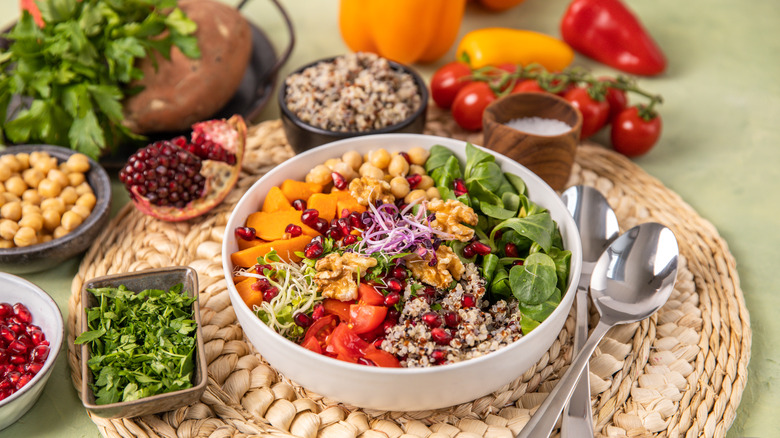
Your mom always told you to eat your fruit and veggies, but how important is it really to reach that goal of six servings a day? Few Americans, one in 10 according to the CDC, are regularly getting enough fruits and veggies into their diets, and it's having a disastrous effect on both human health and our planet. The quick solution: Go vegan. Before you hit me with, "I would be vegan but I can't give up bacon and cheese," I have an insight for you: you are a sentient individual and you can do whatever you want. If you'd like to eat a mostly vegan diet but still enjoy bacon and cheese, then that's your journey to take without judgment. In fact, there are so many people going "mostly vegan" that they have a name for it: flexitarian. And guess what, going 80% or 90% plant-based will benefit your health, the planet, and farmed animals. In addition, there are so many other tempting reasons to go vegan (or mostly vegan) that curiosity might just take over.
As a former meat-lover turned plant-based chef and recipe designer with a Cornell certification in Plant Based Nutrition, I know that change is possible but doesn't happen overnight. Go day by day, and you may just find that vegans aren't so exclusive and aggressive, and will likely support your journey, even if you're not jumping in cold tofurkey. Approach your new diet by calling it "flexitarian" and do your best to load up that plate with fruits, vegetables, legumes, nuts, seeds, and mushrooms.
1. Save on groceries
With grocery prices skyrocketing, it's tempting to just order takeout every night. Oh wait, that's expensive too. If your goal is to cut down on food costs, there are three steps you can take. The first one is to always shop with a list, and stick to that list. The second is to make most of your meals from scratch and avoid processed and pre-made foods. And lastly, reduce the amount of animal products you are purchasing.
Think about it, what's a cheaper protein for tacos: steak, chicken, pulled pork, or a can of black beans? Yes, you could buy low-grade cheap meats ... but proceed at your own risk. Cheese prices, especially good cheese (and if you're a foodie than that's likely all you buy), have always been an abomination. And even though meat and dairy products are subsidized, lentils are still cheaper! Even going vegetarian could actually save you quite a bit on groceries. Consider the prices of zucchini, onions, sweet potatoes, mushrooms, chickpeas, winter squash, and corn. Go ahead and fill that cart to the brim.
2. Avoid eating surprise animal-based foods

As someone who's interested in food and conscious of what they consume, I don't love surprise ingredients in my meals. If I can't pronounce it on the label, then it's worth a quick Google search. You'd be surprised, and possibly disgusted at the ingredients that end up in your processed food products. In fact, many foods that seem vegan, (and should be) aren't.
Candies are one of the biggest offenders with ingredients like shellac, which is made from the secretion of a lac bug and gelatin, a substance derived from boiled animal parts, including ligaments, tendons, or skin — mostly of pigs and cows. In addition, most dyed red foods have ingredients like carmine, cochineal, or additive number 120, which all come from insects. Bread conditioner (found in store-bought bread) sometimes contains a substance called "L-cysteine" that can be made from duck feathers, hog hair, but most commonly human hair follicles. Yes, you read that right. And that's just the tip of the iceberg, so I for one, prefer to stick to ingredients I know, or look for that vegan label stamped on the outside of the box.
3. Reduce your chances of heart disease
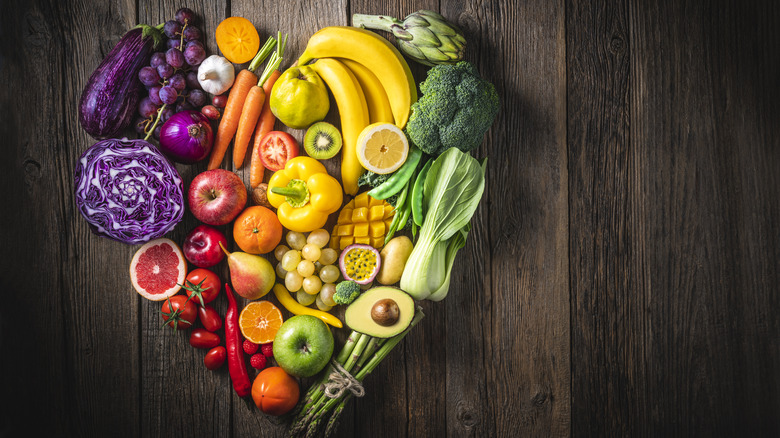
We all know that eating steak and fried chicken can be horrible for your cardiac functions. It's the saturated fats in meat that are the biggest offenders, as well as the cholesterol, high sodium content, digestive enzymes, and a lack of fiber. Yes, bacon is delicious, but enjoying it in moderation or eliminating it altogether might just save your life. Studies show that just eating just 1.1 servings of red meat per day increases your risk of cardiovascular disease by 22%, per the American Heart Association.
In addition, adding more plants to your plate increases the amount of fiber you ingest, which has a positive association with reducing bad cholesterol and reducing the chance of heart disease, per Harvard Health. If you think about it, what would you eat before game day? It wouldn't be a steak or burger, but instead fiber filled whole carbohydrates, high antioxidant foods, and digestible proteins like beans and nuts. Your body knows what it needs, and it's time you listen.
4. Contribute less to global climate change
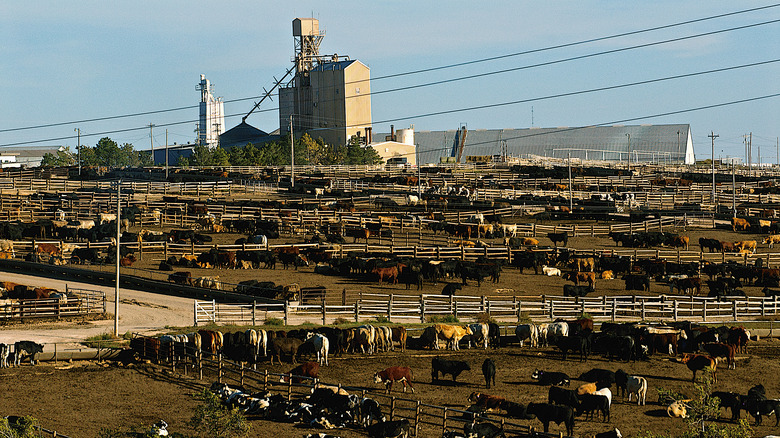
It's been debated but the facts are in, the meat and dairy industries contribute exponentially to greenhouse gas emission. Animal agriculture requires exorbitant amounts of water and feed, and then additional water to grow crops to feed the animals. Animals produce a great deal of methane, forests are cut down to farm animals and to grow animal feed, and runoff from these factory farms are toxic to the local water supplies.
The standard American diet for just one individual per year produces just about 2,000 kilograms of greenhouse gas emissions. By participating in a Meatless Monday, you can decrease this figure by about 400 kilograms, per Science Direct. Bump that number even further down to 740 kilograms by eating a mostly plant-based diet. So, before you feel discouraged about the impact just one person can make, a reduction of 1,260 kilograms of greenhouse gas emissions per year is nothing to scoff at. In just 10 years of eating a more plant-forward diet, you could reduce your greenhouse gas emissions by 12,600 kilograms. Now, that's worth cutting out animal products for.
5. Your religion might support it

There are several religions that are overtly vegan. For instance, Jainism teaches veganism, and Buddhism strongly discourages eating animals, as they practice non-violence towards all living beings. Others encourage vegetarianism like Sikhism and Hinduism, and others have specific rules around certain types of meats, or how they are processed, like Judaism and Muslim practices.
Across the board, religions encourage the fair treatment of living beings. Kindness is at the core, and while most religions do allow the consumption of meat, it would be unlikely that any religious profits, messiahs, or founders would find factory farming to be a noble practice. Even the Bible states in Proverbs 12:10, "A righteous man cares for the needs of his animal, but the kindest acts of the wicked are cruel." Practitioners of religion might discover that the values of their religion align beautifully with veganism, vegetarianism, or a mostly plant-based diet, and it might just bring them closer to their faith.
6. No more temping and bleaching

Cooking with meat often requires thermometers to get the job done safely. Salmonella, E. coli, and other contaminants are found in raw meat, so it's essential you cook it enough to kill those bacteria with bleach or other strong chemicals. You'll also want to prevent any raw meat from touching any surfaces that can't be bleached. Oh, and you have to stay on top of which utensils you've touched raw meat with to avoid cross-contamination. But don't wash chicken before cooking it because your sink will become a petri dish of deadly bacteria. Honestly, the whole production is rather tiring and time consuming.
Of course, you'll still want to wash your fruits and vegetables before cooking with them, and there is always the chance of cross-contamination if you've had raw meat in the house. But generally speaking, it's a lot safer to stick to a meat-free kitchen. Honestly, the convenience factor alone makes it worth it.
7. Enjoy a healthier gut
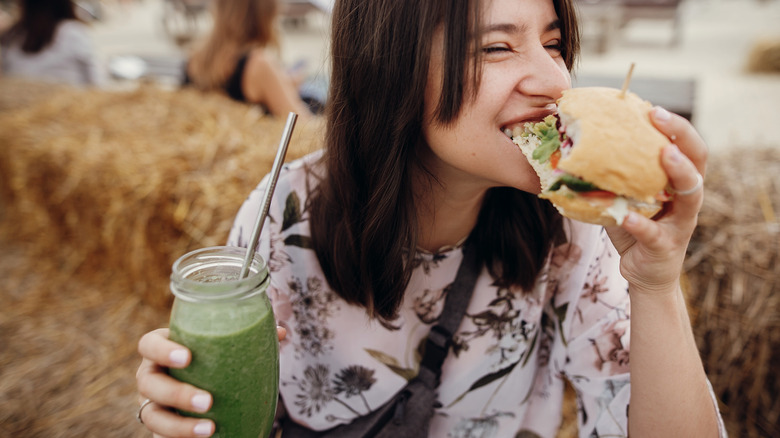
Only 5% of Americans get enough fiber. That's so sad, no wonder everyone is taking laxatives and loading up on fiber drinks. Meat contains zero fiber. All plants contain fiber. It's that simple. Fiber is an essential carbohydrate that performs a myriad of functions, but at its most basic it regulates your digestive system, and slows the introduction of glucose into the bloodstream, preventing spikes.
Good gut bacteria feed on fiber to maintain a healthy balance. A healthy gut not only keep things moving (wink, wink), but also affects the rest of your body. Did you know that the state of your gut microbiome is directly related to your heart health, and even your mental health? Texas Tech University published a study that links gut health to anxiety, depression, schizophrenia, and the list goes on and on. High fiber foods to complement any diet are always plant-based, so let's try to hit all 6 servings in order to keep that gut in tip top shape.
8. Boost your immunity
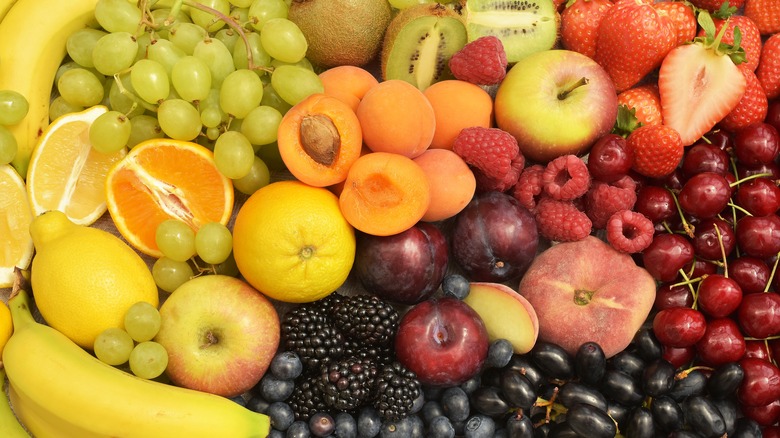
Doesn't it seem like you're always sick? If you have kids, if you work in-person, if you go to the gym, if it's winter, if you travel, if you've been getting bad sleep ... then it's likely you have some Emergen-C or Airborne stashed somewhere in your medicine cabinet. Well, you don't necessarily need to purchase supplements if you're getting the proper nutrients. Plants, especially fruits are loaded with vitamin C and other nutrients that help your immune system to function properly.
An unexpected food that adds more vitamin C to your diet includes bell peppers, which contain more than your full daily supply of vitamin C per pepper. Slice one up, dip it in hummus or dressing, and enjoy the benefits of a boosted immune system. Leafy greens like parsley, mustard greens, and kale are superfood powerhouses that not only have a significant prevalence of vitamin C, but are also loaded with other essential nutrients that boost immunity like A and B vitamins. Mushrooms are another food to enjoy during flu season, as they provide vitamins D, B6, and selenium.
9. Expand your palate
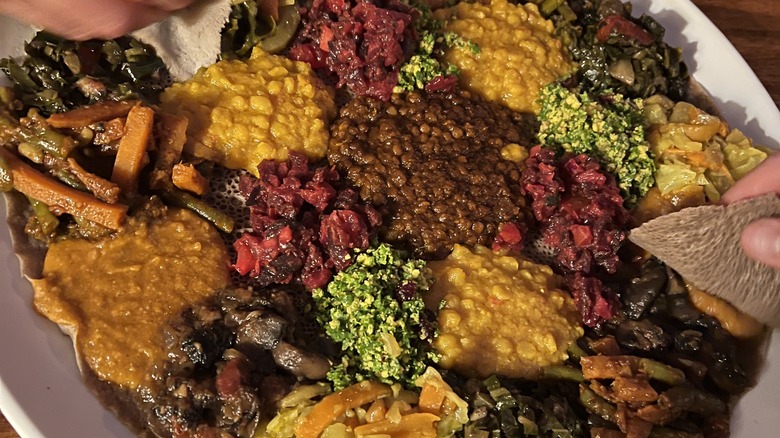
Don't think about it like you're removing ingredients from your diet, but instead that you're adding more plant foods to your plate. While Americans usually stick to eating mostly pigs, cows, and chickens, along with milk, yogurt, and cheese, there's an estimated 300,000 edible plant foods in the world. Yes, onions, potatoes, peppers, broccoli, and corn have been stars in the standard American diet, but why not try jackfruit, soursop, or burdock?
In addition, many cultures eat a mostly vegetarian, if not a vegan diet, especially in rural areas with less Western influences. That's why American vegans jump at the opportunity to dine out at ethnically diverse restaurants since there are just so many more viable options on the menu. It's time you started cooking more Indian food, Ethiopian cuisine, Indonesian recipes, and traditional rice and bean dishes from rural Italy. Try new ingredients, new recipes, and step outside of your comfort zone. Instead of using meat replacers in classically meat-heavy dishes, just try recipes designed without meat in the first place.
10. Protect furry friends
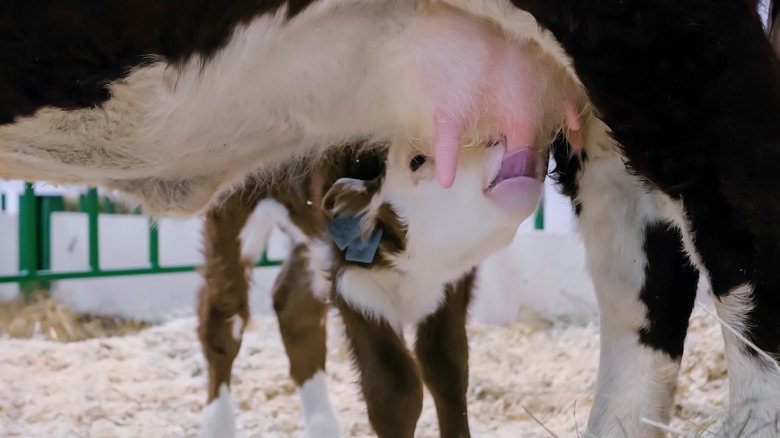
This is a tricky topic to discuss, and before I stopped eating meat, I also felt defensive and avoidant about coming face to face with the realities of factory farming. If you're not ready to have this conversation, then please skip to the next section. You may picture a happy cow in a green pasture, living its best life until it meets a quick and painless death. That's natural, right? Unfortunately, that's not the reality of the situation, as 99% of American meat comes from factory farms.
I won't go into detail about what happens on these meat, egg, and dairy farms, but if the United States decided to participate in Meatless Monday for just one year, we could save 1.4 billion animal lives. The average American consumes between 67 pounds of beef each year alone, not including the damage done to dairy cows, or the sick or unviable animals who lose their lives before reaching slaughter. On the dairy side, keep in mind that mammals produce milk because they are mothers, not because they do so naturally (just like humans). Participating in Meatless Monday or using oat milk in your coffee could make all the difference in the world.
11. Eat less plastic
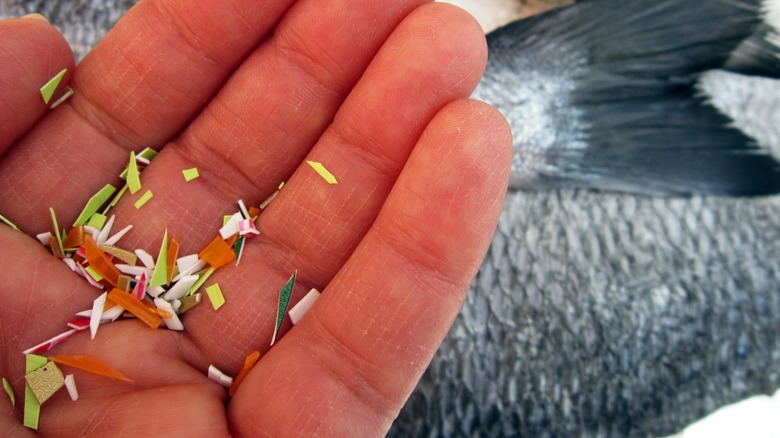
If you haven't heard about microplastics, then you may be shocked to learn that you probably eat about a credit card worth of plastic every week, especially if you eat meat and fish. So, how are these bits of plastic getting into our systems? Well, on the seafood end, you're probably aware that our oceans are filled with plastic. Fish eat these plastics and they end up in their systems since they aren't digestible. Then, we eat the fish and voilà. Similarly, microplastics are found in prevalence in animal feed, so your farmed animals go to a slaughter full of plastic, which ends up in your system.
So, if you aren't a fan of microplastics that can cause inflammation which contributes to cancer, cardiovascular problems, respiratory issues, and throws your gut microbiome out of wack, then avoiding meat, dairy, and fish might just be in your best interest.
12. Prevent ocean destruction
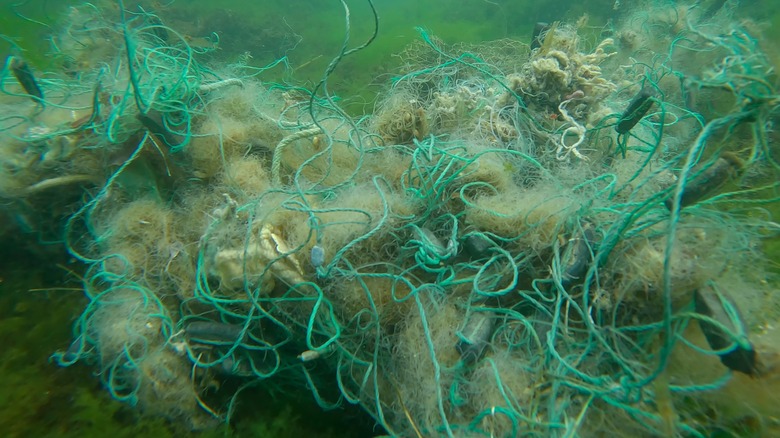
Save the oceans, stop using plastic straws! While it's great to make a difference in any way you can, plastic straws are certainly not the main issue facing our oceans, and only account for less than 1% of all ocean plastic. The real contributors to the destruction of our oceans? The fishing industry. Abandoned or discarded fishing supplies account for more than 75% of all ocean plastic. Much of it is called "ghost fishing gear" because it continues to trap marine life as long as it lasts.
Bottom trolling, the act of dragging fishing lines along the bottom of the ocean, is responsible for the destruction of coral reefs. Bycatch, referring to aquatic animals that are caught but not the target product are tossed back injured or dead, accounts for the deaths of over 300,000 marine mammals each year. This figure doesn't include any fish or non-mammal ocean life. So, if you want to save the oceans, then reduce the amount of seafood you consume.
13. Reduce your chances of cancer
Cancer is currently the second leading cause of death amongst Americans. It's likely you or someone close to you has been affected by cancer in one way or another. While many organizations are working tirelessly to invent ways to cure cancer, there are currently lifestyle choices that you can implement. One of those choices includes eating more plants, and less animal-based foods.
Mini science lesson: Antioxidants are a nutrient found in abundance in plant foods. They reduce inflammation, and prevent free-radicals which contribute to the development of cancer. Essentially, these unstable molecules (free-radicals) cause damage to your DNA which can cause the mutation of cancer cells. So, loading up on antioxidant rich foods, and avoiding inflammatory foods like many meats and dairy products, can put you in the best position to significantly decrease your chances of getting certain cancer, and slow cancer growth. Certain foods like turmeric, mushrooms, dark berries, and dark leafy greens are all super anti-inflammatory foods that can put you in the best position for successful health.
14. Prevent deforestation

As of 2008, cattle ranching was responsible for 80% of deforestation in Amazonian countries. These areas are at a greater risk for fire, soil erosion, and water contamination. With deforestation comes the destruction of habitats for endangered animals, as well as plant species. The Amazon rainforest is known as the lungs of our planet, absorbing carbon dioxide and releasing oxygen. The animal agricultural industry is destroying our earth's lungs.
In addition, 67% of crops grown in the United States are used for animal feed, not for human consumption. Instead of contributing to the problem, reduce your environmental impact by swapping meat for fungus. That's right, mushrooms are a sustainable food, with incredible benefits to our environment. They can be flavored just like meat, and cooked just like meat. They have a meaty texture, and some variety even share strong umami undertones, just like meat. Swap it out in your tacos, burgers, and lasagnas to start.
15. Get better sleep

There is nothing better than a full, restful night of sleep. Well, did you know that eating more plants and less animal-based food can get you one step closer to catching those much-needed Z's? Researchers from Mayo Clinic published a study explaining the impact a plant-rich diet has on sleep, and it has me loading up on veggies before bed. The study investigates how fiber, your gut microbiome, melatonin production, inflammation, and fat consumption all have to do with how long we count sheep.
In the end, they found a positive correlation between plant-based diets and sleep. But, if you're looking for a super powered sleep boosting plant-food, turn to tart cherries. These sweet and tangy fruits contain tryptophan (yes, the stuff that makes us knock out after a turkey dinner) and melatonin, both helping you to fall and stay asleep. Cutting out or reducing animal-based foods could lead to better sleep, which we all know can greatly impact our productivity and mood. It might just be worth the switch.