

How To Choose A Fridge That Fits Your Cooking Style

The fridge is often the center of the kitchen. It plays many roles, from controlling humidity and keeping your greens fresh, to holding copious amounts of condiments and bottled beverages. Of course, the main function of a fridge is to keep everything below 40 degrees Fahrenheit to ensure it is safe to eat. But, with so many models available, each boasting different storage capabilities and features, how can you possibly know which one to choose?
To find the right fridge for your needs, consider how often you cook at home, the size of your household, and your budget. Whether you're purchasing your first fridge or looking to upgrade to something that fits your kitchen better, it's important to do your research — skipping this step is one of the common mistakes when buying a new fridge.
Let's start with the basics. First, measure your space to know which size to purchase. Remember to include the door swing clearance in your measurement, especially if you choose a larger model with French doors. From here, the options are practically endless. If you enjoy entertaining, consider a fridge with an extra cheese drawer and a built-in ice maker. If you mostly cook with fresh ingredients, then a fridge with an advanced evaporator for controlling lingering moisture levels might be a better choice. If you're a meal prepper or have a large family, then searching for a model with ample freezer space is a must. Don't overlook tech features like Wi-Fi connectivity, which can alert you if the fridge door is left open or help you control the temperature remotely with your smartphone.
Important considerations when choosing a new fridge
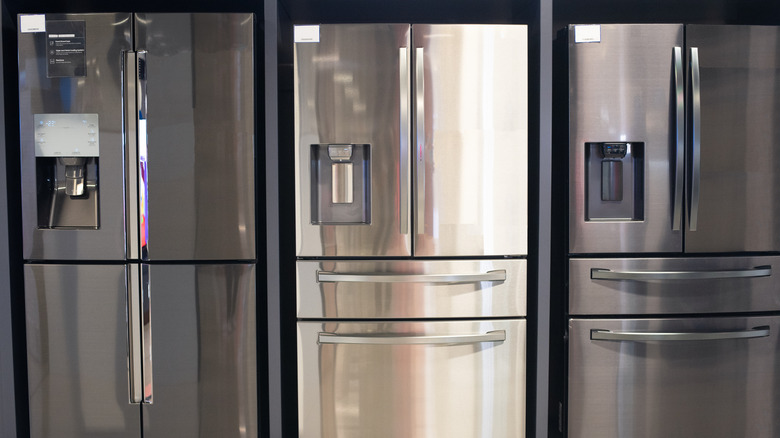
When looking for a new fridge, it's important to think beyond the brand name. While Maytag, GE, and LG are all great options, this is where you'll need to decide what works best for you based on your preferences. At the end of the day, the most important things to look for are a product with a strong warranty and reliable after-sales repair. A solid warranty protects you from unexpected costs, while reliable after-sales repair will ensure that you won't be left stranded if your fridge breaks down.
Knowing when to replace your fridge is also key, especially if yours is starting to show signs of aging. In most cases, a refrigerator should technically be replaced every 10 to 25 years. If yours is reaching the end of its lifespan, keep your eyes peeled for the signs of a worn-out fridge. For example, it may make strange churning noises or struggle to stay cold. If your food seems to spoil quickly, it's probably time to start shopping for a new one. Even if your old fridge is running well, it is likely using more energy than a newer model, so replacing it could save you money on utilities in the long run. Once you have your new fridge, knowing how to organize it like a professional chef will make cooking feel effortless. It could also prevent premature spoilage by storing food based on temperature zones.