

15 Tips For Starting Your Very Own Indoor Herb Garden
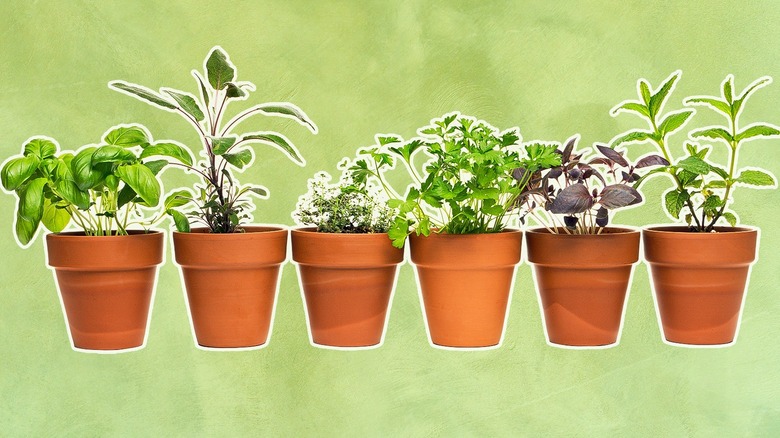
There are many mental and physical health benefits of gardening, both indoors and out, including decreasing stress and increasing the consumption of fresh fruits and vegetables. Plus, nothing is more satisfying than the feeling of eating produce that you grew yourself. Plus, you can garden indoors regardless of the size of your living space.
Growing your own herbs gives you the power to control at least some of what you consume, because you know where the plants come from, how they are fertilized, and how fresh they are. And if you end up with an abundance of them, you can freeze or dry them for use at a later time. Health benefits aside, an indoor herb garden can be a thing of beauty, whether it's a living wall of green or a simple nod to the outdoors. In order to get some insight and tips for planting an indoor herb garden, we spoke to Sam Tall, the second-generation owner of City Farmers Nursery in San Diego.
Understand the best herbs to grow indoors
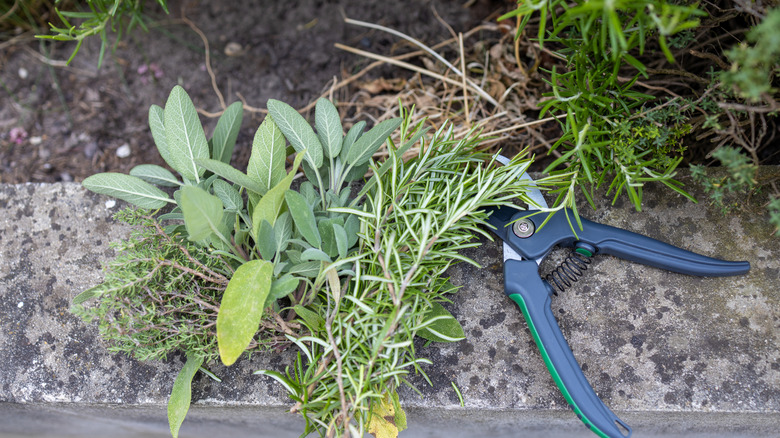
Before we delve into how to grow your indoor herb garden, it's essential to explore what you will grow. New gardeners may want to consider which herbs are easiest to grow. Basil, mint, parsley, chives, and thyme are considered the easiest herbs to grow indoors, but each plant has differing needs. Some herbs thrive in full sunlight, while others require a shady spot; some plants require frequent watering, while others can go without water for an extended period; and some need regular pruning, while others don't. And not all herbs can be grown indoors.
Most of us don't have acres of space indoors, so you'll need to whittle down your list to herbs that you're likely to use in your cooking. Parsley, thyme, basil, rosemary, mint, and cilantro are some of the most common culinary herbs. You could also consider herbs that store well, like sage, rosemary, thyme, and oregano. After all, this is an aesthetic as well as functional garden.
Consider where you position your plants
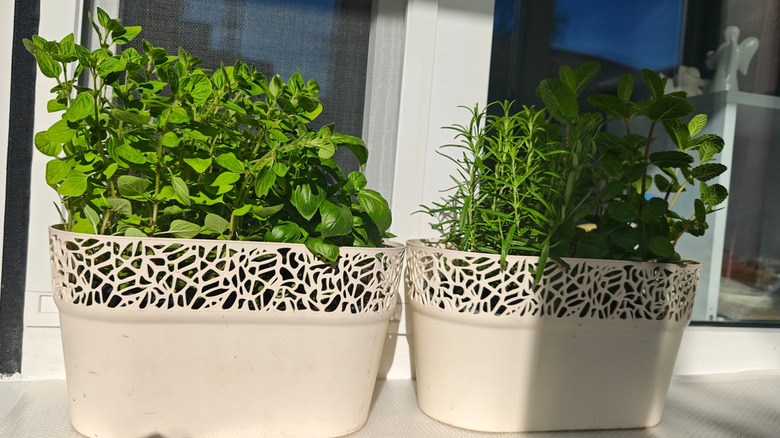
All plants require some amount of sunlight to grow. A south-facing window offers the best chance of full sunlight in the northern hemisphere. If you have a suitable window, there are many types of herbs you can grow. Basil, thyme, oregano, rosemary, tarragon, bay, lavender, and sage all thrive in full sunlight.
If you don't have a south-facing window, all is not lost. Plants like parsley, chives, dill, and mint can thrive in both sun and partial shade, making them excellent choices for indoor cultivation or for people in cooler climates where hours of sunlight may be limited. Herbs like cilantro and lemon balm, meanwhile, prefer shadier spots. Also consider that some herbs require lower temperatures; for example, cilantro, dill, and parsley prefer cooler weather.
All herbs require a minimum of four hours of sunlight per day, with sun-loving plants needing between six and eight hours. So choosing your growing spot is essential before buying plants or seeds.
Ensure your plants have the right growing conditions
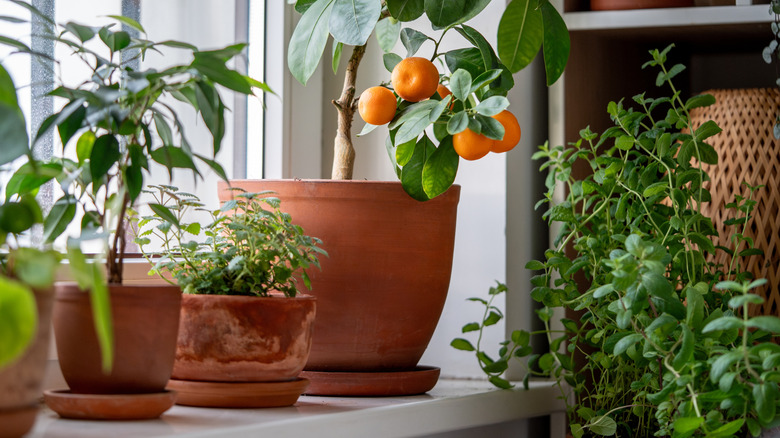
Frustrated at not having the perfect sunny spot to start your indoor herb garden? Worry not; there are several tricks you can employ to create those conditions in your shadier spots. The first is to rotate your plants every week, moving any that are at the back and further from the light towards the window, turning them 90 degrees so that the light source reaches all sides and stops them from becoming leggy.
Now, plants need light, but it doesn't necessarily need to be direct light. You can use reflective surfaces, like foil or white walls, to bounce light around the plants. You can also use artificial lights. Sam Tall, owner of City Farmers Nursery, recommends using a trusted brand of full-spectrum lights. "The cheaper LEDs don't quite put out the spectrum herbs need to be successful in growing," he says.
Choose the right type of soil
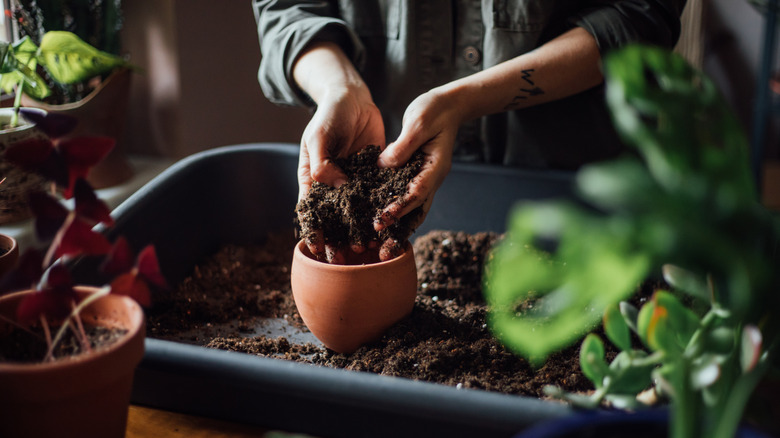
Herbs grow best in porous, moisture-retentive soil –– you don't want them to get waterlogged or dry out. Aim for sandy loam soil with a pH of 5.5 to 8.5. The pot you select is also important, per Sam Tall. "If they're glazed pots with a shiny coating, choose a soil that drains a little better. Plain clay or plastic pots typically have decent drainage, so regular potting soil works just fine."
Now, to complicate matters, different herbs require slightly different depths of soil, but this is made easier by grouping herbs into families. The Lamiaceae family includes rosemary, thyme, sage, oregano, and mint. These Mediterranean-style plants prefer drier soil and growing conditions, and can thrive in shallow pots with well-draining soil. The Apiaceae family includes cilantro, cumin, dill, fennel, and parsley. Like carrots, they have roots that extend deeply into the earth, so they require deeper pots.
Make sure to water correctly
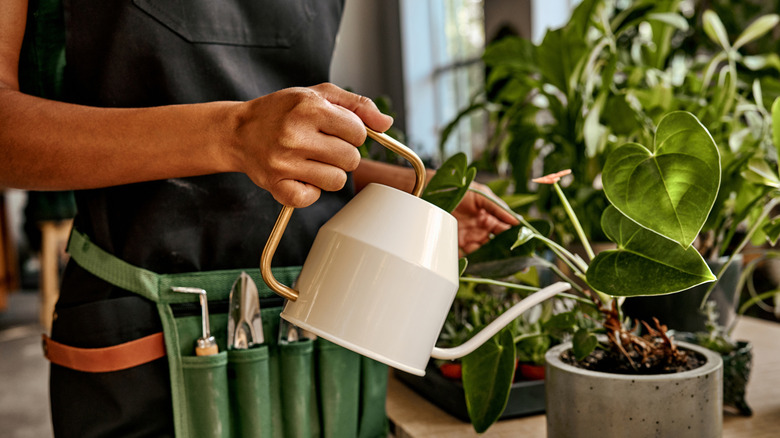
Overwatering is a big killer for houseplants and herbs. Getting the right amount of water that your plant requires is a tricky game. Too little, and your plants will die; too much, and they suffer the same fate. Sam Tall says, "When it comes to water, less is more. These herbs prefer to dry out between waterings, so a little 'benign neglect' is actually good for them." Test if a plant needs watering by placing your finger in the pot. If it feels damp, it's okay for another day or two; if it's dry, it needs water. For smaller plants, pick up the pot. If it's very light and dry, then you know you need to add water. The goal is for the soil to be moist, not overly wet or soggy.
When watering your indoor herbs, be sure to water the soil rather than the leaves to prevent rot. If your herbs are positioned on a plate, ensure they don't sit in the water for more than 15 minutes.
Know when and how to feed your herbs
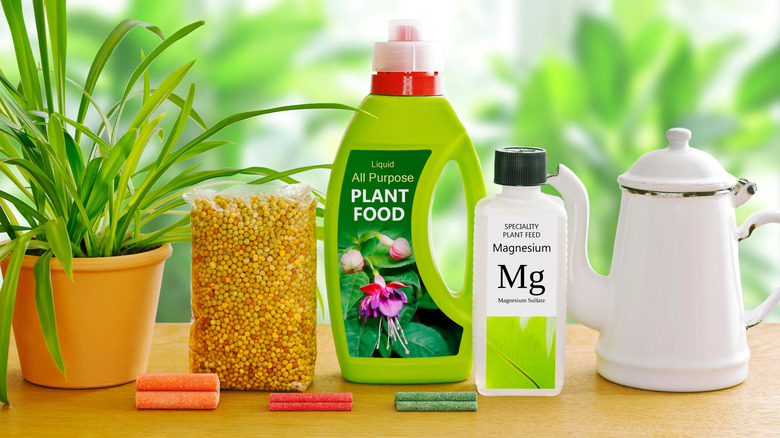
Indoor herbs can become nutrient-deficient. The most common deficiencies are nitrogen — evidenced by yellowing leaves — and iron — which causes yellowing between the veins. You can stave this off by being proactive about feeding your plants.
Sam Tall recommends that his customers find an organic fertilizer that can be used every three to four weeks. "If you over-fertilize your plants, you will definitely know. The tips might burn, or the whole plant might suffer," he says. "If you're questioning how much you should put down, always go with less than you think you would need. You can always add more fertilizer down the line, but it's always hard to take fertilizer out." Do note that the amount you feed your herbs varies by time of year. In the summer, when they are growing rapidly, they require more frequent feeding, as often as once a week. However, during the colder months, once a month is sufficient.
When it comes to feeding your herbs, think organic — after all, you are going to eat the end product. Organic fertilizers are often plant-based and may be made with seaweed and nettles, and animal-based fertilizers are derived from sources like fish, bone meal, and poultry manure. Fertilizers are available in various forms, including powders, pellets, granules, and liquids.
Prune and refresh regularly
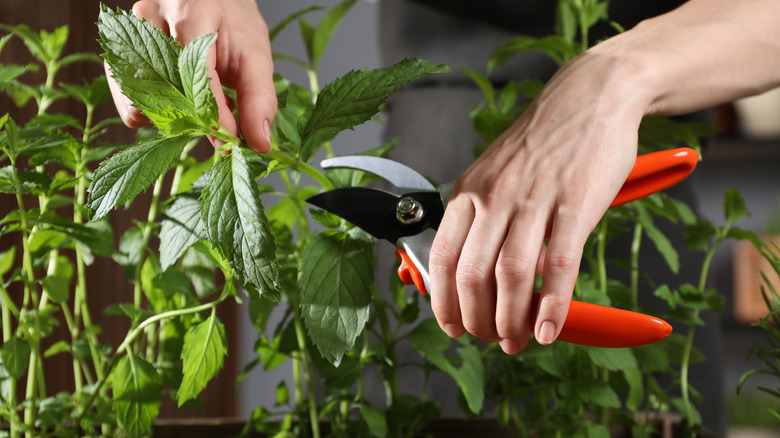
It may seem counterintuitive, but regularly pruning your herbs encourages them to grow thicker and bushier. You want to avoid long, leggy plants, which are mostly stems with few leaves. Leggy plants occur when growing conditions aren't optimal, which causes a plant to grow rapidly in an attempt to reach light. To prevent plants from becoming leggy, Sam Tall says, "Sometimes removing just 1 or 2 inches from the ends will encourage the lower nodes to fill out and push new growth, making the plant look fuller." He adds that it's important to remove old flowers once the plant has finished flowering, saying that it will "trick the plant into thinking it hasn't set seed. This can encourage new blooms or fresh growth."
Herbs are either perennial, which means they will last for years, or annual. Annual herbs, when grown outdoors, typically die in the winter and need to be replanted in the spring. Indoors, some annual herbs can last for up to a year, but they will generally need to be replaced at some point. Basil, cilantro, and dill are thought of as annual herbs, so if they are looking a little lackluster, it may be time to replant them.
Save money by growing your plants from seed
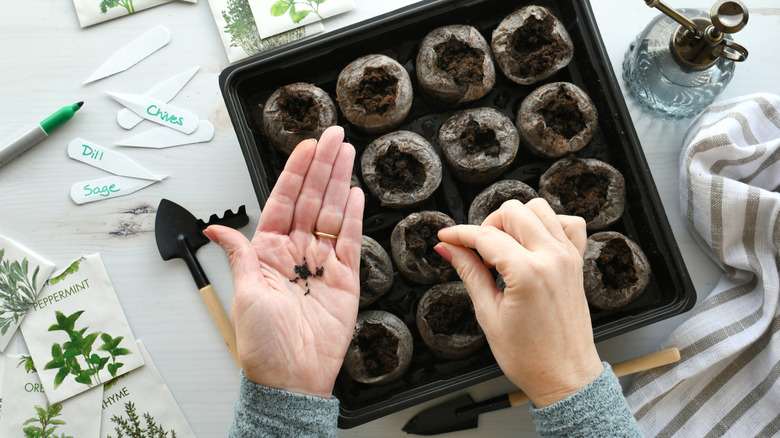
Starting an indoor herb garden can be costly. By the time you've bought pots, potting soil, and food, you already have quite a hefty bill. Buying herb seedlings can make it even more expensive. A more affordable option is to grow your own from seed.
You can buy seeds for cheap from many stores or garden centers. To plant, simply fill a container with soil, pat it down until it's flat, sprinkle a few seeds, and then lightly cover them with another thin layer of soil. Water gently with a light spray, place them in a warm, sunny spot, and you're in business. Don't forget to label your seedlings, as it can be very easy to mix them up if you are planting several different kinds. Remember to keep the soil moist. Once the seedlings are big enough to be handled, simply pot them into their own pots. With time, you will have your own herbs for a fraction of the cost of seedlings.
Propgate cuttings or plant plug plants
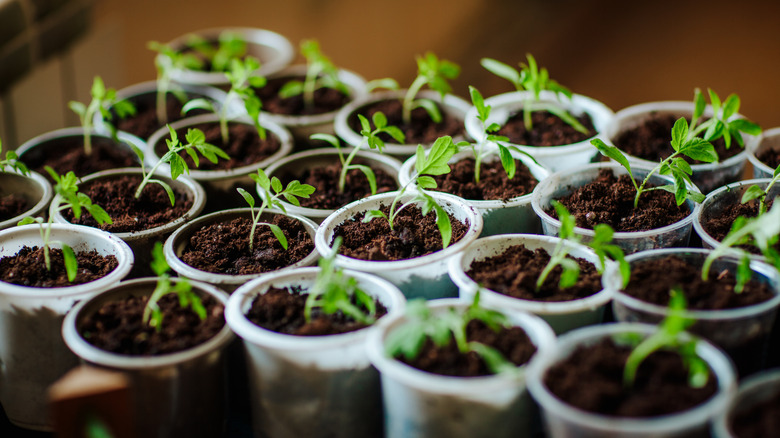
Seedlings may be preferable over seeds, especially for gardening novices. "For first-time gardeners, I recommend working with plants that have already been started," says Sam Tall. "It's not the cheapest route, but it gives you a head start and lets you learn about the plants."
You can buy herbs as seedlings or young plants called plug plants, which can be transplanted into individual pots. Buying plug plants eliminates the stress of growing from seed. Alternatively, you can regrow store-bought herbs; those "living herbs" you get in the supermarket can be divided into individual plants or smaller clumps and grown in their own pots.
Mimic ideal growing conditions in the winter
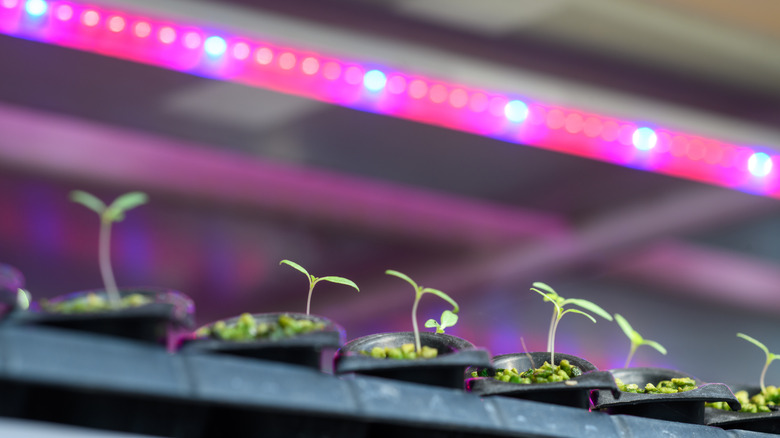
The key to keeping your herbs alive during the winter is to try to mimic optimal outdoor growing conditions. You should aim to provide your plants with a minimum of four hours of sunlight and to keep the temperatures between 65 F and 75 F. Not only do you need to make sure that the ambient temperature is correct, but also consider the placement of your plants. If they are sitting on a drafty windowsill or next to a heater, you may need to consider relocating them.
If your herbs are struggling during the dark winter months, consider adding LED growing lights to support their lighting requirements. Plants convert light to energy via photosynthesis. However, not all light is the same. Sunlight is composed of varying colors of light, but for plant growth, red and blue light are the most important. When creating lighting conditions for growing plants inside, simply adding a table lamp will not suffice. You can add LED or fluorescent lighting that mimics sunlight or provides blue light, which helps the plants convert energy, and red light, which assists in plant growth and flowering.
Keep pests at bay
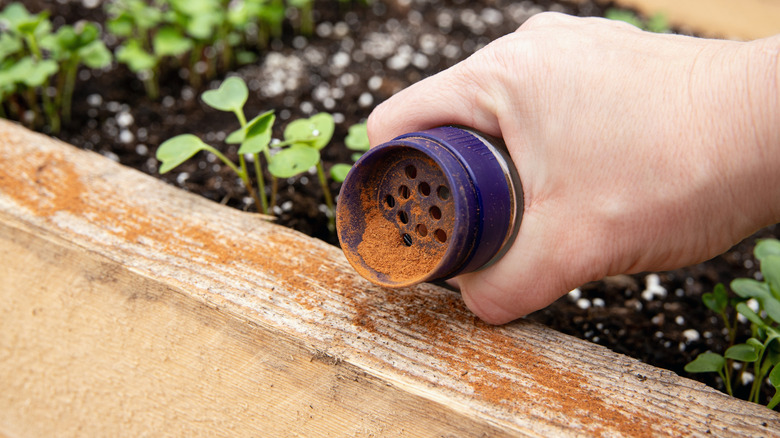
Just because your plants are indoors doesn't mean they are safe from pests. They can munch on your herbs before you get the chance to. Common pests include aphids, which feed on new leaves, and spider mites, which reside on the undersides of leaves and cause damage.
Bearing in mind that you are growing herbs to eat, you want to avoid the easiest solution, which is to treat the plants with chemicals. Instead, it's important to seek out non-chemical solutions. The most effective (albeit time-consuming) method is to remove pests manually. Regular inspections allow you to spot pests when the infestation is still small –– you can remove them by hand or with a pair of tweezers. If there are too many to manually remove, then try cinnamon powder, neem oil, rubbing alcohol, or soapy water.
Take care when harvesting your herbs
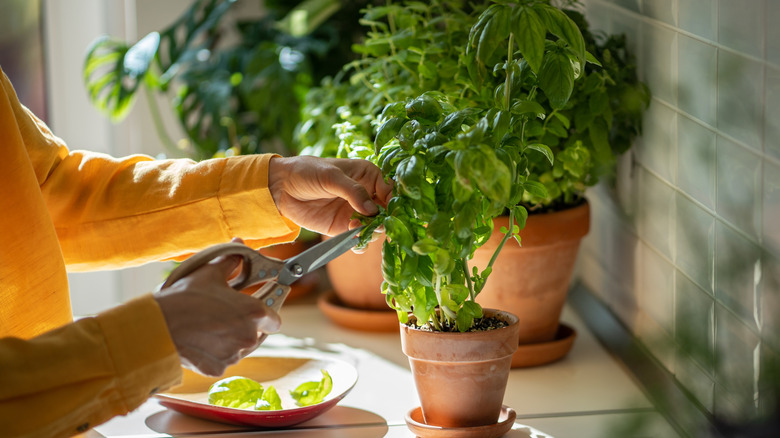
Once they're finished growing, indoor herbs can be harvested at any time. While it's great to add fresh herbs to your cooking, you should never take more than one-third of the plant at any time, as you need to ensure that the plant can still photosynthesize and keep producing delicious leaves.
Sam Tall recommends watering plants a few hours before picking the leaves, saying that it "helps ensure they are well-hydrated and have good water content." Different herbs should be harvested in different ways. With basil, for example, you should harvest from the top of the plant to encourage it to become round. On the other hand, with parsley and cilantro, you'll want to cut at the very base of the stem from the outside of the plant.
Store herbs by drying or freezing them
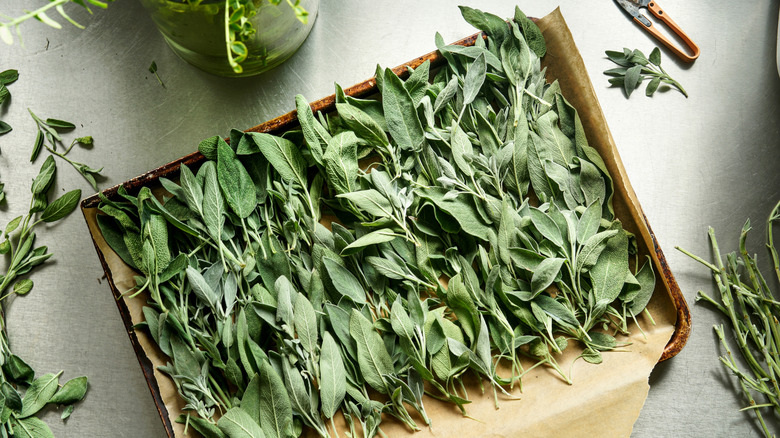
One of the best things about herbs is their ability to store them for later use. Healthy, mature herbs can produce a ton of leaves — more than a family can eat — so learning how to store them is a great way to use them throughout the year. Fresh herbs can be picked and stored in a glass of water, much like cut flowers. To keep your herbs for longer than this, you can use one of two methods: drying and freezing.
To dry your herbs, gather them into bunches and tie the woody ends together. Then, store them in a warm, dry, and well-ventilated location. For a speedier solution, you can dry herbs in a microwave by placing the leaves onto a paper towel and microwaving them for 20-second intervals, checking carefully until the herbs are fully dry. Herbs are ready to be stored when they are dry and brittle –– at this point, they can be stored in airtight jars for up to a year.
You'll need to blanch your herbs before freezing them. You can also put them in freezer bags, chop them, create herb ice cubes, or take a more adventurous approach and add them to butter.
Get creative with displaying your plants
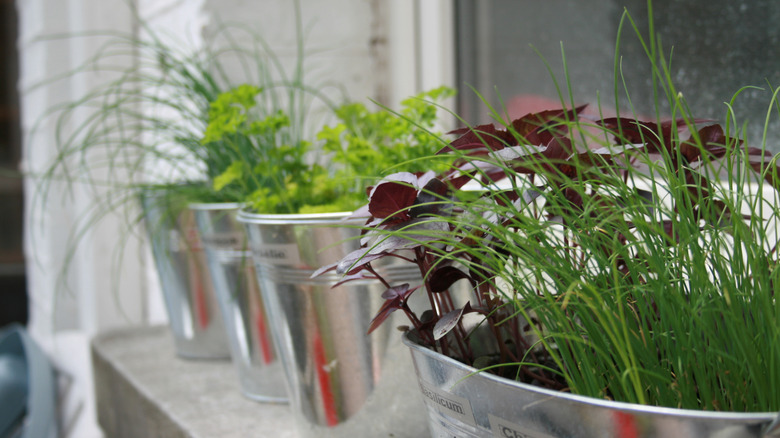
Herbs are wonderful to eat and can add flavor and a decadent aroma to any dish, but part of the beauty of growing them at home is their aesthetic appeal. Even a jar of basil on a windowsill brings a little bit of outside joy in, but you can take it a step further and go to town with how you display your herb garden.
Look at creating different levels within the space. You can use tiered stands, shelves, hanging planters, or wall-mounted trellises to add visual interest to the area. Think about becoming creative with your pots, old mugs, teapots, bowls, vases, and jars. They can all be repurposed to add color and interest to indoor gardens. You could invest in a living wall system, which will create a stunning display of herbs within your home, add ambiance by threading fairy lights between pots, or create a feeling of serenity by dotting candles around your plants.
Create a themed herb garden
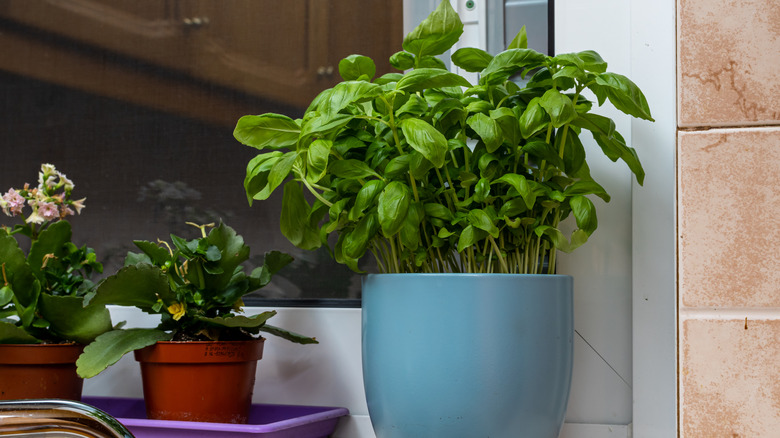
Take things one step further by creating a theme for your herb garden. You can tie it into other elements in your kitchen or location. If you live by the sea, why not opt for a Mediterranean theme –– think Greece with its blue and white colors and antique urns, or Spain with a row of terracotta pots, and a lemon tree? You can extend your theme to the type of plants you grow by planting herbs traditionally used in the southern Mediterranean, such as rosemary, oregano, dill, and mint.
If you have a cozy cabin, go rustic with wooden containers, or stack plants on old crates. Use things you have on hand, such as differently sized logs or a tree branch with fairy lights wound around it. If you live in the city, consider a minimalist or industrial approach using steel or copper pots, sticking to just black and white, and opting for uniformly sized containers.